
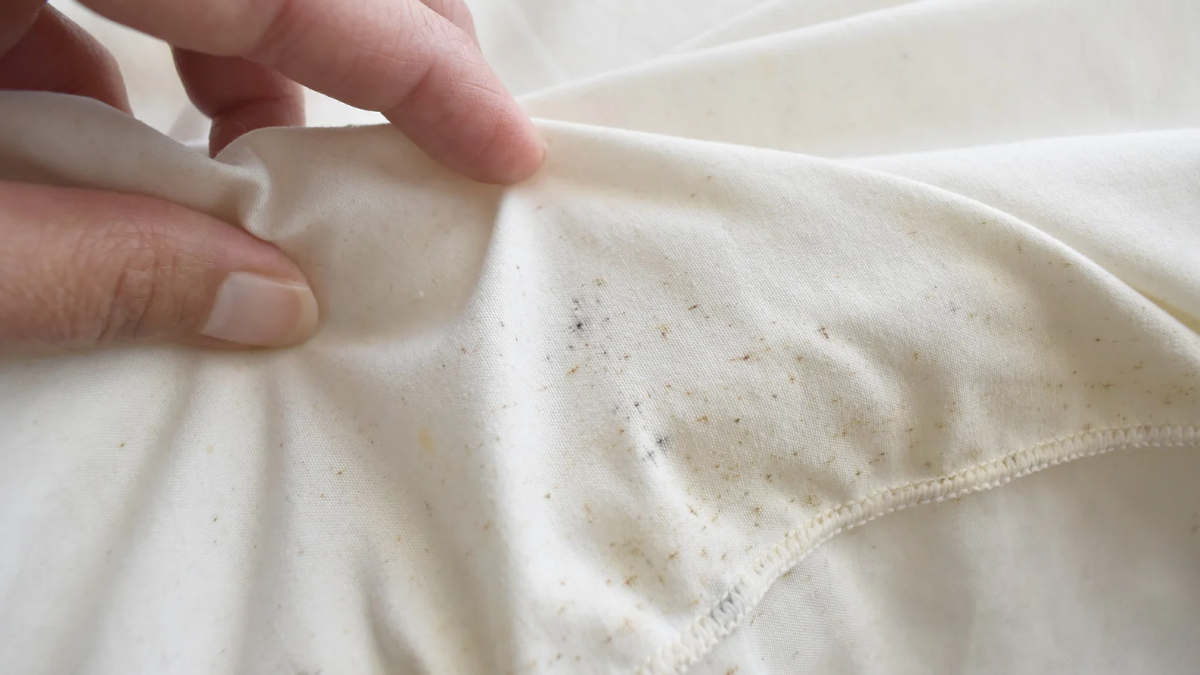
Mold on clothes can often be treated if the fabric is washable and the growth is limited. The safest home approach is to brush visible mold outdoors, pre-treat the affected area, wash with detergent using the hottest water the care label allows, and dry the garment completely before storing it. Heat can help, but heat alone is not a complete mold-removal method.
If the item is delicate, valuable, heavily covered in mold, or marked dry clean only, it is better to contact a professional cleaner. People with asthma, mold allergies, lung disease, or weakened immune systems should avoid handling moldy items whenever possible.
- Cause: Trapped moisture is the primary reason clothes get moldy.
- Treatment: Brush visible mold off outdoors, wash at the highest safe temperature, and dry completely.
- Heat Limits: Heat alone will not remove mold and must always be paired with washing.
- Steamer Use: Garment steamers are for refreshing clean clothes, not for killing active mold.
- Prevention: Always ensure clothes are 100% dry before storing them in a breathable space.
Why Clothes Get Moldy
Moldy clothes usually come from one simple condition: moisture staying in fabric long enough for mold or mildew to grow. Closets, laundry baskets, gym bags, washing machines, and storage bins can all trap moisture when clothes are not fully dry. This aligns with EPA moisture control guidance, which emphasizes controlling moisture to control indoor mold growth.
- Putting away clothes that are still slightly damp from washing, sweat, rain, or steam.
- Leaving wet laundry in the washer for too long.
- Storing seasonal clothing in humid closets, basements, or sealed bins.
- Packing clothes too tightly so air cannot circulate.
- Storing unwashed garments with sweat, body oils, food stains, or drink spills.
- Using too much detergent or fabric softener, which can leave residue that traps odor.
- A washing machine gasket, drum, or detergent drawer that has its own musty buildup.
Mildew on fabric is often an early, surface-level form of fungal growth that creates a musty smell or light spotting. Mold can appear darker, fuzzy, or patchy and may be harder to remove if it has spread deeply into fibers.
Does Heat Kill Mold on Clothes?
Yes, heat is highly effective at reducing mold, but it must be combined with washing. Heat alone may neutralize the mold, but it leaves behind stains, fragments, and allergens. Washing is necessary to physically loosen and flush these residues out of the fabric.
How to Safely Apply Heat:
- Follow the Care Label: The golden rule is to use the hottest water and drying methods the garment allows, not the highest setting your machine offers.
- Heat-Tolerant Fabrics: Materials like cotton, denim, towels, and certain polyester blends can usually withstand warm or hot water.
- Heat-Sensitive Fabrics: Avoid high heat for wool, silk, lace, embellished items, and structured garments, as they can easily shrink, fade, distort, or weaken.
| Heat Method | When It Helps | Main Limitation |
|---|---|---|
| Hot water wash | Good for sturdy washable fabrics when the care label allows it | Can shrink, fade, or damage delicate fabrics |
| Dryer heat | Helps remove remaining moisture after washing | Should not be used before washing visible mold because heat may set odor or stains |
| Sunlight and fresh air | Helps dry fabric and reduce musty odor | Can fade dark or bright fabrics |
| Ironing | Can apply direct heat to sturdy fabric after washing | Can scorch, shine, or damage heat-sensitive materials |
| Garment steaming | Useful for post-wash refreshing and wrinkle removal | Not a substitute for washing or professional mold cleaning |
7 Steps to Remove Mold from Clothes
The most effective home treatment for mold involves containment, outdoor pre-cleaning, thorough washing, and complete drying. Never shake moldy clothing indoors, as spores and odors can quickly spread to clean fabrics and surfaces.
Step 1: Isolate the garment
Keep the moldy item away from clean laundry. If you need to carry it through the house, place it in a washable laundry bag or a temporary bag, then clean or discard the bag afterward.
Step 2: Brush off visible mold outdoors
Take the garment outside and gently brush away loose surface mold. Wear gloves, and avoid breathing in dust from the fabric. If you are sensitive to mold or have respiratory concerns, ask someone else to handle this step.
Step 3: Check the care label
Before using vinegar, oxygen bleach, hot water, sunlight, or dryer heat, check whether the garment is machine washable, colorfast, and safe for heat. If you are unsure what the symbols mean, review this care label guide first. For dry-clean-only garments or delicate fabrics that need hand washing, skip harsh home soaking and contact a professional cleaner when needed.
Step 4: Pre-treat the affected area
Apply liquid laundry detergent directly to the stain and let it sit briefly before washing. For washable white or colorfast fabrics, oxygen bleach may help with stains and odor when used according to the product label. Chlorine bleach should only be used when the care label says it is safe for the fabric.
White vinegar is often used for musty odors, but it should be used carefully. Avoid mixing vinegar with bleach or other cleaners, and check your washer manual before adding vinegar directly to the machine. For chemical-safety context, review the EPA guidance on using bleach for mold cleanup.
Step 5: Wash separately
Wash the moldy garment separately from clean clothes. Use detergent and the hottest water temperature allowed by the care label. Add an extra rinse if the item still smells musty or if you used a laundry booster.
Step 6: Dry completely
Mold thrives on residual moisture. Tumble dry the item if the label permits, or air dry it in a sunny, well-ventilated spot (sunlight naturally helps combat mold). Manually check thick areas like waistbands, cuffs, pockets, and seams to ensure they are 100% dry before storing.
Step 7: Assess, Repeat, or Retire
If visible growth or odors remain, repeat the washing process. (If your clothes consistently smell musty after normal washes, it may be time to deep-clean your washer's gasket and drum.) However, if the fabric is heavily contaminated, physically weakened, or stubbornly smelly after multiple attempts, discarding the item is the safest choice.
Fabric-Safe Mold and Mildew Treatment Guide
Different fabrics need different levels of heat and cleaning strength. When in doubt, choose the gentler method or ask a professional cleaner.
| Fabric Type | Recommended Approach | Avoid |
|---|---|---|
| Cotton, denim, towels | Detergent, hot or warm water if label allows, full drying | Storing before seams are fully dry |
| Polyester and blends | Detergent, warm water if allowed, extra rinse for odor | Very high heat that may damage stretch or finish |
| White washable fabrics | Detergent plus oxygen bleach or chlorine bleach only if fabric-safe | Mixing bleach with vinegar, ammonia, or other cleaners |
| Colored fabrics | Detergent, oxygen bleach labeled color-safe, spot test first | Chlorine bleach unless label allows |
| Wool, silk, lace | Gentle hand wash only if label allows, or professional cleaning | Hot water, harsh scrubbing, dryer heat |
| Dry-clean-only garments | Brush outdoors if safe, then take to a professional cleaner | Home soaking or machine washing |
Can a Garment Steamer Help with Moldy Clothes?
A garment steamer should not be used as the main tool for removing mold from clothes. Steam may refresh clean clothing, but it cannot replace proper washing, drying, or mold treatment.
The Neakasa Magic 1 Vacuum Steamer is best used after moldy or musty clothes have been properly washed and fully dried. Its vacuum-assisted steaming helps keep fabric steady while smoothing and refreshing clean garments.
- Wrinkle removal after washing and drying.
- Refreshing everyday odors on already-clean clothing.
- Smoothing stored garments before wearing.
- Maintaining a tidy wardrobe routine between deeper washes.
Do not rely on any garment steamer to clean heavily moldy clothing, replace laundering, or fix a humid closet. Mold prevention still depends on moisture control, airflow, and fully dry storage.

- Instantly removes wrinkles with AirIron Technology.
- Achieves smoother results at triple the speed.
- Effortless to use with a safe one-handed design.
- Prevents fabric pilling through zero-friction care.
- Neutralizes odors using high-temperature steam.
From $69.99
How to Prevent Mold and Musty Smells from Returning
The best way to prevent moldy clothes is to keep fabric clean, dry, and ventilated. Mold is much less likely to return when moisture is controlled before clothes go into storage.
- Dry clothes completely before folding or hanging them.
- Leave space between garments so air can move.
- Avoid storing dirty, sweaty, or food-stained clothes.
- Open closet doors regularly if the space feels stale.
- Use a dehumidifier or moisture absorber in humid rooms.
- Keep closet walls and floors dry; fix leaks quickly.
- Clean your washing machine regularly, especially front-loader gaskets and detergent drawers.
- Use breathable garment bags instead of sealed plastic for long-term storage when appropriate.
- Rewash clothes that were left wet in the washer for several hours.
For clothes that smell musty after storage, air them out first, then wash if the odor remains. If you see visible mold, treat the garment as moldy clothing rather than a simple odor problem. The most important prevention sentence is simple: never store clothing until it is fully dry.
FAQ
Q1. Can mold be washed out of clothes?
A1. Yes, limited mold can often be washed out of machine-washable clothes. Brush visible mold outdoors, pre-treat the area, wash separately with detergent using the hottest water the care label allows, and dry the garment completely.
Q2. Does heat kill mold on clothes?
A2. Heat can help reduce mold on washable fabrics, especially during hot washing and thorough drying. However, heat alone is not enough because it does not reliably remove stains, residue, or particles from the fabric.
Q3. Can I put moldy clothes in the dryer?
A3. Do not put visibly moldy clothes directly into the dryer before washing. Wash them first, then dry them completely if the care label allows dryer heat.
Q4. Is white vinegar good for mold on clothes?
A4. White vinegar may help reduce musty odor on some washable fabrics, but it is not a guaranteed mold-removal solution. Never mix vinegar with bleach or other cleaners, and check your washer manual before adding vinegar to the machine.
Q5. Can a garment steamer kill mold on clothes?
A5. A garment steamer should not be treated as a mold-removal tool. It can help refresh and smooth clothes after they are clean and dry, but moldy clothes should be washed or professionally cleaned first.
Final Takeaway
To remove mold from clothes, focus on removal first and heat second. Brush off visible mold outdoors, wash with detergent at the safest effective temperature, dry the garment completely, and fix the moisture problem that caused the mold.
A garment steamer such as Neakasa Magic 1 can be useful after cleaning for wrinkle removal, odor refresh, and daily fabric care, but it should not replace washing or professional mold treatment.



Leave a comment
All comments are moderated before being published.
This site is protected by hCaptcha and the hCaptcha Privacy Policy and Terms of Service apply.