
You spent hundreds of dollars on a high-tech self-cleaning litter box, but if you fill it with the wrong sand, you’ve just bought yourself a very expensive headache.
The truth is, the machine is only as good as the litter inside it. Using the wrong type can lead to sludge sticking to the rubber liner, sensors getting coated in dust, and motors burning out from excess weight.
This guide isn't just a list of brands; it’s a technical breakdown of why certain litters fail in robots and how to choose the best clumping cat litter for automatic litter boxes to keep your machine running smoothly for years.
- The Golden Rule: Use hard-clumping litter (Clay or Mixed Tofu/Clay) that solidifies in under 15 minutes to prevent "mud smears" on the liner.
- Strictly Avoid: Pine pellets, recycled paper, and non-clumping crystals. These are too large or too light and will jam the sifting screen.
-
Best Picks: Premium Sodium Bentonite (Safest for all brands).
- Pro Tip: Increase your app's Cycle Delay to 15 minutes to let clumps harden completely before the machine rotates.
Critical Criteria: What Makes a Litter "Robot-Safe"?
Before you buy the first bag you see, you need to understand the mechanics of your machine. Automatic boxes rely on gravity, sifting screens, and optical sensors—all of which require specific litter properties to function.
Clumping Speed & Hardness (The Anti-Stick Factor)
The number one complaint from robot owners is the dreaded "mud smear" on the globe's ceiling.
- The Mechanics: When the robot cycles, the waste slides across the rubber liner. If the clump is soft or "gooey," it leaves a streak of feces or wet clay behind.
- The Requirement: You need a quick clumping cat litter that hardens into a rock within 15 minutes (the standard delay timer). High-quality Sodium Bentonite is usually the winner here.
Granule Size & Weight (Sifting Screen Compatibility)
Your robot is essentially a mechanical sieve.
- The Mechanics: The sifting screen has holes of a specific diameter (usually 5mm–10mm).
- The Requirement: If the granules are too large (like pine pellets), they won't pass through the screen, and the clean litter will be dumped into the waste drawer. If they are too light (like pure paper), they won't slide down the rubber liner effectively.
Dust Control (Protecting the Sensors)
Dust is the silent killer of automatic litter boxes.
- The Mechanics: Machines use infrared sensors and weight scales to detect your cat.
- The Risk: A high-dust litter coats these sensors over time. This leads to "phantom cat" errors (the machine thinks a cat is inside when it's empty) or "drawer full" errors when it's actually empty. You need a dust-free clumping litter (99% dust-free or higher).
Top-Rated Litter Types for Automatic Boxes
Not all "clumping" litters are created equal. Based on testing with leading machines, here are the three categories that perform best.
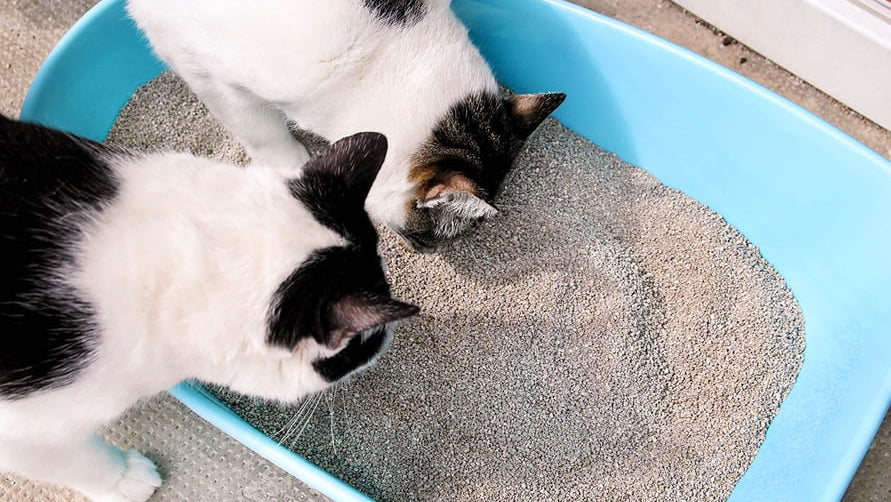
1. Premium Sodium Bentonite Clay (The Safe Bet)
For 90% of automatic boxes, this is the manufacturer's recommendation.
- Why it works: It forms the hardest clumps, preventing breakage during the rotation cycle. It is heavy enough to activate weight sensors reliably.
- Best For: Users of enclosed drum robots (like Litter-Robot) where clumps tumble aggressively.
- Verdict: The safest bet for preventing mechanical jams.
2. Mixed Litter (Clay + Tofu Hybrid) – The Neakasa Favorite
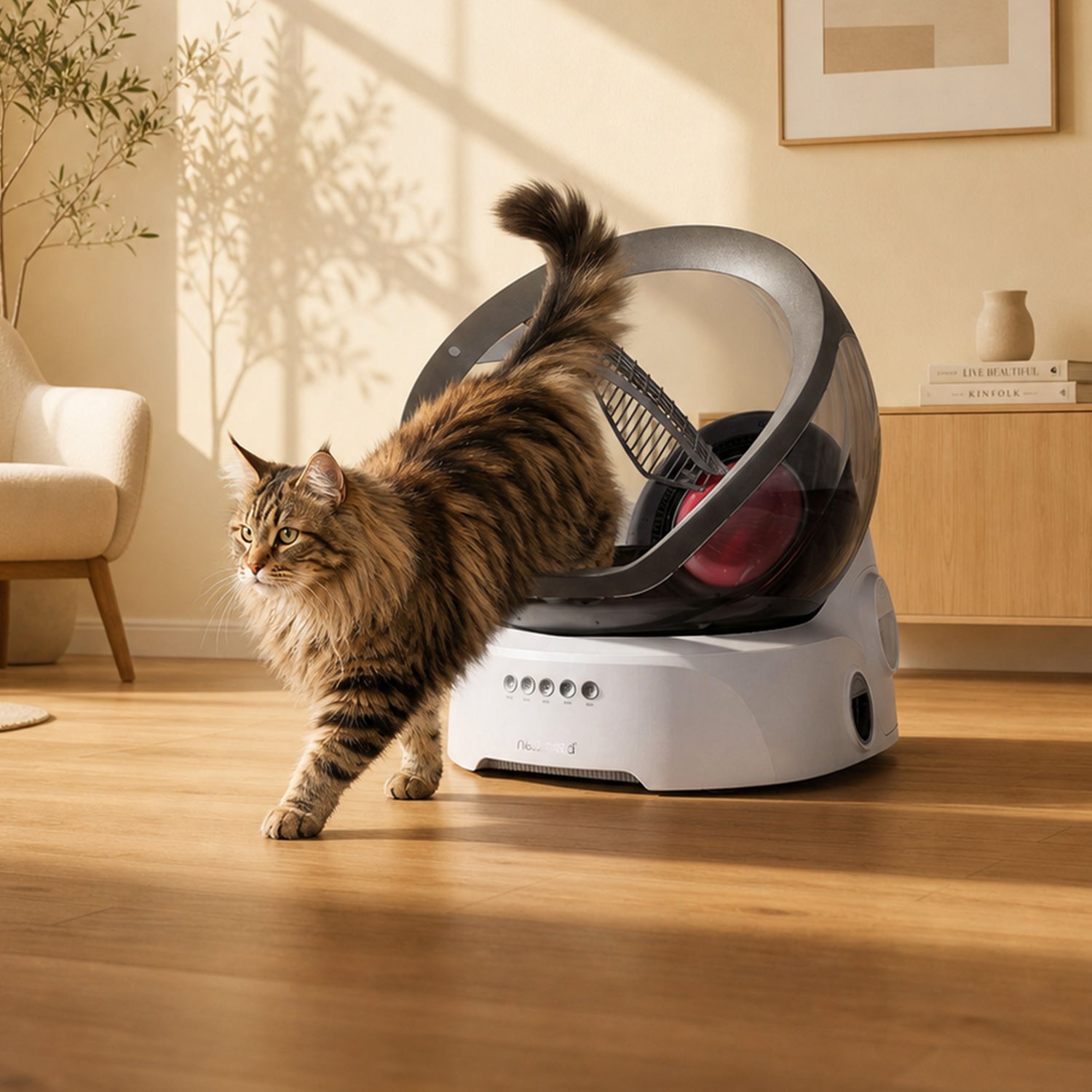
This is a newer category gaining massive popularity, especially for users of Open-Top robots like the Neakasa M1 Plus.
- Composition: A blend of roughly 70% crushed tofu (plant-based) and 30% bentonite clay.
- Why it works: The tofu absorbs liquid instantly (faster than clay), while the clay fills the gaps to create a tight clump.
- The Hardware Advantage: While some older robots get jammed by tofu particles, the Neakasa M1 Plus features a specially designed sifting screen that handles this "mixed" texture perfectly. This allows Neakasa owners to enjoy the superior odor control of tofu without the mechanical failures common in other brands.
3. Plant-Based Litters (Cassava/Corn)
If you want eco-friendly options, Cassava is the strongest contender.
- Why it works: Cassava (like Sustainably Yours) clumps incredibly fast and hard—sometimes even harder than clay.
- Warning: It is very lightweight. If your robot relies on weight sensors, verify that the litter is heavy enough to register. Some machines may need recalibration for lighter plant litter.
Litters to Avoid in Automatic Boxes
Save yourself the trouble of unclogging a jammed machine by avoiding these types entirely.
1. Long-Pellet Tofu or Pine
While popular for standard boxes, these are robot-killers.
- The Issue: The pellets are often longer than the holes in the sifting screen. They get stuck halfway through, creating a "dam" that blocks clean litter from returning to the bed.
2. Non-Clumping Silica or Paper
Automatic boxes are designed to remove clumps.
- The Issue: Non-clumping litter (crystal or recycled paper) absorbs urine but doesn't form a mass. The sifting mechanism cannot separate the dirty litter from the clean litter, rendering the machine useless.
Troubleshooting Common Issues
Even with the best litter, settings matter. Here is how to fine-tune your robot.
Why is my automatic litter box smelling?
If the waste drawer stinks, the clumps might be breaking apart before they hit the bin.
- The Fix: Your litter isn't clumping fast enough. Switch to a faster-acting clay or increase the Cycle Delay Timer in your app (e.g., from 5 minutes to 15 minutes) to give the litter more time to solidify before the rotation starts.
How to stop litter from sticking to the rubber liner?
Sticking usually happens when urine hits the liner directly because the litter level is too low.
- The Fix: Always keep the litter level at the "Max Fill" line.
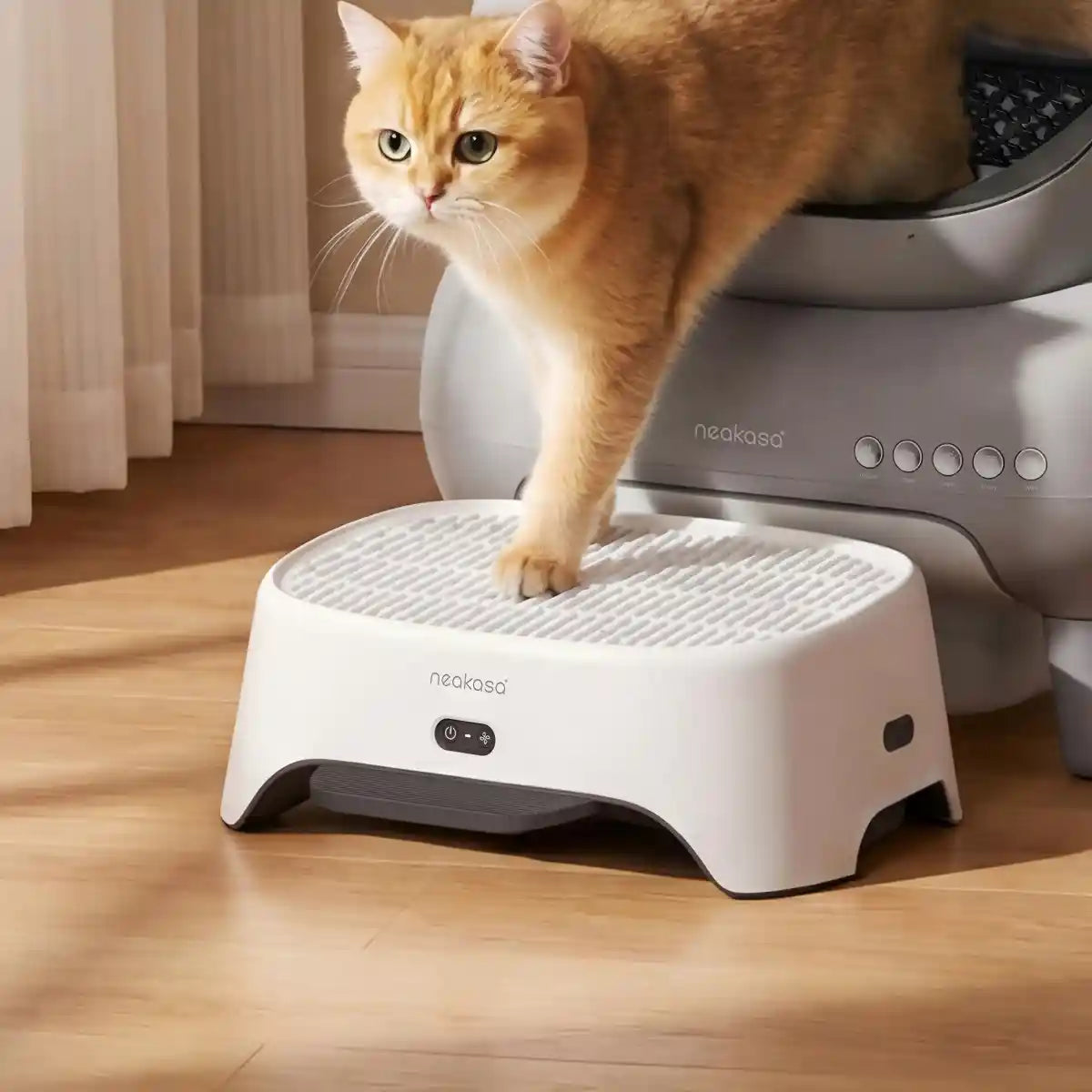
- Hardware Solution: If this is a constant battle, consider the Neakasa M1 Plus. Unlike traditional drum robots that use a rough rubber liner which traps "mud," the M1 Plus uses a soft, flexible, non-stick silicone liner. When the machine cycles, the liner flexes gently, causing even sticky clumps to detach and fall away cleanly.
FAQs
Q1: Can I use lightweight litter in a Neakasa?
Generally, no. Lightweight litters are often too dusty and may not be heavy enough to trigger the "cat has entered" weight sensors reliably. Stick to standard-weight or medium-weight litters for the best performance.
Q2: How often do I need to add fresh litter?
You should top off the litter every 3–5 days to keep it at the fill line. However, you should do a full deep clean (empty old litter, scrub the globe, refill with fresh) once a month to prevent bacterial buildup.
Q3: Does the Neakasa M1 Plus require special bags?
While proprietary bags fit best, most automatic boxes, including the Neakasa, allow you to use standard trash bags if they fit the drawer dimensions. The key is ensuring the bag doesn't puff up and block the sensors.
Conclusion: Summary of Top Picks
Choosing the best clumping cat litter for automatic litter boxes is about balancing clumping power with machine compatibility.
The Final Verdict:
| Type | Best For... | Speed | Compatibility |
|---|---|---|---|
| Premium Bentonite Clay | Reliability. Works in all machines. | ⭐⭐⭐⭐⭐ | High |
| Mixed (Clay + Tofu) | Odor Control. Ideally paired with the Neakasa M1 Plus due to its advanced sifting screen. | ⭐⭐⭐⭐ | Medium (High for Neakasa) |
| Cassava (Plant-Based) | Hard Clumps. Best natural option, but check weight settings. | ⭐⭐⭐⭐⭐ | Medium |
If you are tired of scraping sludge off your expensive robot, switch to a high-quality bentonite or a mixed litter compatible with your specific model. Your machine—and your nose—will thank you.

- Enhanced sealing stops leaks, even for side-peeing.
- Self-cleaning removes waste without daily scooping.
- Open-top design ensures safety and easy access.
- Spacious interior fits cats, up to 33 lbs.
- Sealed bin locks odors for up to 14 days.

Leave a comment
All comments are moderated before being published.
This site is protected by hCaptcha and the hCaptcha Privacy Policy and Terms of Service apply.