
Finding cat diarrhea outside the litter box is a nightmare for any pet parent. It isn't just about the difficult cleanup; it’s the realization that your feline friend is in distress. When this happens, your cat isn't being "bad"—they are sending an urgent SOS.
Whether this is a one-time accident or a recurring problem, you need a plan that addresses both the mess and the underlying cause. In this guide, we provide a 24-hour recovery protocol to get your home—and your cat—back to normal.
- First priority: Watch for blood, vomiting, weakness, dehydration, pain, or other warning signs and contact a veterinarian promptly when they appear.
- Possible reasons: Diarrhea outside the box may reflect physical urgency, illness, pain, reduced mobility, or litter box aversion.
- Safe response: Provide easy litter box access, clean the area according to the cleaner's label, and ask your veterinarian about food, fluids, medications, or supplements.
- Important: A cleaner litter box routine may support the home environment, but it does not treat diarrhea or replace veterinary care.
Contact a Veterinarian Promptly If…
Diarrhea can have many causes, and a veterinarian should assess sudden, severe, repeated, or ongoing symptoms. Contact a veterinary professional promptly if your cat has any of the following:
| Warning Signs or Risk Factors | Recommended Next Step |
|---|---|
| Blood in the stool, including bright red blood or black, tar-like stool | Contact a veterinarian promptly and describe the stool's appearance. |
|
Call your veterinarian for guidance rather than starting a home treatment plan. |
|
Seek prompt veterinary advice. Ask whether your cat needs urgent or emergency assessment. |
| A kitten, senior cat, or cat with an existing health condition develops diarrhea | Contact a veterinarian promptly, even if the diarrhea initially appears mild. |
If you are unsure how urgent the situation is, call your veterinarian or an emergency veterinary clinic and describe the symptoms. This article is for general educational purposes only and cannot diagnose the cause of diarrhea.
Why is Your Cat Having Diarrhea Outside the Litter Box?
Diarrhea outside the litter box can happen because a cat has an urgent need to defecate, cannot reach or enter the box comfortably, or begins associating the box with pain. The location of the accident alone cannot identify the cause.
Possible Medical or Physical Triggers
- Gastrointestinal illness or parasites: Conditions involving the digestive tract, including gastrointestinal parasites, may cause loose stool or urgency.
- Diet-related upset: A sudden food change or eating something unusual may coincide with diarrhea, but owners should ask a veterinarian before changing the cat's diet.
- Pain or reduced mobility: A cat that is weak, uncomfortable, or unable to climb into a high-sided box may have an accident nearby.
- Other underlying conditions: Repeated or persistent diarrhea needs veterinary evaluation because many health problems can produce similar symptoms.
Litter Box Aversion
A cat may hesitate to return to a box after experiencing pain or urgency there. Box location, cleanliness, entry height, litter texture, household stress, and conflict with another cat may also affect use. For a broader look at non-diarrhea-related accidents, read why cats poop outside the litter box.
5 Practical Steps to Protect Your Cat and Home
After checking for urgent warning signs, use these steps to make your cat more comfortable, limit household contamination, and gather useful information for your veterinarian.
Step 1: Check for Warning Signs and Call Your Veterinarian
Note when the diarrhea began, how often it occurs, and whether you see blood, vomiting, appetite changes, weakness, pain, or changes in drinking and urination. Contact a veterinarian promptly if any warning sign is present or if the diarrhea repeats or continues. Photos or a fresh stool sample may be useful if your veterinary clinic asks for them.
Step 2: Make the Litter Box Easy to Reach
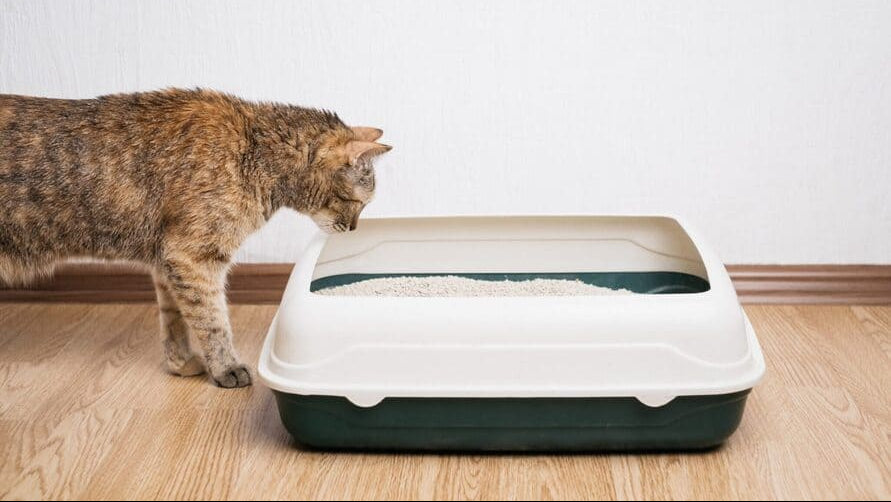
Place a clean, low-entry litter box near the area where your cat rests without blocking food, water, or a quiet escape route. A temporary box in an easy-to-clean room may reduce the distance a cat must travel, but do not isolate a weak or distressed cat without veterinary guidance. Older cats may benefit from the accessibility ideas in this senior cat litter box guide.
Step 3: Ask a Veterinarian About Food, Fluids, and Treatment
Do not start a fixed fasting period, bland-diet recipe, medication, probiotic, fiber supplement, or recovery schedule without veterinary advice. The appropriate approach depends on your cat's age, health history, hydration, symptoms, and the possible cause. Keep fresh water available unless a veterinarian instructs otherwise, and seek advice promptly if your cat refuses food or water.
Step 4: Clean the Accident Safely
Remove solid material with disposable gloves, blot moisture rather than rubbing it deeper into the surface, and use a pet-appropriate cleaner according to its label. Test products on a hidden area first, keep your cat away while the surface is wet, and avoid mixing cleaning chemicals. An enzymatic cleaner may help break down organic residue on compatible surfaces.
Step 5: Observe Without Punishment
Do not scold or punish your cat for an accident. Keep a simple record of stool appearance, frequency, litter box visits, appetite, water intake, and other symptoms to share with your veterinarian. Monitoring can provide useful context, but it cannot determine a diagnosis on its own.
Long-Term Litter Box Support
After a veterinarian has addressed or ruled out an underlying medical issue, review the home setup for barriers that may make litter box use harder.
- Provide enough boxes in separate, accessible locations, especially in multi-cat homes.
- Keep boxes on the floors where your cat spends time and consider a low-entry option for cats with limited mobility.
- Remove waste regularly and clean the box with cat-safe products.
- Make food changes only with an appropriate transition plan discussed with your veterinarian.
- Reintroduce a changed or automatic box gradually instead of expecting immediate acceptance. See the self-cleaning litter box training guide for a step-by-step environmental transition.
Where the Neakasa M1 Plus May Fit After Medical Causes Are Ruled Out
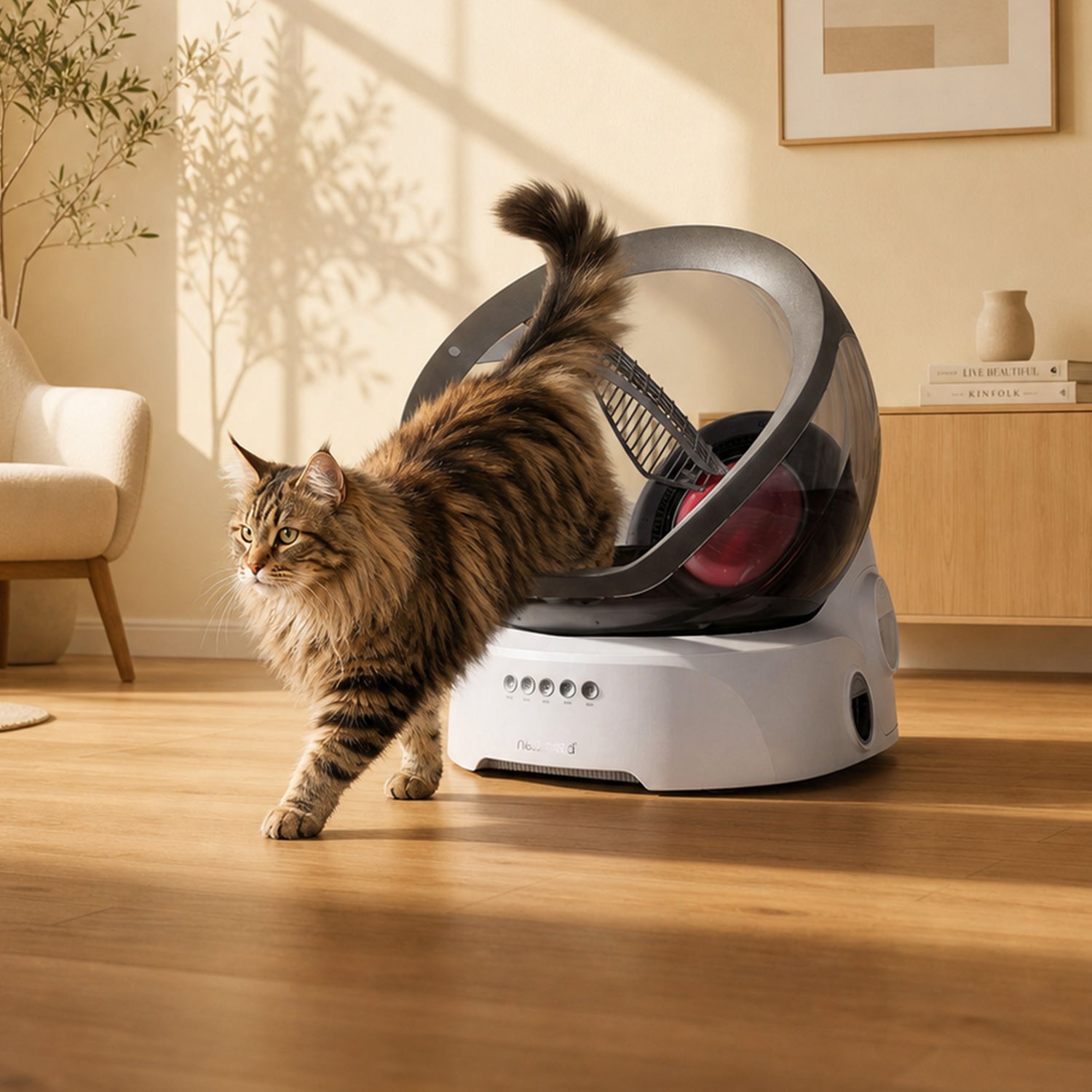
Once a veterinarian has ruled out an underlying medical issue, a cleaner litter box routine may help reduce environmental stress during cleanup. If the household's remaining problem is that waste accumulates too quickly or manual cleaning happens inconsistently, the Neakasa M1 Plus self-cleaning litter box can support more consistent waste removal.
An automatic litter box does not treat diarrhea, correct dehydration, identify the cause of symptoms, or replace veterinary care. Continue observing your cat directly, follow the veterinarian's recommendations, and introduce any new litter box gradually.

- Enhanced sealing stops leaks, even for side-peeing.
- Self-cleaning removes waste without daily scooping.
- Open-top design ensures safety and easy access.
- Spacious interior fits cats, up to 33 lbs.
- Sealed bin locks odors for up to 14 days.
From $379.99
Conclusion
Dealing with cat diarrhea outside the litter box is exhausting, but it is a solvable problem. By understanding the causes—both medical and behavioral—and following these 5 urgent steps, you can reclaim your home.
By combining proper medical care with smart technology like the Neakasa M1 Plus, you provide your cat with the clean, stress-free environment they need to heal. Clean with enzymes, feed a bland diet, and use app tracking to stay ahead of future health issues.


Leave a comment
All comments are moderated before being published.
This site is protected by hCaptcha and the hCaptcha Privacy Policy and Terms of Service apply.