
Seeing white flakes in your cat’s fur? Occasional dandruff is normal, but excessive flaking often signals dry skin, poor diet, allergies, or an underlying health issue.
This guide covers the root causes and simple fixes, including gentle grooming, better hydration, and the best shampoos for cats with dandruff, so your cat can feel comfortable and look healthy again.
Key Takeaways
- Identify the true cause: Flakes are often triggered by dry indoor air, a lack of dietary Omega-3s, or physical grooming limitations.
- Upgrade your brushing routine: Swap traditional brushes for a pet grooming vacuum kit to effectively remove dead skin without sending dander airborne.
- Hydrate from the inside out: Incorporate more wet food and add a high-quality fish oil supplement to restore their skin’s lipid barrier.
- Never use human products: Human shampoos are highly toxic to felines. Always use a vet-approved waterless cat shampoo or a gentle oatmeal-based formula.
Signs and Symptoms of Cat Dandruff
Before you begin any treatment plan, it is important to confirm what you are actually dealing with. Feline dandruff presents itself through a few distinct physical and behavioral signs:
The Telltale White Flakes
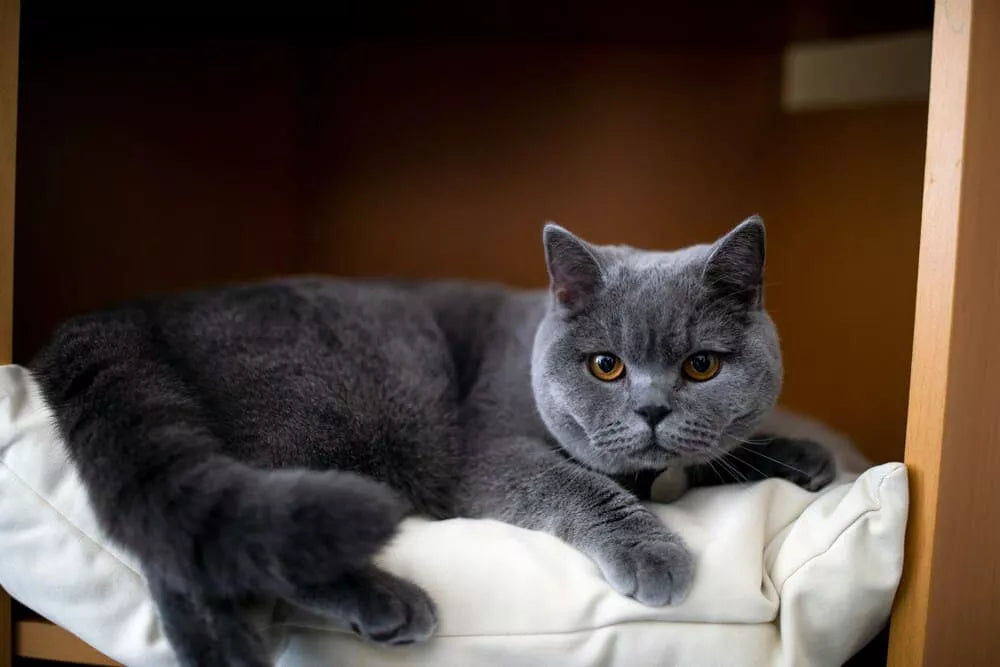
The most obvious symptom is the presence of dry, white, or grayish flakes resting on the surface of the fur.
- Common Locations: You will typically spot these concentrated on the lower back and near the base of the tail, as these areas are notoriously difficult for a cat to reach.
- Visibility: They are much easier to spot lightly resting on top of dark fur, but can be felt as a gritty texture on lighter cats.
A Dull, Unkempt Coat
Healthy cat fur is naturally sleek, smooth, and soft to the touch, thanks to the even distribution of sebum. When a cat develops dandruff, you may notice:
- The coat looking dull and lacking its usual shine.
- The fur feeling brittle or matting easily.
- An ironically greasy texture as the skin overcompensates for the extreme dryness.
Mild Scratching vs. Excessive Itching
It is perfectly normal for your cat to scratch an itch occasionally. However, there is a distinct line between normal grooming and a medical alert. Contact your vet immediately if the flakes are accompanied by:
- Relentless scratching or over-grooming.
- Sudden hair loss or bald patches.
- Red, inflamed skin, or scabs.
Why Does My Cat Have Dandruff? 4 Hidden Causes
Treating the symptom without addressing the root cause will only lead to a frustrating cycle. Here is what might be causing those flakes:
1. Grooming Limitations
Cats are famously fastidious groomers. Their barbed tongues act as natural exfoliators. However, dead skin and loose fur quickly build up into visible dandruff if they cannot properly reach certain areas due to:
- Obesity: Overweight cats simply cannot physically contort themselves to reach their lower back.
- Senior Arthritis: Older cats often experience significant joint pain that prevents them from twisting comfortably.
2. Dietary Deficiencies
Skin health starts in the gut. A flaky, lackluster coat is one of the first indicators of a nutritional gap. Cats are obligate carnivores and require specific nutrients for a robust skin barrier, including:
- High-quality, animal-based fats.
- Essential fatty acids, particularly Omega-3s.
3. Environmental Factors
Just like humans, cats are highly susceptible to “winter skin.” When temperatures drop, central heating systems aggressively strip moisture from the indoor air. This arid environment rapidly dehydrates your cat’s delicate skin, leading to a sudden outbreak of flakes.
4. Medical Issues
Sometimes, what looks like ordinary dandruff is actually a medical condition that requires professional veterinary care. Common culprits include:
- “Walking Dandruff”: A highly contagious mite known as Cheyletiella.
- Fungal Infections: Issues like ringworm.
- Systemic Conditions: Environmental allergies or metabolic issues such as hyperthyroidism.
How to Get Rid of Cat Dandruff: A 4-Step Action Plan
Once your veterinarian has ruled out serious medical issues or parasites, you can confidently tackle the problem at home.
Step 1: Upgrade Your Grooming Routine
Daily brushing is non-negotiable, as it stimulates blood flow and mechanically distributes natural oils. However, traditional slicker brushes often kick dander, dust, and loose hair directly into the air, settling on your furniture and triggering human allergies.
The Modern Solution: Highly consider upgrading to a pet grooming vacuum kit. These innovative devices combine a deshedding tool with gentle vacuum suction.
- Mess-Free: It instantly captures dead skin and dander directly into a sealed dustbin.
- Stress-Free: It provides a highly efficient way to physically remove dandruff while keeping your home’s air clean and allergen-free.
Step 2: Spot Clean with Vet-Approved Solutions
If your cat’s coat feels incredibly heavy with flakes and grease, gentle physical cleaning is your next step.
- Begin by wiping them down with a warm, slightly damp microfiber towel following the grain of their fur.
- If the flakes are stubborn, utilize a safe, feline-specific waterless shampoo (detailed in the safety guide below) to dissolve the excess oils without causing a panic response.
Step 3: Fix Dietary Deficiencies
You can drastically improve your cat’s coat from the inside out by tweaking their daily meals.
- Introduce a feline-safe Omega-3 supplement, such as pure wild Alaskan salmon oil.
- Start with a small pump mixed into their food to let their digestive system adjust.
- Within 4 to 6 weeks, the essential fatty acids will repair the lipid barrier, resulting in a shinier coat.
Step 4: Boost Indoor Hydration & Humidity
Cats have a naturally low thirst drive. To combat dehydration and dry indoor heating:
- Switch a significant portion of their daily kibble to high-quality wet food.
- Run a pet-safe, cool-mist humidifier in the room where your cat spends the most time sleeping.
What Shampoo is Safe for Cats? The Ultimate Safety Guide
When diligent brushing isn’t quite enough, you might need to resort to a wash. But what shampoo is safe for cats? Feline skin is incredibly delicate, possessing a completely different pH level than human skin. Furthermore, cats will inevitably lick and ingest whatever residue is left on their fur.
Toxic Ingredients to Avoid
Never attempt a DIY bath with products from your own shower. The following ingredients are highly dangerous to felines:
| Toxic Ingredient | Why It’s Dangerous for Cats | Common Source |
|---|---|---|
| Zinc Pyrithione | Highly toxic; causes severe gastrointestinal issues and lethargy. | Human dandruff shampoos (e.g., Head & Shoulders) |
| Essential Oils | Cats lack liver enzymes to process tea tree, citrus, and eucalyptus, leading to fatal toxicity. | “Natural” or dog-specific flea shampoos |
| Coal Tar | Extremely toxic and potentially fatal to felines. | Heavy-duty human medicated shampoos |
| Sulfates (SLS) | Aggressively strips the skin’s natural lipid layer, making dandruff significantly worse. | Cheap, low-tier pet grooming products |
Best Shampoos for Cats with Dandruff in 2026
If you are looking for the best shampoo for cats with dandruff, make your choice based on your cat’s tolerance to water:
1. Best Overall & Stress-Free: Top Waterless/Dry Shampoos
For 90% of cats, being submerged in water induces pure panic. Waterless foaming shampoos are the ultimate solution.
- How to Use: Massage the foam deeply into their dry fur (paying special attention to the flaky areas), and wipe away the excess with a dry towel.
- What to Look For: Hypoallergenic formulas containing soothing ingredients like aloe vera or chamomile to calm itchy skin.
2. Best for Traditional Baths: Oatmeal & Aloe Cat Shampoos
If you are blessed with a rare cat that tolerates water (like a Maine Coon), a traditional bath can help remove heavy grease.
- Why it Works: Colloidal oatmeal is scientifically proven to lock in moisture, reduce skin inflammation, and repair the damaged skin barrier.
- What to Look For: Hypoallergenic, soap-free, and specifically pH-balanced for felines.
3. Best Medicated (Vet-Recommended): Antifungal/Antibacterial
Over-the-counter products will not suffice if the dandruff is accompanied by a foul odor or weeping sores.
- When to Use: Strictly used to treat underlying bacterial infections or yeast overgrowth.
- Key Ingredients: Prescribed by a vet, usually containing active ingredients like chlorhexidine or miconazole.
FAQs
Q1: Can I use human dandruff shampoo on my cat?
Absolutely not. Human shampoos contain ingredients like zinc pyrithione that are fatally toxic to felines. They also have the wrong pH balance and will severely damage your cat’s delicate skin barrier.
Q2: How often should I bathe a cat with dandruff?
Rarely. Frequent bathing strips natural skin oils, which actually makes dandruff worse. Stick to daily brushing with a pet grooming vacuum, and only use a feline-safe waterless shampoo for occasional spot-cleaning.
Q3: Does coconut oil help with cat dandruff?
Yes, but fish oil is better. You can rub a tiny amount on dry patches, but adding Omega-3s to their diet is much more effective for skin health. Too much topical coconut oil just leaves the coat greasy and traps dirt.
Conclusion
Figuring out what to do about cat dandruff doesn’t have to be a stressful ordeal. By taking the time to rule out medical issues, you can implement a highly effective home care routine. Upgrading your grooming arsenal to include mess-free vacuum tools, enriching their diet with Omega-3s, and keeping a high-quality waterless shampoo on hand will help you clear up those flakes rapidly.
Ready to banish the white flakes and restore that beautiful coat? Start by adding a few drops of salmon oil to their dinner tonight and treat them to a gentle, stress-free brushing session!


Leave a comment
All comments are moderated before being published.
This site is protected by hCaptcha and the hCaptcha Privacy Policy and Terms of Service apply.