
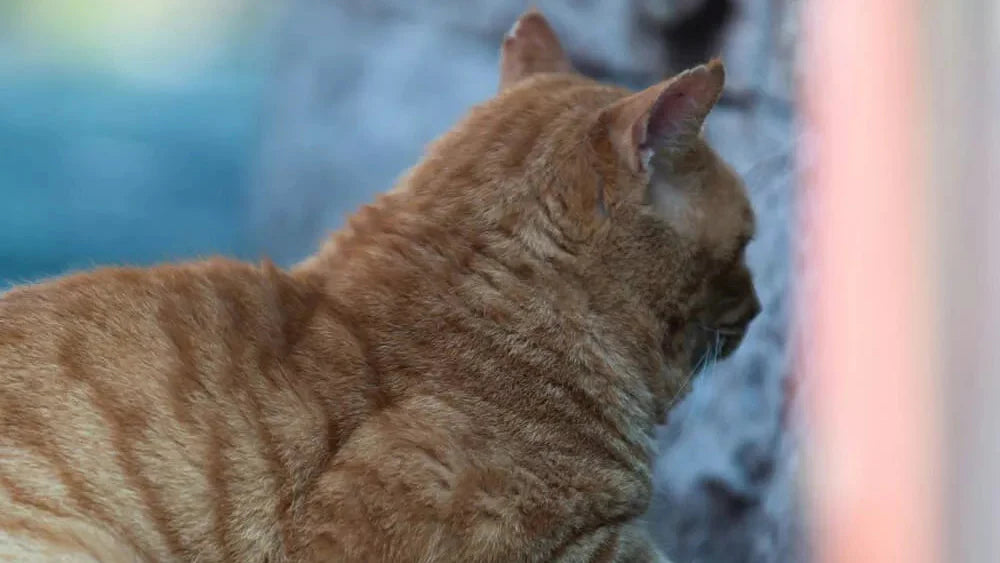
Did you know that cats dedicate up to 50% of their waking hours to grooming? Because of this meticulous habit, a cat’s fur functions as a highly sensitive barometer of their overall health.
If your cat’s normally soft coat has become dull, greasy, or matted, it is not just a cosmetic issue. It could actually be a cry for help. Let’s explore what these indicators mean and how to fix them.
- Fur Mirrors Health: Dull or greasy coats often point to nutritional gaps, illness, or stress.
- Diet is Crucial: High-quality protein and Omega fatty acids are the foundation of a shiny coat.
- Grooming Matters: Regular brushing distributes natural oils and prevents painful mats.
- Monitor Seniors: Aging cats often stop grooming due to arthritis and need your help.
The Anatomy of a Healthy Feline Coat
To recognize when something is wrong, we first need to understand what “right” looks like. Feline fur is remarkably dense, with some breeds boasting up to 130,000 hairs per square inch, and it operates as a complex, protective two-tier system.
- The Topcoat (Guard Hairs): Longer, coarser outer hairs that protect against rain, dirt, and UV rays, and determine the cat’s color.
- The Undercoat (Down Hairs): Short, dense, and incredibly soft fur closest to the skin that provides vital insulation.
7 Fur Warning Signs You Shouldn’t Ignore
Even with rigorous grooming routines, cats cannot hide internal health struggles from their fur. Because a cat’s hair is made up of roughly 95% protein, changes in coat and skin appearance are often the very first physical symptoms owners notice.
Here is a quick-reference guide to common fur issues and their most likely underlying causes:
| Warning Sign | What It Looks Like | Common Underlying Causes |
|---|---|---|
| 1. Dull & Dry | Fur feels coarse and lacks its natural glossy shine. | Poor nutrition; lack of Omega-3/Omega-6 fatty acids. |
| 2. Flaky Skin | A heavy “snowstorm” of white flakes in the fur. | Dry environment; obesity (can’t reach to groom); “walking dandruff” mites. |
| 3. Greasy/Spiky | Fur separates into oily clumps or “spikes.” | Senior cats: Arthritis, dental disease, or hyperthyroidism stopping them from grooming. |
| 4. Severe Matting | Hard clumps of trapped, dead undercoat close to the skin. | Lack of brushing during shedding season; obesity. |
| 5. Bald Patches | Unexplained hair loss (alopecia) or completely bare spots. | Fungal infections (ringworm); external parasites (fleas); allergies. |
| 6. Color Changes | Solid black fur suddenly turning a rusty, reddish-brown. | Sun exposure; deficiency in the amino acid tyrosine or copper. |
| 7. Over-Grooming | Stubbly, chewed-off fur on the belly or inner thighs. | Extreme stress/anxiety; intense itching from flea allergy dermatitis. |
How to Restore Your Cat’s Coat Health
The good news is that once a vet rules out serious medical issues, most coat problems can be resolved with targeted, simple lifestyle changes.
Internal: Diet, Hydration, and Omega Fatty Acids
A cat’s skin is their largest organ, and maintaining it alongside hair growth can consume up to 30% of their daily protein intake.
- Prioritize Animal Protein: Ensure their primary diet is rich in high-quality, animal-based proteins.
- Supplement Omega Fatty Acids: Add high-quality fish oil to their food to reduce inflammation and boost shine.
- Increase Hydration: Add wet food or a pet water fountain to keep their skin hydrated.
External: The Importance of a Consistent Grooming Routine
You cannot rely solely on your cat’s rough tongue to do all the work, especially for indoor cats that don’t experience natural weather friction.
- Brush Consistently: A consistent grooming routine removes dead skin, prevents mats, and stimulates blood flow.
- Use Smart Tools (e.g., Neakasa): For heavy shedders, pet grooming vacuums gently bypass the topcoat to painlessly remove loose undercoat hair while sucking away the mess and massaging the skin.
Stimulating Skin Health with Neakasa
This is where a specialized tool like Neakasa P2 truly shines. By combining a gentle deshedding brush with instant suction, it captures flying fur and dander before it ever hits your furniture.
More importantly, the gentle pull of the vacuum acts as a soothing massage that boosts blood circulation to the skin, encouraging stronger hair follicles and a naturally radiant coat without the mess.

- 5 advanced tools manage heavy shedding.
- Deep suction tackles thick undercoats.
- 2L capacity fits multi-pet households.
- Quiet 52dB fan keeps your pet calm.
- Adjustable suction adapts to any grooming needs.
From $84.99
FAQs
Q1. Why does my older cat’s fur look spiky?
A1. Senior cats often suffer from osteoarthritis or dental pain, making grooming too painful. This allows natural skin oils to build up and clump the fur into spikes.
Q2. Does shedding season change coat texture?
A2. Yes. Cats “blow” their thick winter undercoats in the spring. Without extra brushing, this loose fur gets trapped and makes the coat look coarse and messy.
Q3. Should I bathe my cat for better fur?
A3. Usually, no. Bathing strips natural oils and causes dry skin. Only bathe your cat if they are covered in something toxic, need a medicated bath for a skin condition, or are too arthritic/obese to clean their own hindquarters.
Conclusion
Ultimately, your cat’s coat is a visible health record. By paying close attention to their fur, feeding a nutrient-rich diet, and maintaining a solid brushing routine, you can ensure they stay healthy and comfortable.
Always consult your vet if you notice sudden, drastic changes to rule out underlying illness.


Leave a comment
All comments are moderated before being published.
This site is protected by hCaptcha and the hCaptcha Privacy Policy and Terms of Service apply.