



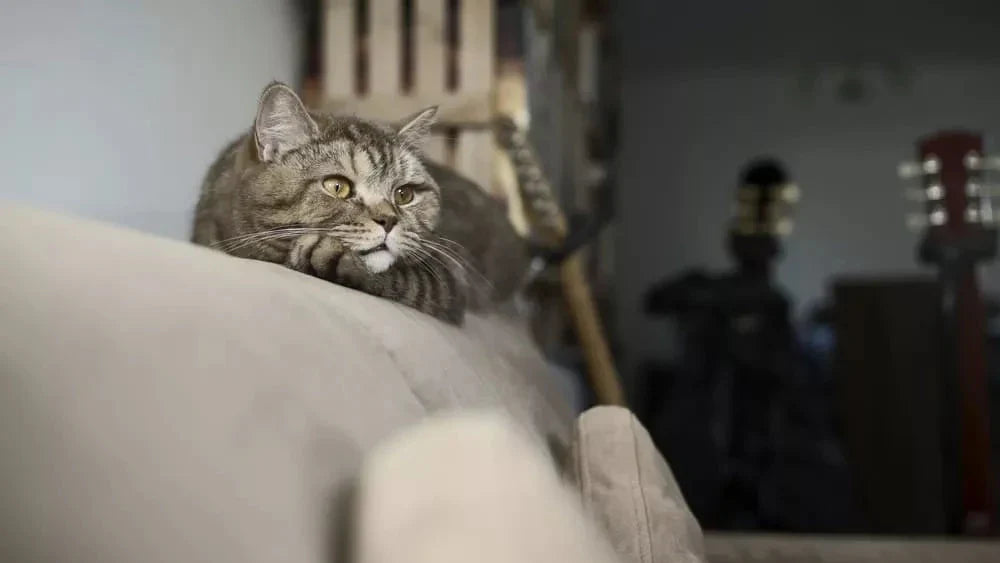
Seeing your beloved feline curled up under the bed or deep in a closet often triggers immediate worry. However, hiding is an incredibly common feline behavior, though the reasons behind it vary widely.
Understanding the causes of cat hiding behavior is the crucial first step to comforting a scared cat and creating a stress-free home. Let’s decode the top 6 triggers and explore actionable solutions to help your furry friend feel safe again.
- Hiding is Instinctual: Moderate hiding is a natural coping mechanism for stress and a form of self-protection.
- Watch for Sudden Changes: If an ordinarily social cat suddenly disappears for long periods, it could be a medical red flag.
- Environment and Noise are Major Triggers: Moving, unfamiliar guests, and loud appliances like vacuums are common sources of feline anxiety.
- Patience is Mandatory: Never force a cat out of its hiding spot; instead, coax them out by building a sense of security.
Is It Normal for Cats to Hide? (Instincts vs. Warning Signs)
For felines, retreating to a concealed space allows them to safely observe their environment, stalk prey, and evade potential predators. Therefore, some degree of hiding is normal. But how do we differentiate between a healthy instinct and a warning sign?
| ✅ Instincts | ❌ Warning Signs |
|---|---|
| Adjusting to a New Environment: Taking a few days to decompress after moving or being adopted. | Sudden Behavioral Shift: A normally clingy cat disappearing for days at a time. |
| Seeking Peaceful Sleep: Napping on top of a wardrobe or in a quiet, dark corner during the day. | Accompanying Physical Symptoms: Hiding paired with a refusal to eat, vomiting, lethargy, or lack of grooming. |
| Brief Startle Response: Spooked by a slammed door, but returning to normal within a few minutes. | Uncharacteristic Aggression: Hissing, growling, or swatting when approached in their hiding spot. |
6 Primary Causes of Cat Hiding Behavior
Understanding why your cat is hiding is the key to resolving the issue. Here are the six most common culprits:
1. Underlying Illness or Physical Pain
Cats are masters at masking pain. In the wild, showing weakness invites danger. When they are suffering from a medical issue (such as a UTI, arthritis, or dental pain), their instinct is to find a dark, quiet place to endure it alone.
2. Environmental Changes and Stress
Felines are highly sensitive to their surroundings. Whether you’ve moved to a new house, rearranged the living room furniture, or moved the litter box to a different corner, these seemingly minor changes can cause immense stress, prompting your cat to hide.
3. Unfamiliar Guests or New Pets
Cats are highly territorial. Loud visitors, crying babies, or the introduction of a new dog or cat can feel like a direct threat. Retreating to a hidden area is their most straightforward defense mechanism against perceived intruders.
4. Separation Anxiety and Routine Disruptions
Cats thrive on predictability. If your work schedule suddenly shifts or you leave for an extended trip, your cat may hide as a response to separation anxiety and the disruption of their daily routine.
5. Lack of a Designated “Safe Zone.”
If your home is very open, or if you have energetic children who frequently chase the cat, your pet might lack a dedicated, uninterrupted territory. Without a proper sanctuary, they are forced to use the space under the bed or behind the sofa as a makeshift haven.
6. Loud Household Noises and Appliance Triggers
With incredibly sharp hearing, cats are easily terrified by loud noises. Thunderstorms, fireworks, and even everyday appliances like traditional vacuum cleaners and hair dryers produce high-decibel motor sounds that can send a cat running for cover in pure panic.
When to See a Vet: Red Flag Symptoms
If any of the following symptoms accompany your cat’s hiding behavior, please get in touch with your veterinarian immediately, as it likely points to a serious health issue:
- Refusing food or water for more than 24 hours
- Vomiting, diarrhea, or straining in the litter box (frequent visits with no output)
- Noticeable lethargy, heavy panting, or labored breathing
- Unsteady gait or crying out when specific body parts are touched
How to Coax a Hiding Cat Out (And What NOT to Do)
When a cat is hiding out of fear, how you react dictates whether they will relax or become even more terrified.
| ✅ DO | ❌ DON'T |
|---|---|
| Keep it Quiet: Sit nearby and speak to them in a soft, low, and soothing voice. | Drag Them Out: Never reach in and pull a cat out by force; this causes extreme panic and increases the risk of injury. |
| Use High-Value Bait: Place their favorite smelly wet food or treats just outside the hiding spot. | Make Loud Noises: Avoid shouting their name or creating a commotion near their sanctuary. |
| Give Them Space: If they refuse to come out, leave food, water, and a litter box nearby and walk away. | Block Their Exit: Do not trap them or block their only escape route when they are already afraid. |
Creating a Zero-Stress Environment for Your Cat
To minimize unnecessary hiding, prevention is better than a cure. By optimizing your home environment, you can drastically boost your cat’s confidence.
Build Vertical Safe Spaces and Cat Caves
Cats naturally feel safer when they can observe their territory from a high vantage point.
- Increase Vertical Territory: Install cat trees, wall-mounted shelves, or simply clear off the top shelf of a bookcase for them to lounge on.
- Provide Cat Caves: Buy or make semi-enclosed beds (even a simple cardboard box works!) and place them in quiet corners to give your cat a “legal” and comfortable place to hide.
Eliminate Noise Anxiety with the Neakasa Pet Grooming Vacuum
Traditional vacuums and pet dryers are notorious for triggering noise anxiety. To solve this, consider upgrading your pet care tools.
The Neakasa Pet Grooming Vacuum is designed specifically for sound-sensitive pets, using noise-reduction technology to minimize operational noise. This not only makes cleaning up pet hair effortless but also prevents the high-decibel panic that sends your cat running, turning grooming time into a peaceful experience.

- 5 advanced tools manage heavy shedding.
- Deep suction tackles thick undercoats.
- 2L capacity fits multi-pet households.
- Quiet 52dB fan keeps your pet calm.
- Adjustable suction adapts to any grooming needs.
From $84.99
FAQs
Q1. How long is it normal for a new cat to hide?
A1. For a newly adopted kitten or adult cat, hiding for 2 days to a full week is entirely normal. Some timid cats may take several weeks to acclimate fully. The key is to keep them in a quiet “base camp” room with all their essentials and let them explore at their own pace.
Q2. Should I block my cat’s hiding spots?
A2. No, this is not recommended. Stripping away a frightened cat’s sanctuary will only escalate their panic. Instead, offer better, more appealing hiding spots (such as cozy cat caves or high perches) and use positive reinforcement (treats) to encourage them to choose those areas over undesirable ones gradually.
Conclusion
Decoding cat hiding behavior requires careful observation and considerable empathy. Whether triggered by physical discomfort, environmental stress, or a fear of loud noises, hiding is your cat’s way of asking for help.
By ruling out medical issues, respecting their boundaries, and using pet-friendly solutions like the Neakasa vacuum to lower environmental stressors, you can help your furry friend rebuild their confidence and return to being the happy, relaxed cat you know and love.


Leave a comment
All comments are moderated before being published.
This site is protected by hCaptcha and the hCaptcha Privacy Policy and Terms of Service apply.