

You know the sound: the rigorous scratching of plastic, followed by the scattering noise of granules hitting your floor. It’s the "indoor sandstorm."
While stepping on stray litter barefoot is a universal annoyance, the behavior itself is rarely done out of spite. It is usually a mismatch between a cat’s powerful biology and their bathroom setup.
This guide explores the wild instincts behind why your cat is kicking litter out of the box and how to contain the mess using smart hardware like the M1 Plus and simple maintenance hacks.
- Root Cause: Digging is a survival instinct to mask scents from predators.
- Mess: Usually caused by a box that is too small, too dirty, or overfilled.
- Fix: Use a high-sided litter box (8–12" walls) and maintain a 2-inch litter depth to prevent the "ball pit" effect.
Why Is My Cat Kicking Litter Out of Box? (The Behavior Decoded)
Before you buy a new mat or change your litter brand, you need to understand the motivation behind the excavation. It isn't just "being messy"; it is a survival tactic.
1. Cat Digging Aggressively to Mask Scent
This is the most critical driver. In the wild, a cat occupies a unique position in the food chain: they are both predators and prey.
- The Danger of Scent: Leaving waste exposed is a beacon to larger predators (like coyotes) and a warning to potential prey (like mice).
- The Survival Drive: If your cat is digging aggressively, they are biologically programmed to mask the scent entirely. If they feel the scent is still detectable, they will fling substrate in every direction to ensure their "invisibility."
2. Small Box Sizes Causing Litter Scattering
If a cat has to contort their body to fit inside, they lose control over where the litter goes.
- The Pivot Problem: To find a clean spot, a cat will spin around. In a small box, this spinning motion naturally pushes litter up and over the shallow rim.
- The Size Rule: Ideally, a litter box should be 1.5 times the length of your cat (from nose to base of tail). If the box is too small, cat kicking litter out of the box becomes an unavoidable physics problem.
3. Dirty Litter Triggers Excessive Kicking
Cats are fastidious cleaners. If the box is already full of clumps, they will dig frantically to find the one remaining patch of clean litter. The more they have to dig to find "virgin ground," the more litter ends up on your floor.
How to Stop Cat Tracking Litter: Hardware Fixes
Sometimes, training isn't the answer—changing the physical environment is. If your cat is a "high-kicker," standard trays simply won't work.
1. The High-Sided Litter Box Advantage
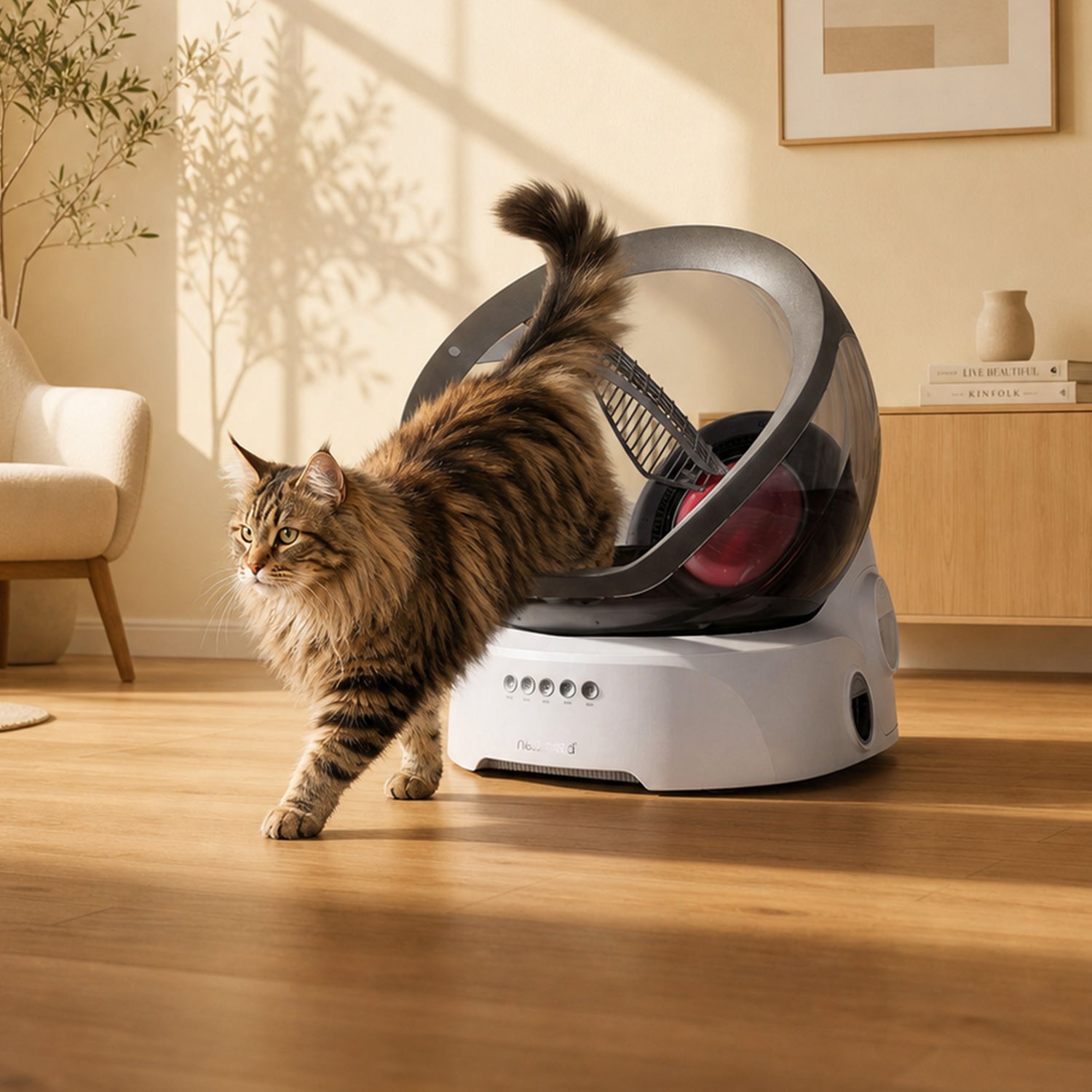
The most immediate fix is verticality. A standard litter pan has rims about 3–5 inches high. To stop the mess, you need a high-sided litter box with walls at least 8–12 inches high.
- Why it works: It acts as a shield. The cat can dig as enthusiastically as they want, but the litter hits the wall and slides back down rather than flying onto the carpet.
- The M1 Plus Solution: The M1 Plus Self-Cleaning Litter Box features high, enclosed walls designed specifically to contain scatter, while the automatic cleaning cycle ensures the cat never has to dig frantically for a clean spot.
2. Top Entry Litter Box: Pros and Cons for Kickers
Top-entry boxes are excellent for containment but have drawbacks. Experts at The Spruce Pets note that while they stop dogs from "snacking," they aren't ideal for every cat.
| Feature | Pros | Cons |
|---|---|---|
| Containment | Excellent. 4-sided walls prevent almost all kicking. | Can trap odors inside if not cleaned daily. |
| Tracking | Good. Textured lids catch litter from paws. | Not 100% effective for long-haired cats. |
| Accessibility | Keeps dogs and toddlers out effectively. | Bad for Senior Cats: Jumping is painful for arthritis. |
3. DIY Solutions to Keep Litter in the Box
If you need a solution today and can't wait for shipping:
- Buy a large, high-sided plastic storage tote (transparent is best).
- Cut a U-shaped entry hole on one side (sand the edges).
- Place your existing litter box inside this tote.
- The tote catches 99% of the kick-out.
Litter Maintenance Hacks to Prevent Mess
Small tweaks to how you maintain the box can drastically reduce the spread of granules without costing a dime.
1. Adjusting Litter Depth to Reduce Kicking
Many owners overfill the box, creating a "ball pit" effect.
- Too Deep (3+ inches): As the cat steps in, they sink. When they jump out, the displacement sends litter flying.
- The Sweet Spot: Maintain a depth of 2 inches. This is enough to form a clump but shallow enough to provide firm footing, reducing the need for aggressive digging.
2. Heavy vs. Light Litter: Which Tracks Less?
Physics plays a role here. Lightweight litter (corn, wheat, grass) is great for the environment but terrible for tracking because it has low mass.
- The Fix: Switch to a heavier, standard clay clumping litter or a mixed-grain formula. Heavier granules require more force to kick out of the box.
FAQs
Q1: Why does my cat run out of the litter box like a maniac?
This is often called "poop euphoria" or the "zoomies." However, if they bolt immediately, it might mean they are trying to escape a smelly box. A self-cleaning unit helps reduce this "fleeing" instinct.
Q2: Will a covered litter box stop the smell better?
Not necessarily. While it traps the smell inside (saving your nose), it concentrates ammonia for the cat, which can actually make cat digging aggressively worse as they try to bury the smell deeper.
Q3: Does declawing affect how a cat digs?
Yes. Declawed cats often experience chronic pain. They may refuse to dig in hard clay litter because it hurts, leading them to kick litter out as they try to balance awkwardly on the rim to avoid stepping on the granules.
Conclusion
Stopping the "sandstorm" doesn't require suppressing your cat's natural instincts. It requires the right setup. By understanding that cat kicking litter out of the box is often a scent-masking survival mechanism, you can stop blaming the cat and start upgrading the box.
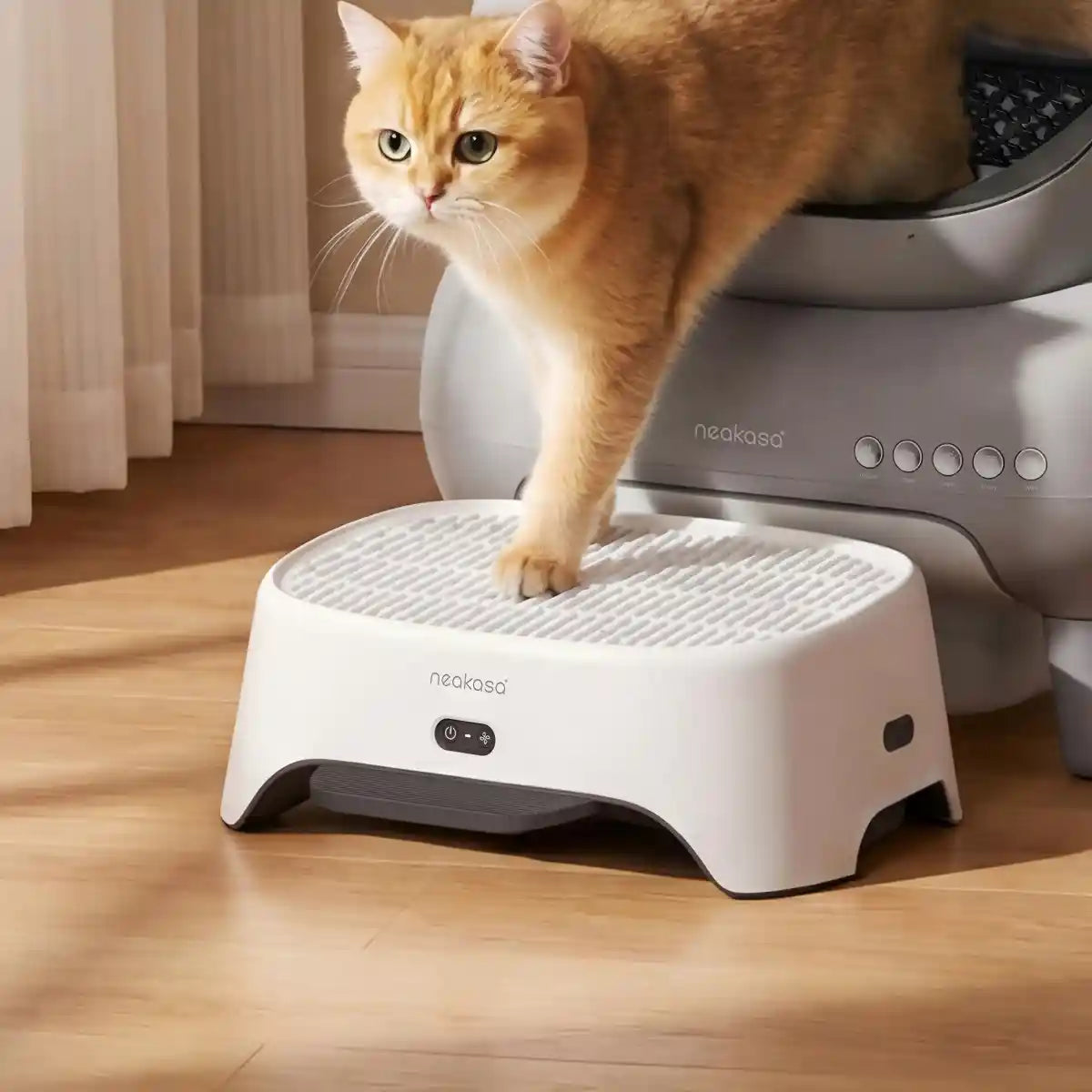
Whether you switch to heavier litter, add a honeycomb mat, or invest in a high-sided litter box, the goal is the same: let them dig, but keep the dirt contained.


Leave a comment
All comments are moderated before being published.
This site is protected by hCaptcha and the hCaptcha Privacy Policy and Terms of Service apply.