
For a 1-pound kitten, an adult-sized litter box isn't just a bathroom; it’s Mount Everest. Many accidents happen simply because the hardware is too high for their short legs.
This guide covers specific ergonomic needs and helps you choose the best kitten litter box to guarantee training success from Day 1—and exactly when to upgrade.
- Problem: Standard litter boxes (5–7" high) are physically inaccessible to 8-week-old kittens with 3–4" leg height.
- Core Need: A low-entry (≤3"), open-top, compact pan with shallow litter (1–1.5") for safe, stress-free toileting.
- Avoid: Covered boxes (cause fear/ammonia buildup) and automatic boxes (unsafe for light-weight kittens).
- Litter Safety: Use non-clumping, digestible litter (paper/wood/corn) until 4 months—never clumping clay.
- LTV Roadmap: Start with a disposable tray → transition to the open-top litter box at 6 months (5+ lbs) for seamless self-cleaning adoption.
The "3-Inch Leg" Reality: Why Standard Boxes Fail
To pick the right tool, you first have to understand the user. A kitten's physical limitations dictate exactly what kind of box they can—and cannot—use comfortably.
1. The Height Barrier: Short Legs vs. High Rims
An average 8-week-old kitten has legs only 3 to 4 inches long. According to PetMD’s guide on kitten development, their coordination is still a work in progress at this stage.
- The Adult Box Problem: Standard litter boxes often have rims that are 5–7 inches high.
- The Result: To enter, a kitten has to "belly drag" or jump. If their bladder is full, this physical exertion can be uncomfortable or discouraging, leading to accidents right outside the box.
2. The "Urgency Gap": Tiny Bladders Can't Wait
Unlike adult cats, who can hold it, kittens have tiny bladders and very little control. The time between "I need to go" and "It's happening" is often seconds.
- The Solution: The best kitten litter box must be accessible instantly. No doors to push, no stairs to climb, and no high walls to scale.
Key Features to Look For in a Kitten Litter Box
Navigating the pet store aisle can be confusing. When shopping for a baby cat, forget about "maximum capacity" and focus on "maximum accessibility" using this checklist.
1. Low Entry Height (The #1 Requirement)
First and foremost, accessibility is key. You must look for a box specifically labeled as "Low Entry" or "Junior."
- The Sweet Spot: The entry lip should be 2 to 3 inches high max.
- Design Tip: A U-shaped cutout on one side is ideal, as it allows the kitten to walk in without jumping.
2. Open Design (Zero Barriers)
Beyond height, the shape of the box matters immensely for a timid kitten. While you might want to hide the mess with a hood, a covered box can be terrifying.
- Visibility: Kittens are instinctively vulnerable while toileting. They need a 360-degree view to feel safe from "predators" (or the family dog).
- Odor Safety: Hooded boxes trap ammonia. As noted by VCA Animal Hospitals, a kitten's respiratory system is delicate; breathing concentrated fumes can lead to health issues.
3. Compact Size and Shallow Depth
While you might be tempted to buy a "forever" box right away, size matters for different reasons now. A massive box can be overwhelming.
- The "Goldilocks" Zone: You want a box small enough to fit in a training crate or small bathroom, but large enough for them to turn around (approx. 10x14 inches).
- Shallow Litter: The pan should hold about 1–1.5 inches of litter. Deep litter makes it hard for weak kitten legs to balance, like walking in deep snow.
Top Types of Litter Boxes: A Simple Roadmap
Forget expensive gadgets for now. Your kitten needs a specific tool for a specific stage.
1. The Starter Phase (0–6 Months): Simple & Shallow
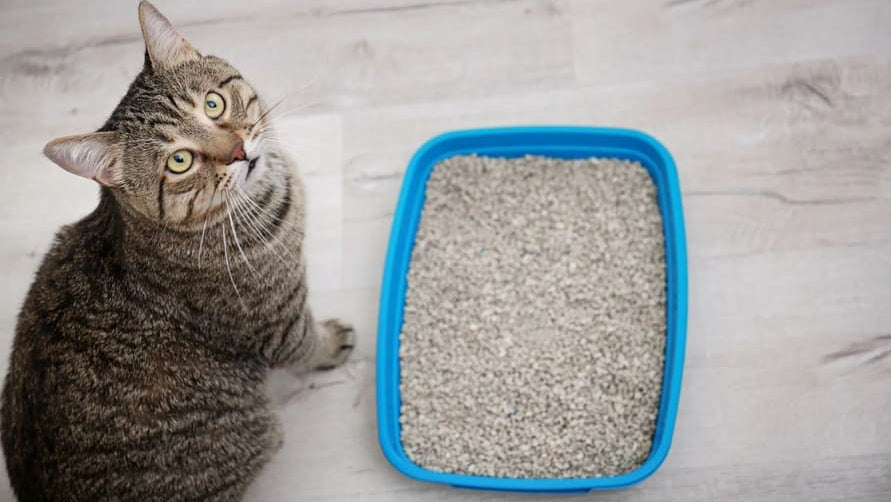
- Disposable Paper Trays: Perfect for the messy first weeks. Low walls, lightweight, and you can toss the whole thing when it gets gross.
- Basic Plastic Pans: A sustainable option. Look for "Junior" pans with a low entry. Keep this as a backup or travel box later.
2. The Upgrade Phase (6 Months+): Neakasa M1 Plus
- Why Wait? Automatic sensors rely on weight. Kittens under 5 lbs are too light to trigger safety stops, making them dangerous.
- The Smart Transition: Once your cat hits 6 months, their waste smell increases, and they are heavy enough for safety sensors. This is when you upgrade.
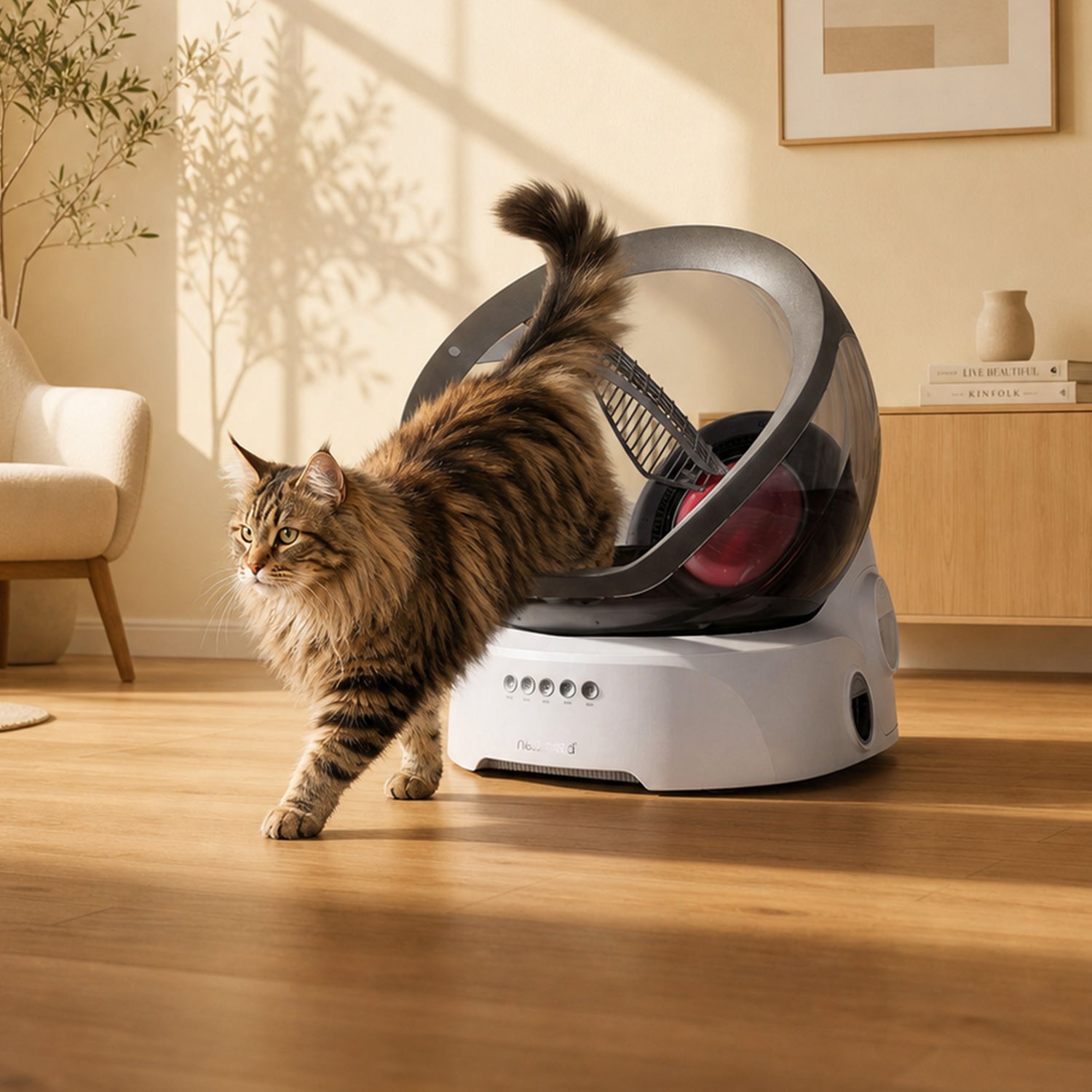
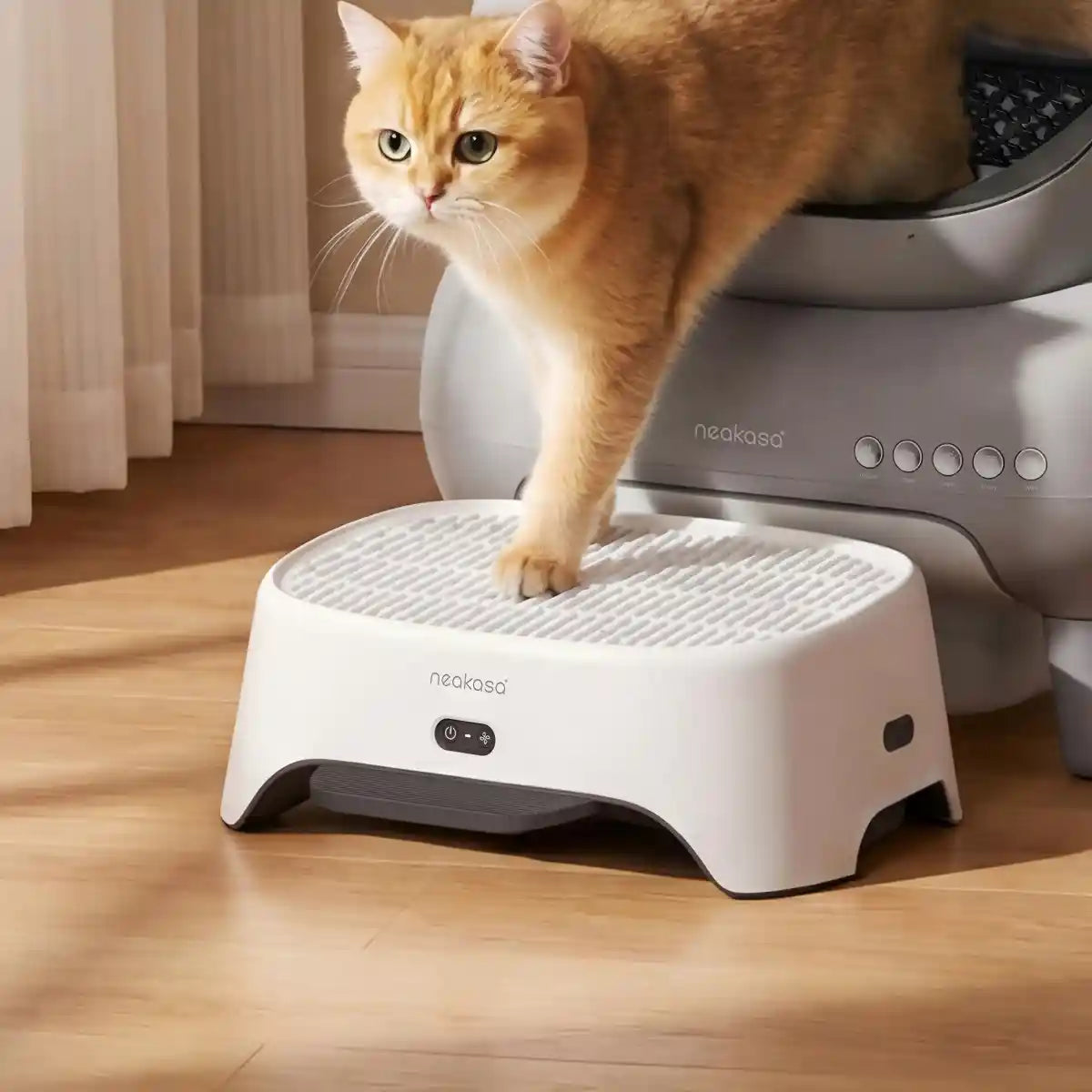
- Why M1 Plus? Most cats reject enclosed "robot caves" after using open trays. The Neakasa M1 Plus has an Open-Top design that mimics the freedom of their childhood tray, ensuring a zero-stress transition to self-cleaning life.

- Enhanced sealing stops leaks, even for side-peeing.
- Self-cleaning removes waste without daily scooping.
- Open-top design ensures safety and easy access.
- Spacious interior fits cats, up to 33 lbs.
- Sealed bin locks odors for up to 14 days.
Kitten Litter Training Success Tips
Buying the box is step one; teaching them how to use it is step two. Here is how to set your kitten up for success.
1. Strategic Box Placement
- The Rule of Proximity: Keep the box in the room where the kitten spends the most time.
- Avoid the "Food Zone": Never place the litter training box next to their food and water bowls. Their instinct to avoid contaminating their food is strong.
2. Choosing the Right Litter (Safety First)
- The Curiosity Factor: Kittens explore the world with their mouths. They will try to eat the litter.
- The Danger: Clumping litter swells when wet. If swallowed, it can expand in the kitten's stomach, causing a fatal blockage.
- The Fix: Use non-clumping clay, paper pellets, or wood pellets until they stop eating the granules.
FAQs
Q1: At what age can I switch my kitten to the Neakasa M1 Plus?
A1: Wait until your kitten weighs at least 3–5 lbs, typically around 4–6 months old. The M1 Plus uses weight-based sensors—if they’re too light, the safety features may not activate reliably.
Q2: Why is my kitten sleeping in the litter box?
A2: Common in shelter kittens. The box smells like “home” and offers a sense of security.
- Solution: Don’t scold. Provide a cozy alternative nearby (e.g., a cardboard box with a soft blanket) and gently relocate them when napping.
Q3: My kitten eats the litter. What should I do?
A3: This behavior, called pica, is normal during exploration. Immediately switch to a digestible, non-clumping litter (paper, corn, or wood). Avoid all clumping formulas until the habit stops—usually by 4 months.
Conclusion: The "Welcome Home" Checklist
Choosing the best kitten litter box isn't about finding a permanent solution; it's about finding the right tool for this specific developmental stage.
Your Kitten Roadmap
- Months 0-4: Use a simple, low-entry plastic pan or disposable tray. Prioritize easy access.
- Months 4-6: Maintain the open tray but switch to clumping litter as they stop eating the granules.
- Month 6+ (The Graduation): Upgrade to the Neakasa M1 Plus. Its open-top design will feel familiar to your cat, ensuring a zero-stress transition to a self-cleaning life.
Start them small, keep them safe, and the training will follow naturally.

Leave a comment
All comments are moderated before being published.
This site is protected by hCaptcha and the hCaptcha Privacy Policy and Terms of Service apply.