





Found your favorite silk shirt shrunk or ruined after a machine wash? Delicate fabrics like silk, wool, lace, and embellished items often need extra care. While machines are convenient, hand washing remains the gold standard for preventing damage and extending garment life.
This step-by-step guide shows you how to gently hand-wash your precious pieces, keeping them looking new for years.
Why Hand Washing is Still Essential
In an age dominated by fast fashion, hand washing has become a quiet testament to quality. It offers a level of care that even the most advanced 'delicate cycles' simply cannot match:
- Gentle on Structure: With no spinning or agitators, you eliminate the risk of snagging lace or popping seams.
- Softer for Longer: You control the motion, preventing the friction that causes annoying pills on wool and cashmere.
- Brighter Colors: Hand washing makes it easy to stick to cool water, which keeps dyes firmly in place so your clothes don't fade or bleed."
Essential Items Requiring Hand Washing
| Category | Specific Fabrics/Items | Risk Warning |
|---|---|---|
| Protein Fibers | Silk, Wool, Cashmere | Shrinking and felting when exposed to hot water or alkaline detergents. |
| Fine Structures | Lace, Chiffon, Tulle | Snagging and tearing due to machine agitation. |
| Functional Lingerie | Bras, Shapewear, Swimsuits | Underwire deformation; degradation of elastic fibers (Spandex). |
| Embellished Garments | Beaded, Sequined, Embroidered Dresses | Detachment of decorations; damage to the washing machine drum. |
| High-Risk Dyes | Dark Denim, Bright Prints, Tie-Dye | Severe fading and uneven color transfer. |
Preparation Before Handwashing Clothes
Taking a few minutes to prep before your clothes touch the water can be the difference between saving a delicate top and accidentally ruining it. Here’s what you need to do to set yourself up for success:
1. Check the Care Labels
Before doing anything, look for the little "hand-in-water" symbol on the tag. The label is your best guide, but keep these real-world tips in mind:
- Temperature limits: Stick to the maximum water temperature listed. When in doubt, cooler is always safer to prevent shrinking.
- "Dry Clean" vs. "Dry Clean Only": If a tag just says "Dry Clean," you can usually get away with careful hand washing. However, if it says "Dry Clean Only"—especially on structured blazers or coats—leave it to the professionals so the inner lining doesn't get ruined.
2. Sort Smartly (Yes, even for hand washing)
Just like you wouldn't throw a red sock in a white machine wash, you need to separate your hand-wash pile:
- Sort by color: Keep darks away from lights to prevent color bleeding. Brand-new silk or heavily dyed fabrics should always be washed alone the first time.
- Sort by texture: Don't let rougher items (or anything with metal zippers and clasps) soak in the same basin as fragile lace. One wrong move and you've got a snag.
3. Gather the Right Supplies
Having everything within reach makes the process much less messy. First, make sure your sink or basin is completely clean so leftover bathroom cleaners don't accidentally bleach your clothes. Then, grab your tools:
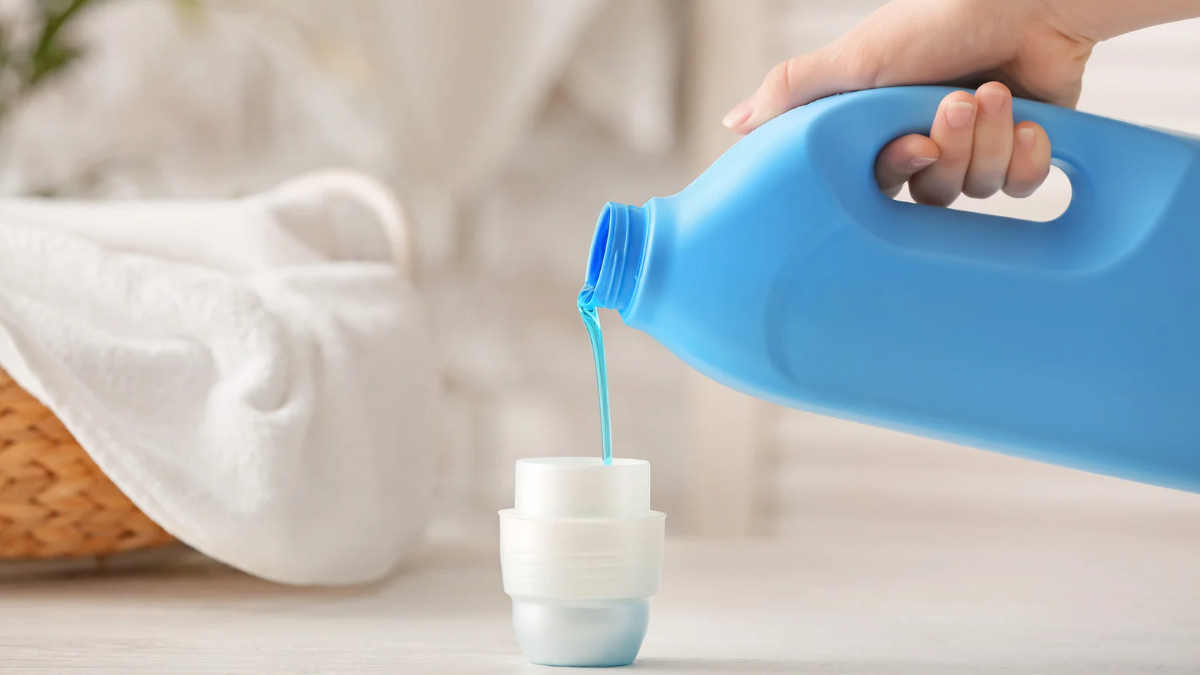
- Gentle detergent: Skip the regular laundry soap; it's usually too harsh. Go for a pH-neutral, delicate wash, wool soap, or even a mild baby shampoo in a pinch.
- Clean, white towels: You'll need thick, dry towels to absorb water later. Stick to white ones so you don't risk any dye transferring onto your wet clothes.
- Drying setup: Have your drying rack ready. If you're washing silk or linen that gets super wrinkly, keep a tool like the Neakasa Magic 1 vacuum steamer nearby to smooth out the fabric while it dries.
Step-by-Step Guide to Hand Washing Like a Pro
Now that you're prepped, it’s time to get your hands wet. Follow these five steps to clean your clothes thoroughly without causing any stress to the fabric.
The Smart Soak
Fill your basin with water first, add a small amount of gentle detergent, and—this is crucial—swish it around until the soap is completely dissolved before adding your clothes. Pouring detergent directly onto delicate dry fabrics can cause spots and discoloration.
Here’s your quick temperature cheat sheet:
- Cold water (60–80°F): Best for silk, wool, cashmere, and anything that might shrink or bleed color.
- Lukewarm water (80–90°F): Great for everyday delicates, synthetics, and lingerie.
- Warm water (90–110°F): Use this for sturdier fabrics like cotton or linen, or heavily soiled items.
Submerge your garments fully and let them soak for about 5 to 10 minutes (or up to 30 minutes if they are particularly dirty).
2. The "Press and Pulse" Wash
Put down the scrub brush! Instead of wringing or twisting the fabric, use the gentle "press and pulse" method.
- Gently press the garment down into the soapy water to push the suds through the fibers.
- For stubborn spots (like makeup on a collar), apply a tiny drop of detergent to your fingertip and lightly dab the area.
3. The Deep Rinse
Drain the soapy water and start fresh with clean, cool water. Gently move the clothes around to release the detergent. You may need to drain and refill the basin 2 or 3 times. You’ll know you’re done when:
- The water runs crystal clear.
- No hidden soap bubbles appear when you press down on the fabric.
- The fabric no longer feels "slimy" or slippery to the touch.
Incomplete rinsing actually leaves soap residue that attracts dirt and makes the fabric feel stiff, so don't rush this step!
4. The Towel Roll Method (Zero Wringing)
We can't say this enough: Never wring or twist delicate fabrics. It stretches the wet fibers and permanently ruins the shape.
- Instead, gently press the garment against the side of the basin to get the heavy water out.
- Then, lay the wet item flat on a dry, clean towel.
- Roll the towel up with the clothes inside (like a burrito) and press down firmly.
The towel will safely absorb most of the excess moisture. If the item is still soaking wet, repeat this with a second dry towel.
5. Safe Drying Techniques
How you dry your clothes is just as important as how you wash them. Always dry items in a well-ventilated area, away from direct sunlight or harsh heat sources that can fade colors.
- Flat drying (For wool, cashmere, and heavy knits): Lay the garment flat on a fresh, dry towel. While it's still damp, gently nudge it back into its original shape and dimensions. Flip it occasionally so it dries evenly.
- Hanging (For cotton, linen, and synthetics): Use thick, padded, or smooth plastic hangers. Never use thin wire hangers, which create weird bumps in the shoulders.
Getting Rid of Wrinkles After Hand Washing
The most frustrating part of hand washing is the aftermath: air-drying often leaves silk and linen feeling stiff, "crunchy," and covered in wrinkles. Using a traditional iron on these delicate fibers is risky and time-consuming.
The Neakasa Magic 1 Garment Steamer is the ultimate shortcut for your delicate clothes care routine. Powered by AirIron™ technology, it smooths wrinkles with gentle steam while its vacuum suction simultaneously pulls away excess moisture to dry the fabric.
- Instant Restoration: Restores the soft drape of silk and wool without heat damage.
- Hygienic Clean: Deep-penetrating steam kills 99.9% of bacteria and dust mites.
- Effortless: One-handed operation gets your clothes ready to wear, 3x faster.
FAQs
Q: Is the machine "delicate cycle" as safe as hand washing?
A: No. Even the gentlest machine cycles rely on agitation, which causes pilling in wool, dulls silk, and snags lace. Hand washing is the only true "zero-agitation" method.
Q: Can I use regular laundry detergent on silk or wool?
A: Avoid it. Regular detergents contain enzymes designed to break down proteins. Since silk and wool are protein fibers, these enzymes will degrade and thin the fabric over time. Always use a pH-neutral, delicate wash.
Q: How do I remove musty smells from clothes without washing them?
A: To avoid over-washing your delicates, use a garment steamer. The Neakasa Magic 1 uses deep-penetrating steam to instantly neutralize odor-causing bacteria and freshen fabrics without needing a full wash cycle.
Q: How do I dry hand-washed clothes without wringing them out?
A: Never wring or twist delicates—it permanently stretches the fibers. Instead, lay the wet garment flat on a dry towel, roll it up, and press down firmly so the towel absorbs the excess water. Then, lay it flat to air dry.
Conclusion
Hand washing takes a few extra minutes, but the results are undeniably worth it. By combining gentle, traditional washing methods with smart modern tools like the Neakasa steamer, you get the absolute best of both worlds: zero fabric damage and instant, ready-to-wear results.

Leave a comment
This site is protected by hCaptcha and the hCaptcha Privacy Policy and Terms of Service apply.