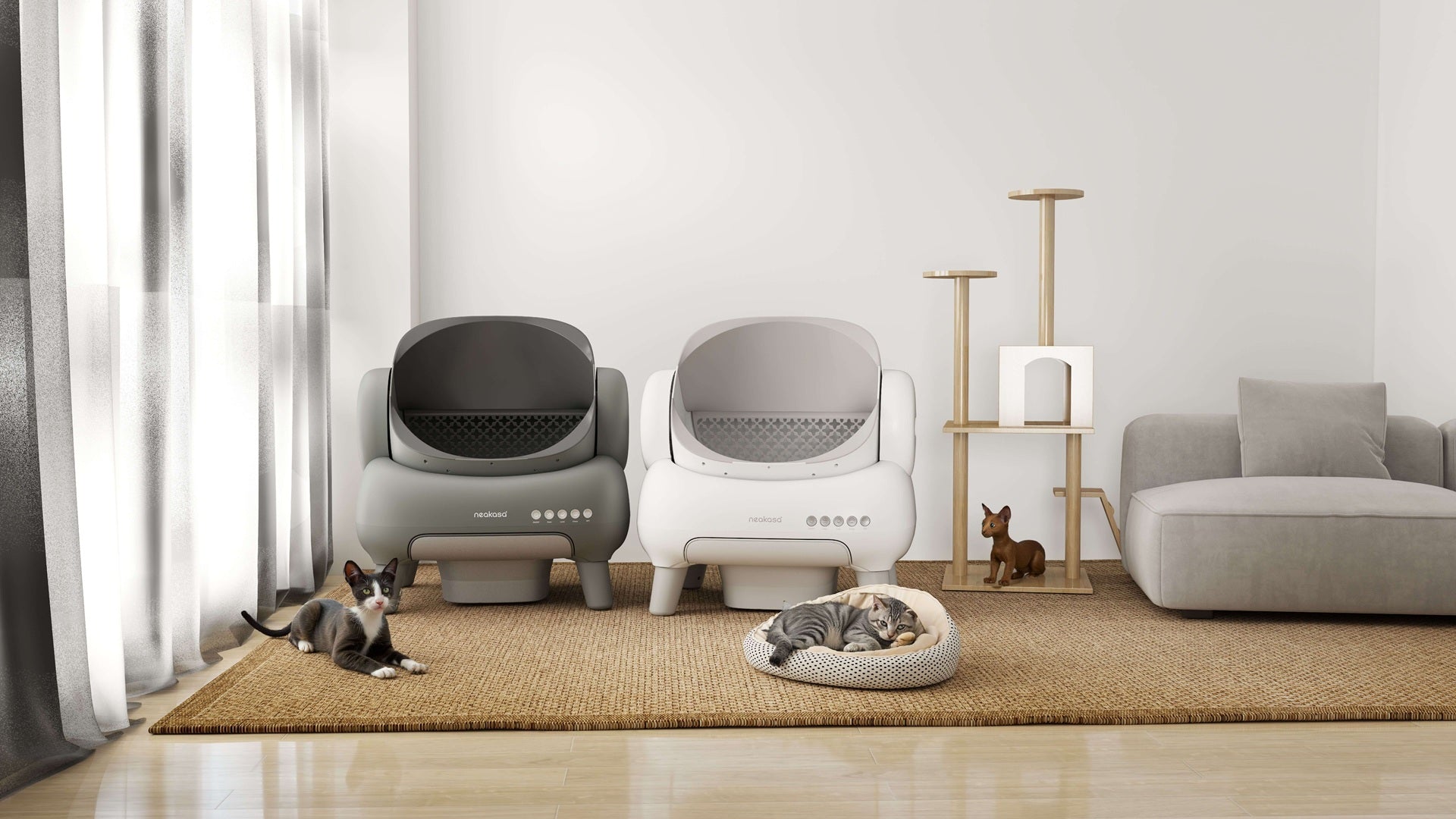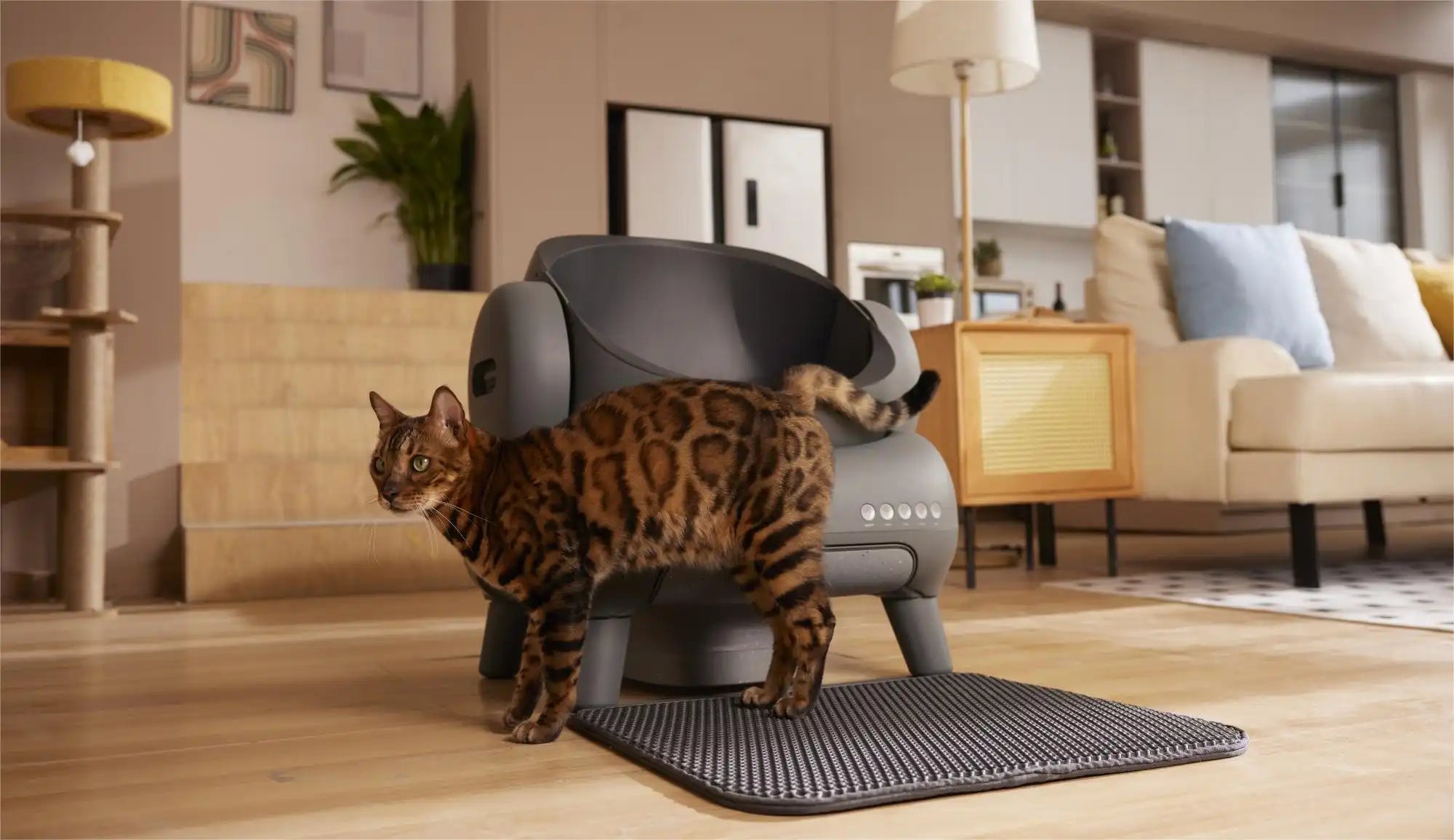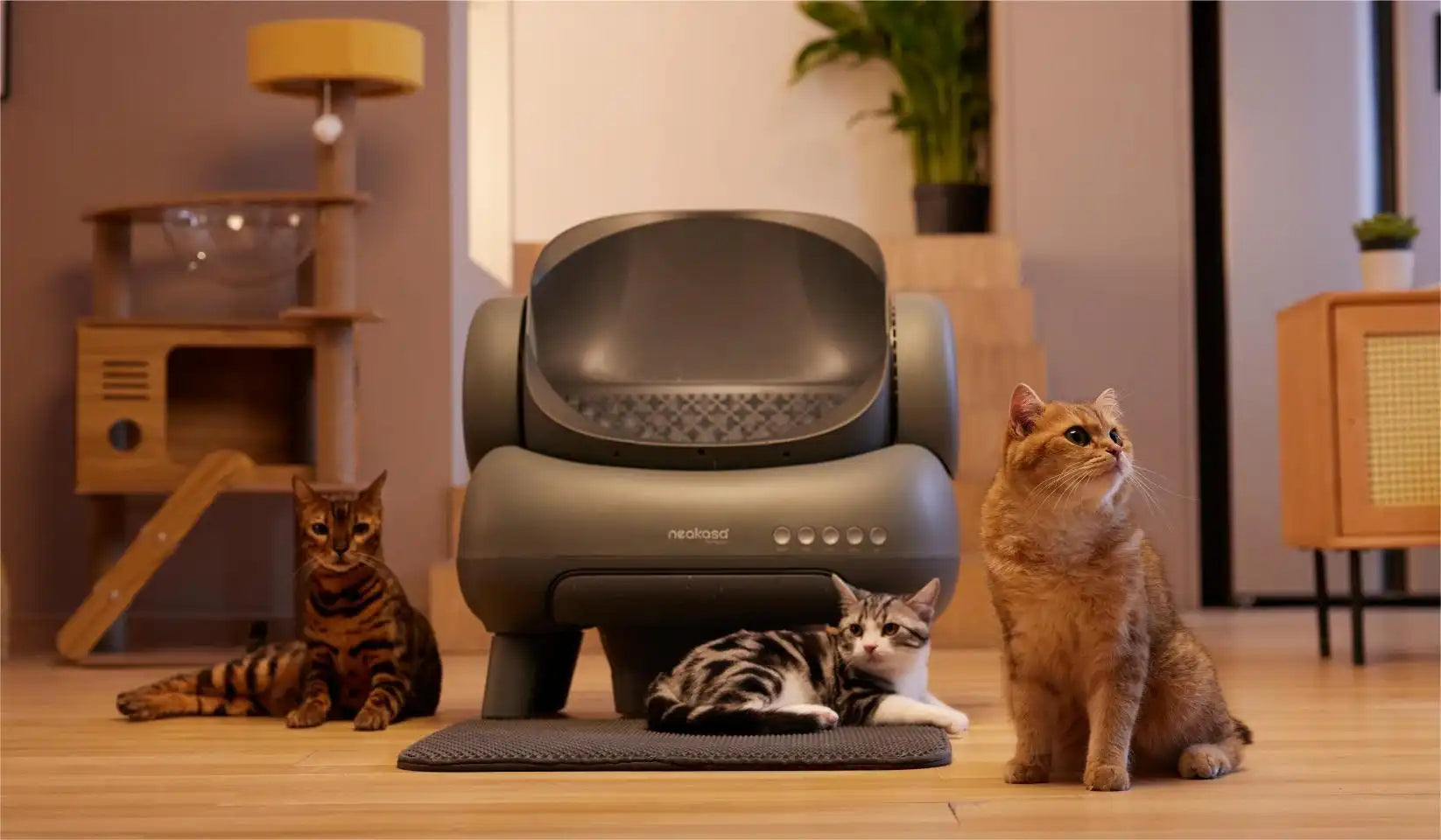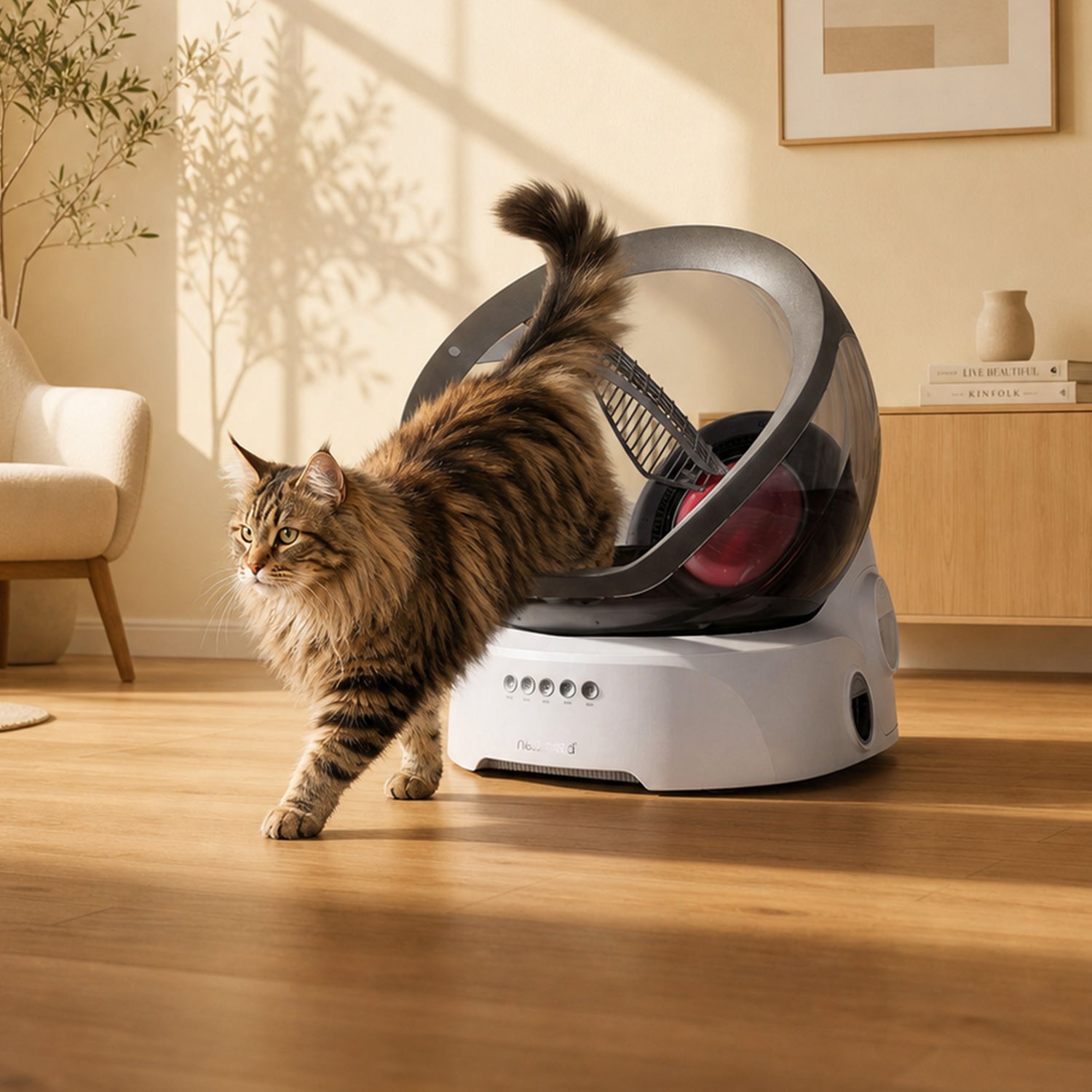
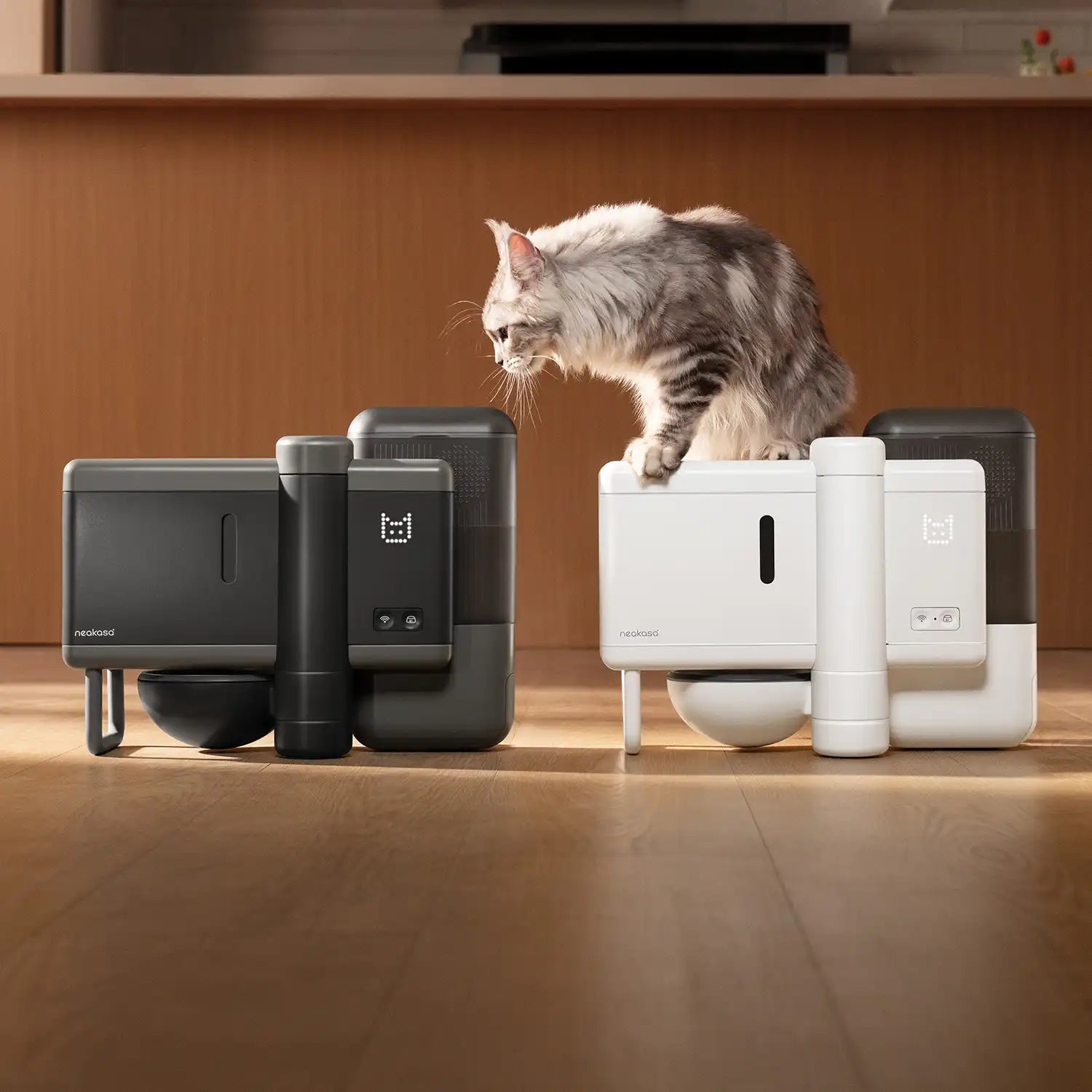
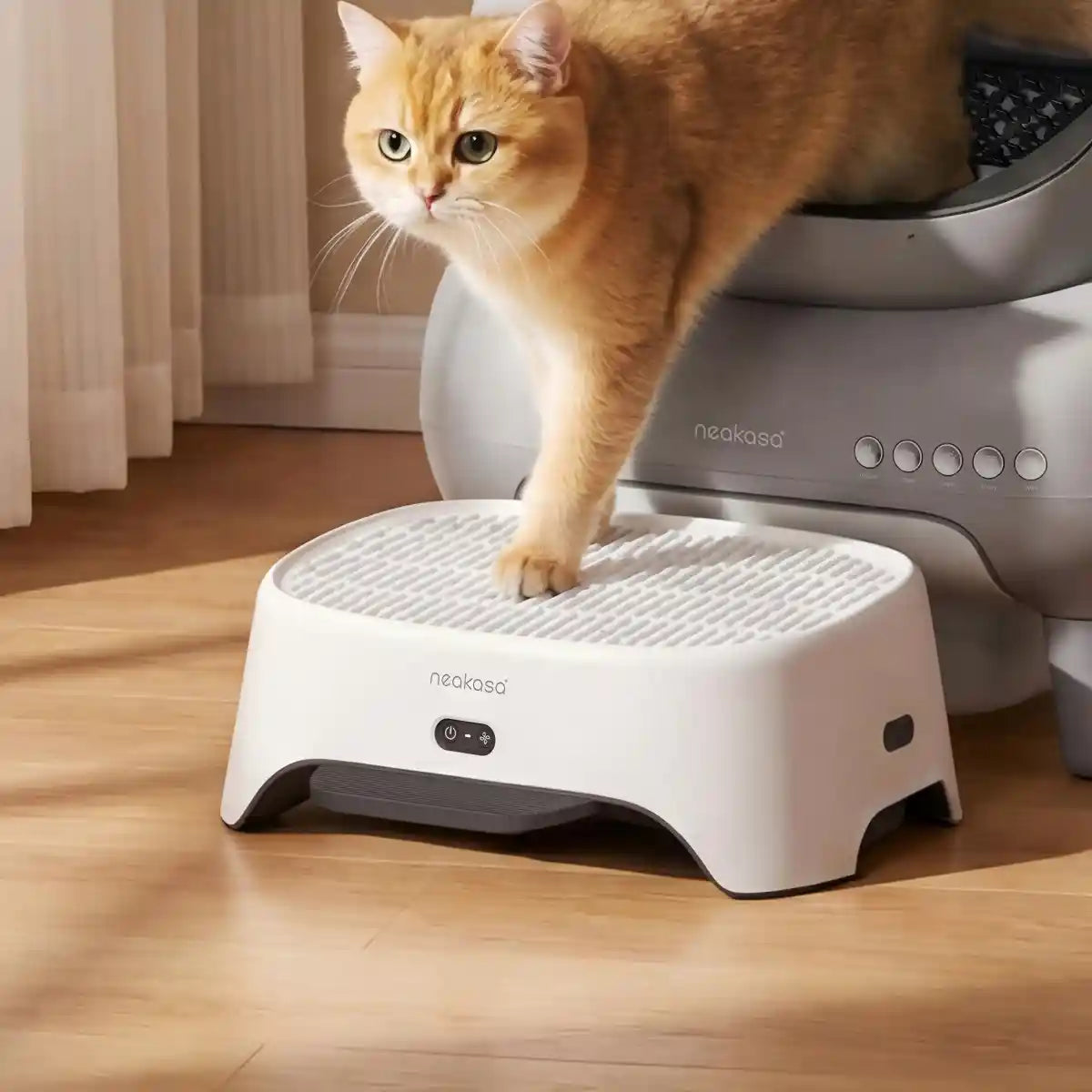

Suitable for big cats
Good ventilation
Easy to clean with minimal effort
Cats feel natural, relaxed, and adapt faster
Easy to monitor your cat’s health
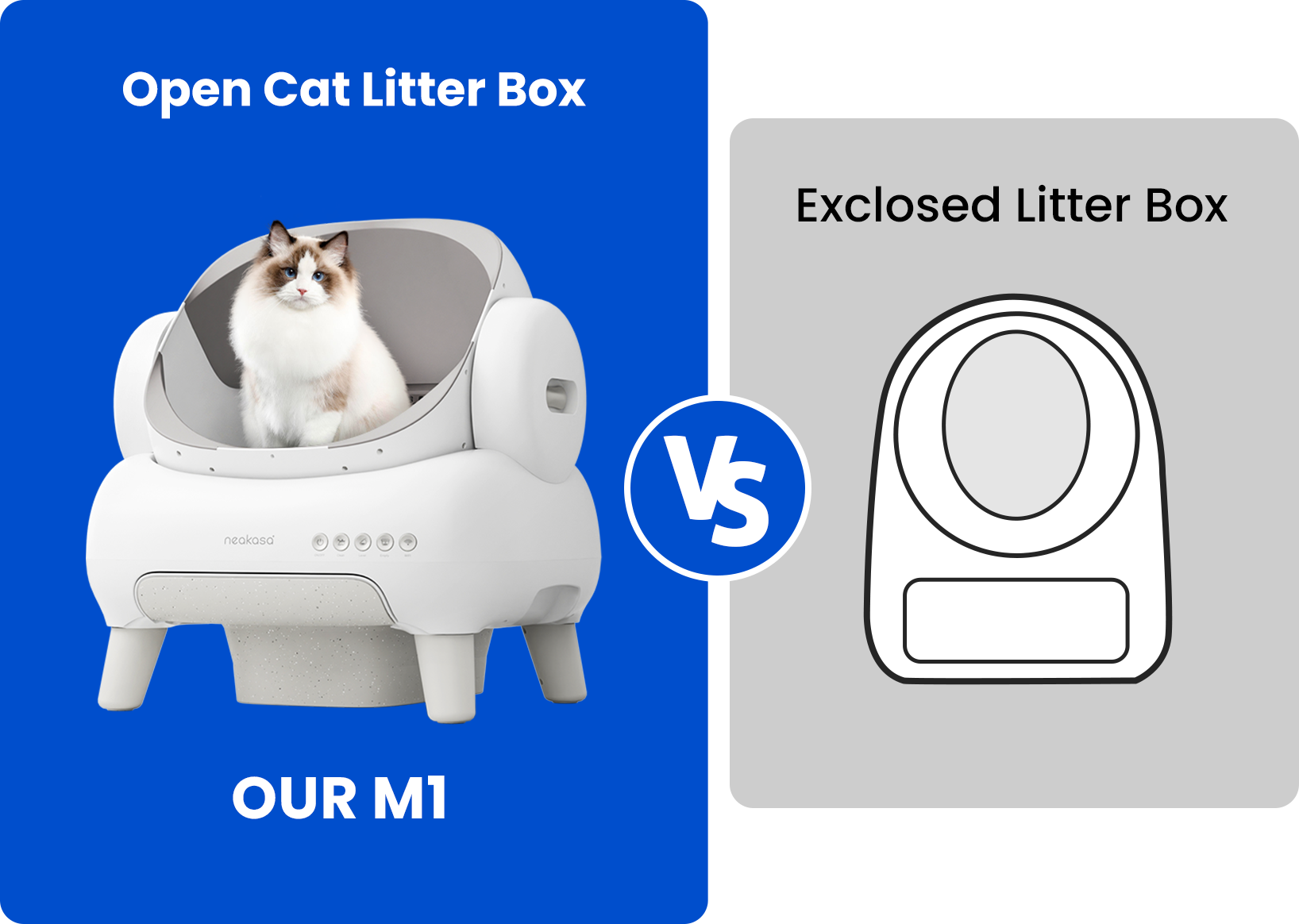
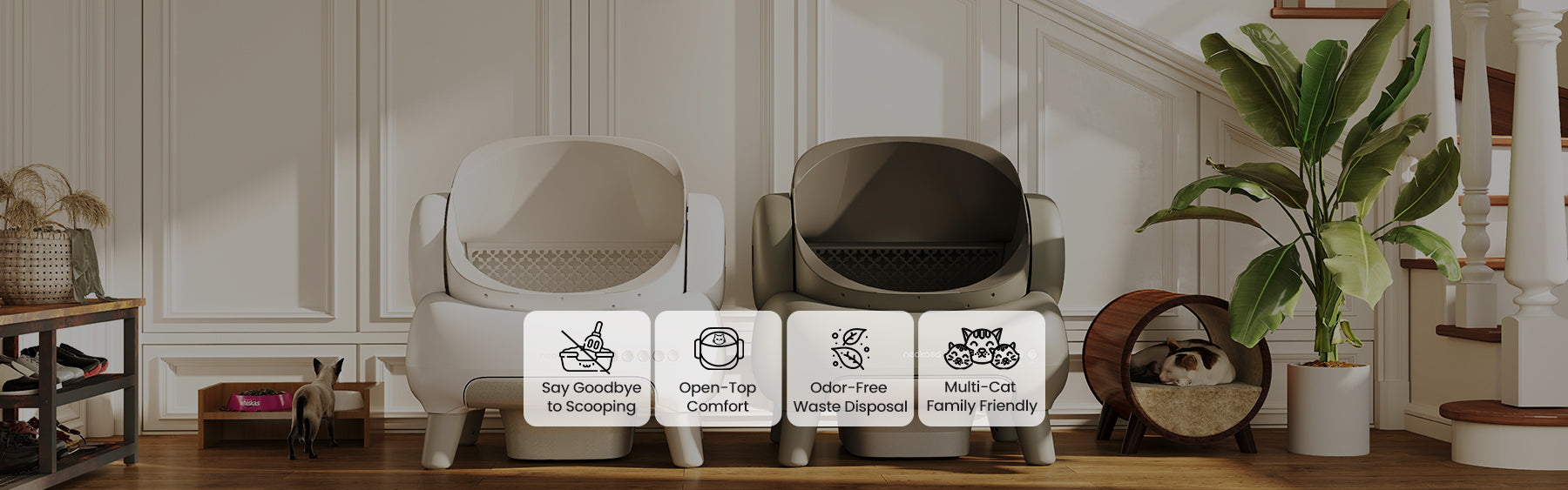
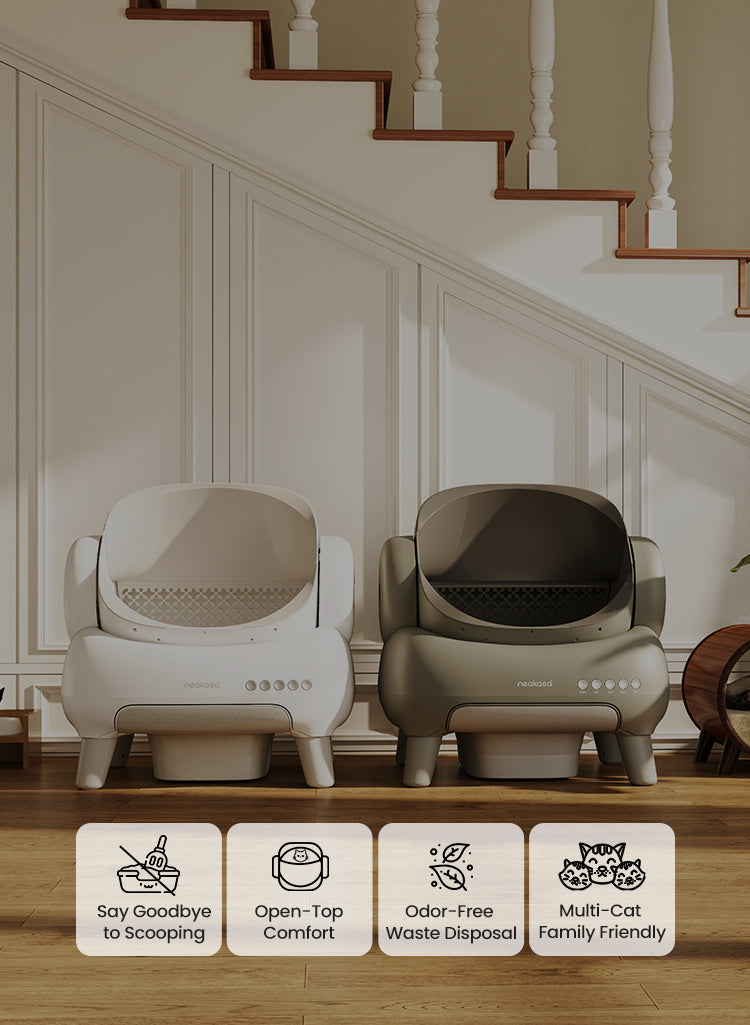
Simplify cat care with the Neakasa Cat Litter Box. Clean, hygienic, and fully automatic. For a fresher home and a happier cat.
Suitable for big cats
Good ventilation
Easy to clean with minimal effort
Cats feel natural, relaxed, and adapt faster
Easy to monitor your cat’s health
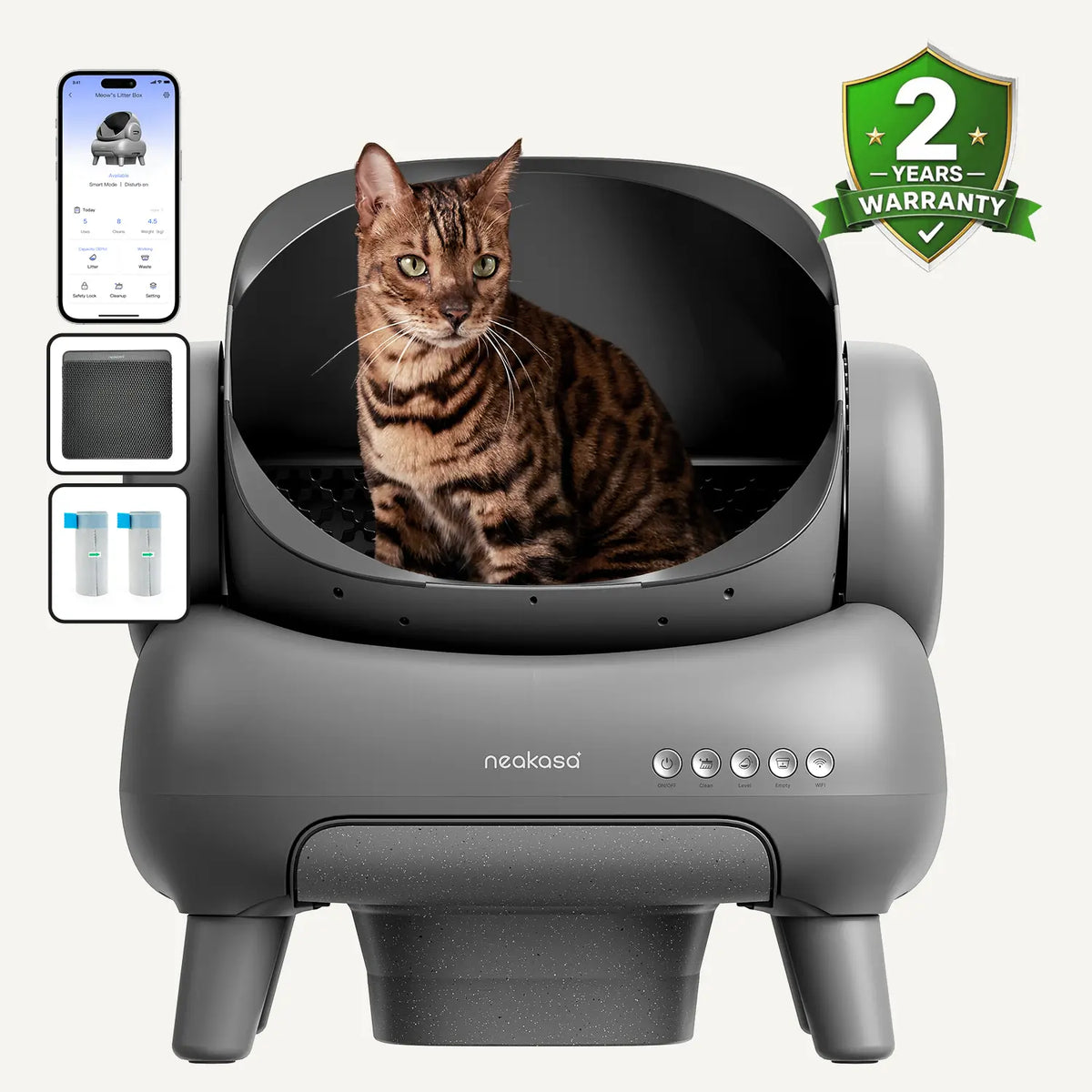
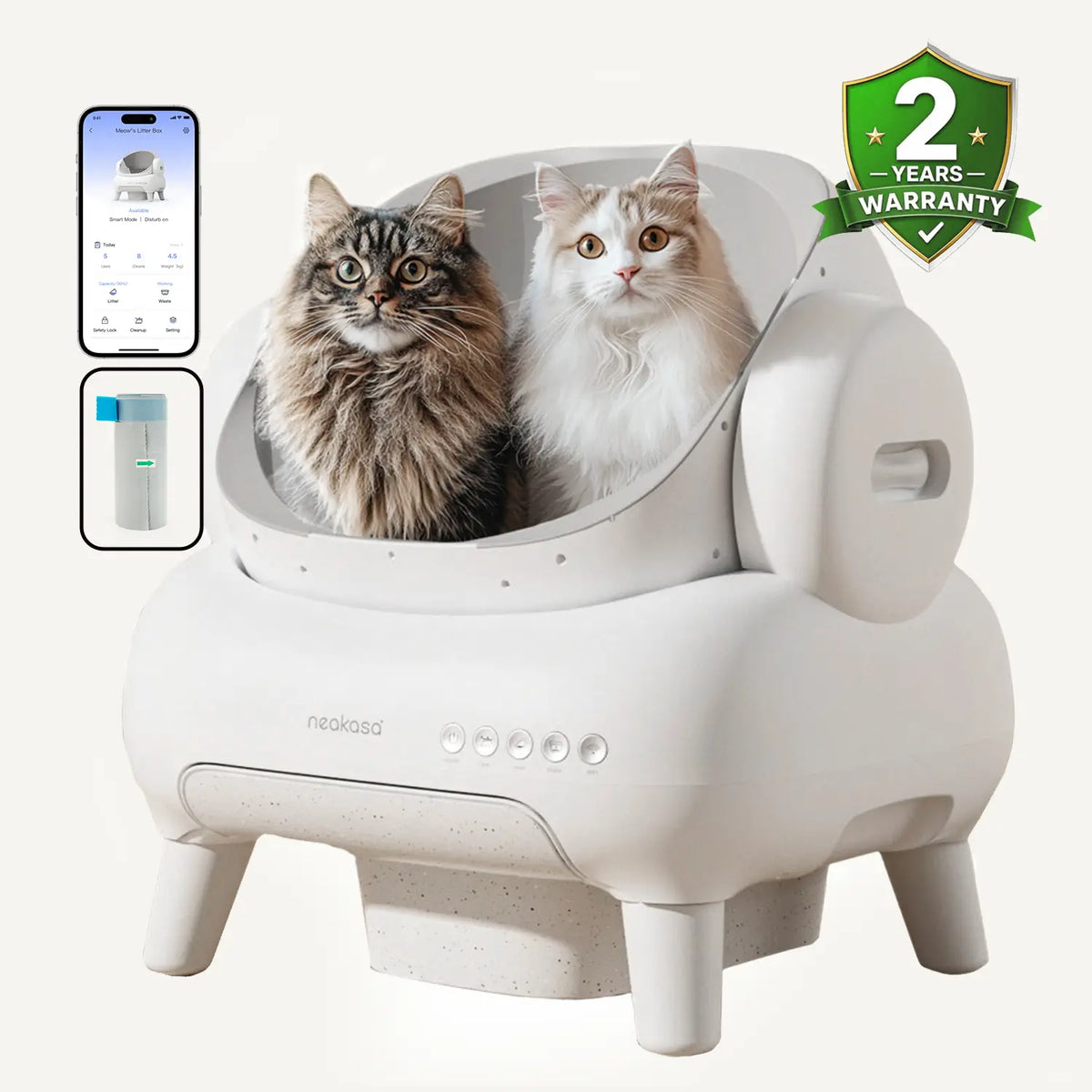
Model
M1 Plus
M1 Lite Plus
Color
Grey ◼️
White ◻️
Accessories Included
Litter mat *1, waste bag * 2 rolls (30 pc)
Waste bag * 1 roll (15 pc)
Self-Cleaning
Smart automatic cleaning system with app control
Smart automatic cleaning system with app control
Odor Control
Built-in sealing strip that locks in odors
Built-in sealing strip that locks in odors
Noise Level
Quiet
Quiet
Waste Bin Capacity
11.23L (14 days free-scooping)
11.23L
Litter Handling
7.17 L capacity (with one-click emptying)
7.17L
Entry Height
13.86''
13.86''
Applicable Weight
Fits most cats, from small kittens (around 2.2 lbs) to larger breeds (up to around 33 lbs)
Fits most cats, from small kittens (around 2.2 lbs) to larger breeds (up to around 33 lbs)
Best For
Multi-cat households
Multi-cat households
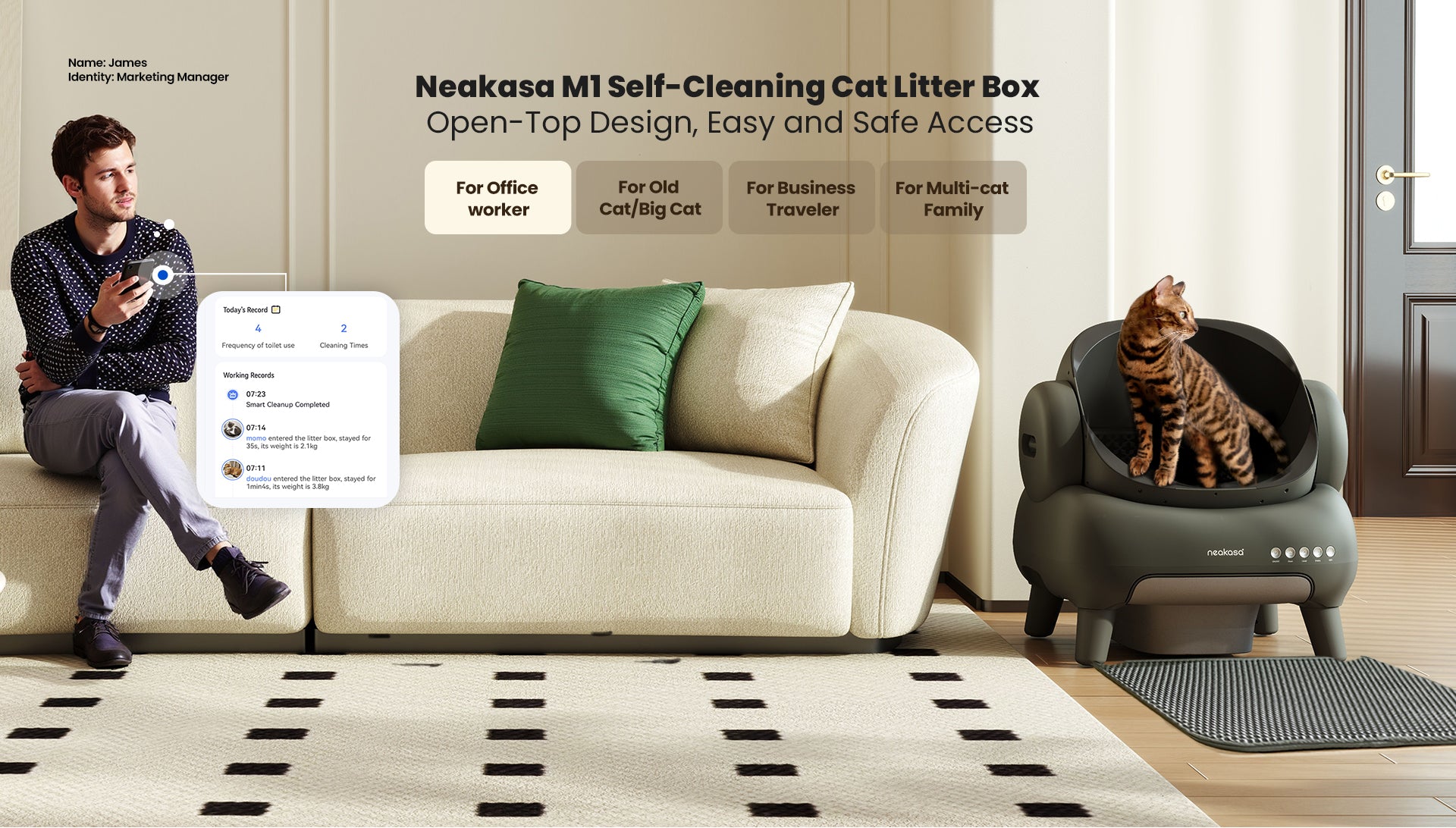
"I’m always stuck cleaning the litter box—rushing in the morning and too tired at night. The manual scoop leaves my hands dirty, and the dust goes everywhere. "
Ml Solution:
With the fully automatic cleaning litter box, I don’t have to scoop anymore, so my hands stay clean. The app helps me keep track of my cat’s habits, and everything stays fresh and under control.

"The old litter box is too small, and I feel cramped every time I use it. The entrance is hard to get through, and my older cat friends have even more trouble."
M1 Solution:
Since my human switched to the Neakasa open-top litter box, it’s so much better! The open design lets me go in and out easily, and the smart sensors stop when I get close, so I’m safe and comfortable.
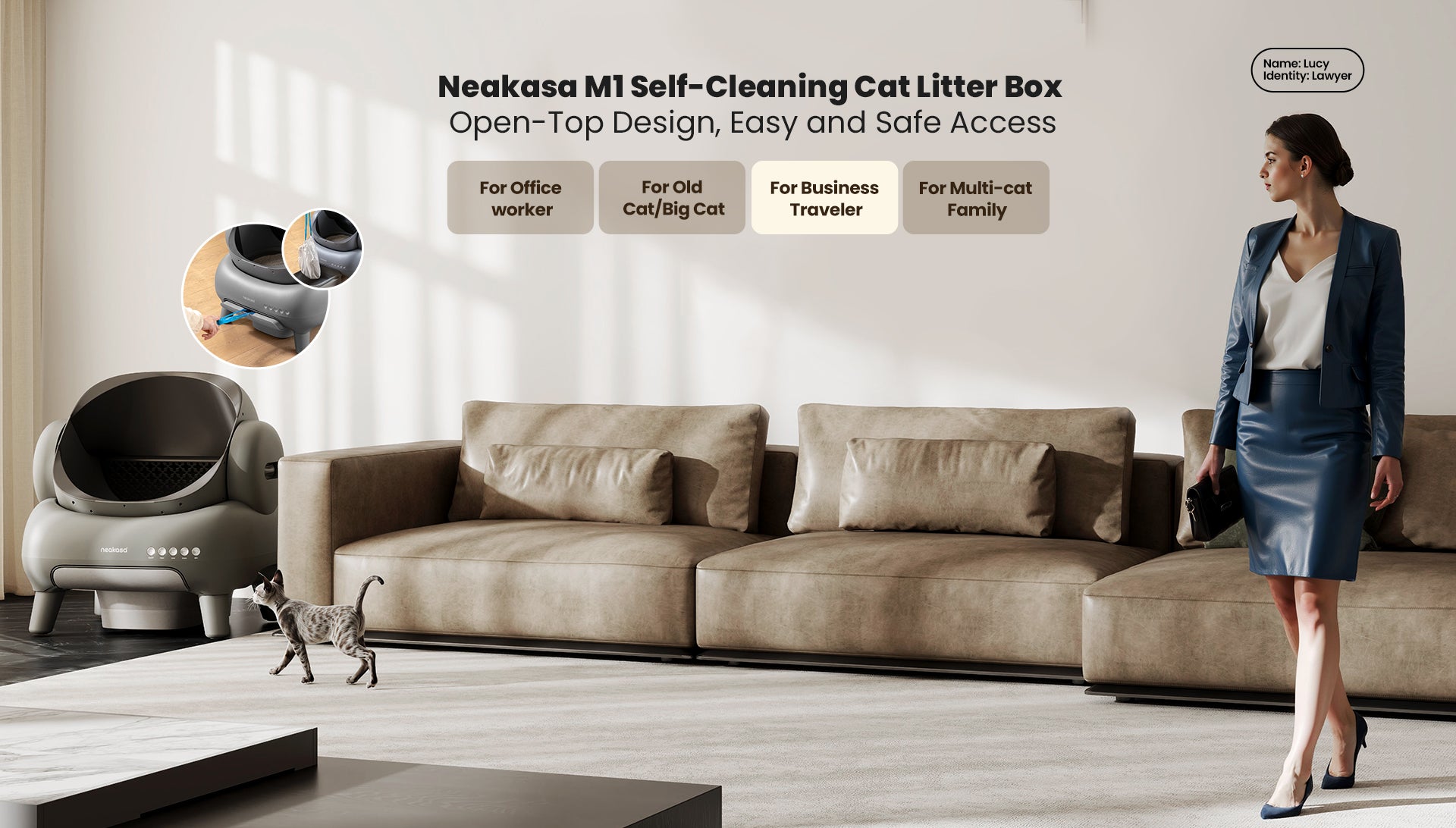
M1 Solution:
Since I switched to the Neakasa cat litter box, cleaning has been so much easier! With the Pull & Wrap design, I just pull and twist, and everything is sealed in a bag. Plus, the large waste compartment means I don’t have to clean it for 14 days—so much more convenient and odor-free!
"Cleaning the litter box is such a hassle! After scooping, I have to separately bag the waste and take it out. Some boxes have poorly designed waste compartments, so I end up spilling litter everywhere. And in the summer, the smell is unbearable, and the garbage bags never seal properly, making it even worse. "
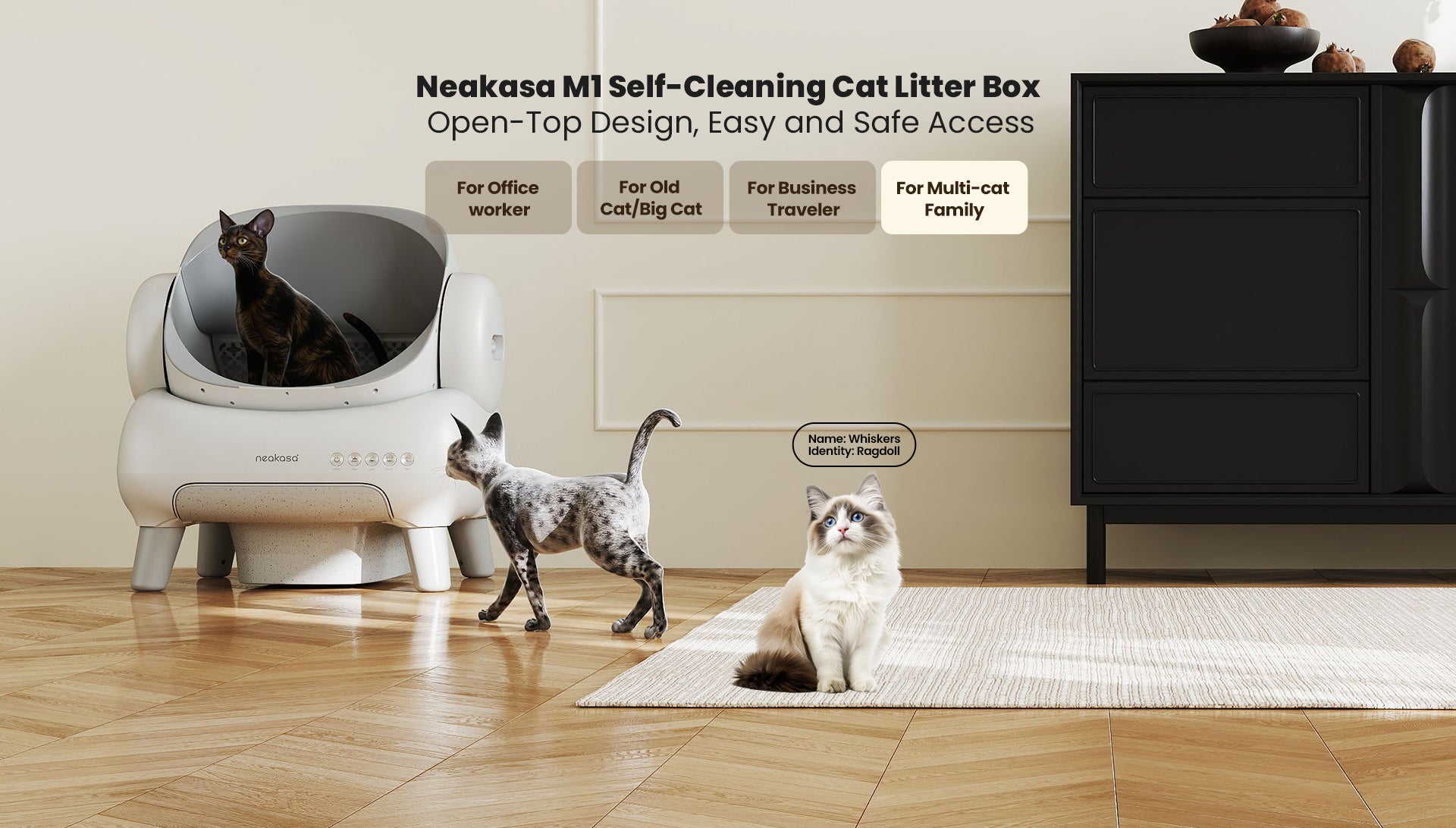
"With two other cats, the litter box gets dirty quickly, and I often have to wait my turn. It’s cramped, and sometimes my siblings make a mess. My human has to clean it constantly, which is such a hassle."
M1 Solution:
Since we got the Neakasa litter box, everything’s better! The large waste compartment means no more frequent cleanings, and there’s plenty of space for all of us. Plus, the smart sensors keep it clean every time. It’s so much easier now!

Self-Cleaning Litter Box Category in 2024
Units Sold
Happy Reviews
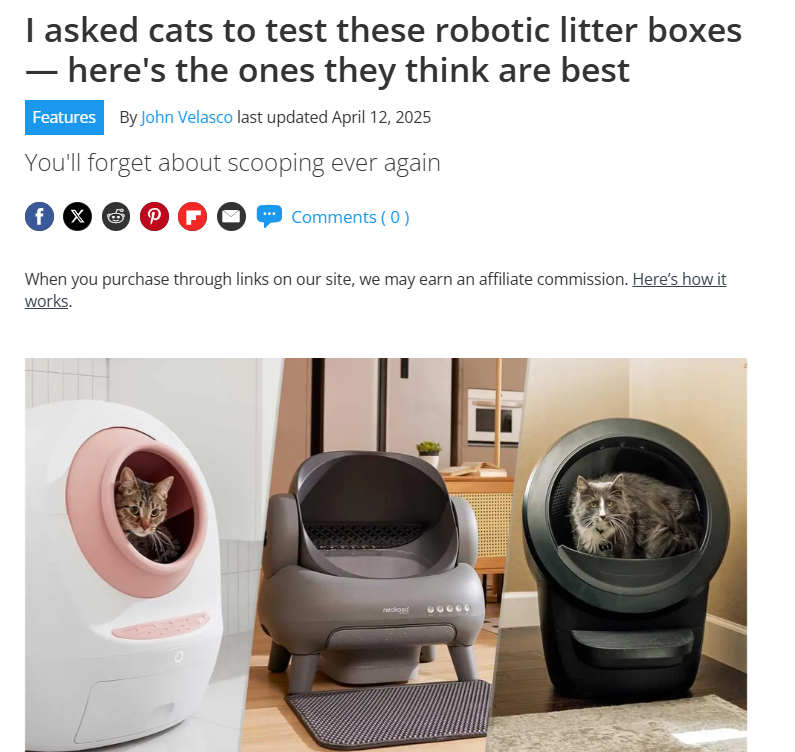

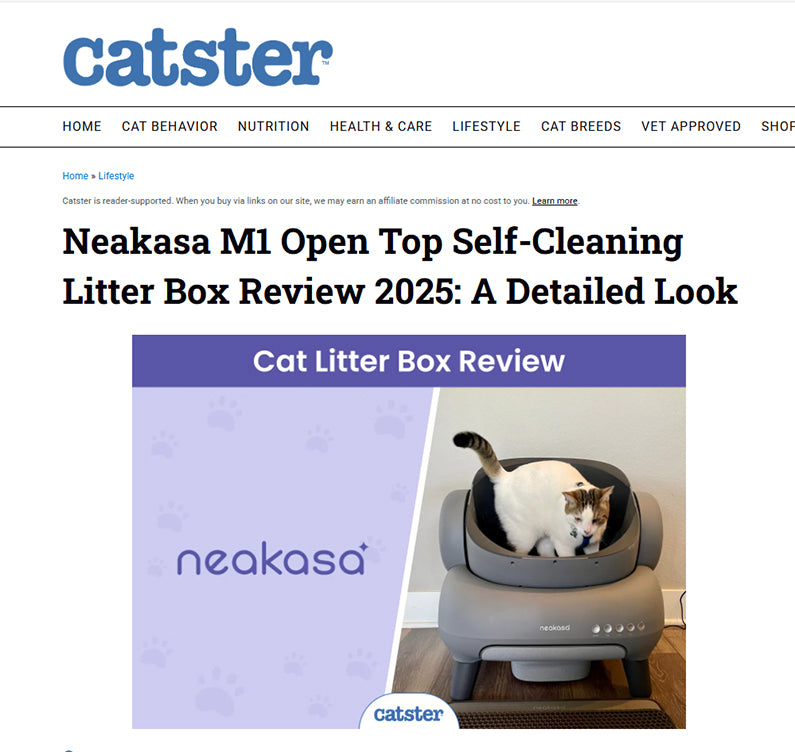
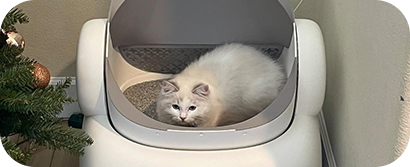
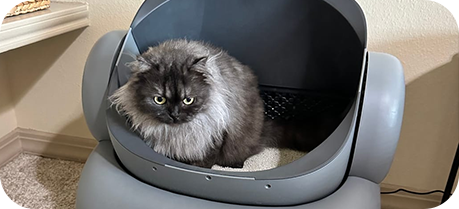
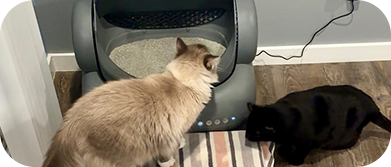
Real Reviews from Pet Lovers

6.26m followers 784 videos
370,000 likes

36.5m followers 1099 videos
110,000 likes
428k followers 2767 videos
276 likes
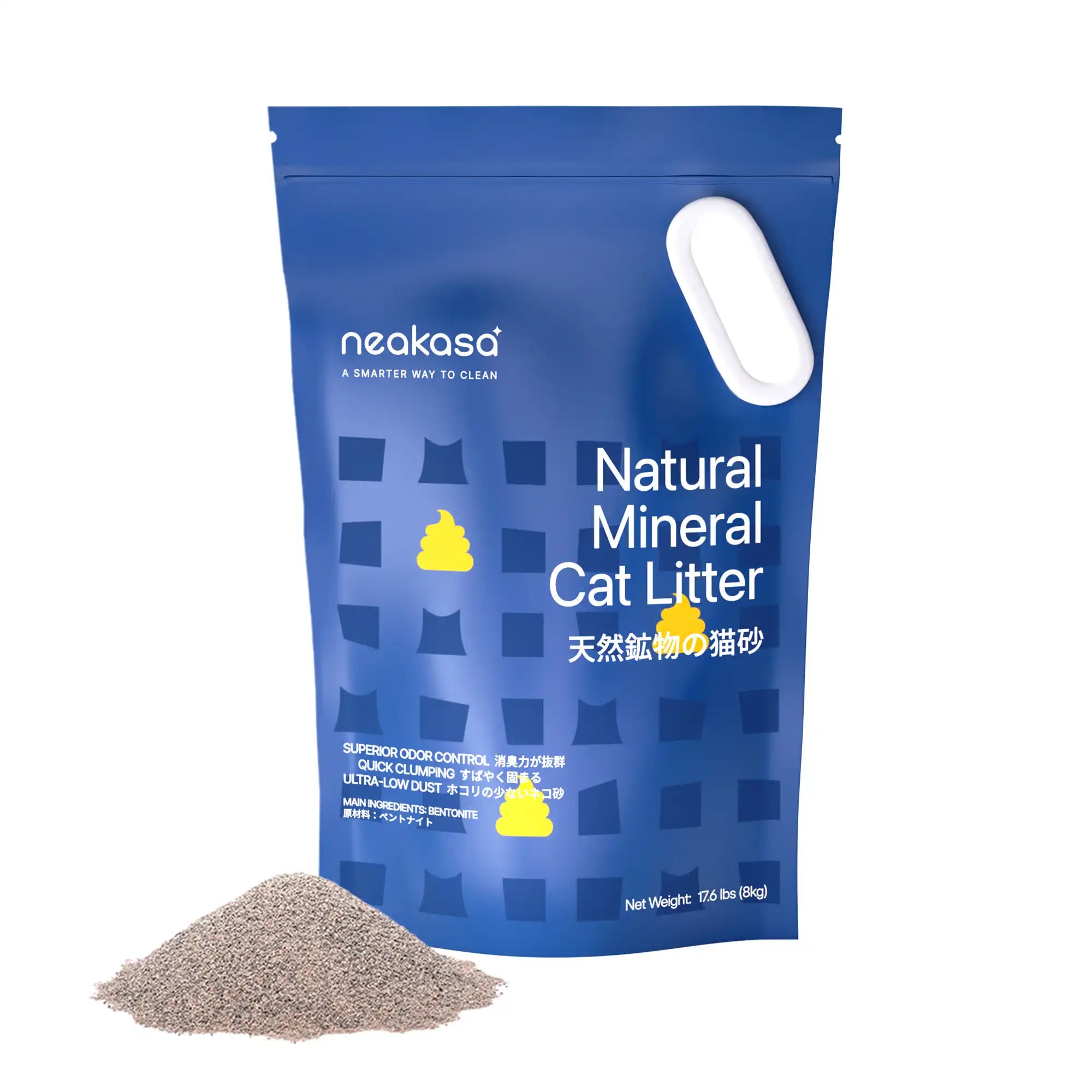
![Neakasa M1 Replacement Waste Bags [2 Rolls]](http://neakasa.com/cdn/shop/files/M1trashbag.webp?v=1709632497&width=1000)
You should scoop the litter daily to remove waste and completely change it every 2–3 weeks.
The Neakasa M1 automatically cleans after each use, so you only need to empty the waste drawer every few days.
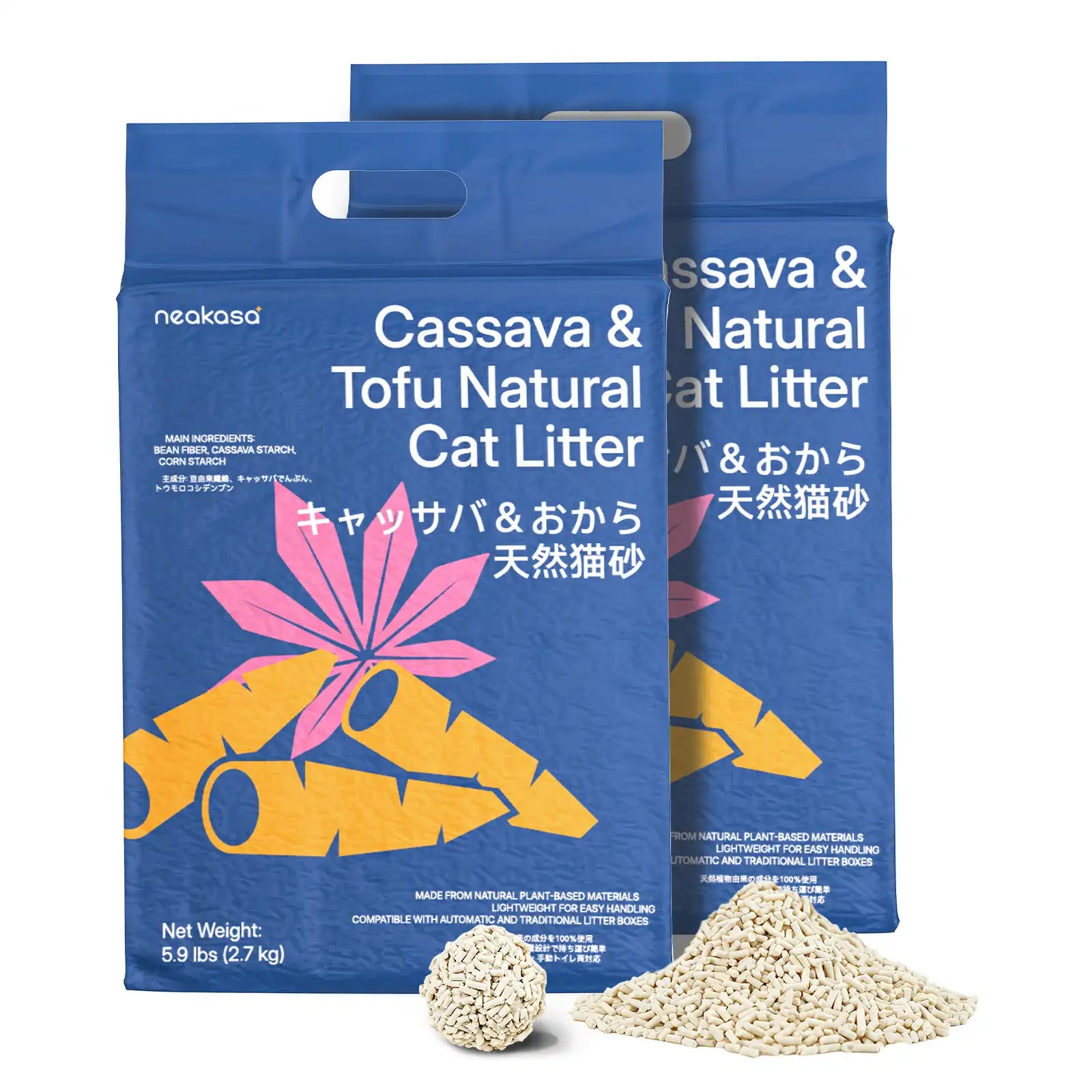
Use clumping, low-dust litter with medium-sized particles. Avoid silica gel, paper, or crystal types, as they may affect cleaning performance or sensor accuracy.
Regularly empty the waste drawer, use odor-control litter, and clean the interior weekly.
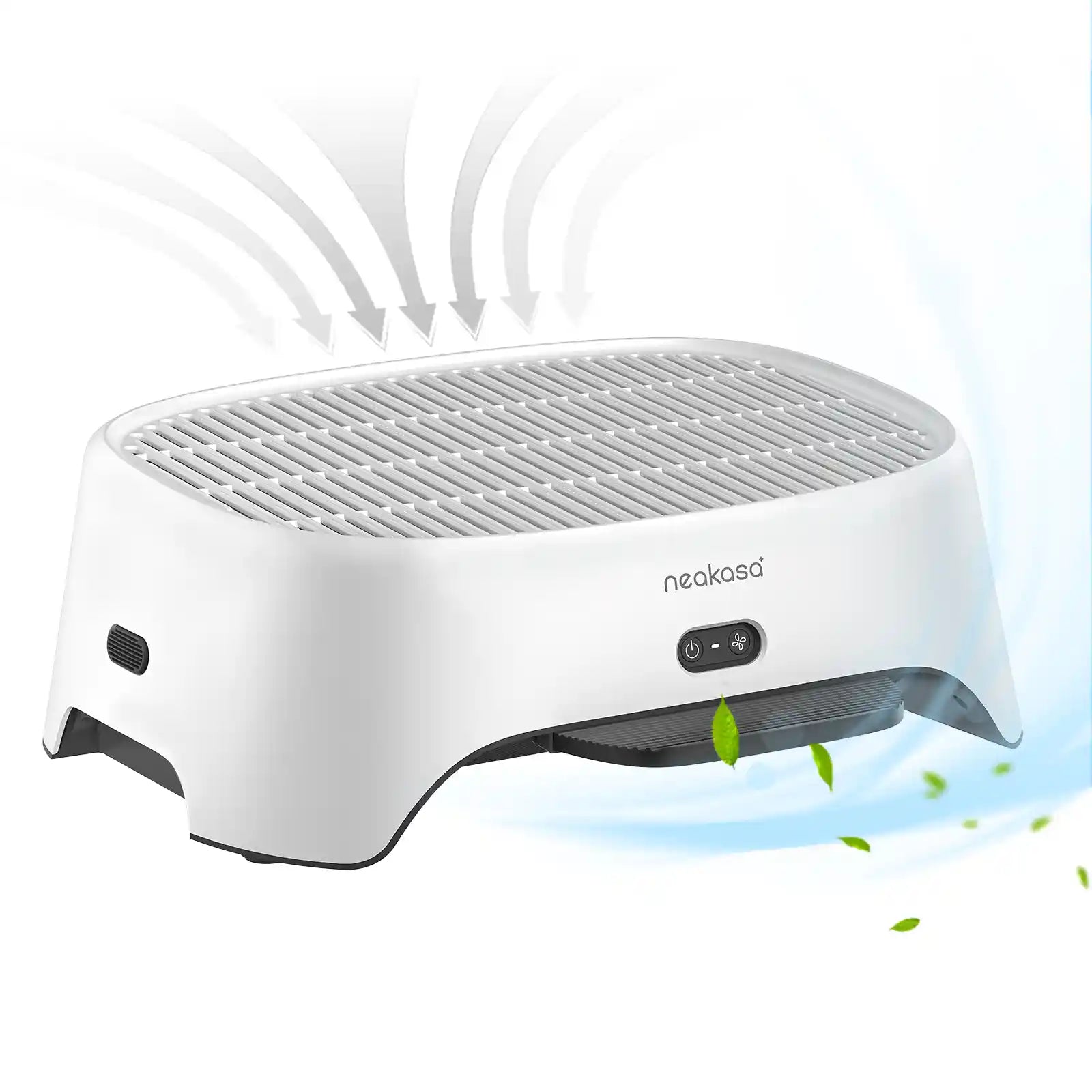
The Neakasa M1 features a sealed waste bin and deodorizing system that reduces odors effectively.
Place it in a quiet, low-traffic area with good ventilation and easy access.
Avoid putting it near food or water bowls, and ensure enough space for your cat to enter comfortably.
The M1 includes multiple smart sensors that detect your cat’s presence.
It automatically pauses the cleaning cycle when your cat is nearby or inside, preventing any risk.
Yes. The built-in weighing system tracks your cat’s weight during each use. You can monitor weight trends in the Neakasa app to help manage your cat’s health.
Yes. The M1 can recognize and track multiple cats based on their weight and usage patterns.
For optimal hygiene, follow the “one box per cat plus one extra” rule if space allows.
Turn off the power, remove any clumped litter or foreign objects, and restart the device.
If the issue continues, check the app for alerts or contact Neakasa support.
The M1 operates quietly, comparable to a soft household fan. Most cats adapt quickly since the noise level is low and the motion is gentle.
Clean the drum and sensors weekly, replace filters as needed, and check for firmware updates in the app.
Proper maintenance ensures long-term performance and hygiene.