
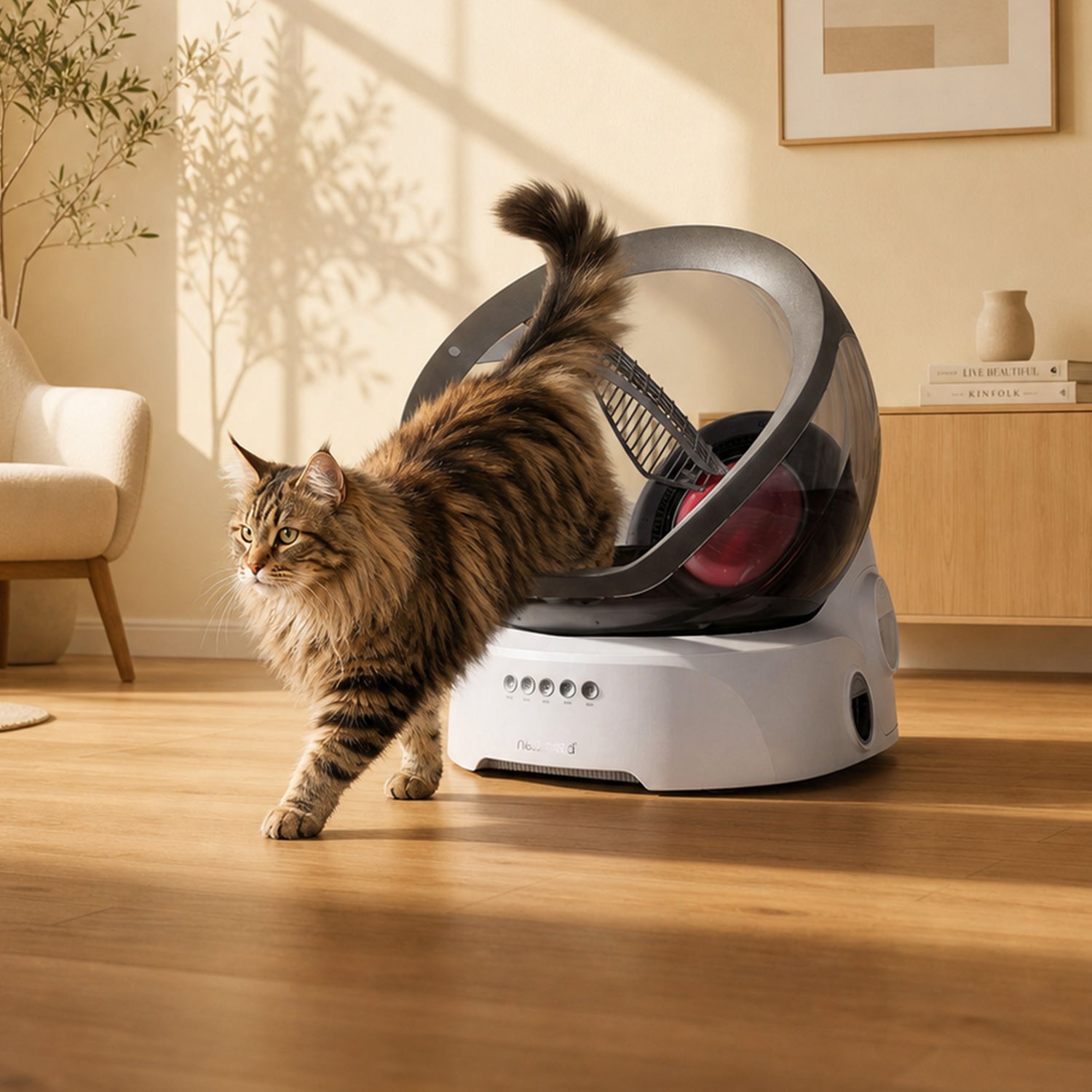
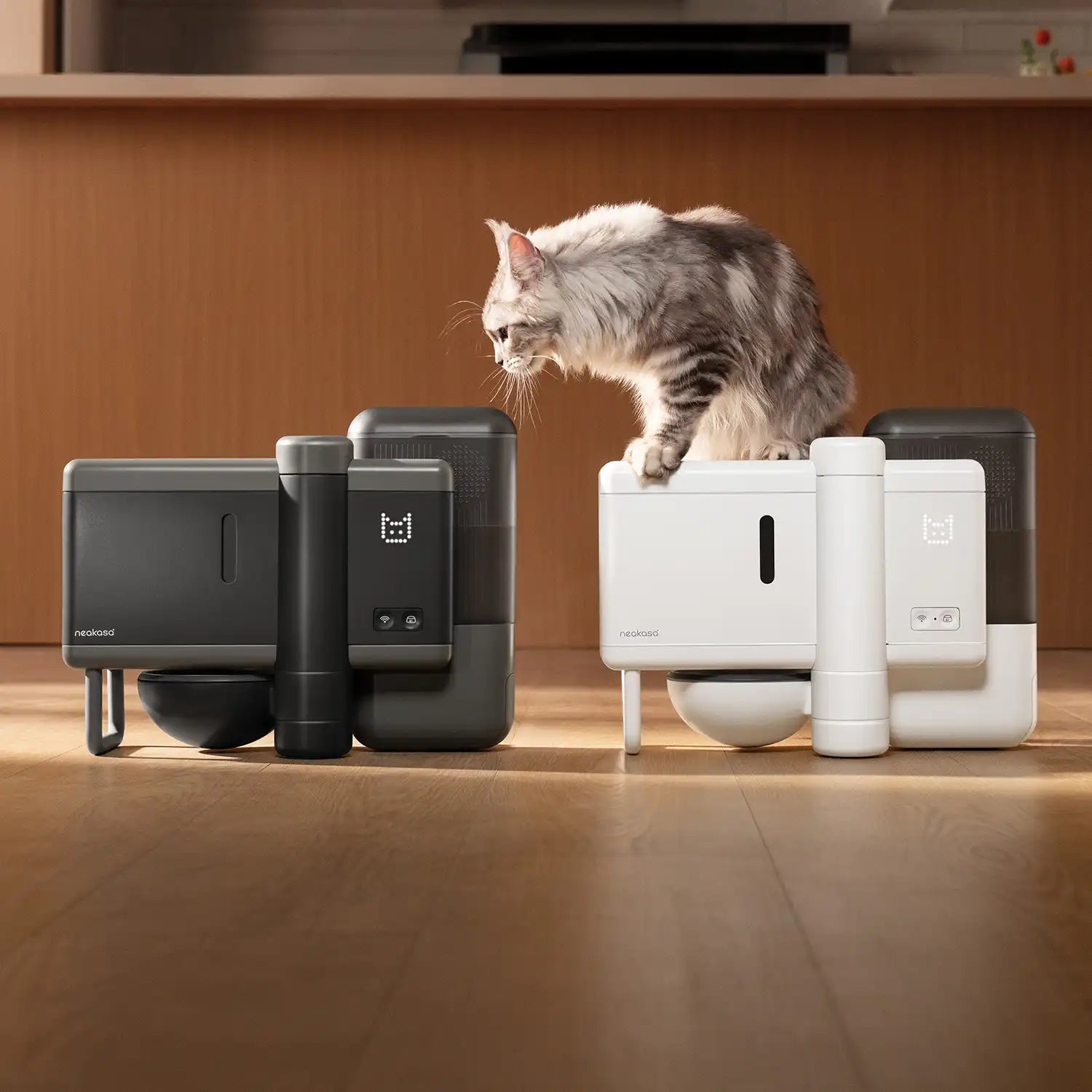
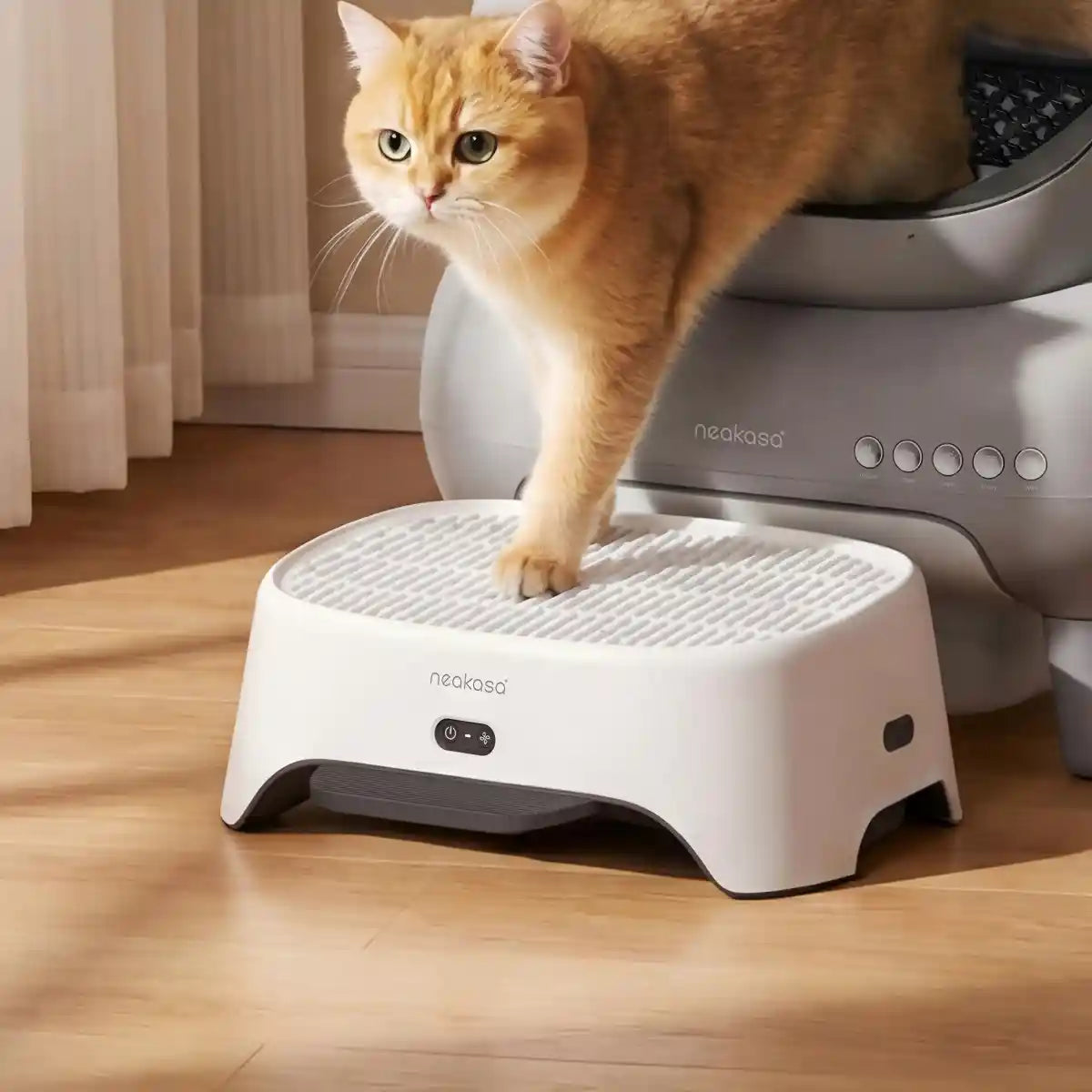

Tired of finding sandy grit in your bed and tracking throughout your home? A pellet litter box offers a cleaner, dust-free solution by mechanically separating liquid and solid waste, keeping floors pristine.
In this guide, we review the best pellet litter box models of 2026 and explain how to use one to save money and reduce mess.
Understanding the Two Main Types of Pellet Systems
Not all pellet boxes work the same way, so it is critical to distinguish between the two main mechanisms. Choosing the right system depends on your budget and your maintenance preference.
1. The Disintegrating System (Pine Pellets)
This is the most popular system for eco-conscious and budget-savvy owners. It utilizes compressed kiln-dried wood pellets (often pine).
- How it works: When the pine pellets come into contact with urine, they absorb the moisture and physically break down (disintegrate) into sawdust.
- The Mechanism: You need a "sifting litter box" for this to work. You shake the box daily; the dry, intact pellets stay on top of the sieve, while the used sawdust falls through the holes into the bottom tray.
- Pros: Extremely cheap (especially if buying bulk pellets), smells like natural wood, biodegradable.
2. The Non-Disintegrating System (Zeolite/Ceramic)
This system, popularized by brands like Tidy Cats Breeze, focuses on convenience and low daily maintenance.
- How it works: The pellets are made of zeolite or ceramic materials that are non-absorbent. They repel urine entirely.
- The Mechanism: Urine flows instantly through the pellets and the grate, landing on an absorbent "pee pad" located in a drawer below. The pellets never change shape; their only job is to cover solid waste.
- Pros: Very easy to clean (just swap the pad weekly), excellent desiccation of solid waste, zero sawdust tracking.
Best Pellet Litter Boxes of 2026 (Top Picks)
We analyzed the market to find the best hardware for every scenario. Here are the best pellet litter box models that stand out this year.
1. Best Overall (The "All-in-One" Solution)
Winner: Purina Tidy Cats Breeze System

The Breeze System remains the most user-friendly pellet setup on the market. Designed specifically for non-disintegrating zeolite pellets, it includes high walls to reduce scatter and a smooth pull-out tray for the urine pad.
- Why we love it: It eliminates guesswork during the transition to pellets. The drawer makes pad checks effortless, and the entire design is ideal for beginners who want a clean, low-maintenance system.
2. Best Value & Design (For Pine Pellets)
Winner: Standard Sifting Litter Pan (e.g., Van Ness / Arm & Hammer)

For pine pellet users, a simple yet effective sifting setup is all you need. The classic three-tray design—two solid pans plus one sifting pan—remains the most budget-friendly and reliable choice.
- Why we love it: It’s extremely affordable, durable, and perfectly suited for pine sawdust separation. Pair it with inexpensive wood pellets, and you get one of the lowest-cost litter systems available.
3. Best Automatic Upgrade (For Clumping Pellets)
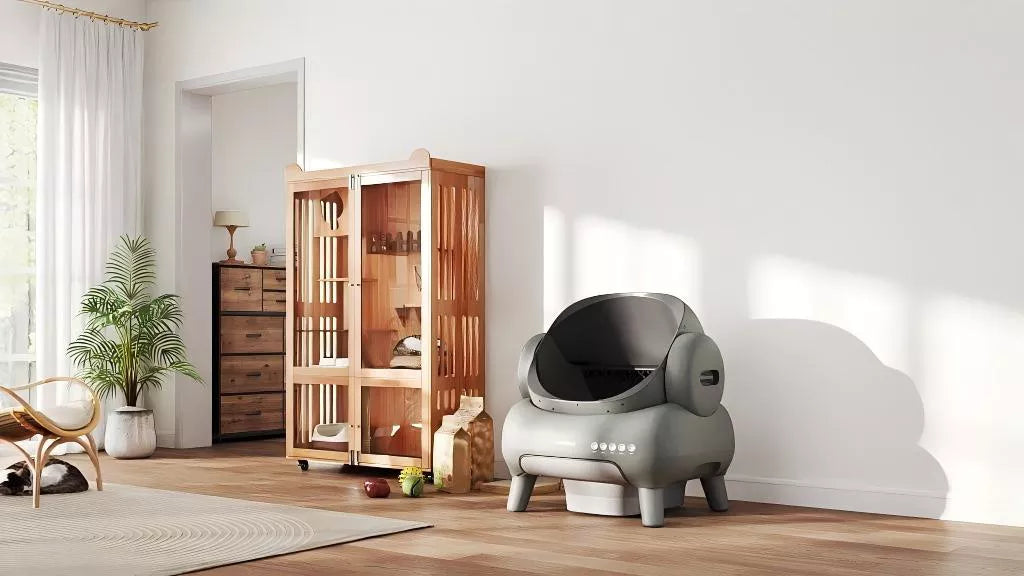
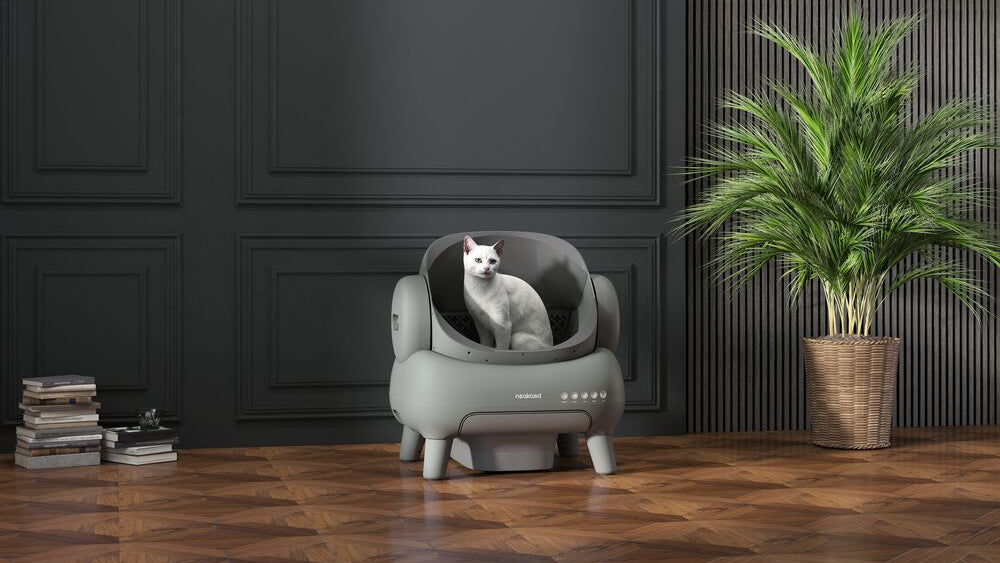
Winner: Neakasa M1 Self-Cleaning Cat Litter Box
 For pellet lovers who want automation, the Neakasa M1 offers a safe, open-top design that cats easily accept. It works with clumping pellet litters like tofu pellets and features multiple cleaning modes.
- Why we love it: It combines safety with automation. It is specifically compatible with clumping pellet litters (like Tofu or mixed small-grain pellets). With its "Gradual" self-cleaning mode and a massive 11.3L waste bin, it allows you to enjoy the cleanliness of pellets with true "set it and forget it" convenience.

- Effortless self-cleaning keeps daily scooping away.
- Open-top design offers comfort, visibility, and easy access.
- Spacious interior supports cats weighing up to 33 lbs.
4. Best Stainless Steel Option (Hygiene Focus)
Winner: Large Stainless Steel Sifting Set

These stainless steel systems are rising in popularity thanks to their hygiene and durability. Unlike plastic, stainless steel doesn’t absorb odors and is easy to sanitize.
- Why we love it: It’s a long-term investment that never traps ammonia smells. The sleek, non-porous design stays clean, lasts for years, and appeals to pet owners who prioritize hygiene above all else.
5. Best for Large Cats (High-Sided)
Winner: High-Sided or Top-Entry Sifting Models

Large breeds like Maine Coons benefit from spacious boxes with tall sides. These models prevent over-the-edge accidents and handle vigorous digging without scattering pellets everywhere.
- Why we love it: They provide the space and height larger cats need. High sides keep pellets contained, making them an excellent choice for multi-cat homes or big, active diggers.
How to Use a Pellet Litter Box for Maximum Efficiency
Knowing how to use a pellet litter box correctly is the key to a smell-free home. The routine differs from clay but becomes significantly faster once mastered.
1. The Setup Process
Proper setup prevents messes before they happen.
- The Bottom Layer: If you are using a pine system, you can line the bottom tray with a puppy pad to catch the sawdust and absorb excess moisture, making cleanup a breeze. If using a zeolite system, insert the branded pad into the drawer.
- The Top Layer: Pour about 2-3 inches of pellets onto the grate. Do not overfill. If the pellet layer is too deep, it becomes difficult for the urine to drain quickly, and sifting becomes a workout.
2. Daily vs. Weekly Maintenance
The maintenance schedule is the biggest adjustment for new users.
- Daily Tasks (Solids): Scoop out solid waste (poop) immediately. Since pellets don't clump around the feces as tightly as clay, removing it quickly helps control odors.
- Daily Tasks (Sifting): If using pine, give the box a good shake back and forth. This forces the disintegrated sawdust to fall through the holes, bringing fresh pellets to the surface.
- Weekly Tasks (Liquids): For zeolite systems, replace the urine pad. For pine systems, empty the bottom tray of sawdust.
3. The "Deep Clean" Schedule
Even the cleanest systems need a reset. Once a month, empty the entire box. Wash the grate and the bottom tray with mild soap and warm water.
If you use plastic boxes, avoid harsh chemicals that can degrade the plastic and create scratches where bacteria hide. Let it dry completely before refilling with fresh pellets.
Cost Breakdown: Clay vs. Pellets
Switching to pellets can save significant money compared to the "clay trap" of constant rebuying. Below is a breakdown of the potential savings using generic pine pellets.
| Feature | Traditional Clay Litter (Premium) | Pine Pellet System (The "Hack") |
|---|---|---|
| Cost Per Unit | $0.50 - $0.80 per lb | ~$0.18 per lb ($7.00 for 40lbs) |
| Est. Annual Cost | $150 - $200+ | $21 - $28 |
| Efficiency | Low: Waste "good" litter in clumps. | High: Only sawdust is removed. |
| Tracking | High: Grit everywhere. | Minimal: Easy to sweep. |
| Odor Control | Artificial masking. | Natural wood scent. |
FAQs
Here are concise answers to the most common questions new users have when making the switch to pellet systems.
Q1. What are the odor control pros and cons of pine pellets?
A1. Pine controls ammonia (urine) smells naturally but masks solid waste less effectively than clay. Daily scooping of solids is essential to keep the room fresh.
Q2. How do pellet system costs compare?
A2. DIY setups utilizing horse bedding pellets are the cheapest option available (~$25/year). Proprietary systems like Breeze cost more but offer superior convenience.
Q3. How can I transition my cat to pine pellets?
A3. Mix pellets into the old litter gradually over two weeks. Transfer a small piece of waste to the new box to establish it as the designated bathroom area.
Final Verdict
Is a pellet system right for your home in 2026? If you want less tracking, lower dust, and long-term savings, then yes. The small routine change is minor compared to the cleaner home most owners experience.
Our Recommendation:
- On a budget: A sifting pan + pine pellets.
- For convenience: The Tidy Cats Breeze System.
- For automation: The Neakasa M1.
Most cats adjust within a week or two, and once they do, you’ll wonder why you ever dealt with dusty floors and heavy clay litter. Switching is one of the simplest ways to improve your home and your cat’s litter experience.

Leave a comment
All comments are moderated before being published.
This site is protected by hCaptcha and the hCaptcha Privacy Policy and Terms of Service apply.