


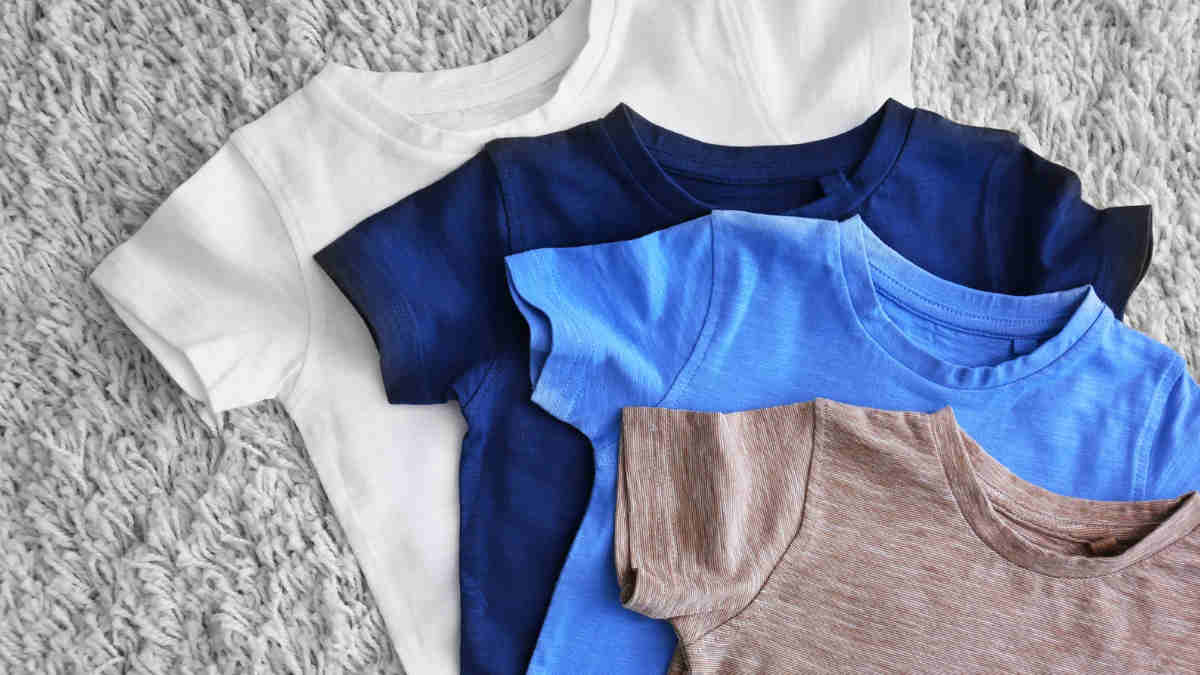
Have you ever taken a wrinkled polyester shirt, blouse, or dress out of your closet and wondered, “Can I iron this without ruining it?” Polyester is a common fabric, but it needs extra care when exposed to heat.
The answer is yes, you can iron polyester safely, as long as you use the right setting and technique. Because polyester is heat-sensitive, too much heat can cause the fabric to melt, scorch, or develop shiny marks that are difficult to remove.
In this guide, we’ll walk you through how to iron polyester the right way, from choosing the best iron setting to using a pressing cloth and preventing heat damage, so you can remove wrinkles without harming your clothes.
Can You Iron Polyester Safely?
Yes, but preparation is key. Because polyester is a heat-sensitive synthetic fabric made from petroleum-based products, exposing it to incorrect temperatures can permanently alter the fibers.
Before starting, always check the care label. Some polyester clothing blends may have specific requirements, and some items might explicitly state "Do not iron." If ironing is permitted, gather a clean iron, an ironing board, a pressing cloth (a clean cotton handkerchief or thin towel), and a spray bottle with distilled water.
What Iron Setting Should You Use for Polyester?
Use the lowest heat setting available, usually labeled "synthetic," "polyester," or "low." If your iron has a numbered dial, start at the lowest setting and increase only slightly if the wrinkles do not release.
Do not start with medium or high heat. Polyester does not need the same temperature as cotton, denim, or linen. A lower setting, steady movement, and a protective cloth will usually smooth the fabric with less risk.
Polyester Ironing Settings at a Glance
| Polyester Item | Best Method | Why It Works |
|---|---|---|
| 100% polyester shirt | Low or synthetic heat with a pressing cloth | Reduces direct heat exposure and helps prevent shine |
| Polyester blend | Follow the most delicate fiber on the care label | Blends can react differently depending on the other fiber |
| Dark polyester garment | Iron inside out with light pressure | Helps prevent visible shine marks |
| Printed or embellished polyester | Steam first, or iron around the design from the reverse side | Protects prints, trims, and decorations |
| Stubborn wrinkles | Steam first, then press lightly if needed | Softens wrinkles before applying direct heat |
How to Iron Polyester Without Shine or Melting
Ironing polyester safely is mostly about heat control and fabric protection. Make sure your garment is clean and slightly relaxed, then follow these steps to prevent damage:
| Item | Purpose |
|---|---|
| Iron with low or synthetic setting | Controls heat exposure |
| Ironing board or flat padded surface | Keeps the garment smooth and supported |
| Pressing cloth | Protects polyester from direct heat |
| Spray bottle with water, optional | Helps with stubborn wrinkles when used on the cloth |
| Hanger | Lets the garment cool and set after ironing |
Step 1: Check the Care Label and Prep Your Tools
Always review the garment’s care label first. If it allows low-heat ironing (for blends, follow the rules for the most delicate fiber, like spandex), set your iron to the low, synthetic, or polyester setting. Gather your ironing board, a clean white cotton pressing cloth, and an optional water spray bottle.
Step 2: Turn the Garment Inside Out
To protect the visible side of the fabric from developing an unwanted sheen—which is especially important for dark colors, prints, or satin-like finishes—turn the garment inside out. Lay it flat on your ironing board and smooth out large wrinkles by hand to minimize ironing time.
Step 3: Position the Pressing Cloth and Test
Never let the iron touch the polyester directly. Place your clean pressing cloth over the wrinkled area to act as a heat barrier. Before proceeding, test the iron's heat through the cloth on an inconspicuous inside seam to ensure the fabric doesn't spot or melt.
Step 4: Iron with Constant Motion
Press lightly through the cloth using gentle, even strokes. Keep the iron moving continuously—do not press down hard, drag aggressively, or hold it in one spot. For deep, stubborn wrinkles, lightly mist the pressing cloth with water rather than spraying the polyester directly.
Step 5: Hang to Cool and Set
Once you finish ironing a section or the entire garment, immediately place it on a hanger. Letting the fabric cool completely while hanging allows the synthetic fibers to set and prevents new wrinkles from forming.
Is Steaming Better Than Ironing Polyester?
For most synthetic fabrics, yes. Steaming is often safer than ironing because it relaxes wrinkles without direct contact from a hot soleplate. It works well for delicate items, pleats, printed garments, and travel clothes.
To steam safely, hold the device slightly away from the fabric and move slowly from top to bottom while smoothing the garment by hand.
For a gentler alternative to ironing, the Neakasa Magic 1 Vacuum Steamer helps refresh polyester and remove everyday wrinkles right on the hanger. For better long-term use, follow this clothes steamer maintenance guide.

- Instantly removes wrinkles with AirIron Technology.
- Achieves smoother results at triple the speed.
- Effortless to use with a safe one-handed design.
- Prevents fabric pilling through zero-friction care.
- Neutralizes odors using high-temperature steam.
From $84.99
Other Ways to Get Wrinkles Out of Polyester
If you do not want to iron polyester, try a lower-risk method first. These options work well for light wrinkles and everyday fabric refreshes.
1. Hang Polyester in a Steamy Bathroom
Hang the garment in the bathroom while you take a hot shower. Close the door and let the steam build for 10 to 15 minutes. Afterward, gently smooth the fabric by hand and let it dry completely before wearing or storing.
2. Use a Wrinkle-Release Spray
A wrinkle-release spray can help loosen light creases. Spray lightly, tug the fabric gently into shape, and hang the garment until dry. Do not over-wet polyester, and always test the spray on a hidden area first.
3. Tumble Dry on Low With a Damp Towel
For some polyester garments, a short low-heat tumble with a clean damp towel can help soften wrinkles. Use only low heat and remove the garment promptly. Skip this method if the care label warns against tumble drying.
4. Store Polyester Properly
Preventing wrinkles is easier than removing them. Hang polyester garments after washing, avoid overcrowding your closet, and fold long-term storage pieces neatly. For delicate items, use padded hangers or tissue between folds.
What to Avoid When Ironing Polyester
Avoid high heat, direct contact, and long pressing time. These are the most common reasons polyester gets shiny, stiff, scorched, or permanently marked.
- Do Not Use High Heat: High heat can damage polyester quickly. If your iron is hot enough for cotton or linen, it is probably too hot for polyester. Let the iron cool before switching from natural fibers to synthetic fabrics.
- Do Not Skip the Pressing Cloth: It is one of the easiest ways to prevent shine marks and heat damage. It also helps distribute heat more evenly across the fabric.
- Do Not Iron Prints, Sequins, or Elastic Directly: Printed designs, sequins, beads, appliqués, and elastic panels can react badly to heat. Steam these areas carefully or iron around them from the reverse side with a thicker pressing cloth.
FAQs
Q1. Can You Iron 100% Polyester?
A1. Yes, you can iron 100% polyester if the care label allows it. Use the lowest synthetic setting, turn the garment inside out, and place a pressing cloth between the iron and fabric. Test an inside seam before ironing visible areas.
Q2. Will Ironing Polyester Shrink It?
A2. Polyester is generally shrink-resistant, but too much heat can still damage the fabric or affect the shape of a garment. Use low heat, avoid direct contact, and stop if the fabric begins to look shiny or stiff.
Q3. How Do You Iron Polyester Without Melting It?
A3. Set the iron to low or synthetic heat, use a pressing cloth, keep the iron moving, and avoid pressing one spot for too long. For delicate polyester, steam first and iron only if the wrinkles remain.
Q4. What Is the Best Way to Get Wrinkles Out of Polyester?
A4. For light wrinkles, steaming is usually the best first choice. For deeper creases, use a low-heat iron with a pressing cloth. You can also try hanging the garment in a steamy bathroom or using a wrinkle-release spray.
Conclusion
You can iron polyester, but the safest approach is slow, gentle, and protective. Use the lowest heat setting, check the care label, turn the garment inside out, and never skip the pressing cloth. If you are unsure, steam first.
For everyday polyester clothing, steaming can be the easier option because it reduces direct heat contact and works well on hanging garments. Whether you choose an iron or a steamer, the goal is the same: smooth wrinkles while protecting the fabric’s shape, color, and finish.

Leave a comment
All comments are moderated before being published.
This site is protected by hCaptcha and the hCaptcha Privacy Policy and Terms of Service apply.