
It’s normal to worry if your cat is spending extra time in the litter box or making multiple unproductive trips. Because cats hide discomfort so well, their bathroom habits are often the first clear warning sign that something is wrong.
Let’s break down what healthy digestion looks like versus feline constipation, so you can catch health issues before they become emergencies.
- Baseline Frequency: A healthy adult cat should poop 1 to 2 times a day.
- The 48-Hour Rule: If your cat goes 48 hours without a bowel movement, they are officially constipated and require attention.
- Look at the Texture: Normal stool is dark brown and shaped like a cigar; constipated stool looks like dry, hard pebbles.
- Hydration is Key: Increasing wet food and adding safe fiber (like plain pureed pumpkin) are the best home remedies for mild cases.
- Smart Tracking: Upgrading to a smart litter box like Neakasa takes the guesswork out of monitoring bathroom frequency and duration.
What Does “Normal” Cat Poop Look Like?
Before you can identify constipation, you need to know what a healthy baseline looks like. Feline digestion relies heavily on moisture and a high-protein diet, which directly impacts the output.
The Feline Bristol Stool Chart
Veterinarians often use a variation of the Bristol Stool Chart to evaluate digestive health. Here is a quick reference guide to help you assess what you are scooping:
| Stool Appearance | Moisture Level | Health Status |
|---|---|---|
| Cigar-shaped, dark brown, slightly moist | Perfectly hydrated | Normal / Healthy |
| Segmented but holds shape when picked up | Adequate | Normal / Healthy |
| Small, hard, dry pebbles (like sheep dung) | Severely dehydrated | Constipated |
| Soft blobs with no clear shape | High moisture / Irritation | Mild Diarrhea |
| Completely liquid | GI distress | Severe Diarrhea (See Vet) |
Normal Frequency: How Often Should a Cat Poop?
Most healthy, adult cats will defecate once or twice a day. This can vary slightly depending on their age, diet, and activity level. A cat eating a high-quality, moisture-rich wet food diet might produce less waste than a cat eating a filler-heavy dry kibble, but the daily frequency should remain relatively consistent.
The 48-Hour Rule: When Is It Considered Constipation?
It is easy to panic if you do not see poop in the litter box for a day. However, a 24-hour gap is not always an immediate crisis; your cat might just be a light eater that day or be experiencing mild stress.
The medical threshold to remember is the 48-Hour Rule. If 48 hours have passed without a single bowel movement, your cat is officially constipated.
At this point, the stool inside their colon is continuously losing moisture, becoming harder, drier, and more painful to pass as time goes on.
3 Warning Signs Your Cat is Constipated
Constipation is not just the absence of poop. It is often accompanied by distinct behavioral and physical changes.
1. Straining, Crying, or Multiple Unproductive Trips to the Box
You might see your cat repeatedly enter the litter box, assume the posture to poop, and push hard with no results. In severe cases, they may vocalize or cry out in pain while straining.
2. Dry, Hard, Pebble-Like Stools
If they do manage to pass something, it will not look normal. Constipated stool is typically very small, incredibly dry, hard to the touch, and often lighter in color.
3. Behavioral and Physical Changes
Because they are physically uncomfortable and backed up, a constipated cat will often show secondary symptoms, including:
- Loss of appetite or refusing to drink water.
- Lethargy and hiding under furniture.
- Vomiting (often a result of straining too hard).
- A tense, hard, or sensitive abdomen when you try to pick them up.
How to Help a Constipated Cat at Home
Note: If your cat has not pooped in more than 48 hours, or is vomiting and lethargic, skip the home remedies and contact your veterinarian immediately. For mild, early-stage constipation, you can try the following adjustments.
1. Increasing Hydration and Wet Food
Cats have a naturally low thirst drive. If they exclusively eat dry kibble, they are likely chronically dehydrated, which is the leading cause of constipation.
- Switch to wet food: This immediately adds vital moisture to their digestive tract.
- Add water to meals: Stir a tablespoon of warm water or low-sodium bone broth into their regular food.
- Use a water fountain: Moving water encourages cats to drink more frequently than a stagnant bowl.
2. Adding Safe Fiber to Their Diet
Fiber helps bulk up the stool and retain moisture, making it easier to pass.
- Plain Pureed Pumpkin: Adding 1 to 2 teaspoons of 100% plain pureed pumpkin (never pumpkin pie filling, which contains toxic spices and sugars) to their food can work wonders for feline digestion.
- Psyllium Husk: A small pinch of unflavored psyllium husk powder can also help, but always consult your vet for the exact dosage.
Monitoring Bathroom Habits with Precision Technology
The biggest challenge with feline constipation is simply noticing it in time. For busy owners or those in multi-cat households, manually tracking who pooped, when they pooped, and how long it took is nearly impossible.
How Neakasa Smart Litter Box Catches Constipation Early
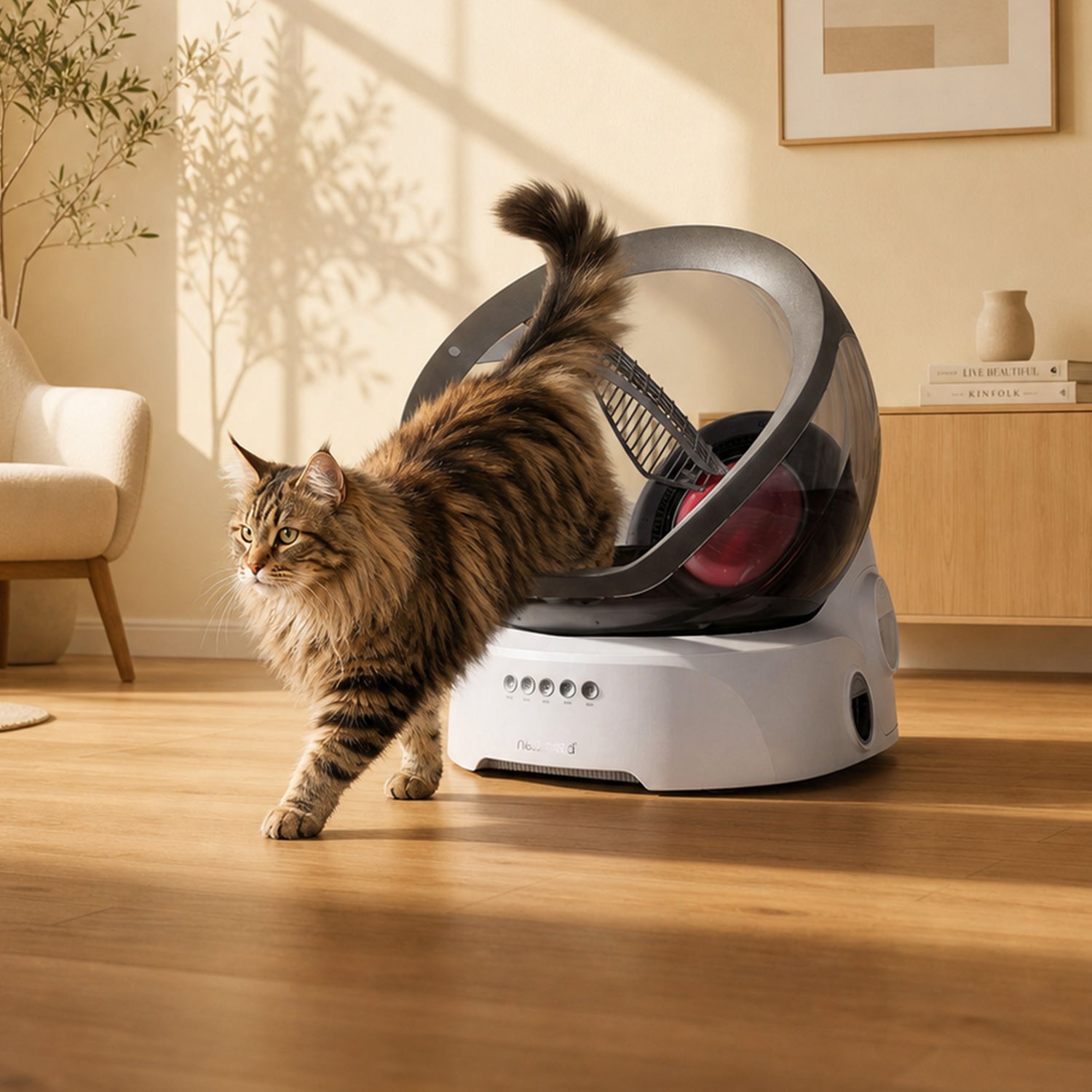
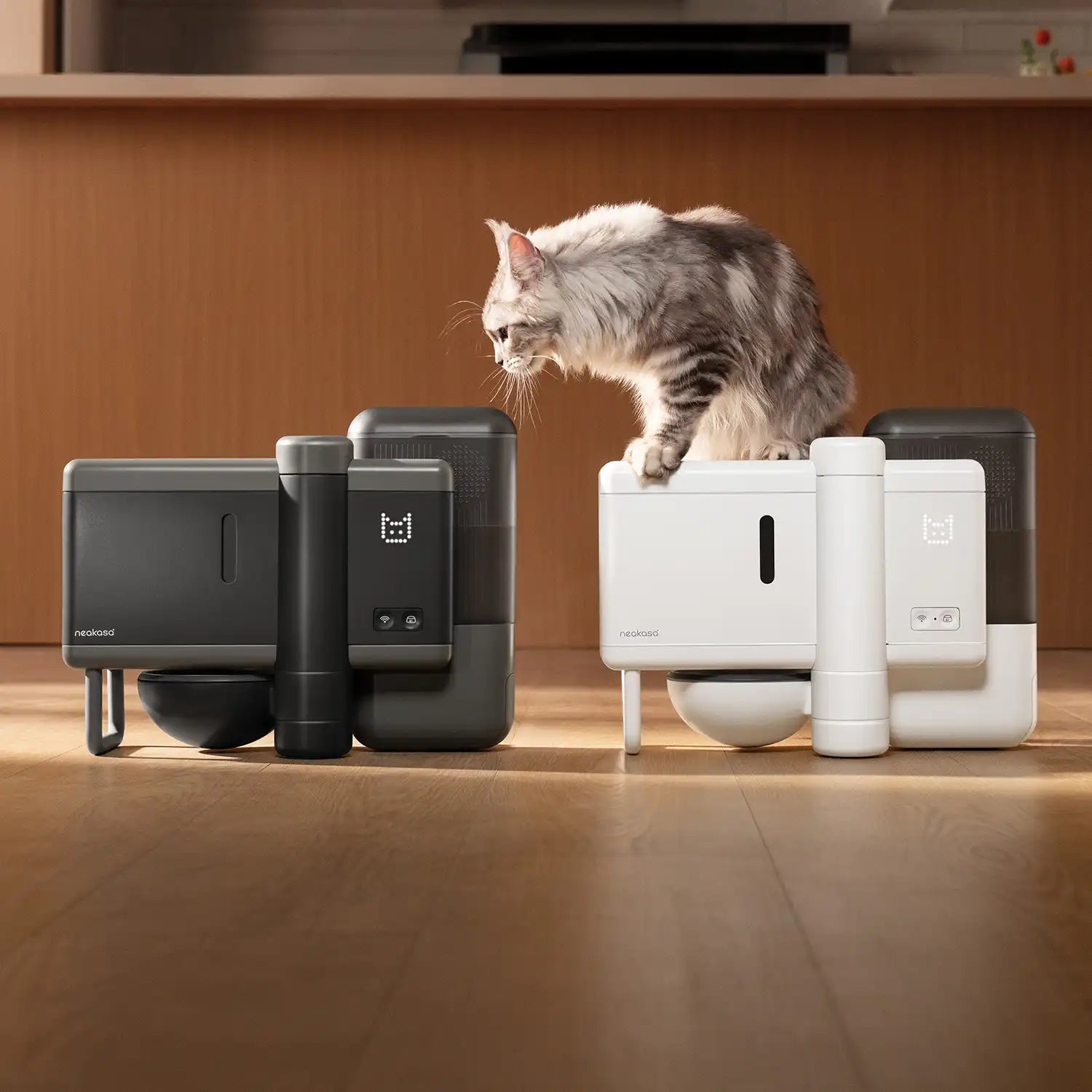
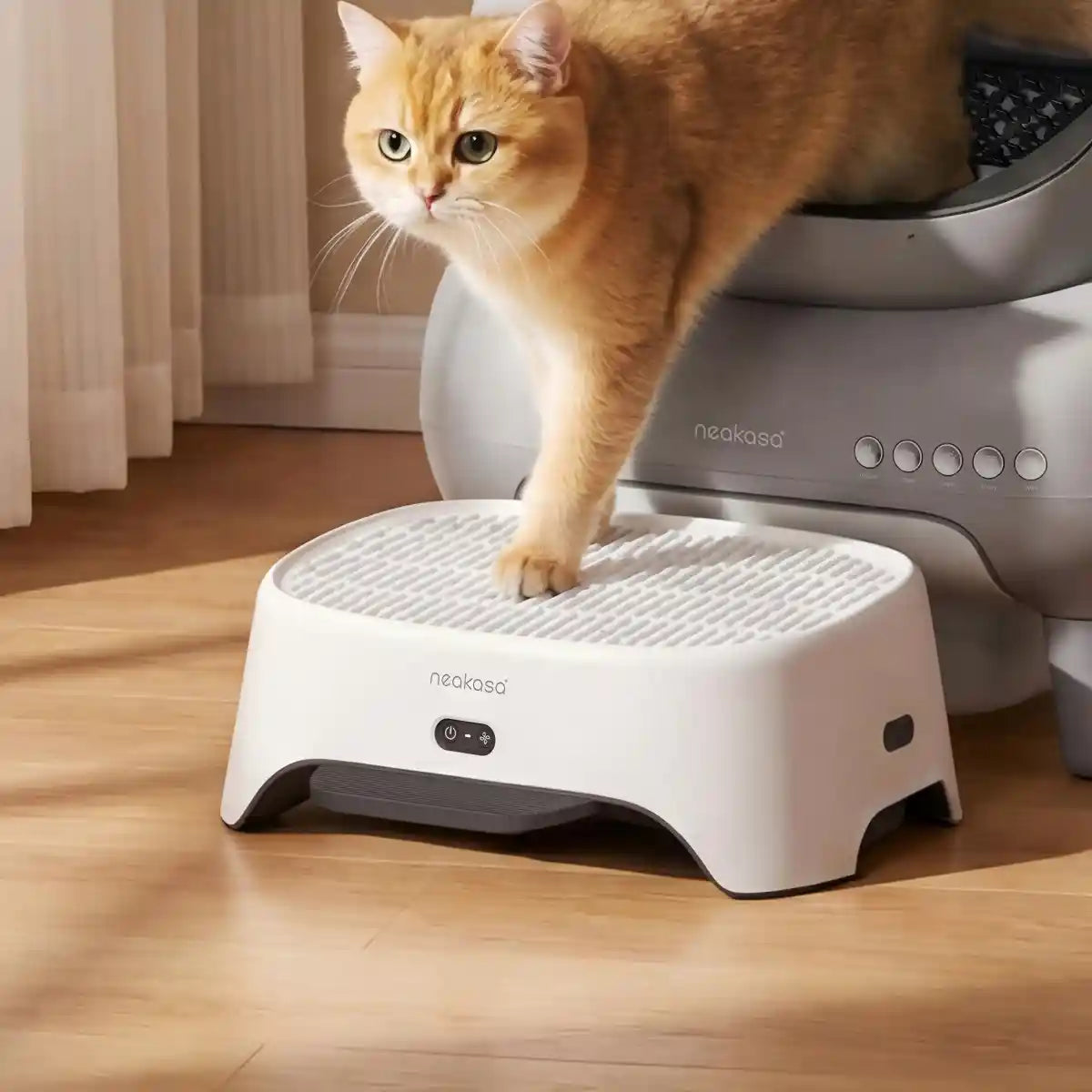
This is where smart home technology shifts from a luxury to a critical health tool. Upgrading to a device like the Neakasa Automatic Litter Box allows you to monitor your cat’s digestive health with precise data.
- Real-Time Tracking: The Neakasa app logs exactly when your cat enters the box and how long they stay inside.
- Multi-Cat Recognition: Using precise weight sensors, the box knows exactly which cat is using it, creating individual health profiles for each pet.
- Early Warning Alerts: If your cat enters the litter box five times in one afternoon and stays for 10 minutes each time, but the waste bin's weight does not increase, the app will alert you to this abnormal behavior. This data empowers you to catch constipation (and other urinary issues) days before you would have noticed them manually.

- Enhanced sealing stops leaks, even for side-peeing.
- Self-cleaning removes waste without daily scooping.
- Open-top design ensures safety and easy access.
- Spacious interior fits cats, up to 33 lbs.
- Sealed bin locks odors for up to 14 days.
From $379.99
FAQs
Q1. Can I give my cat human laxatives or olive oil?
A1. No. Human laxatives are highly toxic to cats. Additionally, forcing your cat to swallow oils can cause fatal aspiration pneumonia (oil entering the lungs). Never use these home remedies without direct veterinary supervision.
Q2. Is it constipation or a urinary blockage?
A2. Straining to pee looks almost identical to straining to poop. If your cat frequently visits the litter box, cries, and produces little to no urine, it is likely a urinary blockage. A medical emergency that is fatal within 24-48 hours. If you are ever unsure, go to an emergency vet immediately.
Conclusion
Your cat’s litter box is the ultimate window into their internal health. By understanding the difference between normal digestion and the warning signs of constipation, you can save your feline friend from unnecessary pain and stress.
Do not wait for a 48-hour crisis. Encourage hydration, monitor their diet, and consider letting smart tech like the Neakasa Automatic Litter Box do the heavy lifting of tracking their health for you.

Leave a comment
All comments are moderated before being published.
This site is protected by hCaptcha and the hCaptcha Privacy Policy and Terms of Service apply.