
In everyday life, many cat owners face a confusing and unpleasant problem: a cat who normally uses the litter box suddenly starts pooping outside of it. This behavior can be frustrating, but it usually has a reason. Cats may poop outside the litter box because of litter box mistakes, medical discomfort, stress, or an unsuitable bathroom setup.
If the change happens suddenly, or if your cat’s stool looks abnormal, it is important to contact your veterinarian first. Once medical problems are ruled out, you can start improving the litter box environment, cleaning routine, and stress triggers that may be causing the issue.
- Cats may avoid the litter box if it is dirty, too small, hard to enter, poorly located, or filled with litter they dislike.
-
Medical reasons cats poop outside the box can include diarrhea, constipation, anal gland discomfort, or mobility problems, especially in senior cats.
- Stress, fear, multi-cat conflict, or negative litter box associations can also lead to inappropriate elimination.
This article focuses on cats pooping outside the litter box. If your cat is peeing on walls, beds, rugs, or floors, or spraying urine on vertical surfaces, read our guide to cat spraying vs peeing outside the litter box.
Common Litter Box Mistakes That Cause Cats to Poop on the Floor
The box itself causes many cases of cat poop on the floor. Cleanliness, litter type, location, size, design, and box availability all affect whether your cat feels comfortable using it.
Before assuming the problem is behavioral, check the most common litter box problems and setup mistakes. Small changes can make a big difference when a cat poops outside the box.
1. A Dirty Litter Box: The #1 Offender for Clean Cats
Cats are naturally clean animals. If the litter box is left uncleaned for too long, waste buildup, clumped litter, and odor can make the box unpleasant. Some cats may choose to poop outside the box rather than step into a dirty litter box.
To keep the litter box more inviting:
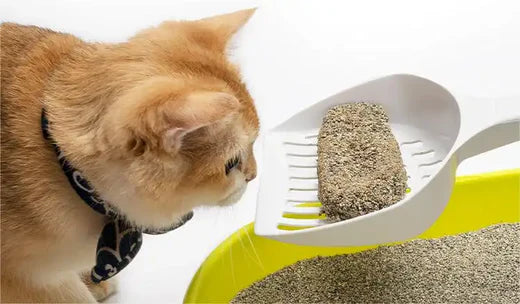
- Scoop daily.
- Replace litter regularly.
- Wash the box with mild, unscented soap.
- Avoid strong-smelling cleaners that may bother your cat.
If you have multiple cats or a busy schedule, a self-cleaning litter box can help maintain cleanliness more consistently. An automatic litter box can be especially useful for reducing waste buildup between manual cleanings.
2. Wrong Cat Litter: Picky Paws Reject Sudden Changes
Every cat has different preferences. Some cats like fine, soft litter, while others prefer larger granules. Many cats are also sensitive to strong fragrances, dust, or sudden changes in litter texture.
If your cat starts pooping outside the litter box after a litter change, the new litter may be the problem. Try these steps:
- Transition gradually instead of switching all at once.
- Mix old and new litter for several days.
- Avoid heavily scented litter.
- Watch how your cat responds after each change.
3. Poor Location: The Hidden Need for Privacy and Security
The location of the litter box matters more than many owners realize. A box placed in a noisy hallway, next to a washing machine, near busy foot traffic, or in a hard-to-reach area may make your cat feel unsafe.
Place the litter box in a quiet, accessible, and well-ventilated area. Avoid placing it too close to food and water bowls, since many cats prefer to keep their bathroom area separate from where they eat and drink.
4. Uncomfortable Design: Size, High Entries, or Enclosed Covers
A litter box that worked when your cat was younger may become too small as your cat grows. If the box is cramped, your cat may not have enough room to turn around, dig, squat, or cover waste comfortably.
- Large cats need enough space to move naturally inside the box.
- Senior cats may need a lower entry to reduce joint strain.
- Some cats dislike covered boxes because they trap odor or feel too enclosed.
If your cat poops next to the litter box, the cat may be trying to use the area but avoiding the box itself because the design feels uncomfortable.
5. Not Enough Boxes: The "N+1" Rule in Multi-Cat Homes
In multi-cat homes, one litter box may not be enough. Cats may compete for access, block each other from using the box, or avoid a box that already smells like another cat.
A good starting point is the “N+1” rule: provide one litter box per cat, plus one extra. For example, if you have two cats, place three litter boxes in different locations around the home.
Hidden Medical Reasons: When It's Time to See the Vet
Not every case of cat pooping outside the litter box is caused by behavior or the box setup. Sudden accidents may be linked to pain, urgency, digestive discomfort, or mobility problems. If your cat’s behavior changes suddenly, the stool looks abnormal, or your cat seems painful, contact your veterinarian.
1. Digestive Issues: Diarrhea, Upset Stomach, and Sudden Urgency
Diarrhea or digestive upset can make it hard for your cat to reach the litter box in time. Your cat may not be choosing to poop on the floor; the urgency may simply happen too quickly.
Watch for warning signs such as:
- Loose stool
- Blood or mucus in stool
- Vomiting
- Appetite changes
- Repeated accidents
2. Constipation: When Pooping Becomes Painful
Constipation can make pooping uncomfortable or painful. When this happens, a cat may start to associate the litter box with discomfort and avoid it, even after trying to use it.
Signs of constipation may include:
- Straining in or near the litter box
- Small, dry, or hard stools
- Crying or discomfort while trying to poop
- Reduced appetite
- Repeated trips to the box with little result
3. Anal Gland Discomfort: Painful Potty Trips
Anal gland discomfort can make defecation painful. If a cat feels pain while pooping, it may avoid the litter box because the box becomes associated with that discomfort.
Ask your veterinarian for help if you notice scooting, swelling, licking, pain, or a strong odor around the rear area. Do not treat anal gland problems at home unless your veterinarian has shown you exactly what to do.

4. Arthritis and Joint Pain: The Silent Struggle of Senior Cats
Senior cats or cats with joint pain may struggle to climb into a high-sided box or turn around inside a cramped one. This is a common reason older cats begin pooping outside the litter box.
For a senior cat arthritis litter box setup, consider:
- A lower entry
- A more spacious box
- An easy-to-access location
- An optional step or ramp if needed
Behavioral & Psychological Triggers: Stress and Anxiety
Cats are sensitive to routine, territory, and environmental changes. Stress can contribute to inappropriate elimination, especially when it happens together with litter box discomfort, dirty litter, or a negative experience near the box.
1. Environmental Stress: Routine Changes, New Pets, or Moving
Moving to a new home, bringing in a new pet, welcoming a new baby, hosting visitors, renovating the home, or changing daily routines can all affect your cat’s sense of security. A stressed cat may begin avoiding the litter box or choosing a different place to poop.
2. Negative Associations: Trauma or Fear of the Litter Box
If your cat experienced pain, loud noises, conflict, or an ambush near the litter box, it may begin to see that area as unsafe. Even after the original trigger is gone, the negative association can remain.
Make the litter box area calm, predictable, and easy to access. Avoid forcing your cat into the box or punishing accidents, since that can make the fear worse.
3. Territorial Marking: Defending Their Turf
Some cats may show waste-related behavior when they feel territorial stress from new pets, outdoor cats, unfamiliar smells, or household changes. However, cat pooping outside the litter box is usually a stress signal, not revenge or deliberate misbehavior.
Support your cat by keeping routines stable, providing vertical space, offering hiding spots, and giving each cat enough resources, including food bowls, resting areas, scratching posts, and litter boxes.
Step-by-Step Guide: How to Get Your Cat Back in the Litter Box
If you want to get your cat back in the litter box, start with the most urgent issues first. Then improve the environment and reduce stress so your cat feels safe using the box again.
Step 1: Immediate Actions
Address the most pressing health and hygiene factors to stop the cycle of inappropriate elimination.
- Rule out medical problems first: Sudden accidents are often caused by pain, urgency, or illness. Call your veterinarian if the behavior starts abruptly, your cat seems in pain, or their stool looks unusual. Medical issues must be ruled out before assuming the problem is behavioral.
- Clean accident areas with an enzyme cleaner: Regular household cleaners only remove the visible mess. You need a high-quality enzyme cleaner to completely break down the lingering odors and pheromones that attract your cat back to the exact same spot.
Step 2: Environment Optimization
Make the litter box a place your cat actually wants to use by improving cleanliness, accessibility, and location.
- Keep the litter box cleaner every day: Cats will avoid a dirty box. Scooping daily greatly reduces odor, clumps, and waste buildup.
- Use a larger, more accessible box: Make the box comfortable to use, especially for large or senior cats avoiding cramped spaces. Place it in a quiet, low-traffic location and avoid sudden changes to their litter brand.
- Add more boxes in multi-cat homes: Reduce competition by placing extra litter boxes in different areas of the house. This gives each cat more choices and prevents territorial standoffs.
Step 3: Emotional Support
Help your cat feel secure and less threatened, especially if they are affected by a recent move, new pets, visitors, or household changes.
- Stick to a consistent routine: Cats thrive on predictability. Keep feeding and playtime on a regular schedule to lower their anxiety.
- Create safe spaces: Use vertical space, cozy hiding spots, and scratching posts to give your cat areas where they feel confident and relaxed.
- Never punish your cat: Scolding or punishing your cat for pooping outside the box will only increase their stress and fear, making them even more likely to avoid the litter box entirely.
When a Self-Cleaning Litter Box May Help
A self-cleaning litter box cannot treat medical or behavioral issues. If your cat suddenly starts pooping outside the litter box, shows pain, constipation, diarrhea, or changes in appetite, contact your veterinarian first.
Once medical causes have been ruled out, a cleaner and more comfortable litter box setup may help if your cat avoids a box because of waste buildup, odor, limited space, or inconsistent scooping.
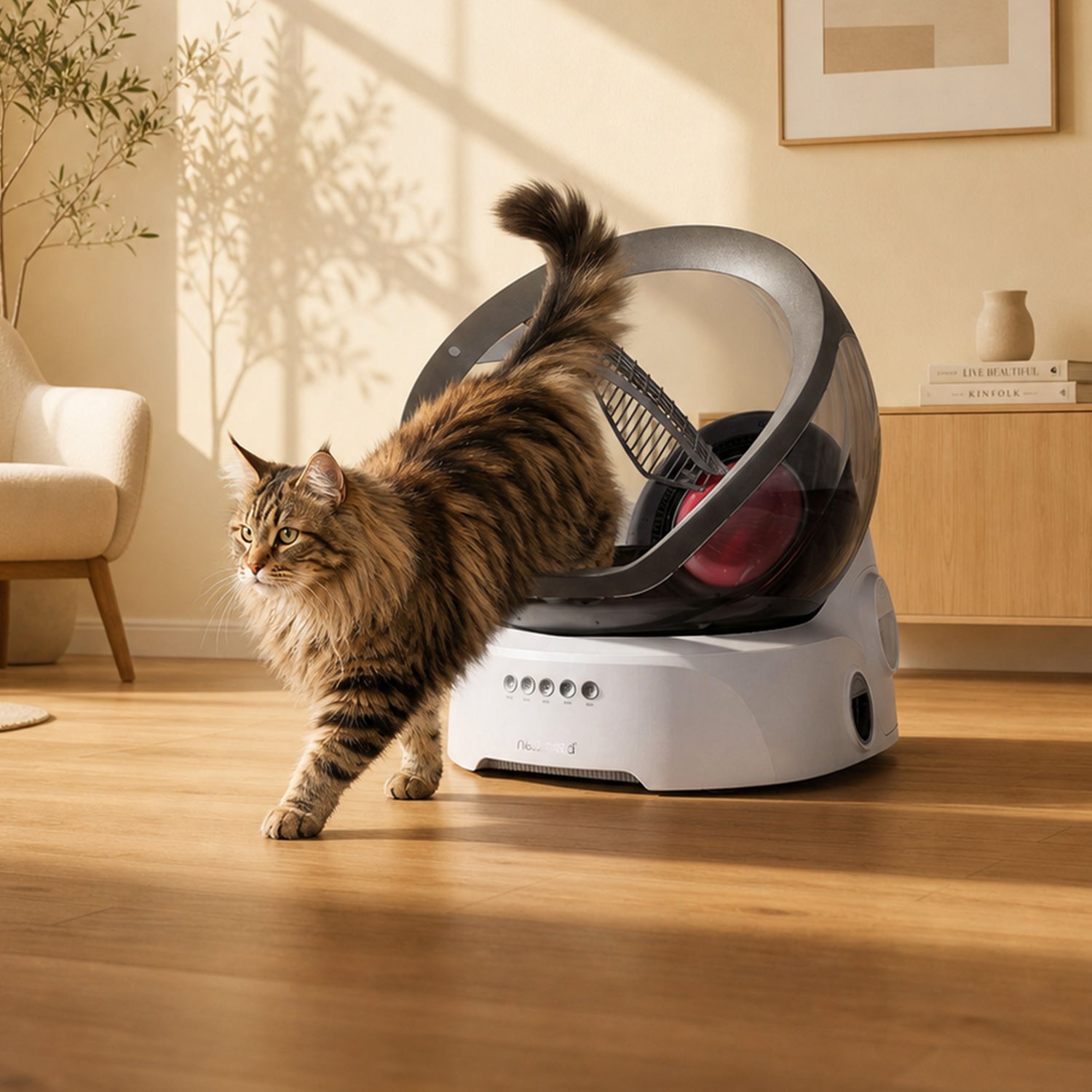
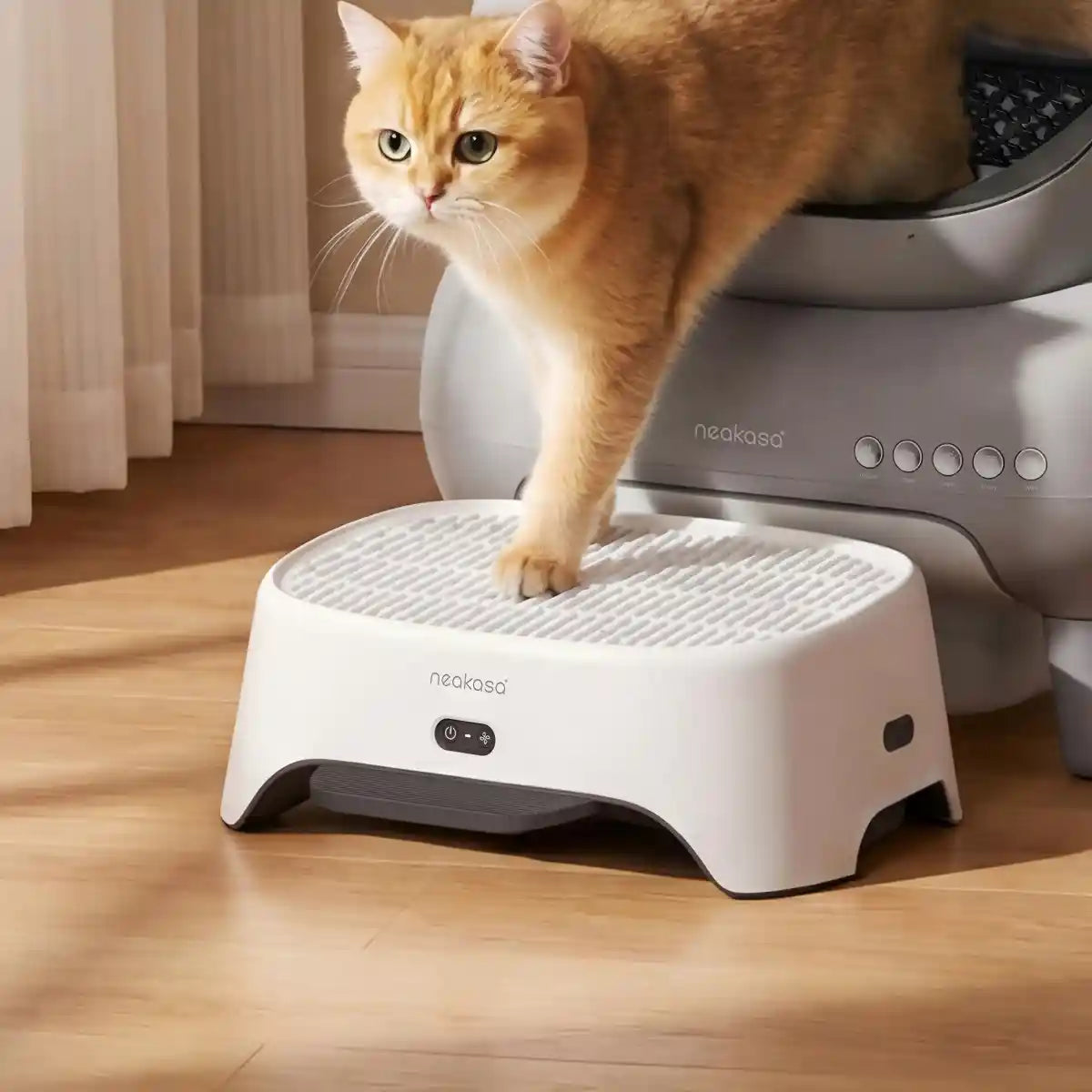
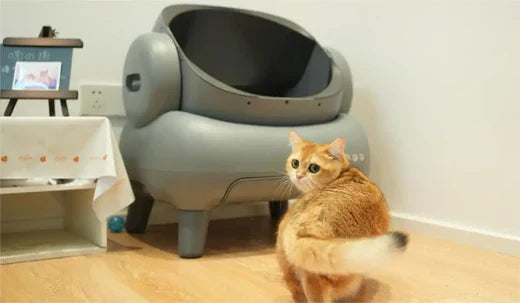
Neakasa M1 Plus may be a practical option for cats that prefer a cleaner, more open litter box environment. Relevant features include:
- Open-top design: Gives cats more visibility and room to move.
- Spacious interior: Helps cats turn around and use the box more comfortably.
- Automatic waste removal: Reduces waste buildup between manual cleaning sessions.
- Helpful for busy or multi-cat homes: Supports a more consistent cleaning routine when the box gets dirty quickly.
Introduce any new litter box gradually, keep the previous box available during the transition, and monitor whether your cat is comfortable using it.

- Enhanced sealing stops leaks, even for side-peeing.
- Self-cleaning removes waste without daily scooping.
- Open-top design ensures safety and easy access.
- Spacious interior fits cats, up to 33 lbs.
- Sealed bin locks odors for up to 14 days.
From $379.99
FAQ About Cats Pooping Outside the Litter Box
Q1. Why is my cat pooping on the floor but peeing in the litter box?
A1. This can happen when pooping is painful, urgent, or uncomfortable, while urination still feels normal. Constipation, diarrhea, arthritis, box size, or negative litter box associations may be involved. If it starts suddenly, check with your vet first.
Q2. Can a dirty litter box cause a cat to hold their poop?
A2. Yes. Some cats may delay using a dirty litter box or avoid it completely. Holding stool can worsen discomfort, so keeping the box clean and inviting is important.
Q3. How long does it take to retrain a cat to use the litter box?
A3. It depends on the cause. Some cats improve within a few days after the box is cleaned, moved, or upgraded. If the issue is medical, stress-related, or linked to a negative association, it may take several weeks of consistent changes, patience, and veterinary guidance.
Final Thoughts
When a cat starts pooping outside the litter box, there is usually a reason. Start by checking for medical warning signs, then review the litter box setup, including cleanliness, size, litter type, location, and accessibility.
Do not punish your cat for accidents. Instead, focus on solving the cause: make the litter box cleaner and more comfortable, reduce stress, and contact your veterinarian if anything seems sudden, painful, or abnormal.
A cleaner, more comfortable setup can help many cats return to better litter box habits. When the issue is related to litter box avoidance, odor, or cleaning consistency, Neakasa M1 Plus can support a cleaner daily routine for both cats and cat parents.

Leave a comment
All comments are moderated before being published.
This site is protected by hCaptcha and the hCaptcha Privacy Policy and Terms of Service apply.