
Cool and strange facts about cats are more than just entertaining trivia—they are the key to understanding feline care. A cat’s jumping abilities, hiding preferences, grooming habits, and sudden bursts of energy all point to specific needs.
By decoding these behaviors, owners can create an environment that prioritizes comfort, clean spaces, safe movement, and a litter box setup cats actually want to use.
- Built for balance: Cats need vertical spaces for jumping and climbing.
- Sensory whiskers: They rely on whiskers to gauge spatial limits, preferring open, uncrowded areas.
- Non-verbal communicators: Felines speak volumes through their posture, ears, and tails.
- Cleanliness experts: Frequent grooming highlights their need for highly sanitary environments.
- Quirky habits: Zoomies, kneading, and box-hiding are natural expressions of energy release, comfort, and security.
- Litter box critics: Cats actively avoid bathroom spaces that are dirty, cramped, noisy, or excessively scented.
Cool Facts About Cats: Anatomy & Senses
The coolest cat facts usually start with anatomy and senses. Cats are built to climb, balance, observe, and react quickly, which is why many everyday habits make more sense when you look at how their bodies work.
1. Built for Jumping and Balance
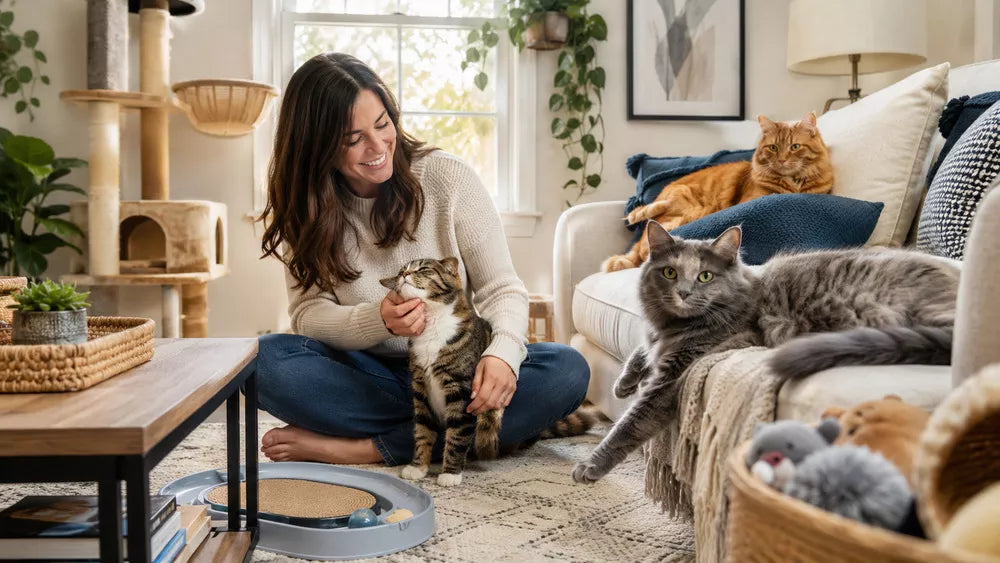
Cats are natural climbers and jumpers. Their flexible bodies, strong back legs, and balance help them move between furniture, window ledges, shelves, and cat trees. For indoor care, this means floor space alone is not enough. Cats often benefit from:
- Cat trees or wall shelves.
- Stable scratching posts.
- Safe window perches.
- Vertical resting spots in apartments or small homes.
2. Whisker Spatial Awareness
Whiskers help cats understand nearby objects and judge tight spaces. This is one reason some cats hesitate around narrow bowls, cramped carriers, small hiding spots, or litter boxes that feel too tight. A cat-friendly setup should give cats enough room to enter, turn, dig, stretch, and leave without feeling squeezed or blocked.
3. Low-Light Hunting Instincts
Cats are adapted for low-light activity and hunting-style movement. Even indoor cats may stalk toys, pounce from behind furniture, or become more active around dawn and dusk.
These instincts are normal. Owners can support them with safe indoor outlets such as wand toys, chase toys, climbing areas, and short play sessions.
4. Body Language Basics
Cats communicate through posture, tail position, ears, eyes, whiskers, and movement. Learning those signals helps owners understand whether a cat feels curious, relaxed, alert, or uncomfortable.
- Tail: Position and motion can suggest confidence, irritation, or curiosity.
- Ears: Forward ears may look alert; flattened ears may suggest stress.
- Posture: Stretching can look relaxed, while crouching may suggest caution.
- Eyes: Slow blinking may appear relaxed, while wide eyes can look more alert.

Strange Facts About Cats: Uncovering Quirky Habits
Strange cat habits often look funny, but they usually connect to energy, comfort, scent, or safety. Understanding the reason behind the behavior helps owners respond with a better routine.
1. Why Cats Get "Zoomies."
Zoomies are sudden, frantic bursts of running or darting around the home. They usually happen after a long nap, after using the litter box, or during their naturally active hours. Common triggers include:
- Extra energy that needs an outlet
- Hunting-style play instincts
- A lack of play or enrichment earlier in the day
2. The Science of Kneading (Making Biscuits)
Kneading is a comforting behavior carried over from kittenhood. Cats knead blankets, beds, or even you when they feel deeply relaxed.
It also serves a practical purpose: kneading helps cats mark a familiar resting spot with their unique scent.
3. The Obsession with Cardboard Boxes
Cardboard boxes give cats a small, protected vantage point. A box feels secure because the cat can observe the room without being exposed.
This is exactly why providing quiet hiding places is crucial, especially in homes with visitors, children, or other pets.
Strange Litter Box Facts Every Owner Should Know
Litter box behavior is where cat facts turn into daily care decisions. If your cat avoids the box or hesitates near it, the issue is almost always related to cleanliness, space, noise, or placement.
Why Cats Refuse a Dirty Litter Box
The ASPCA notes that cats generally prefer immaculate litter boxes. Cats will actively avoid bathroom areas that feel dirty, cramped, or stressful. Common reasons for litter box rejection include:
- Waste buildup or strong odors
- A box that is physically too small
- Litter texture or scent the cat dislikes
- A noisy or high-traffic location
The Preference for Open Layouts
Many cats prefer open litter box layouts because they offer clear visibility, easy entry, and a fast exit if startled. Open boxes also feel much closer to a traditional, natural litter pan.

How Cats React to Automatic Litter Box Noise
Automatic litter boxes are convenient for owners, but the sudden movement or mechanical sound can startle a cat if introduced too quickly.
To make the transition stress-free:
- Keep the old litter box available nearby.
- Let the cat explore the new box while it is powered off.
- Observe if the cat approaches or avoids the box.
- Turn on the automatic features only after they are comfortable.
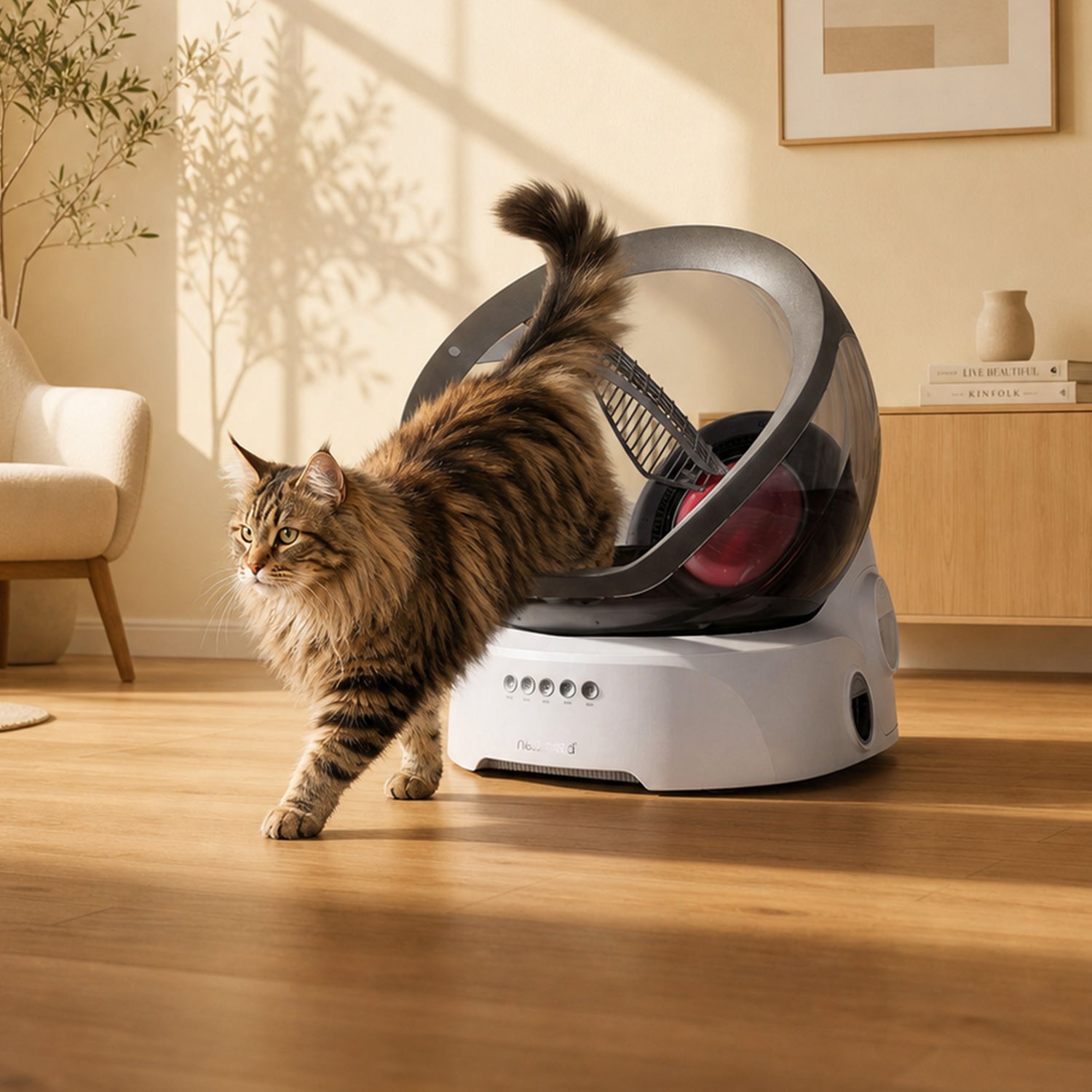
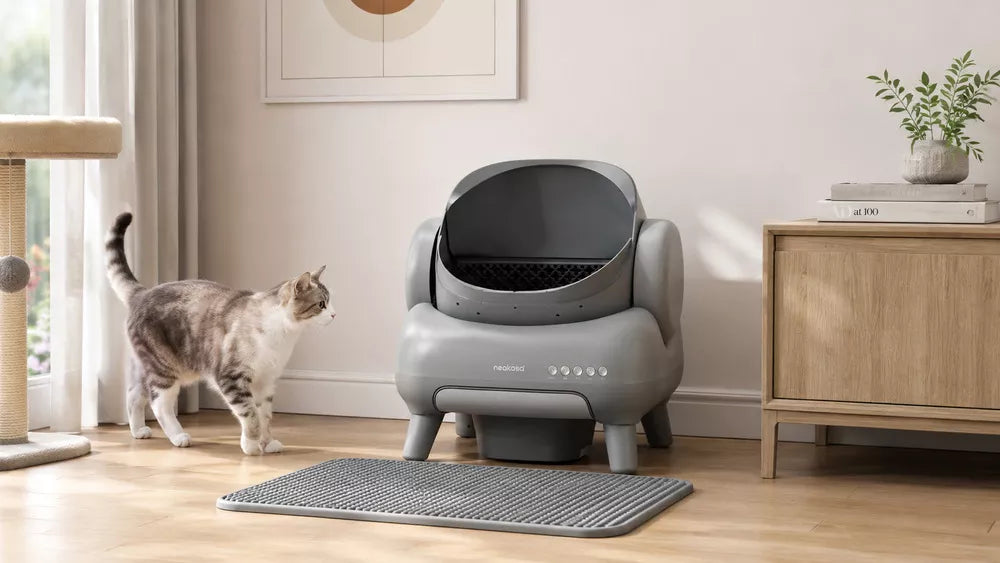
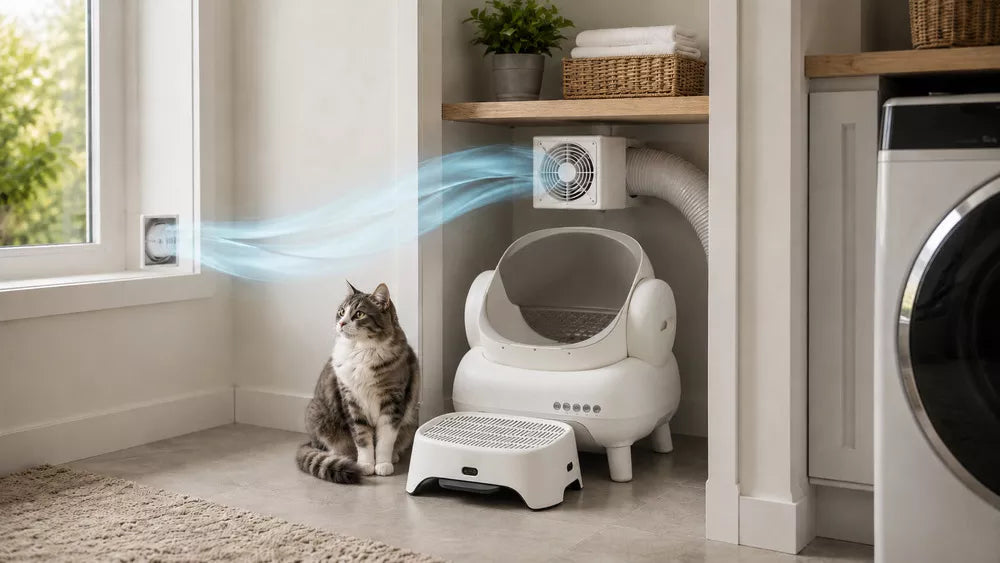
An open-top self-cleaning litter box, such as the Neakasa M1, is ideal for owners who want automation while keeping a familiar, unrestrictive layout for the cat.

- Enhanced sealing stops leaks, even for side-peeing.
- Self-cleaning removes waste without daily scooping.
- Open-top design ensures safety and easy access.
- Spacious interior fits cats, up to 33 lbs.
- Sealed bin locks odors for up to 14 days.
From $379.99
Translating Cat Facts Into Better Care
The point of learning cat facts isn't just to collect trivia. Each fact is a roadmap to making better choices about your home setup.
| Cat fact or behavior | What it may reveal | Care takeaway |
|---|---|---|
| Jumping and balance | Cats need vertical movement and observation points. | Add cat trees, shelves, or safe perches. |
| Whisker awareness | Tight spaces may feel uncomfortable. | Choose roomy bowls, resting spots, and litter boxes. |
| Low-light hunting instincts | Cats need safe outlets for stalking and pouncing. | Use wand toys, chase toys, and short play sessions. |
| Zoomies | The cat may need an outlet for energy. | Build daily play into the routine. |
| Box hiding | The cat may want security and control. | Provide quiet retreats. |
| Refusing a dirty litter box | The bathroom area may feel unpleasant. | Scoop regularly and manage odor early. |
| Reacting to automatic box noise | The cat may need a slower transition. | Introduce automatic boxes gradually and watch comfort cues. |
FAQ
Q1. What are some cool facts about cats?
A1. Cool facts include their incredible jumping ability, precise balance, whisker-based spatial awareness, low-light hunting instincts, and complex body-language communication.
Q2. What are some strange facts about cats?
A2. Strange facts include sudden zoomies, kneading (making biscuits), an obsession with cardboard boxes, and highly specific preferences regarding litter box cleanliness and space.
Q3. Why are cats picky about litter boxes?
A3. Cleanliness, scent, texture, size, entry style, noise, and location all directly affect whether a cat feels safe and comfortable using their box.
Final Thoughts: Facts Make You a Better Owner
Cat facts are useful because they help owners notice what cats need: room to move, clean spaces, safe hiding spots, predictable play, and a litter box area that feels comfortable.
If your cat suddenly changes litter box behavior, appetite, energy, or bathroom habits, contact a veterinarian. This article is for general education, and no litter box product should replace owner attention or veterinary care.

1 comment
Joy Lawton
How do I turn the WiFi off my M1? After I co netted it stopped cleaning after each cat uses now I manually need to dump why?
Leave a comment
All comments are moderated before being published.
This site is protected by hCaptcha and the hCaptcha Privacy Policy and Terms of Service apply.