
Statistics about cats show why cat care is such a large part of modern pet ownership. Cats are common household pets in the United States, and the simultaneous rise of overall cat ownership and multi-cat households makes thorough, long-term planning more important than ever.
Factors such as lifespan, natural behaviors, indoor cat care, and the everyday litter box routine all directly affect the real cost and responsibility of bringing a cat into your home.
- Massive Scale: Millions of U.S. households own cats, making them a cornerstone of the pet industry.
- The Multi-Cat Shift: Multi-cat households are becoming increasingly common, fundamentally changing how owners must plan for daily care.
- Long-Term Commitment: Cats are decades-long companions, requiring extended financial and emotional planning.
- Indoor Essentials: Indoor cats have strict baseline needs for environmental enrichment, appropriate scratching options, and highly sanitary litter areas.
- Litter Box Pressure: Litter box maintenance becomes exponentially more demanding as the number of cats in a single home increases.
Cat Ownership Statistics & Market Impact
Cat ownership statistics help explain the scale of the U.S. cat care market. They highlight why indoor routines, litter box maintenance, and multi-cat planning are daily realities for millions of owners.
1. How Many Households Own Cats?
According to the American Pet Products Association's (APPA) 2025 Dog & Cat Report, 49 million U.S. households currently own a cat, a significant jump from 40 million in 2023.
This growing figure is important because cat ownership creates recurring indoor care needs. To maintain a healthy home environment, owners must consistently manage:
- Food and veterinary care
- Litter and cleaning supplies
- Scratching options and enrichment
- A sustainable litter box routine
2. Are Multi-Cat Households Increasing?
Yes. The APPA's 2025 report points to a strong multi-cat trend, showing a clear shift away from single-pet homes over the last few years:
- Single-cat households: Decreased from 64% in 2018 to 58% in 2024.
- Two-cat households: Increased by 8% since 2018.
- Three or more cats: Increased by a massive 36% since 2018.
Why this matters: More cats amplify the daily care pressure on owners. Multi-cat homes require more strategic planning, particularly when it comes to hygiene. Owners must account for:
- Higher overall litter consumption
- More frequent scooping
- Higher risk of household odors
- More litter tracking around the home
- Careful monitoring of each cat's individual bathroom habits
This escalating daily workload is why multi-cat ownership is a natural bridge into advanced litter box planning, often driving owners to research automatic litter boxes as a time-saving solution.
Cat Lifespan and Long-Term Care Statistics
Statistics about cats should not only describe how popular cats are. They should also help new owners understand how long the responsibility may last.
1. How Long Do Cats Usually Live?
With appropriate care, many cats live well into their teens, and some even longer. The ASPCA emphasizes that bringing a cat home is a long-term responsibility that requires consistent attention to:
- Daily nutrition and grooming
- Litter box maintenance
- Stable, safe housing
- Ongoing veterinary attention
2. Why Long-Term Care Planning Matters
A cat will likely remain part of your household through major life events—moves, career shifts, relationship changes, and the cat's own senior years. Prospective owners must look beyond the excitement of adoption day and prepare for a decade or more of ongoing care.
A solid long-term plan should account for:
- Recurring monthly expenses: Consistent costs for food and litter.
- Medical care: Routine veterinary visits and inevitable older-age health needs.
- Lifestyle factors: Housing stability and navigating landlord pet policies.
- Sustainable habits: Establishing daily cleaning routines (like litter box maintenance) that remain manageable even when your life gets incredibly busy.
Cat Behavior Statistics and Daily Habits
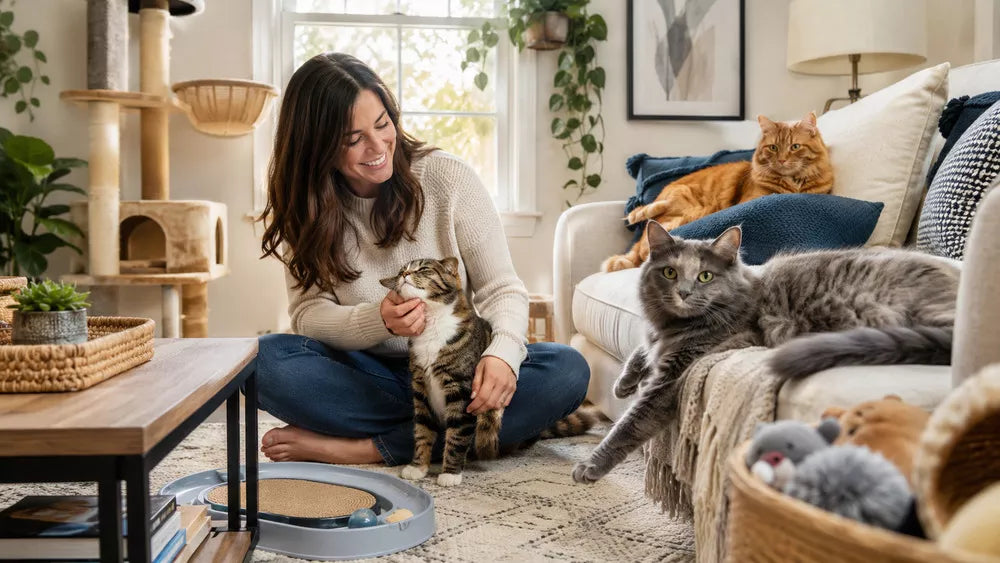
Cat behavior data is most useful when it helps owners make better daily choices. A cat's sleep patterns, activity levels, scratching habits, and need for enrichment all directly impact how well they adjust to living indoors.
1. How Much Do Cats Sleep?
Cats sleep for a large portion of the day, though exact sleep times vary based on age, health, activity level, and environment. However, these long rest periods do not mean cats require less care or engagement while they are awake.
2. Why Indoor Cats Need Enrichment
Indoor cats require intentional stimulation because their daily world is entirely limited to the home environment. The ASPCA's cat care resource hub emphasizes behavior and care guidance to help owners meet these indoor needs.
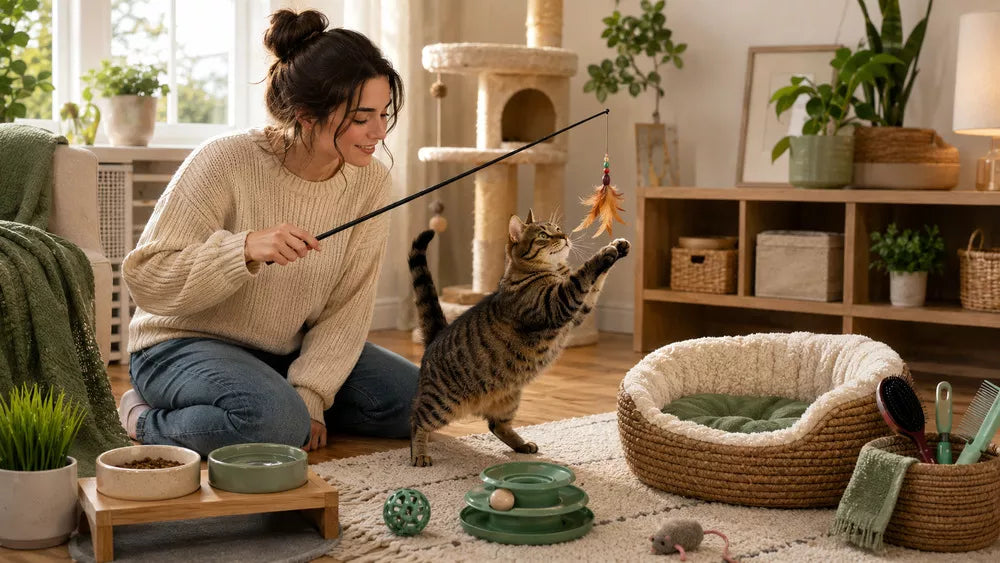
A practical indoor setup should actively support:
- Play and mental stimulation
- Climbing and vertical space
- Safe scratching surfaces
- Hiding spots for security
- Window watching opportunities
- Predictable daily routines

Litter Box & Indoor Cat Care Statistics
Litter box care is where cat ownership statistics translate into a daily household reality. More cats, smaller living spaces, and indoor-only routines elevate the importance of strict litter box maintenance.
1. Why Litter Box Maintenance Matters
Indoor cats rely completely on their provided litter boxes. More cats mean faster waste buildup, and odor can quickly become a problem when boxes are placed near living areas.
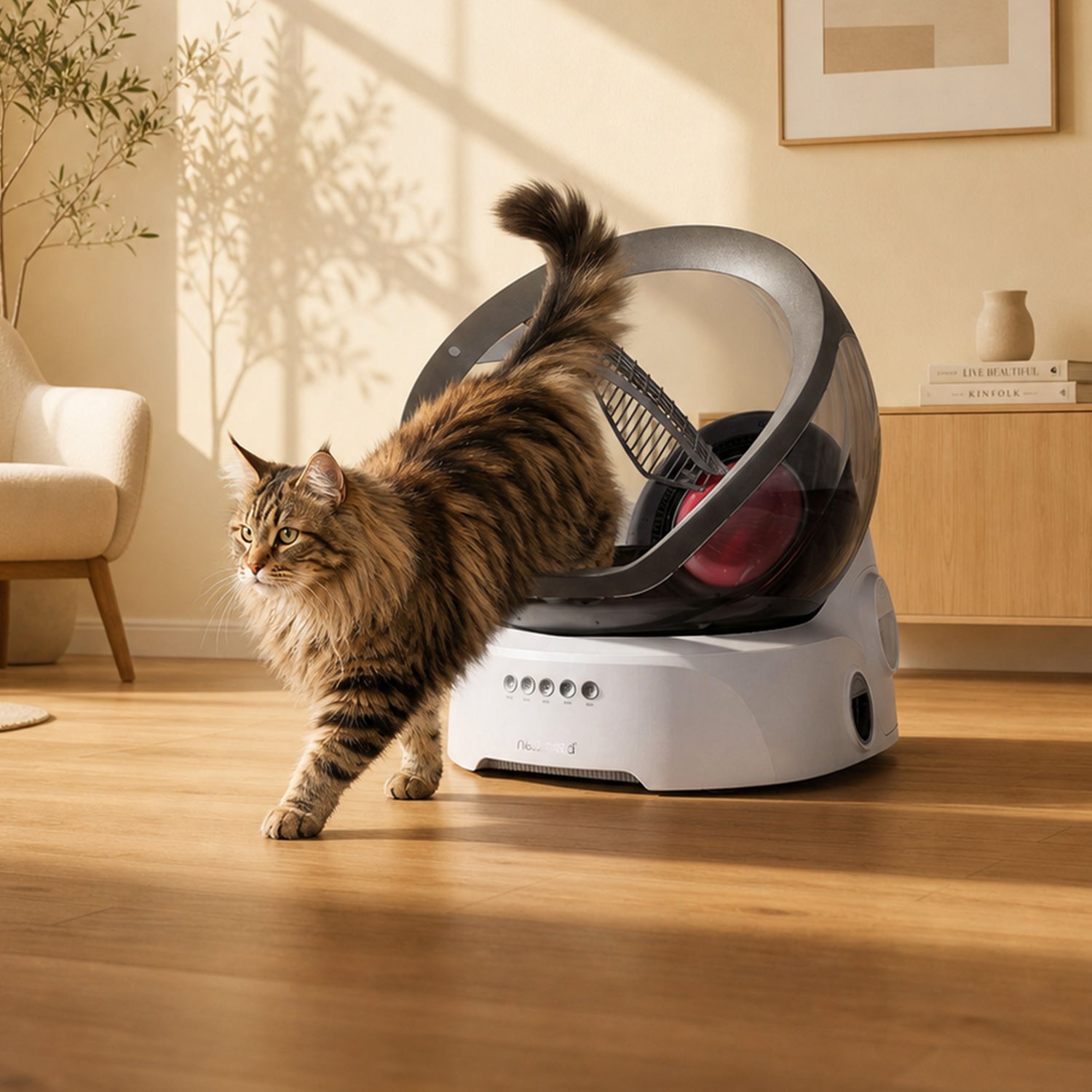
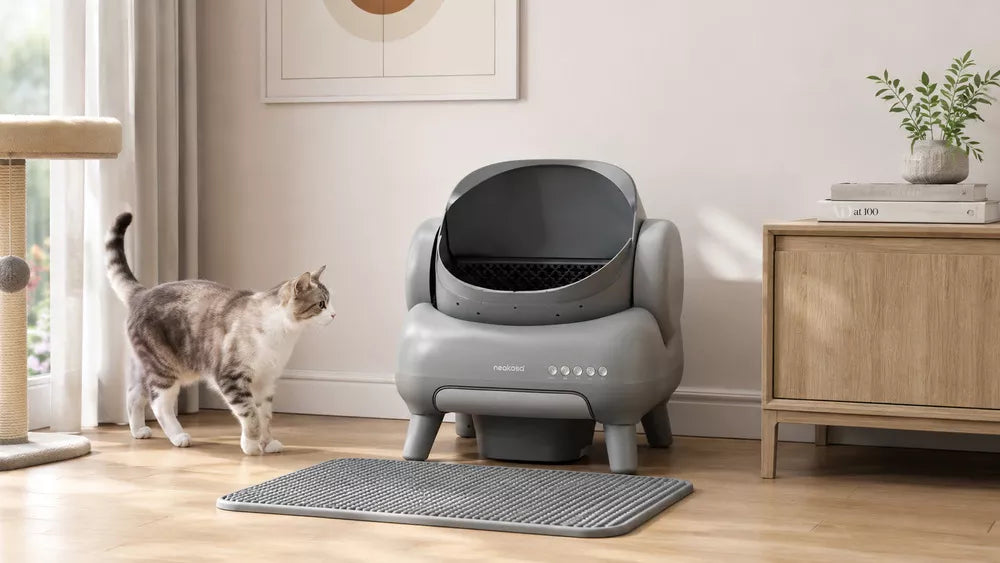
The ASPCA notes that cats generally prefer clean litter boxes, making frequent scooping essential for both home comfort and the cat's well-being. For owners struggling to keep up, a Neakasa cat litter box can be part of the solution when daily scooping, odor control, or multi-cat cleanup becomes a pain point.
However, it must be treated as a care tool, not a replacement for checking the box, changing waste bags, refilling litter, and cleaning the unit.

2. What Multi-Cat Homes Need to Consider
Multi-cat homes require a more rigorous hygiene routine because shared spaces become soiled much faster. Before choosing a setup, owners must evaluate:
- The total number of cats
- The number of litter boxes needed
- Required cleaning frequency
- Odor control and waste sealing capabilities
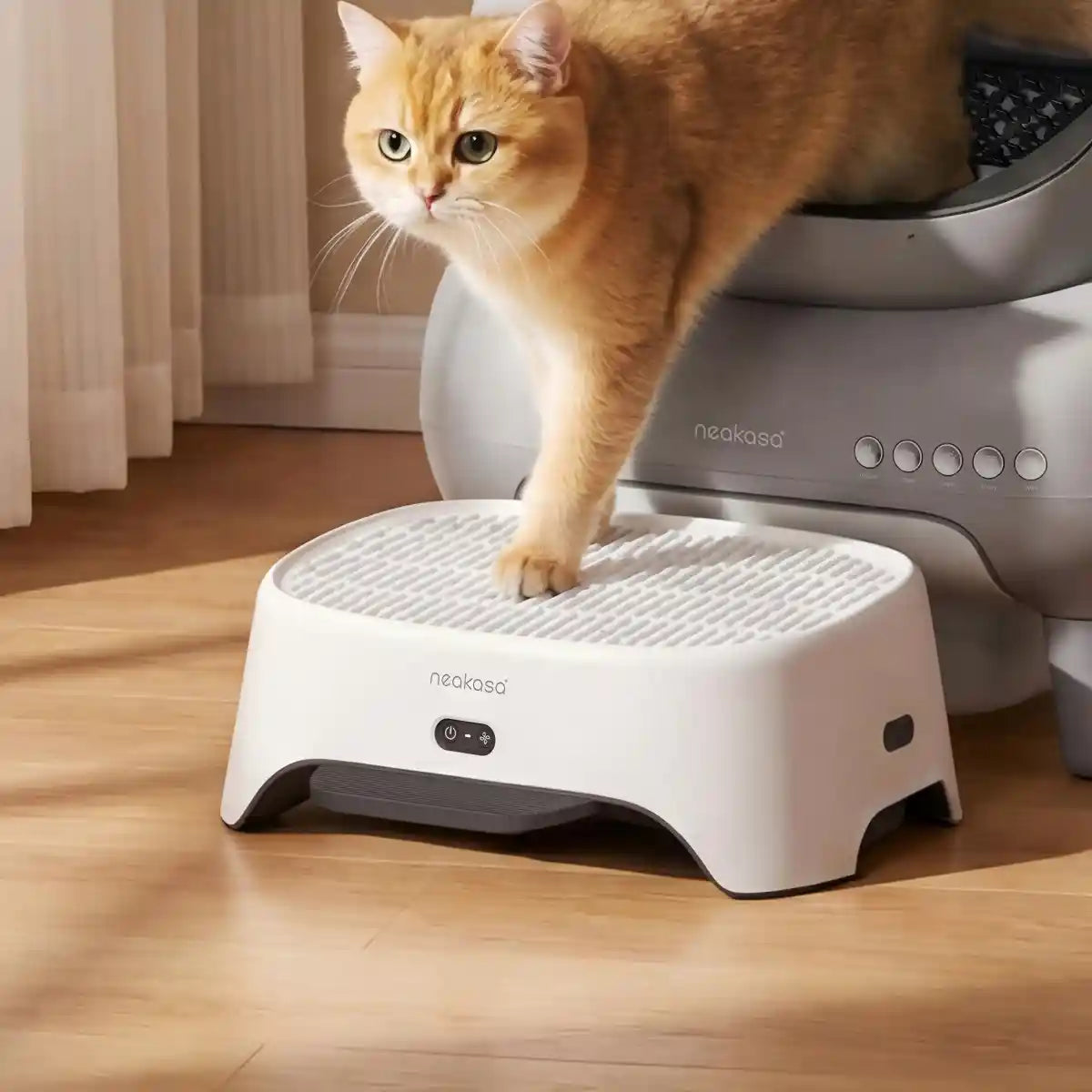
- Litter tracking prevention
- How to monitor each cat's individual habits
As multi-cat households grow, an automatic solution like the Neakasa M1 cat litter box can help reduce repetitive scooping, while app monitoring makes it easier to track individual litter habits. Its open-top layout may also feel closer to a traditional litter pan for cats that dislike enclosed spaces.
Note: Owners still need to regularly check the box, empty waste, refill litter, and clean the hardware.
Helpful Resource: For related setup guidance, see Neakasa's articles on whether an open-top cat litter box is better and how smart litter boxes can support multi-cat litter habit tracking.
Cat Adoption & Shelter Statistics
Adoption and shelter data help potential owners understand the gravity of bringing a cat home. Because shelter data fluctuates by year and reporting method, it is important to look at the broader context of animal welfare.
1. How Many Cats Enter Shelters?
Organizations like Shelter Animals Count publish national animal welfare dashboards. While their 2025 annual reporting provides current sheltering context, final cat-specific intake figures should always be verified through updated editorial reports before citing precise numbers.
2. What Adoption Statistics Mean for New Owners
Shelter statistics serve as a reminder that cats need permanent, stable homes—not just momentary affection. Before adopting, prospective owners should honestly evaluate the long-term responsibilities, including:
- Ongoing food and litter costs
- Routine and emergency veterinary care
- Litter box setup and daily cleaning
- Long-term housing stability
- Dedicated time for play, grooming, and health monitoring
Helpful Resource: For more practical indoor cleanup planning, read Neakasa's guide on how to keep the cat litter area clean.
What These Cat Statistics Mean for New Owners
The main value of cat statistics is practical. The numbers should help owners prepare for the daily care routine, not just prove that cats are popular.
| Statistic or trend | What it means | Owner takeaway |
|---|---|---|
| More cat-owning households | Cats are a major part of modern pet ownership. | Plan well beyond the excitement of the adoption moment. |
| More multi-cat households | More cats can mean more litter use, odor, and cleaning. | Build a stronger, scalable litter routine early. |
| Long lifespan | Cats may be part of the home for many years. | Budget for long-term food, litter, and routine vet care. |
| Indoor care needs | Indoor cats need enrichment and safe routines. | Provide play, scratching, climbing, and clean litter areas. |
| Litter box maintenance | Litter routines affect home comfort and hygiene. | A Neakasa cat litter box may help reduce repetitive scooping. |
| Adoption trends | Many cats need stable homes. | Adopt only when completely ready for long-term care.. |
FAQ
Q1. What are the most important statistics about cats?
A1. The most important statistics about cats include cat-owning household numbers, multi-cat household trends, lifespan planning, indoor care needs, litter box maintenance, and shelter or adoption data.
Q2. How many households own cats?
A2. APPA's 2025 Dog & Cat Report states that 49 million U.S. households own a cat, up from 40 million in 2023.
Q3. Are multi-cat households becoming more common?
A3. APPA's 2025 Dog & Cat Report indicates a shift toward more multi-cat households, including fewer single-cat households and more two-cat or three-plus-cat households compared with 2018.
Q4. How long do cats usually live?
A4. Many cats live into their teens, and some live longer. Before publishing an exact lifespan range, verify the figure against an approved veterinary or animal welfare source.
Q5. What do cat ownership statistics mean for new owners?
A5. Cat ownership statistics show that cats are common long-term companions. New owners should prepare for ongoing food, litter, vet care, enrichment, cleaning, and indoor cat routines.
Final Thoughts: What Cat Statistics Tell Us
Cat statistics clearly show that cats are popular companions, but they are not zero-cost or zero-effort pets. The rise of multi-cat households, indoor-only cats, and apartment living all make establishing a reliable litter routine more important than ever.
If litter box cleaning is the hardest part of your day, an automatic solution like the Neakasa M1 cat litter box can be an excellent support tool for your home. However, while it significantly reduces repetitive scooping, it does not replace the need for active human care, including waste disposal, litter refills, hardware cleaning, and paying attention to each cat's daily behavior and health.
Data Sources & Methodology
The statistics, trends, and care guidelines referenced in this article are verified through the following animal welfare and pet industry authorities:
- Cat Ownership & Multi-Cat Trends: American Pet Products Association (APPA), "2025 Dog & Cat Report." This report tracks the growth of single and multi-pet households across the U.S. Learn more at APPA.
- Lifespan & Behavioral Needs: American Society for the Prevention of Cruelty to Animals (ASPCA). ASPCA estimates the average lifespan of an indoor cat to be 13 to 17 years, and provides the baseline guidelines for indoor enrichment and litter box maintenance used in this article. Learn more at ASPCA.
- Shelter & Adoption Data: Shelter Animals Count (SAC), "2025 Annual Data Report." SAC is the most trusted collaborative database tracking national shelter intake, adoption, and capacity trends. View the full 2025 report.

Leave a comment
All comments are moderated before being published.
This site is protected by hCaptcha and the hCaptcha Privacy Policy and Terms of Service apply.