

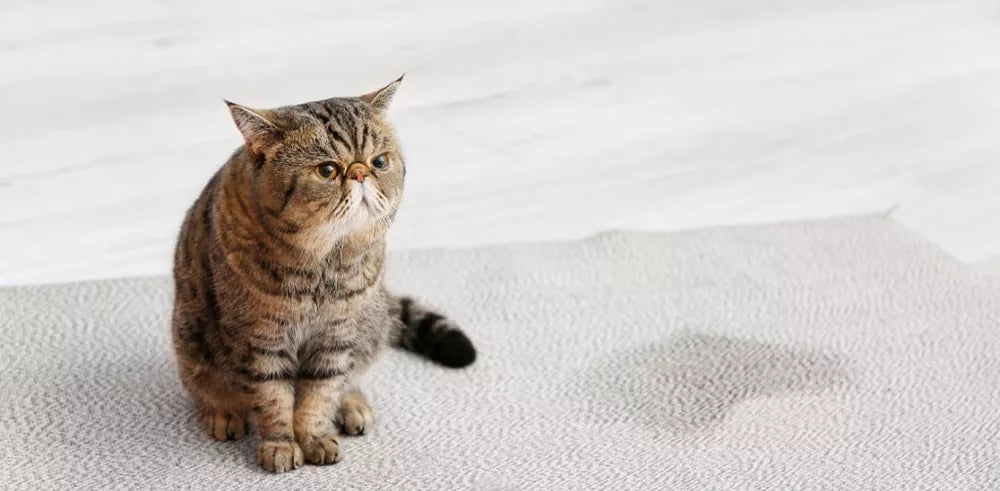
We all love our cats, but no one loves the litter box. Beyond the daily scooping and smells, every pet owner should ask: Are there dangers of cat litter to humans?
Yes. Traditional boxes can harbor unseen biological threats, airborne dust, and chemical irritants that compromise your family's health.
Fortunately, with modern solutions, these risks are entirely preventable. Let’s explore these hidden hazards and actionable prevention tips.
- Biological Threats: Cat feces can carry Toxoplasma gondii, a parasite particularly dangerous to pregnant women and the immunocompromised, but it requires 24 hours to become infectious.
- Airborne Hazards: Traditional clay litters release microscopic silica dust into the air, which can trigger asthma and respiratory issues.
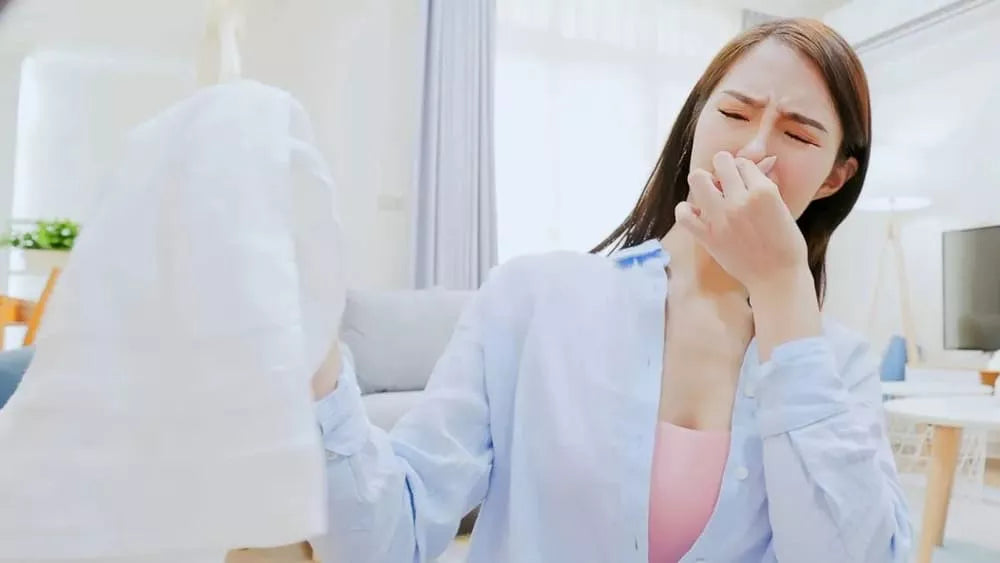
- Chemical Risks: Accumulated cat urine produces high levels of ammonia gas, causing eye irritation, headaches, and nausea.
- Modern Solutions: Upgrading to dust-free plant-based litters (like tofu litter) and utilizing automatic cat litter boxes are the most effective ways to eliminate these health risks at the source.
Major Health Risks Associated with Traditional Cat Litter
To fully protect your family, it’s crucial to understand exactly what you are bringing into your living space. Here are the three primary health risks associated with a standard cat litter setup:
1. Toxoplasmosis: Infection Risks for Pregnant Women
Toxoplasmosis is an infection caused by the Toxoplasma gondii parasite, which cats can shed in their feces. While most healthy adults experience mild or zero symptoms, the infection poses a severe risk to pregnant women, potentially leading to birth defects or pregnancy complications.
Key Facts About Transmission:
- The parasite spores in cat feces are not immediately dangerous.
- They typically need 1 to 5 days in the open environment to sporulate and become infectious to humans.
- Delayed scooping is the primary catalyst for this health risk.
2. Respiratory Hazards from Silica Dust in Clay Litter
If you use traditional clumping clay litter, you’ve likely noticed a cloud of dust every time you pour it or when your cat aggressively buries their waste. This dust often contains crystalline silica, a known respiratory irritant.
When humans inhale microscopic silica dust over a prolonged period, it settles deep in the lungs. Common symptoms of continuous exposure include:
- Mild coughing or throat irritation in healthy individuals.
- Triggered asthma attacks or severe allergic reactions.
- Long-term respiratory decline and compromised indoor air quality (IAQ).
3. Ammonia Gas Exposure from Dirty Litter Boxes
Cat urine is highly concentrated. When left sitting in a traditional litter box, bacteria break down the urea, releasing strong ammonia gas.
Ammonia is a toxic, corrosive chemical. Even at low household levels, continuous exposure to ammonia fumes can cause:
- Red, watery, and itchy eyes.
- Chronic headaches and unexplained nausea.
- Respiratory tract irritation.
Vulnerable Groups: Who Needs to Be Extra Cautious?
While a dirty litter box is unpleasant for everyone, certain groups face elevated risks and need stricter prevention protocols:
| Vulnerable Group | Primary Health Risk | Why They Are at Risk |
|---|---|---|
| Pregnant Women | Toxoplasmosis Infection | There is a severe risk of the Toxoplasma parasite affecting fetal development. |
| Infants and Toddlers | Silica Dust Inhalation | Babies crawling on the floor are in the ““drop zone”” for tracked litter and settling dust particles. |
| Asthma & Allergy Sufferers | Respiratory Distress | Airborne clay dust and concentrated ammonia gas can immediately trigger severe breathing issues. |
| Immunocompromised Individuals | Bacterial Infections | Weakened immune systems make them highly vulnerable to secondary infections from handling cat waste. |
4 Effective Ways to Eliminate Litter Box Dangers
You don’t have to choose between your health and your cat. By upgrading your routine and equipment, you can completely neutralize these hazards.
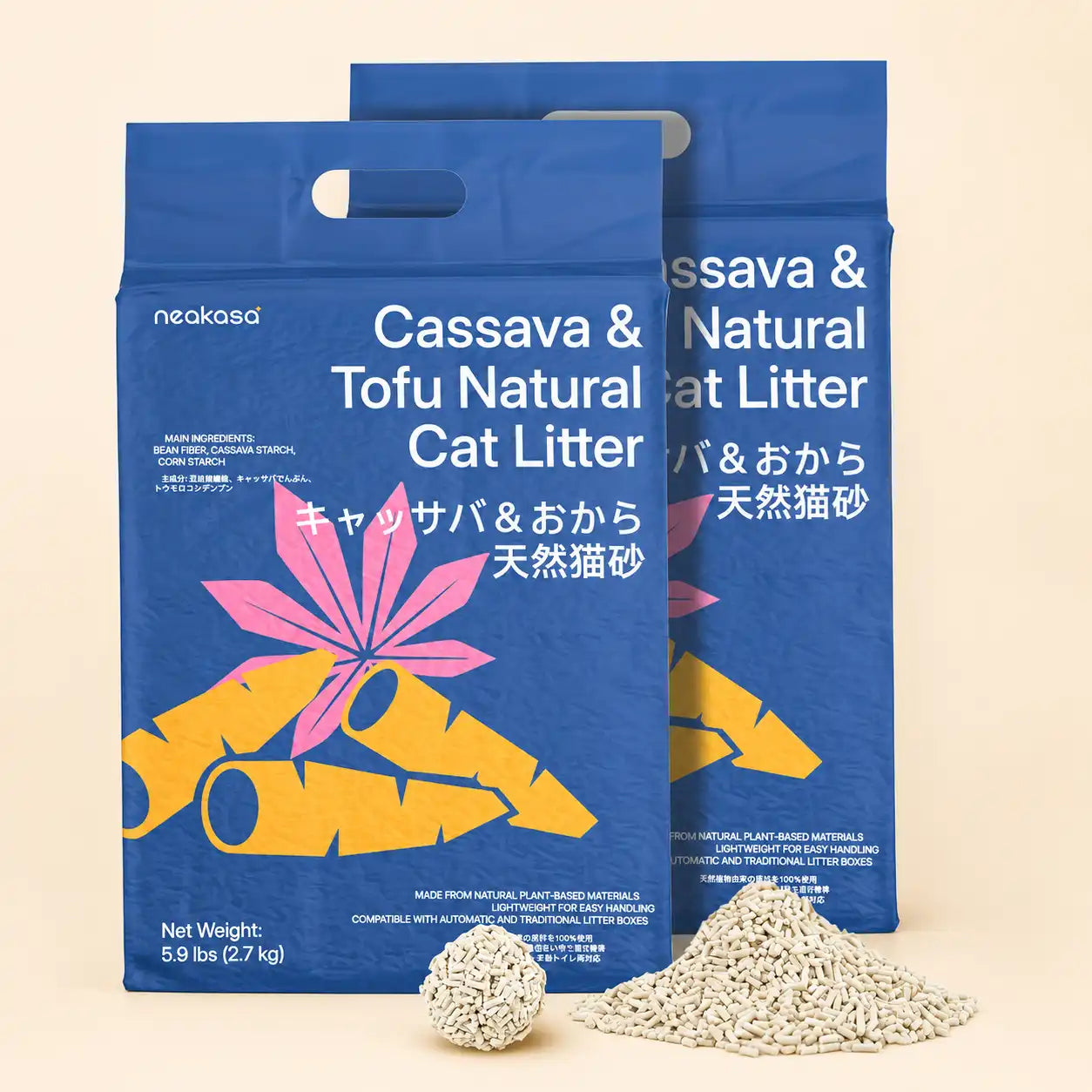
Way #1. Switch to Dust-Free Tofu Cat Litter
The easiest way to eliminate respiratory hazards is to ditch the clay. Tofu cat litter is a premium, plant-based alternative made from natural food-grade materials. It is typically 99% dust-free, meaning your cat won’t kick up harmful silica clouds into your living space.
| Feature | Traditional Clay Litter | Silica Gel (Crystal) | Plant-Based Tofu Litter |
|---|---|---|---|
| Dust Level | High (Silica dust) | Medium | Extremely Low |
| Respiratory Risk | High | Moderate | Safe / Non-irritating |
| Tracking | High | High | Low |
| Eco-Friendly | No (Strip-mined) | No | Yes (Biodegradable) |
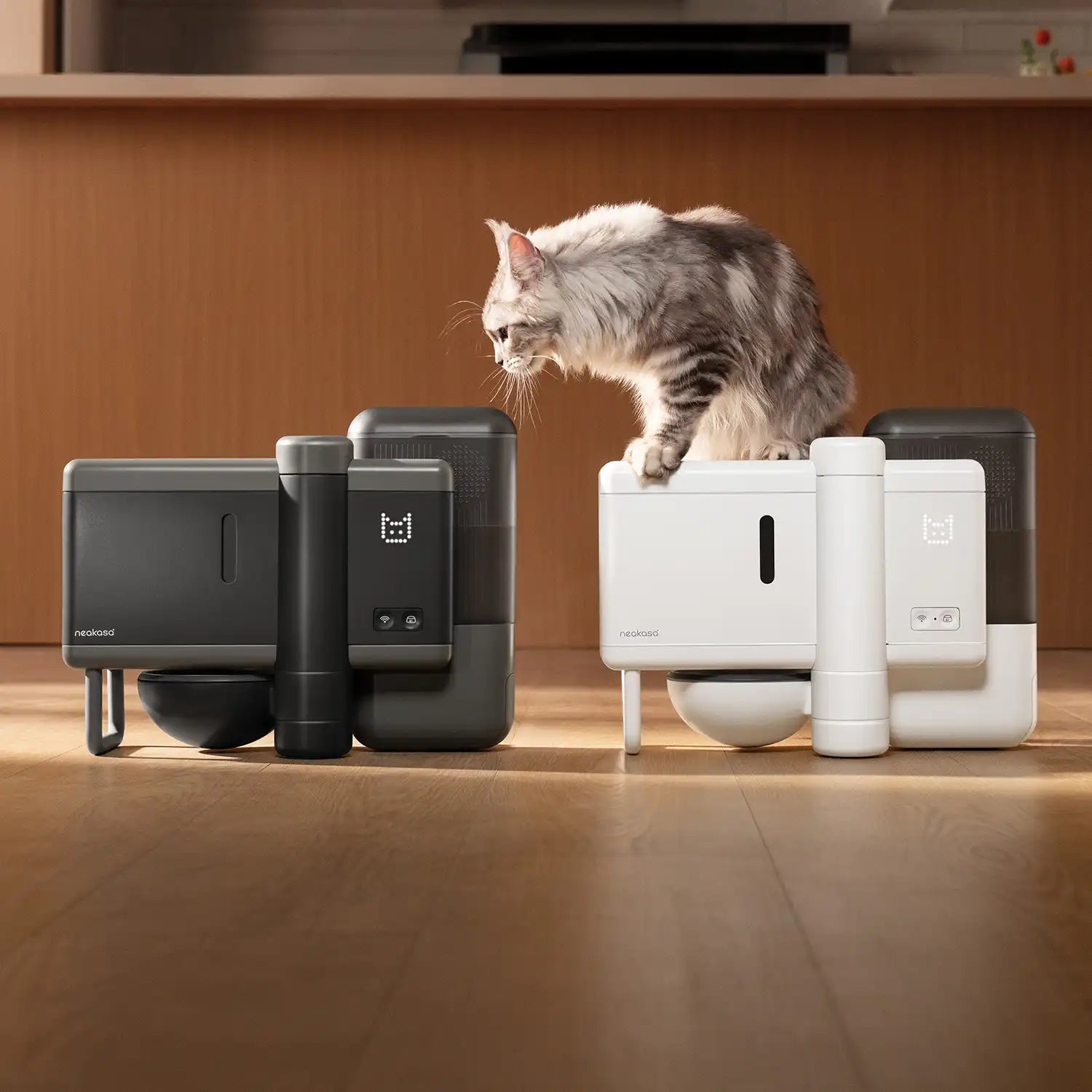
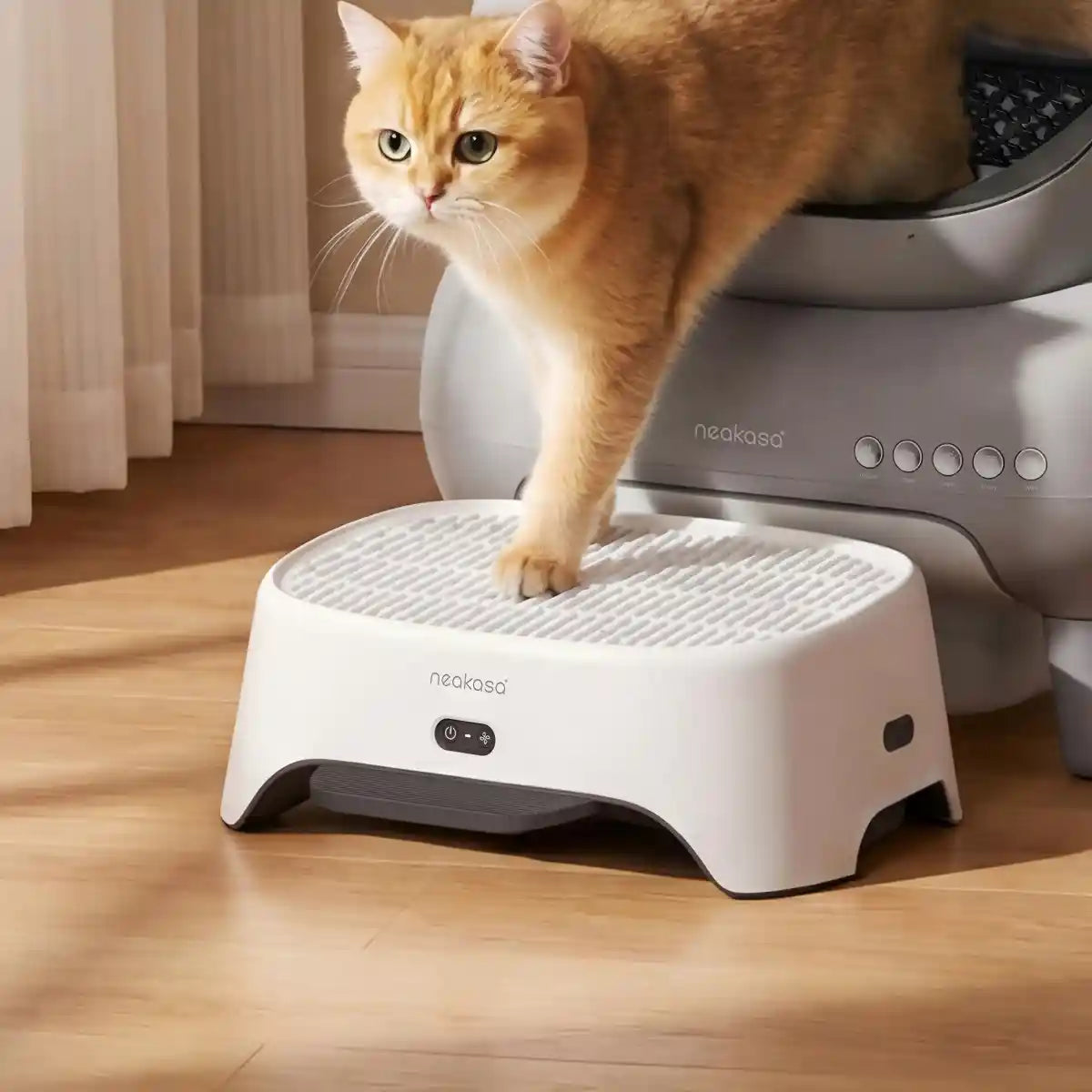
Way #2. Upgrade to an Automatic Cat Litter Box
If you want to eliminate the risk of toxoplasmosis and ammonia gas, an automatic cat litter box is the ultimate upgrade. Because the machine scoops the waste mere minutes after your cat uses it, feces are sealed away long before the 24-hour mark required for toxoplasmosis to become infectious.
Why Smart Litter Boxes Protect Human Health
| Health Factor | Traditional Litter Box | Automatic Litter Box |
|---|---|---|
| Waste Exposure | High (Requires daily manual scooping) | Zero (Automated scooping & sealing) |
| Toxoplasmosis Risk | Moderate (If waste sits >24 hours) | Eliminated (Cleaned instantly) |
| Ammonia Buildup | High (Evaporates into the room) | None (Locked in an odor-proof bin) |

- Enhanced sealing stops leaks, even for side-peeing.
- Self-cleaning removes waste without daily scooping.
- Open-top design ensures safety and easy access.
- Spacious interior fits cats, up to 33 lbs.
- Sealed bin locks odors for up to 14 days.
From $399.99
Way #3. Implement a Strict 24-Hour Scooping Routine
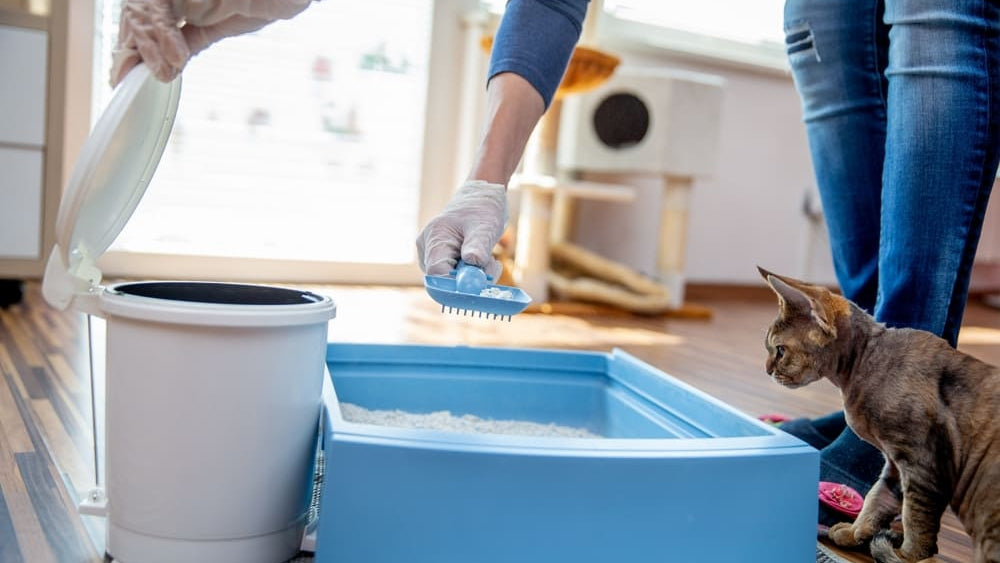
If an automatic litter box isn’t an option right now, you must establish a strict manual scooping Standard Operating Procedure (SOP) to protect your family:
- Scoop Twice Daily: Never let waste sit longer than 12-24 hours.
- Wear Protective Gear: Use a disposable mask and gloves when handling clay litter to avoid inhaling dust.
- Wash Immediately: Wash your hands thoroughly with antibacterial soap right after scooping.
- Deep Clean Weekly: Empty the box completely and wash it with mild dish soap and warm water every week.
Way #4. Improve Litter Box Ventilation and Placement
Where you put the litter box dramatically affects your home’s air quality. Follow these placement rules:
| ✅ DO | ❌ DON’T |
|---|---|
|
|
FAQs
Q1. Can breathing in cat litter make you sick?
A1. Yes. Inhaling silica dust from traditional clay litters can irritate lungs and trigger asthma. Additionally, prolonged exposure to ammonia gas from dirty boxes can cause headaches and nausea. Switching to a dust-free, natural litter is highly recommended.
Q2. Is it safe to keep a cat litter box in the bedroom?
A2. No. Keeping a litter box in your sleeping area exposes you to airborne dust, microscopic tr. acking, and ammonia gas. This can negatively impact both your respiratory health and overall sleep quality.
Q3. What is the safest cat litter for humans with asthma?
A3. Natural, low-dust litters are the safest. High-quality tofu cat litter, paper pellets, or pine litter are excellent choices because they are practically dust-free and contain no irritating silica.
Q4. Do automatic cat litter boxes really reduce health risks?
A4. Absolutely. By instantly removing and sealing away waste, automatic litter boxes prevent Toxoplasma spores from becoming infectious and stop ammonia gas from contaminating your air, drastically minimizing your physical contact with waste.
Conclusion
The dangers of cat litter to humans are real, but they shouldn’t cast a shadow over the joy of pet ownership. By understanding the risks of toxoplasmosis, silica dust, and ammonia, you can take proactive steps to protect your family.
Upgrading to natural, dust-free alternatives like tofu litter and investing in a smart, automatic cat litter box are the most effective ways to ensure your home remains a safe, fresh, and happy environment for both you and your cat.

Leave a comment
All comments are moderated before being published.
This site is protected by hCaptcha and the hCaptcha Privacy Policy and Terms of Service apply.