
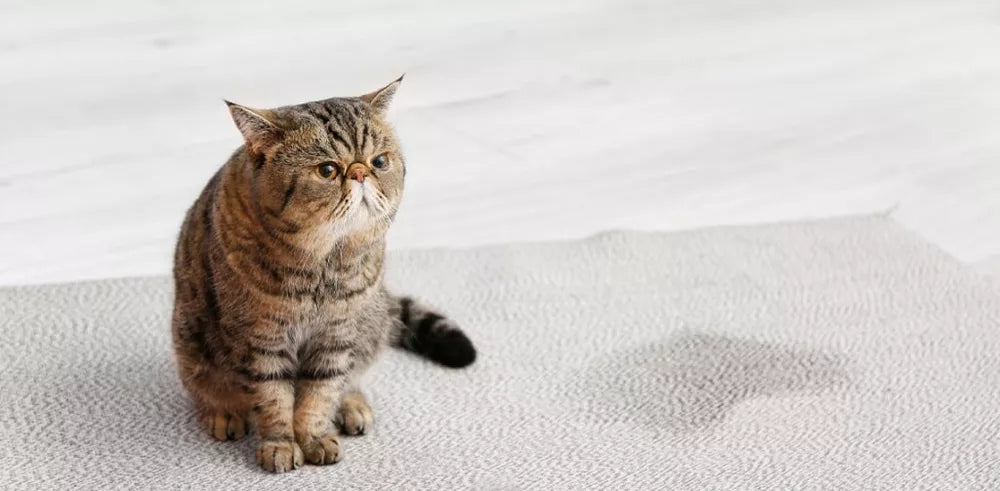
When a cat pees outside the litter box, it is not revenge or spite. It is usually a signal that something has changed in the cat's body, environment, routine, or litter box experience. The first step is to figure out whether your cat is spraying, avoiding the box, or struggling with discomfort.
This guide explains why cats urinate outside the litter box, how to distinguish cat spraying vs. peeing, when the situation may need veterinary care, and how optimizing your litter box setup can help once health concerns have been addressed.
- Main Causes: Cats may pee outside the box due to urinary discomfort, stress, territorial spraying, or litter box aversion.
- First Step: If the behavior is sudden, painful, or frequent, always rule out a medical problem with a veterinarian first.
- Next Steps: Once health is cleared, focus on resolving environmental stress and optimizing the litter box setup.
Why Your Cat Is Peeing Outside the Litter Box
Cats may pee outside the box for several overlapping reasons. Urinary discomfort or illness is one of the most critical possibilities—especially with sudden inappropriate urination, straining, frequent litter box trips, or a complete refusal to use the box.
Stress can also drastically alter bathroom behavior. A move, a new pet, unfamiliar smells, schedule changes, or tension in a multi-cat household can make a cat feel insecure. Some cats respond by urine marking, while others avoid the box because its location no longer feels safe.
Additionally, the litter box setup itself is often the culprit. A dirty box, poor placement, cramped size, enclosed covers, strong litter scents, or unpleasant textures can all lead to litter box aversion.
- Body-related: Urinary discomfort, pain, mobility changes, or underlying illnesses.
- Environment-related: New pets, moving, outdoor cats visible from inside, loud noises, or routine changes.
- Box-related: Dirty, cramped, enclosed, poorly placed, or hard-to-enter litter boxes.
- Household-related: Multi-cat tension blocking access to the box or making one cat feel unsafe.
Tip: If odor is a lingering issue, always clean accident spots with an enzymatic cleaner. Check out our step-by-step guide on how to get rid of cat pee smell.
Cat Spraying vs. Peeing: Key Differences Explained
Cat spraying and regular peeing can both leave urine outside the box, but they look and function differently. Spraying is primarily a marking behavior, while peeing outside the box is typically related to medical, environmental, or litter box issues.
If you are unsure which behavior is happening, take it seriously. A cat straining, producing little urine, or suddenly missing the box must be evaluated by a veterinarian before assuming it is strictly behavioral.
| Sign | Cat Spraying | Cat Peeing Outside the Box |
|---|---|---|
| Target Surface | Vertical surfaces (walls, doors, furniture sides, curtains) | Horizontal surfaces (floors, rugs, beds, laundry, near the box) |
| Urine Amount | Small amount or a narrow streak | Larger puddle or fully soaked area |
| Body Posture | Standing, often with tail lifted and quivering | Squatting to empty the bladder |
| Common Locations | Pet entry points, windows, curtains, new furniture | Floor, rugs, bedding, bathtubs, laundry piles |
| Main Triggers | Territorial marking, stress, presence of nearby animals | Urinary discomfort, litter box aversion, physical access problems |
| First Action | Clean the area and identify stress/territorial triggers | Watch for pain/frequency and contact a vet immediately |
If you are unsure which behavior is happening, take it seriously. A cat straining, producing little urine, or suddenly missing the box must be evaluated by a veterinarian before assuming it is strictly behavioral.
Why Is My Cat Peeing on the Wall? (Understanding Vertical Marking)
A cat peeing on the wall is usually spraying or urine marking. Cats spray because they feel threatened, stressed, territorial, or insecure about changes in their environment.
Common spraying triggers include:
- A new cat, dog, or baby in the home.
- Stray or outdoor cats visible through windows or glass doors.
- Moving to a new home or remodeling.
- Bringing in new furniture or drastically rearranging rooms.
- Changes in your feeding, work, or daily family routines.
- Being an unneutered male or unspayed female.
- Multi-cat tension over food, resting spots, or litter boxes.
Clean all sprayed areas with an enzymatic cleaner to prevent the smell from inviting repeat offenses. Next, reduce the trigger: block views of outdoor cats, add more vertical resting spaces, and ensure every cat has safe access to essential resources.
When to See a Vet for Inappropriate Urination
Some urinary issues require immediate, prompt veterinary care. If your cat is trying to pee but cannot pass urine, contact an emergency veterinarian immediately. This is a life-threatening emergency, particularly for male cats.
Call a veterinarian right away if you notice:
- Straining to pee with no result.
- Frequent trips to the litter box producing little to no urine.
- Crying, yowling, or obvious signs of pain while urinating.
- Blood in the urine.
- Lethargy, extreme hiding, or loss of appetite.
- Vomiting alongside bathroom issues.
- Sudden, out-of-character bathroom behavior changes.
Disclaimer: This article is for general education and does not replace a professional diagnosis. Neakasa products are consumer litter box solutions, not medical devices.
Common Litter Box Setup Mistakes and Solutions
Once urgent health concerns are handled, evaluate the box itself. Cats are much more likely to use a box that feels clean, spacious, easy to access, and safe from ambushes.
| Litter Box Problem | Why It Bothers Your Cat | The Solution |
|---|---|---|
| Dirty litter box | Old clumps and feces make the box unsanitary and foul-smelling. | Scoop daily or upgrade to a reliable self-cleaning box. |
| Too few boxes | Cats hate sharing toilets, especially in multi-cat homes. | Follow the N+1 rule: one box per cat, plus one extra. |
| Enclosed/Covered boxes | Traps strong odors inside and restricts escape routes. | Switch to an open-top box with excellent visibility and airflow. |
| Box is too small | Cats need room to turn, dig, and posture properly. | Upgrade to a larger, more spacious box. |
| High entry walls | Older or arthritic cats struggle to climb over high sides. | Choose a box with a lower, senior-friendly entry point. |
| Scented litter | Artificial perfumes overwhelm a cat’s sensitive nose. | Switch to high-quality, unscented clumping litter. |
| Poor location | Noisy, hidden, or hard-to-reach areas make cats feel vulnerable. | Relocate boxes to quiet, easily accessible spaces. |
| Ambush points | One cat may bully or block another cat from exiting. | Provide multiple boxes in different rooms with clear escape paths. |
Proven Steps to Stop a Cat From Peeing Outside the Litter Box
The most effective plan involves calm, step-by-step troubleshooting. Never punish your cat—punishment increases anxiety and makes the behavior significantly harder to resolve.
-
Rule out medical causes.
Always start with a vet visit if the behavior is sudden. Straining, blood in the urine, crying, or frequent trips to the box are signs of underlying health issues that need immediate attention.
-
Clean accidents with an enzymatic cleaner.
Standard household cleaners will not completely remove the smell. Thoroughly soak spots with an enzymatic cleaner to permanently break down the uric acid so the area no longer smells like a bathroom to your cat.
-
Optimize the litter box setup.
Ensure you have enough boxes (one per cat, plus one extra). Place them in quiet, secure locations, scoop the waste daily, and try using soft, unscented clumping litter, which most cats naturally prefer.
-
Eliminate environmental and territorial stress.
Keep daily routines predictable and provide plenty of enrichment, like scratching posts and high perches. If outdoor neighborhood cats are sparking anxiety, use window film or outdoor deterrents to block their view.
-
Support multi-cat harmony.
Tension between cats is a major cause of litter box avoidance and spraying. Prevent guarding behavior by providing separate food bowls, water stations, and litter boxes in completely different areas of the house.
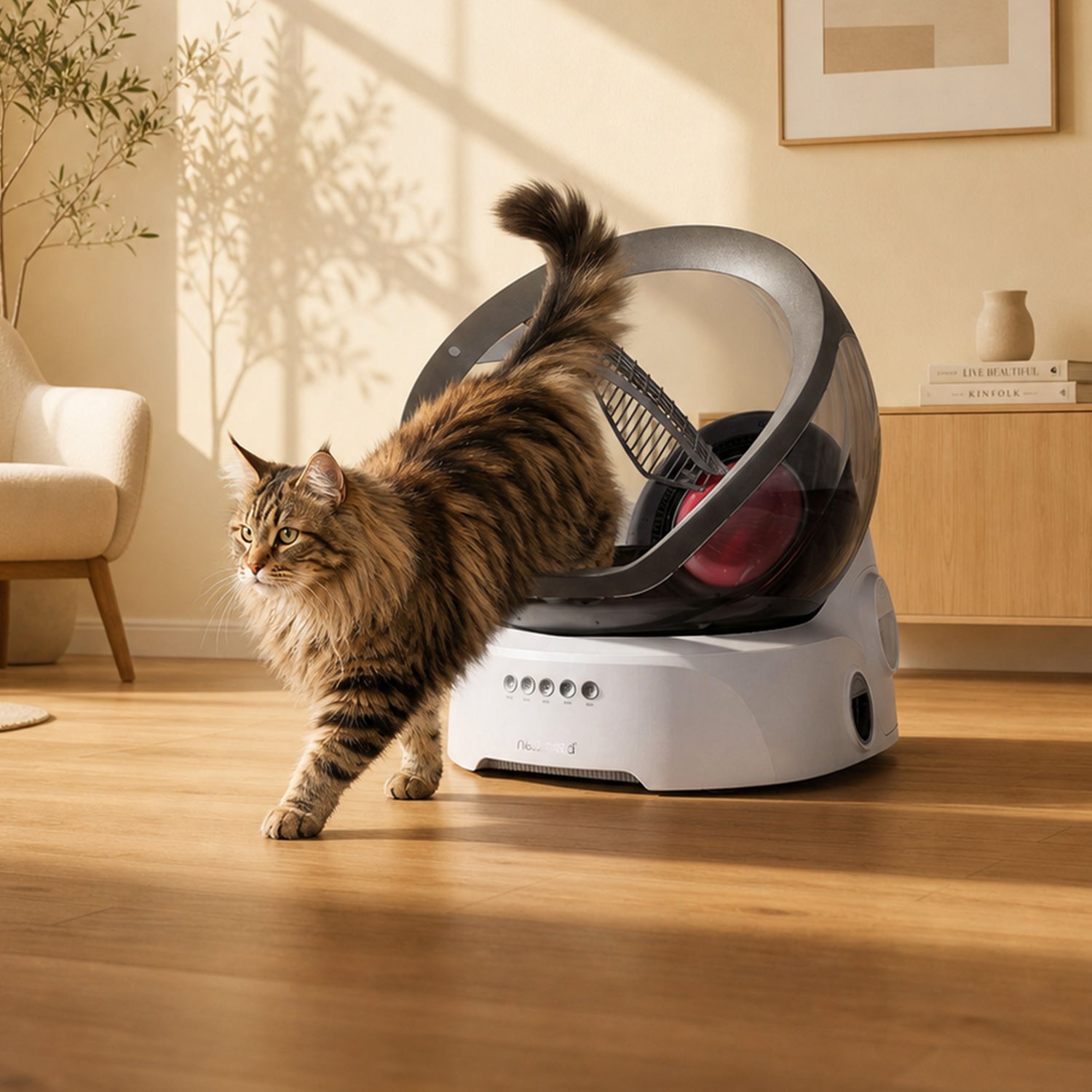
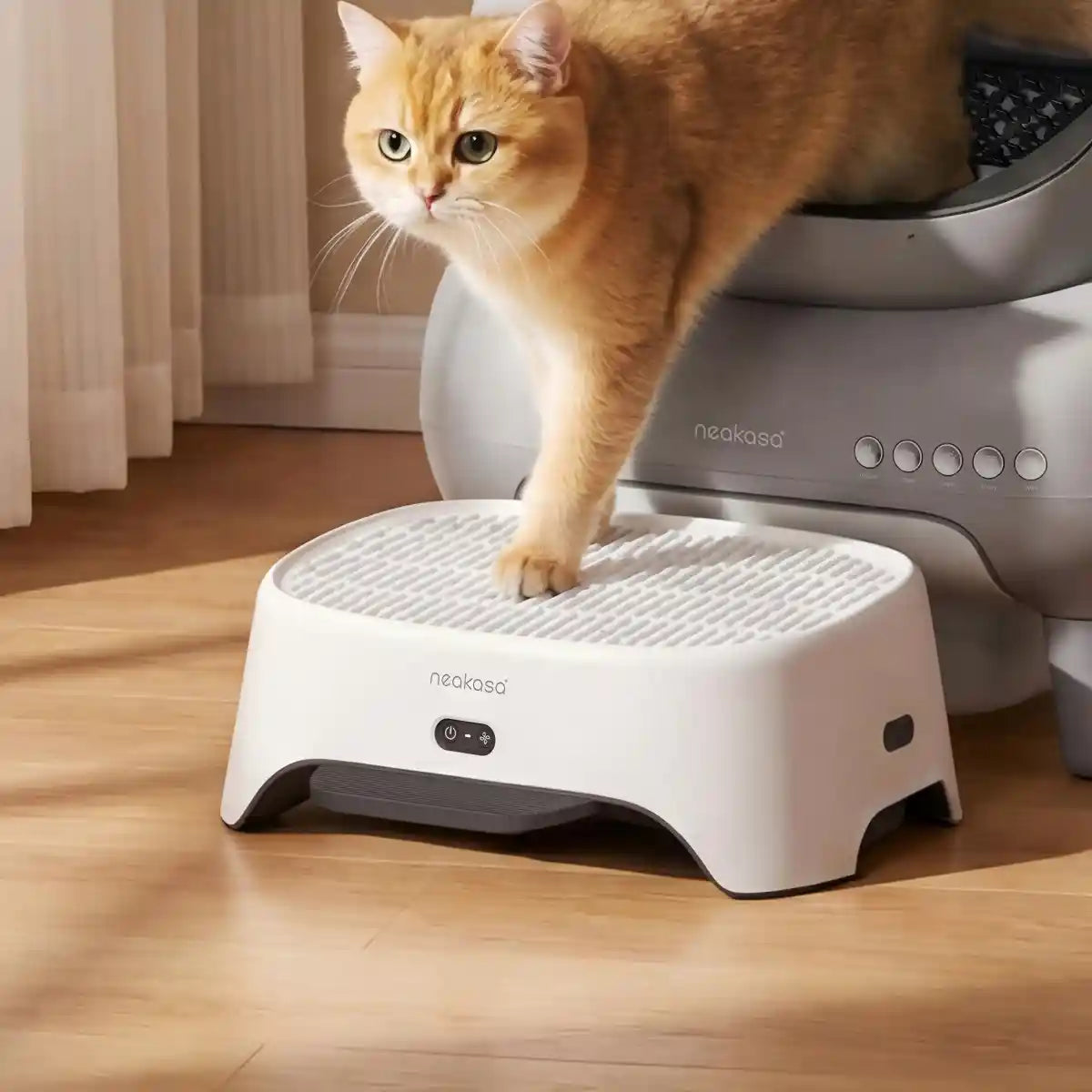
How Neakasa M1 Plus Supports a Better Litter Box Routine
After you have ruled out health issues, the quality of the litter box experience is your top priority. Cats will consistently reject boxes that are dirty, claustrophobic, or uncomfortable.
A self-cleaning litter box cannot treat urinary disease or stress-related spraying, but it can help solve dirty-box avoidance after medical problems are ruled out.
- Open-top design: Gives cats total visibility and eliminates the trapped feeling of enclosed domes.
- Spacious layout: Provides ample room for even large cats to turn, dig, and posture naturally.
- Self-cleaning routine: Clears waste automatically, heavily reducing dirty-box avoidance.
- App visit tracking: Allows you to monitor your cat's bathroom frequency and spot potential health changes early.
- Leak-control sealing: Thoughtfully designed to manage side-peeing messes effectively.

- Enhanced sealing stops leaks, even for side-peeing.
- Self-cleaning removes waste without daily scooping.
- Open-top design ensures safety and easy access.
- Spacious interior fits cats, up to 33 lbs.
- Sealed bin locks odors for up to 14 days.
From $379.99
Note: If your cat is leaving stool outside the box, that requires a different troubleshooting approach. Read our guide to cat pooping outside the litter box for stool-specific advice.
FAQs
Q1. What are the most common reasons a cat stops using the litter box?
A1. Cats typically stop using the box due to underlying medical issues (like UTIs or crystals), environmental stress, territorial spraying, or severe aversion to the litter box itself (due to dirtiness, placement, or litter type). Always start with a vet check if the behavior is sudden.
Q2. Is my cat peeing on the wall due to stress or territory?
A2. Peeing on vertical surfaces like walls is almost always a territorial or stress-induced behavior known as spraying. Triggers include new pets, stray cats outside, or drastic changes in the home.
Q3. How do I figure out why my cat won't pee in their litter box?
A3. Evaluate the box from your cat's perspective. Is it scooped daily? Is it big enough? Is it trapped in a loud laundry room? If the box setup is flawless and the behavior persists, schedule a veterinary exam to check for pain or inflammation.
Q4. How can I quickly tell if my cat is spraying or just peeing?
A4. Spraying involves a cat standing up, lifting a quivering tail, and shooting a small amount of urine onto a vertical surface (like a door). Peeing involves squatting to release a large puddle onto a horizontal surface (like a rug or bed).
Q5. Will a self-cleaning litter box fix inappropriate urination?
A5. A self-cleaning box cannot cure medical illnesses or territorial stress. However, if your cat is avoiding their current box simply because it is too dirty, smelly, or cramped, upgrading to a clean, spacious automatic box can resolve the issue.
Conclusion
Dealing with inappropriate urination is frustrating, but your cat is communicating a need, not acting out of spite. To solve the issue, always start with a vet visit to rule out medical emergencies, then determine if the behavior is spraying or regular peeing.
From there, optimizing your litter box setup, keeping it spotless, spacious, and accessible, is your best tool for success. With a little patience and the right enzymatic cleaners, you can quickly resolve the problem and restore harmony to your home.


Leave a comment
All comments are moderated before being published.
This site is protected by hCaptcha and the hCaptcha Privacy Policy and Terms of Service apply.