
In a small home, litter boxes can quickly compete for space. Add a second cat, litter tracking, odor concerns, and daily scooping, and every corner of the apartment matters.
That is why many cat owners search for double and stackable cat litter boxes. The terms can mean different things, from two pans and stacked sifting trays to modular storage or a compact multi-cat setup.
In this guide, you’ll learn what these terms really mean, how the main setup types compare, and how to choose a space-saving option that stays clean, accessible, and comfortable for your cats.
- Double meaning: “Double” may refer to a sifting system, two side-by-side pans, or a multi-compartment litter setup.
- Stackable meaning: “Stackable” often describes storage or modular organization, not multiple active litter areas cats can use at once.
- Multi-cat priority: Multi-cat homes need clean, accessible, low-conflict litter areas rather than simply the smallest possible setup.
- Cleaning alternative: An open-top self-cleaning litter box can reduce daily scooping in frequent-use homes.
What Does “Double and Stackable Cat Litter Box” Mean?
A “double and stackable cat litter box” is not a single standardized product category. Instead, it is a broad phrase used by owners seeking a cleaner, more compact, or easier-to-maintain arrangement.
1. Double Litter Box
A double litter box may describe two separate litter pans placed together, a two-pan cleaning system, or a larger unit with more than one compartment. In a multi-cat home, it may also refer to providing more than one usable litter area when cats have different routines or prefer separate spaces.

2. Stackable Litter Box
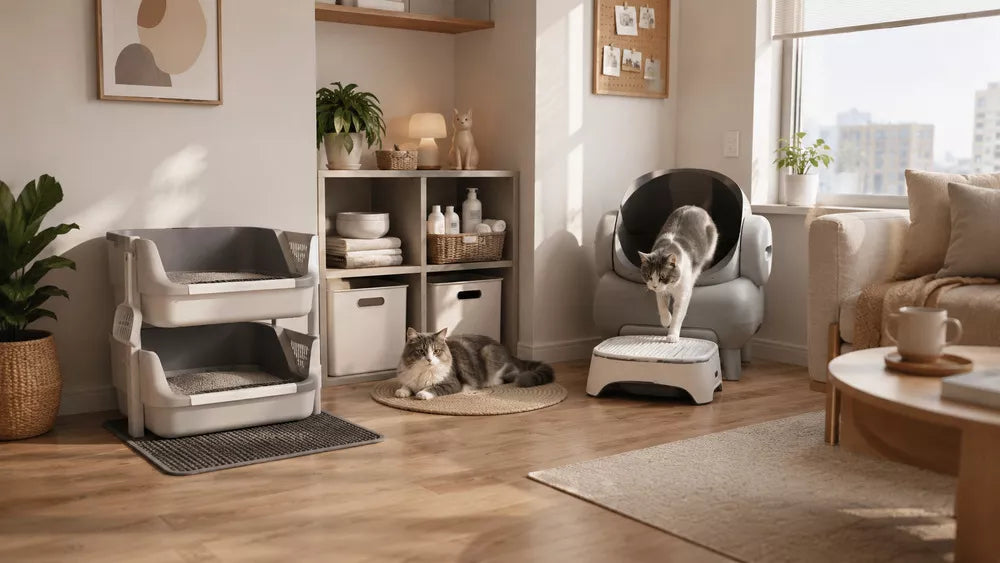
A stackable litter box usually refers to trays or components that can be nested, stored, or arranged vertically. Some systems stack during cleaning or storage, while others include modular storage for litter, liners, scoops, or waste bags.

3. Sifting Litter Box
A sifting litter box typically uses a slotted tray and layered pans to separate clean litter from clumps or waste. Because these systems often use multiple trays, they may appear “double” or stackable even though they are primarily designed to change the cleaning routine.

4. Modular Litter Box Setup
A modular cat litter box setup may include a litter pan, litter mat, storage unit, scoop holder, waste container, or furniture-style enclosure. The goal is usually to make a small space feel more organized rather than to create multiple active litter levels.

5. Multi-Cat Litter Station
A multi-cat litter station is a planned area for one or more litter boxes. The important considerations are access, cleanliness, placement, and cat comfort—not simply how many pieces can be stacked together. The number and placement of litter boxes both affect how much practical choice each cat has.

Key takeaway: “Double” and “stackable” are search terms, not one standardized cat litter box category.
Double vs. Stackable vs. Sifting Litter Boxes
The right option depends on whether your primary concern is cleaning, storage, floor space, or cat access. A compact design is only useful if your cat has enough room to enter, turn around, scratch, and eliminate comfortably.
| Setup | Best for | Main advantage | Main limitation |
|---|---|---|---|
| Double-pan / Sifting | Owners who want a different manual cleaning routine | Can make litter separation easier than traditional scooping | May require more tray handling and may not suit every litter type |
| Stackable / Modular | Small homes that need organized storage | Helps group litter supplies and reduce visible clutter | Does not automatically create more usable litter space for cats |
| Two-box Station | Multi-cat households or cats with different preferences | Gives cats more choice and may reduce waiting or conflict | Takes more floor space and still requires regular cleaning |
| Self-cleaning litter box | Frequent-use homes that want less daily scooping | Can help keep one primary litter area cleaner between manual maintenance | Requires floor space, transition time, and cat acceptance |
Note on Space-Saving: Storage efficiency and usable bathroom space are not the same thing. A modular setup can store supplies vertically, but your cat still needs a stable, open, and easy-to-reach place to do their business. “Space-saving” should never mean cramped.
Are Stackable Litter Boxes Good for Multi-Cat Homes?
Stackable litter boxes are useful for storage and cleaning, but they are not an automatic fix for multi-cat households. Two trays placed directly beside each other may still be treated as one litter resource, so separate locations often provide more meaningful choice.
- Stable Access: Cats must be able to move comfortably. Setups that wobble, require awkward climbing, or have narrow exits can discourage use.
- Strategic Placement: Avoid placing the only litter box in a tight corner, narrow hallway, or dead-end where one cat could block another cat’s entry or exit.
- Realistic Cleaning: If a system is difficult to disassemble or heavy to move, it will likely not stay fresh enough for daily use. A consistent litter box cleaning routine is usually more useful than a complicated setup that is difficult to maintain.
- Individual Preferences: Older, larger, or mobility-limited cats often struggle with high sides, tight interiors, or unstable surfaces.
Best Litter Box Layouts for Small Apartments
A practical small apartment cat litter solution balances floor space, litter tracking, odor control, and cat comfort. The layout should fit both your home and the way your cats move through it.
1. Studio Apartment With One Cat
Place the box in a quiet, low-traffic area with easy-to-clean flooring, away from food and water. Avoid hiding the box so deeply inside furniture that it becomes difficult to access. A compact modular setup keeps scoops and bags organized nearby without overcrowding the space.
2. Two Cats in a One-Bedroom Apartment
Do not make one litter area the only option. A practical arrangement includes one primary box in the bathroom and a second in another quiet, well-ventilated area. This gives cats more choice when they prefer different box styles, such as a low-entry tray versus higher sides.
For two cats, the commonly used starting point is one litter box per cat plus one additional box. Small apartments may require compromises, but boxes in separate locations are generally more useful than several boxes clustered together.
3. Multi-Level Home
Litter box access should reflect where your cats spend their time. Placing a litter station on each level can reduce crowding and make navigation easier, particularly for senior cats or cats with limited mobility. A modular approach keeps essential supplies close to each station.
4. Large, Senior, or Mobility-Limited Cats
Large, senior, or mobility-limited cats need generous entry space and low clearance. A lower-sided litter tray can make entry and exit easier for cats with stiffness or reduced mobility. Avoid locations that require climbing, squeezing through gaps, or navigating around obstacles.
When a Self-Cleaning Litter Box Makes More Sense Than a Stackable Setup
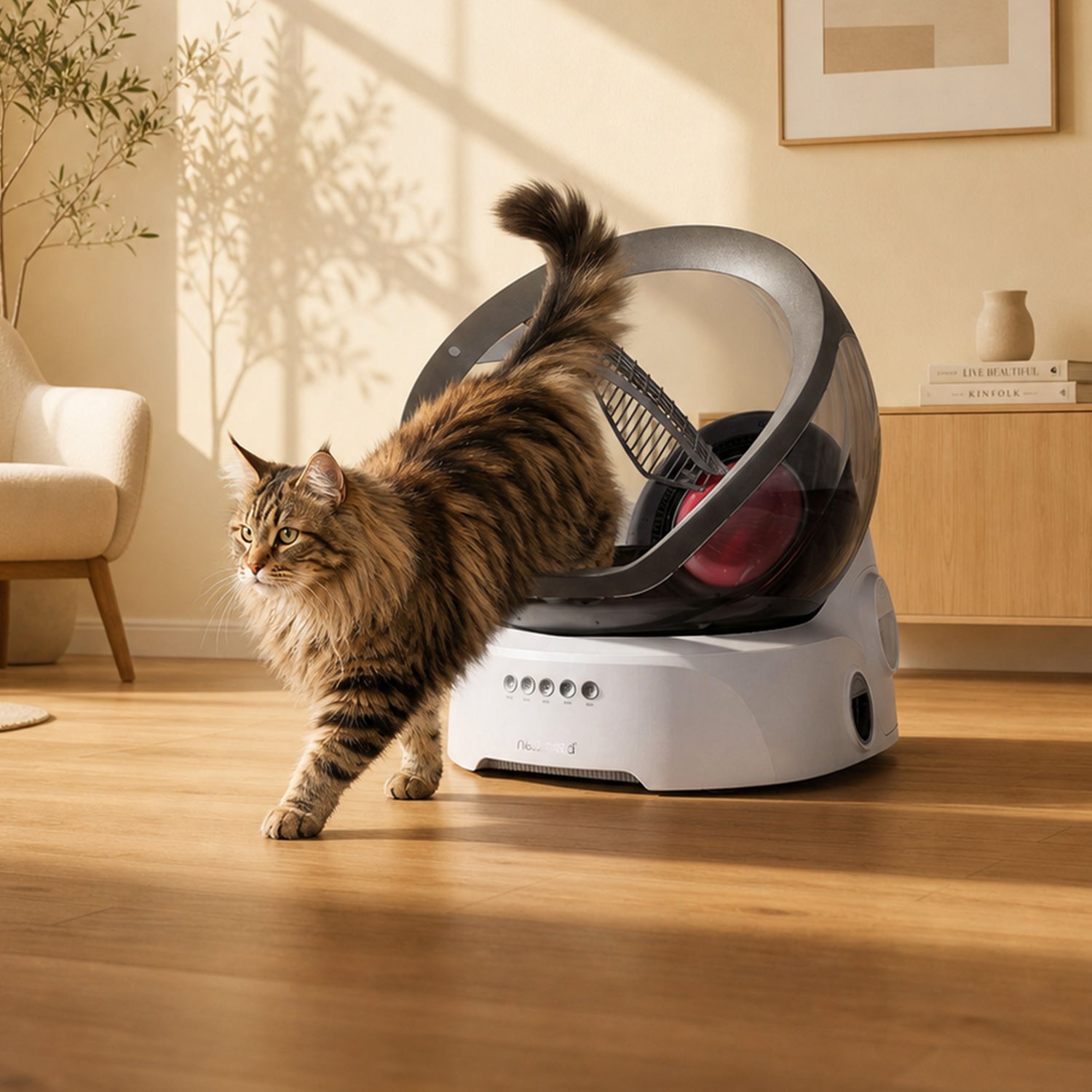
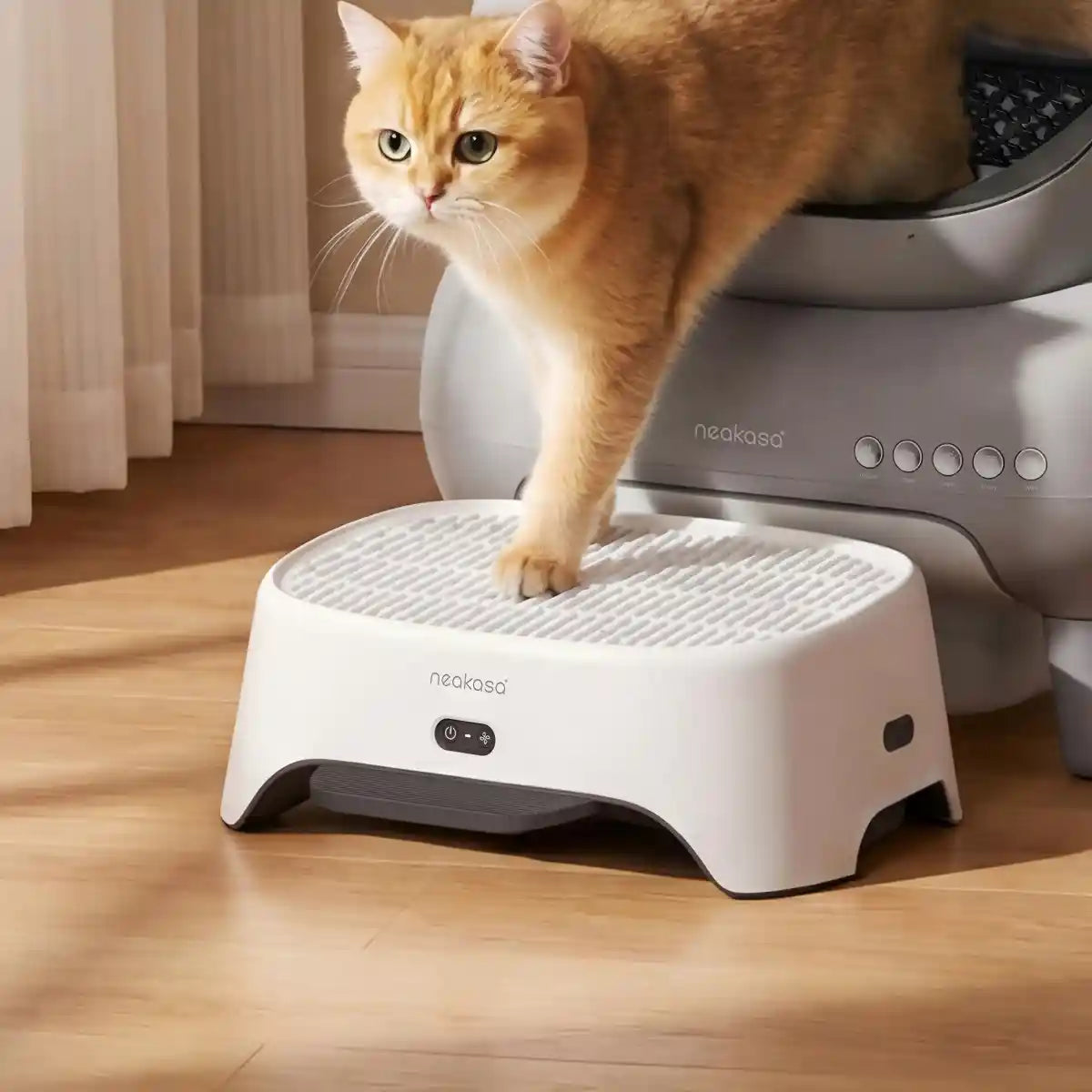
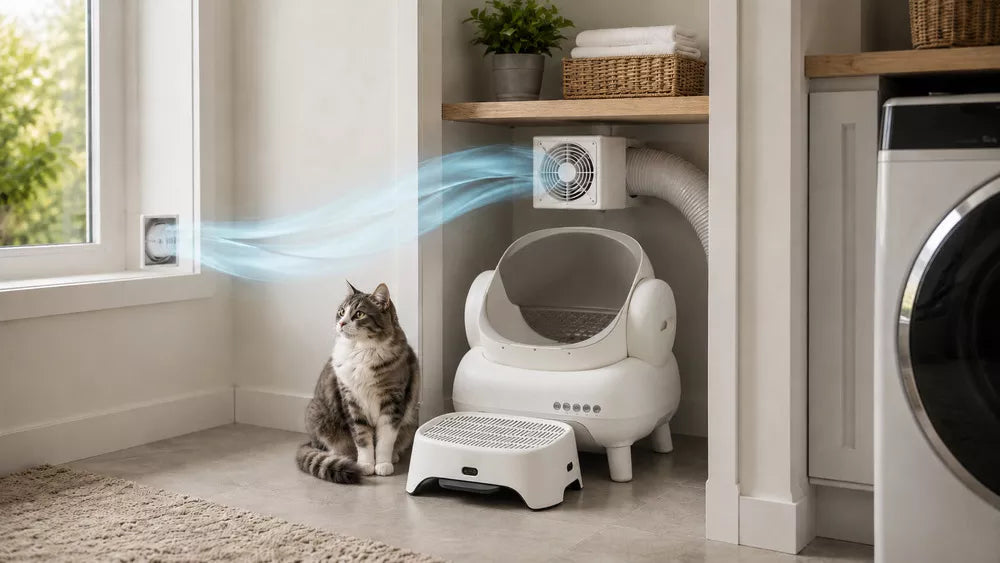
An open-top self-cleaning litter box is not a stackable unit, but it can be effective for households that need to reduce daily scooping.
In a busy multi-cat home or a small apartment, a traditional box may need attention several times a day. When frequent use is the main challenge, automatic waste removal can help keep the primary litter area cleaner between regular maintenance sessions.
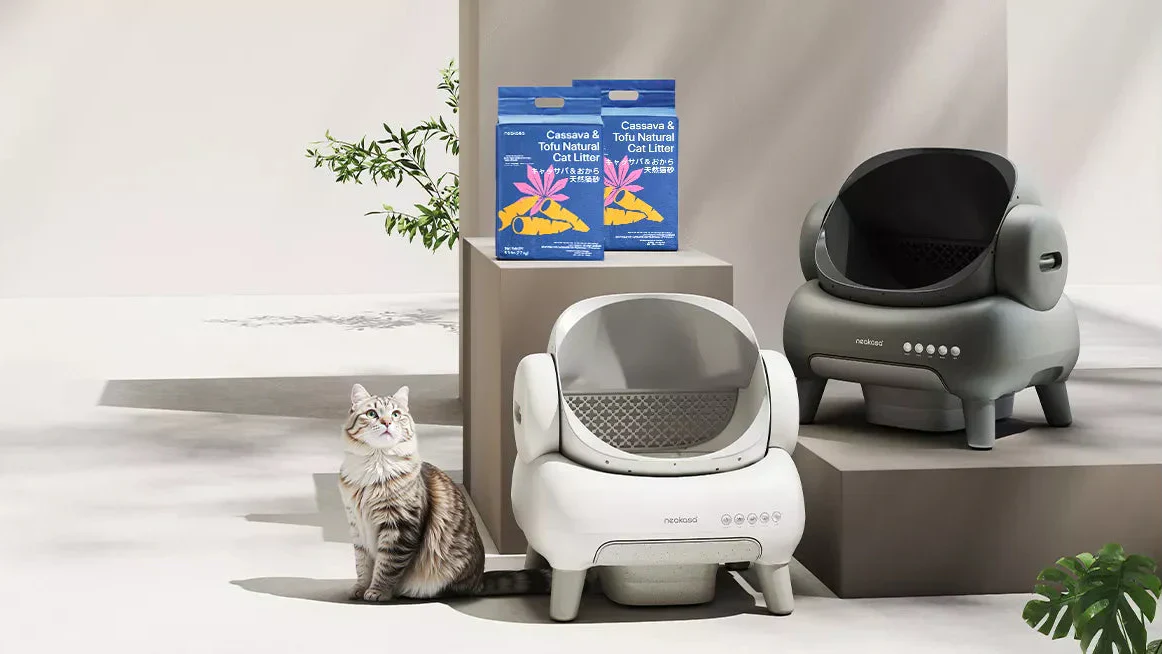
Featured Solution: The Neakasa M1 Plus is an open-top self-cleaning litter box designed for homes with high litter traffic. While it is not a stackable or modular unit, it can simplify a demanding litter routine within a thoughtful multi-cat layout.
Before transitioning, consider your cats’ sizes, comfort levels, and available floor space. Keeping a familiar manual box available during the adjustment period can make the change less disruptive.

- Enhanced sealing stops leaks, even for side-peeing.
- Self-cleaning removes waste without daily scooping.
- Open-top design supports safe and easy access.
- Spacious interior fits cats up to 33 lbs.
- Sealed bin helps control odors for up to 14 days.
From $379.99
How to Choose the Right Setup
- Choose a Double-Pan/Sifting System if: You prefer a manual routine but want a more efficient way to separate waste from clean litter.
- Choose a Stackable/Modular Setup if: Clutter and storage are your primary concerns, and you want to keep mats, liners, and supplies in a small footprint.
- Choose Multiple Manual Boxes if: Your cats have different preferences, use the area frequently, or experience territorial tension when sharing a single location.
- Choose a Self-Cleaning Litter Box if: Constant scooping is your main challenge, and you want a primary box that stays cleaner between maintenance sessions. This is often a key consideration when comparing automatic litter boxes for multiple cats.
FAQs
Q1. Are double litter boxes good for two cats?
A1. They can be, but only when they provide genuinely separate, comfortable areas. Two pans placed side by side may work in some homes, but separate locations usually give cats more flexibility and reduce the chance of one cat controlling access.
Q2. Can you stack regular cat litter boxes?
A2. Regular litter boxes are not designed to be stacked as active, multi-level bathrooms. Stacking regular trays is suitable for storage only. Improper stacking can create instability and make access difficult for your cat.
Q3. Are stackable litter boxes safe for cats?
A3. They can be safe when explicitly designed for that purpose and when they remain stable and easy to enter. Large, senior, or shy cats may still find stacked designs too narrow or difficult to leave quickly.
Q4. What is the difference between a sifting litter box and a double litter box?
A4. A sifting box uses a slotted tray system specifically to separate waste from clean litter. A double litter box is a broader term that can describe two side-by-side pans, a two-compartment setup, or a multi-tray cleaning system.
Q5. How many litter boxes should two cats have in a small apartment?
A5. Two cats generally benefit from more than one accessible option. The one-box-per-cat-plus-one approach is a helpful starting point, but placement, available space, cleaning frequency, and the relationship between cats all matter.
Q6. Is a self-cleaning litter box better than two manual litter boxes?
A6. Not automatically. A self-cleaning box can reduce scooping, while multiple manual boxes provide more location flexibility. Many multi-cat households benefit from combining one automatic box with one manual box.
Final Takeaway
Double and stackable cat litter boxes can refer to sifting trays, modular storage, or multi-box setups. The right choice depends on your cats’ needs, your available space, and how easily you can maintain the area.
For multi-cat homes, prioritize clean access and a layout that reduces conflict. When frequent scooping is the main challenge, an open-top self-cleaning litter box such as Neakasa M1 Plus can be a practical alternative. The best setup is one that your cats can use comfortably and your household can keep clean consistently.

Leave a comment
All comments are moderated before being published.
This site is protected by hCaptcha and the hCaptcha Privacy Policy and Terms of Service apply.