
Cat odor in the house can come from fresh urine accidents, old stains, litter boxes, waste buildup, tracked litter, dander, or poor ventilation. The best fix depends on the source: urine stains need proper enzymatic cleaning, while recurring litter box odor requires better waste removal, litter maintenance, and airflow.
This guide explains how to find the source of cat odor, clean urine accidents correctly, reduce litter box smell, and keep your home fresher without relying on masking sprays.
Step 1: Identify Where the Cat Odor Is Coming From
Before you clean, separate the problem into two categories: existing urine stains and daily litter box odor. They can smell similar, but they need different solutions.
- Urine accidents or spray marks: These often need spot treatment with an enzymatic cleaner, especially on carpet, wood seams, walls, furniture, or baseboards.
- Litter box odor: This usually comes from urine clumps and feces sitting in the box, waste bins that are not sealed well, dirty litter, or poor airflow around the box.
- House-wide pet smell: Fur, dander, soft fabrics, tracked litter, and stale air can all make odor linger even after the litter box is cleaned.
If your home smells like cat pee but the litter box looks clean, check hidden accident spots first. If the odor is strongest around the litter box, focus on waste removal, sealed storage, litter changes, and ventilation.
Step 2: Reduce Recurring Litter Box Odor
Most online guides will tell you to scoop daily. That is good advice, but odor can still build up when waste sits in the box for hours while you are at work, sleeping, or away from home.
The Problem with Manual Scooping
Cat urine contains urea, which bacteria can break down into ammonia. The longer urine clumps and feces sit exposed, the more noticeable the litter box area can become. In multi-cat homes, that buildup can happen even faster.
Where Neakasa Helps
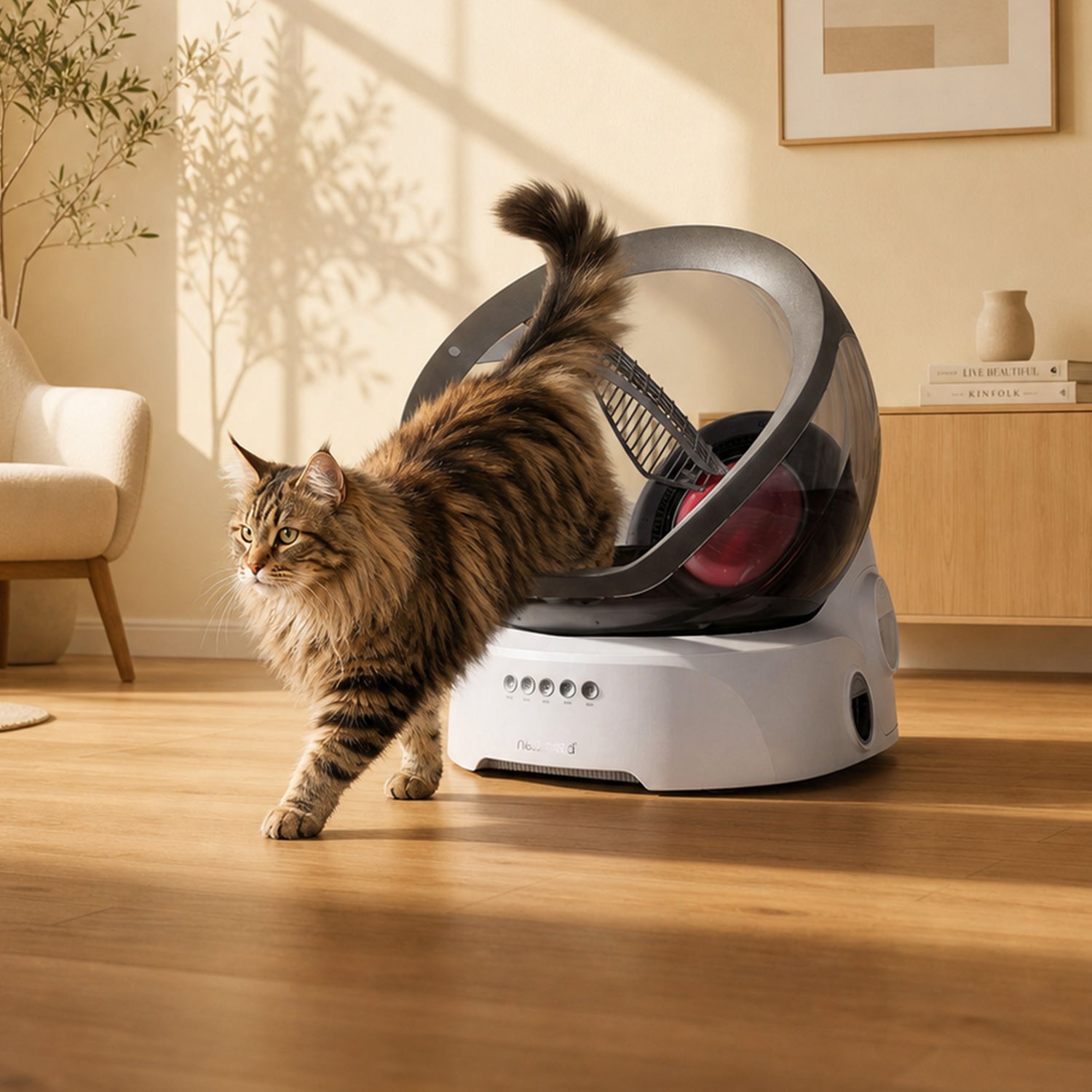
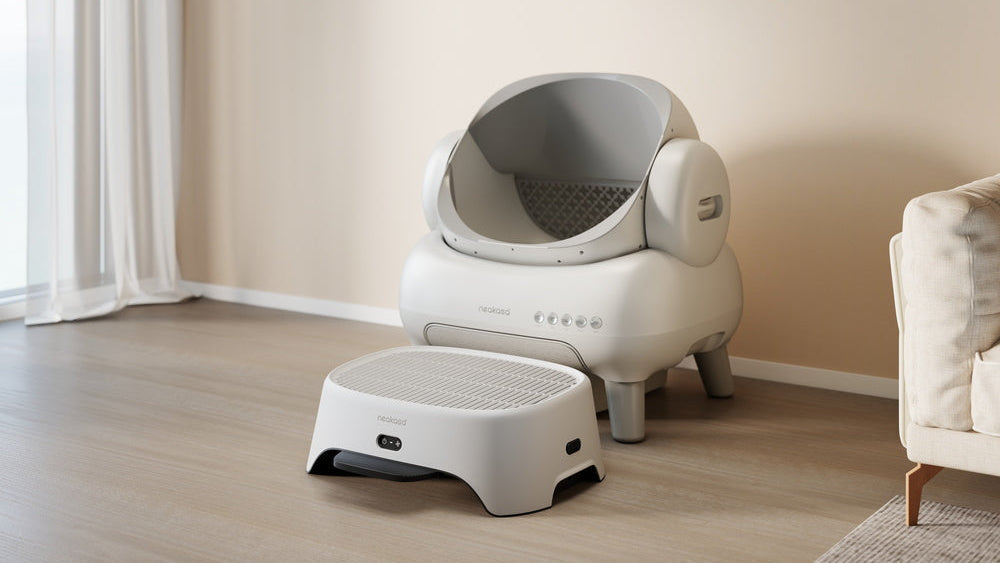
For recurring litter box odor, the goal is to reduce the time waste sits exposed. The Neakasa M1 Plus Self-Cleaning Cat Litter Box supports more consistent daily litter box maintenance by automatically removing waste and storing it in a sealed bin. It does not clean existing urine stains or replace enzymatic cleaners; it is a waste-management solution for the litter box area.
Compared with traditional boxes that depend entirely on manual scooping, Neakasa automatic litter boxes can help reduce recurring litter box odor by:
- Removing waste more consistently: The self-cleaning cycle helps reduce the time urine clumps and feces remain exposed.
- Sealing waste away: The waste system helps contain used litter and daily waste between cleanouts.
- Keeping the box easier to maintain: More consistent waste removal supports a fresher litter box area, especially in busy households.

- Enhanced sealing helps with side-peeing and daily waste containment.
- Self-cleaning removes waste without daily manual scooping.
- Open-top design supports easy access and visibility.
- Spacious interior fits cats up to 33 lbs.
- Sealed bin helps keep waste contained between cleanouts.
Step 3: Improve the Litter Box Exit Zone
Even with a clean box, cats can track small particles of litter and waste onto the floor. That can spread litter box smell beyond the box itself, especially near entryways, laundry rooms, bathrooms, or small apartments.
Control Tracking and Air Near the Box
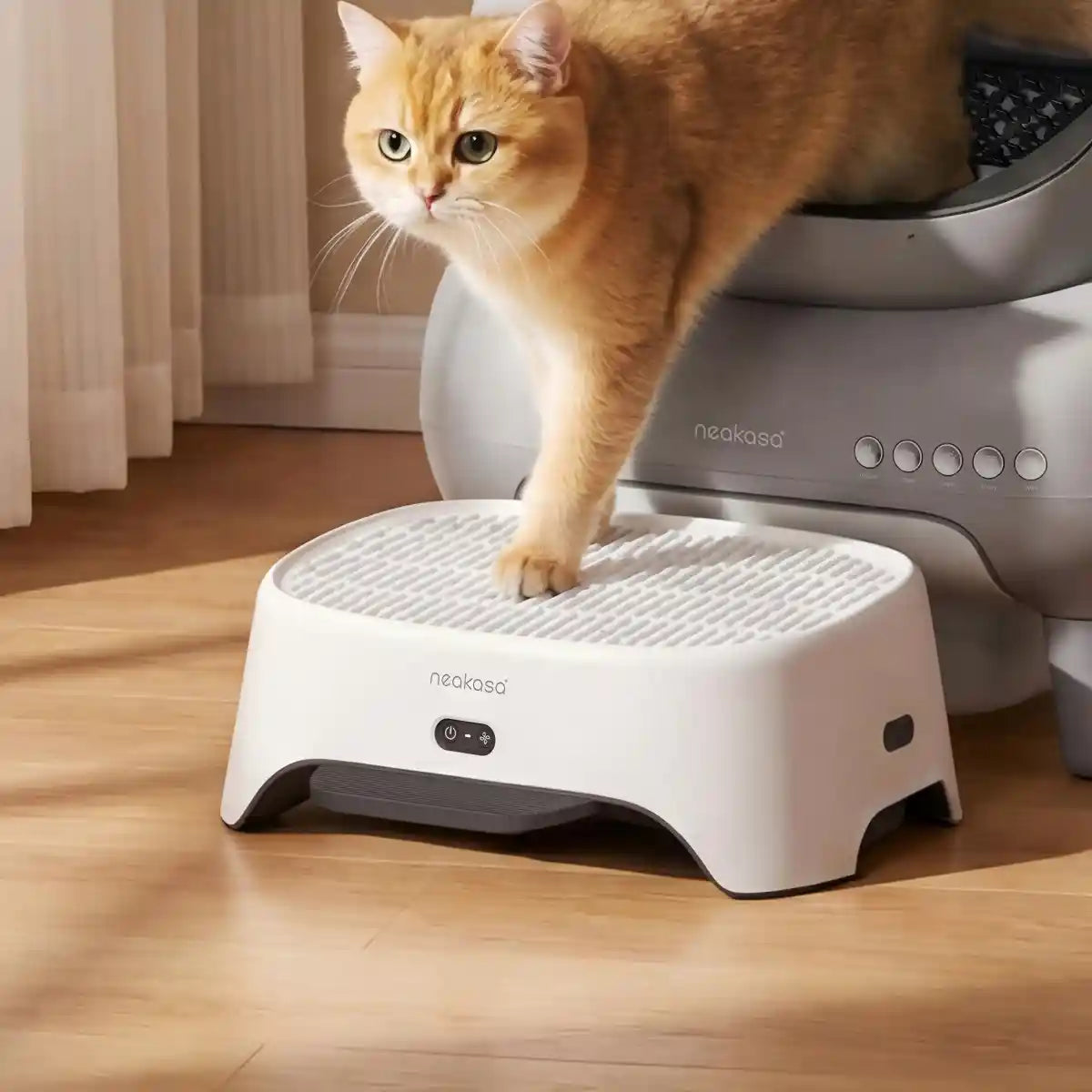
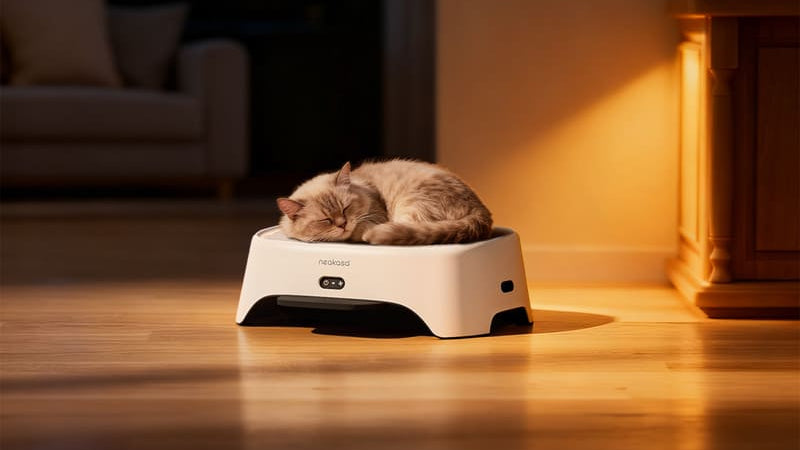
A litter mat helps with tracking, but the area around the box may also benefit from better airflow and odor capture. The Neakasa AirStep is designed for the litter box exit area, where it can help trap tracked litter and support odor control near the source.
- Tracking control: The honeycomb grate helps capture litter from paws before it spreads across the floor.
- Targeted air support: Built-in airflow and activated carbon help manage odor near the litter box area.
- Step-style access: The design can make entry and exit easier for many cats, including older cats.

- 230g Activated Carbon helps reduce ammonia odor near the litter box area.
- Honeycomb grate helps trap litter from paws.
- 20dB Ultra-Quiet fan is designed for low-noise operation.
- 3 adjustable speeds help balance airflow and quietness.
- Universal 17.4" width pairs with Neakasa M1, Neakasa M1 Plus, Neakasa M1 Plus Lite, and many other boxes.
Enzyme Cleaner vs. Litter Box Odor Control
Enzyme cleaners and automatic litter boxes solve different odor problems. Use enzyme cleaner for existing urine stains; use better litter box waste control to reduce recurring odor from the box.
| Odor Problem | Best First Step | Where Neakasa Helps |
|---|---|---|
| Cat sprayed on furniture or walls | Use an enzymatic cleaner | Neakasa is not the first-line solution for existing stains |
| Cat pee smell on carpet or floor | Blot and treat with enzyme cleaner | Neakasa helps prevent future litter box-related odor |
| Urine smell near the litter box | Scoop, change litter, clean the box | Neakasa helps remove and seal waste automatically |
| Multi-cat household odor | Clean more frequently and improve waste control | Neakasa supports more consistent daily litter box maintenance |
Step 4: Locate Invisible Urine Stains with a UV Blacklight
Sometimes the house smells, but the litter box is clean. That often means there is an old accident somewhere you missed.
Cat urine can dry and become difficult to see, while odor-causing residue remains deep in fibers, seams, and porous surfaces. When humidity rises, the smell can become noticeable again.
How to find the source:
- Use an inexpensive UV blacklight flashlight.
- Wait until the room is dark and turn off the lights.
- Scan carpets, corners, baseboards, furniture, and walls where a cat may have sprayed.
- Mark possible spots with tape so you can clean them in daylight.
For a more detailed urine-specific cleaning guide, see how to get rid of cat pee smell. If you want to understand the odor chemistry behind the smell, read why cat pee smells so bad.
Step 5: Clean Cat Urine with Enzymatic Cleaner
A common mistake is using household cleaners like vinegar, baking soda, or bleach as the main fix for cat urine. Some options may temporarily reduce surface odor, but they do not reliably break down the source of old urine smell.
- Vinegar: May temporarily neutralize odor, but it does not break down uric acid residue the way enzyme cleaners are designed to.
- Baking soda: Can help with surface refreshing, but it is not enough for soaked-in urine accidents.
- Bleach: Do not use bleach on cat urine. Bleach can react with ammonia and create irritating fumes.
Why Enzymatic Cleaners Work Best for Existing Urine Stains
Cat urine odor can persist because urine residue bonds to carpet fibers, padding, wood seams, or upholstery. Enzymatic cleaners are designed to break down organic residue that causes lingering urine odor. Follow the product directions, use enough cleaner to reach the affected material, and allow the recommended dwell time before blotting or drying.
Tip: If urine soaked through carpet into the pad, surface cleaning may not be enough. You may need repeat enzyme treatments or professional cleaning for old or severe accidents.
Step 6: Tackle Fur, Dander, and Soft Furnishings
If your house smells musky or dusty rather than sharply like urine, the culprit may be dander, loose fur, saliva on your cat's coat, or pet smell trapped in fabrics.
Groom Before Odor Spreads
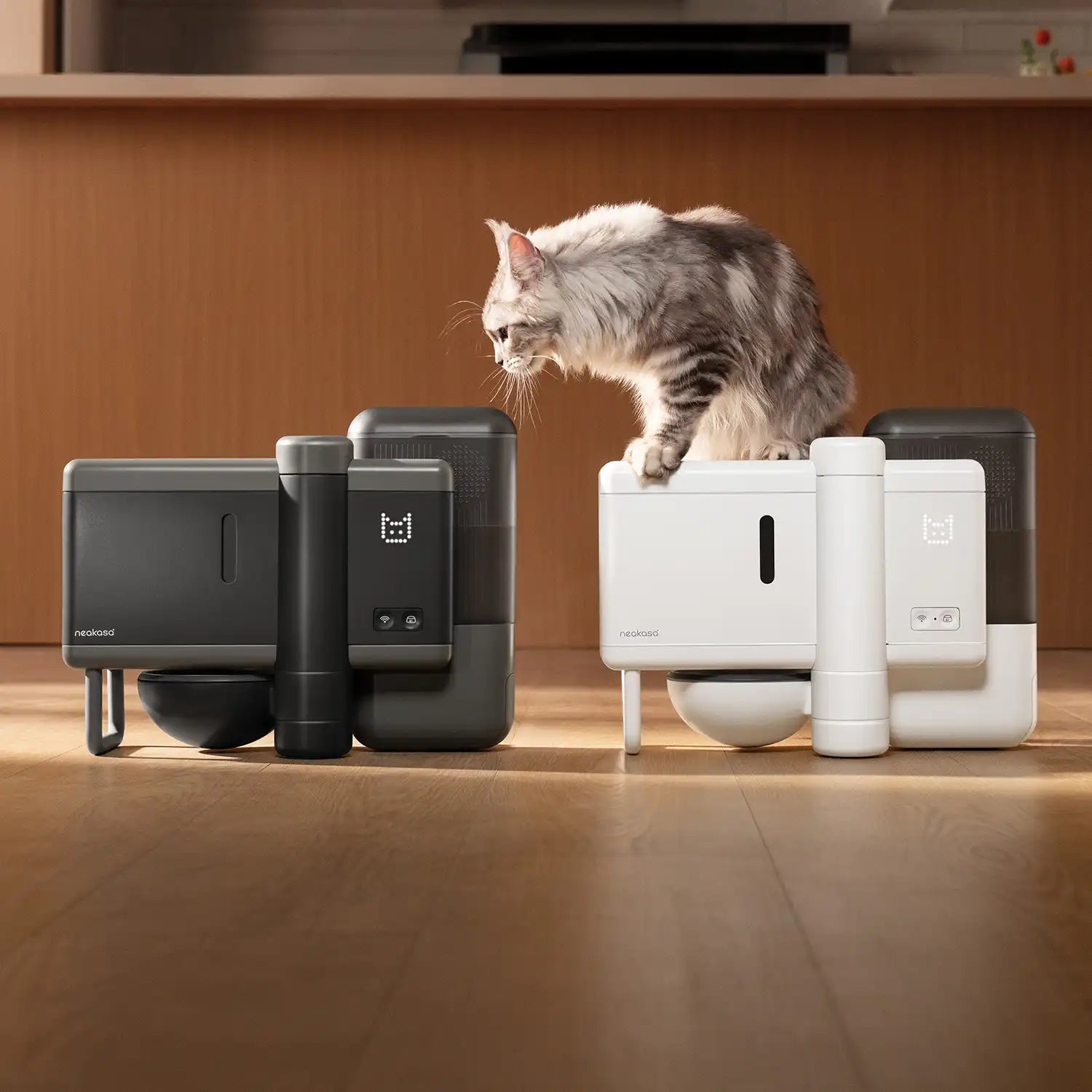
Regular brushing helps, but loose fur can still travel through the house. A grooming vacuum like the Neakasa P1 Pro can capture loose hair and dander during grooming, helping reduce the amount that settles on floors, furniture, and soft surfaces.
Refresh Fabrics That Hold Odor
Soft fabrics absorb pet odor over time. If curtains, throw pillows, couch covers, blankets, or rugs have not been washed recently, they may keep the house smelling stale even after you clean the litter box.
- Couch covers and curtains: Wash with a pet-safe detergent according to the fabric label.
- Blankets and pet beds: Wash frequently, especially in multi-cat homes.
- Carpets and rugs: Vacuum thoroughly. For general odor, baking soda can help with surface refreshing; for urine, use an enzymatic cleaner instead.
Step 7: Improve Ventilation and Daily Litter Box Hygiene
Fresh air matters. Poor ventilation can make litter box odor, dander, and stale fabric smell linger longer than they should.
- Open windows when possible: A short cross-breeze can help move stale air out of the room.
- Keep the litter box area dry: Moisture can make ammonia odor more noticeable.
- Change litter on schedule: Even with regular scooping, litter eventually absorbs odor and needs a full change.
- Wash the box: Clean the litter box itself with pet-safe soap and water during full litter changes.
- Use sealed waste storage: Whether manual or automatic, sealing waste helps control odor between disposal days.
For households where litter box smell returns quickly, a Neakasa automatic litter box can help reduce daily waste buildup by removing and sealing waste more consistently. It should still be paired with the right litter, routine bin emptying, periodic deep cleaning, and enzyme cleaner for any urine accidents outside the box.
FAQs About Cat Odors in the House
Q1. How do I get rid of cat odors in the house?
A1. Find the source first. Use an enzymatic cleaner for urine stains, and reduce litter box odor with frequent waste removal, fresh litter, cleaning, ventilation, and sealed waste storage.
Q2. Why does my house smell like cat pee?
A2. It may come from hidden urine stains, old residue, a dirty litter box, poor ventilation, or waste sitting too long. Check hidden spots with a UV blacklight and clean stains with an enzymatic cleaner.
Q3. What removes cat urine smell best?
A3. Enzymatic cleaner is usually the best option for urine stains. Neakasa products help reduce recurring litter box odor but do not replace cleaners for old stains.
Q4. How can I reduce litter box odor?
A4. Remove waste often, change litter regularly, wash the box, ventilate the area, and keep used litter sealed.
Q5. Can an automatic litter box help with cat odor?
A5. Yes. It can remove and seal waste more quickly, helping reduce recurring litter box odor.
Conclusion
Getting rid of cat odors in the house starts with matching the solution to the source. Use enzymatic cleaner for existing urine accidents, improve ventilation and fabric cleaning for general pet smell, and focus on more consistent waste removal for litter box odor.
Neakasa automatic litter boxes are best positioned as daily litter box odor prevention and waste-management tools. They help reduce recurring litter box odor by removing waste and sealing it away more consistently, while enzyme cleaners remain the right first step for urine stains already in your home.

Leave a comment
All comments are moderated before being published.
This site is protected by hCaptcha and the hCaptcha Privacy Policy and Terms of Service apply.