
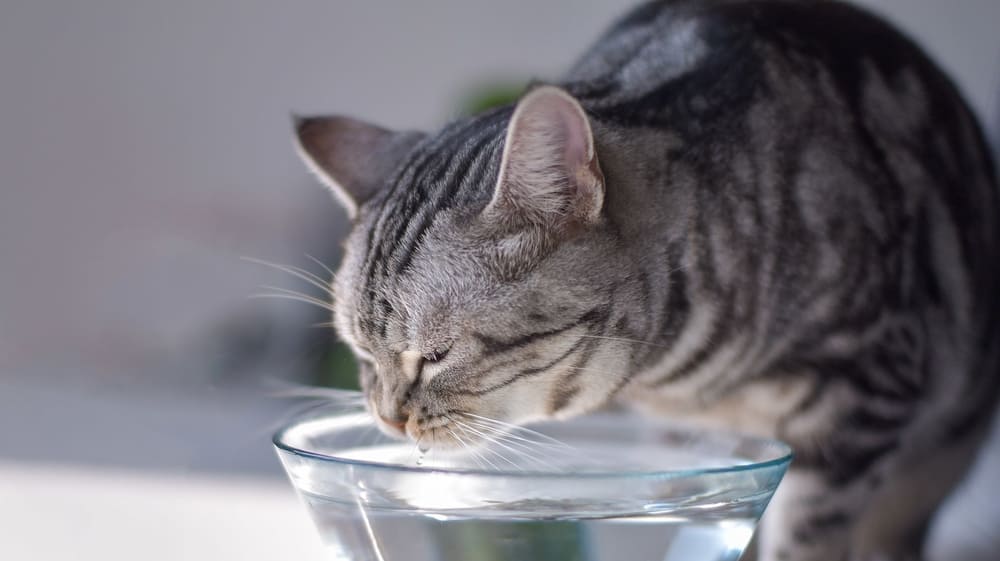
On a hot day, cats may paw at your ice water—but do they actually like it? Unlike humans, cats don’t drink to cool down. Very cold water can discourage drinking, and often it’s the ice’s movement that interests them.
Water temperature affects hydration, kidney function, and urinary health. According to veterinary studies, proper hydration is critical in preventing chronic kidney disease (CKD), which affects over 30% of senior cats.
This guide explains how cats perceive cold water, whether ice is safe, and what temperature best supports their health.
Do Cats Like Cold Water? The Instinctive Reason
The short answer is: Yes, most cats show a strong preference for cold, fresh water.
However, this isn’t just because it tastes refreshing on a hot day. The preference is deeply rooted in their evolutionary biology. To understand why your domestic tabby gravitates toward your chilled glass, we have to look back at their wild ancestors.
1. The “Freshness” Signal
The African Wildcat, the ancestor of our modern house cats, evolved in arid environments where finding safe drinking water was a daily challenge.
- Cold Water = Safe: In nature, cool or cold water usually indicates a flowing source, such as a spring, river, or stream. Moving water is less likely to harbor dangerous bacteria, parasites, or algae.
- Warm Water = Danger: Conversely, warm water in the wild is typically stagnant. A warm puddle is a breeding ground for bacteria and biological waste.
Therefore, when your cat turns their nose up at room-temperature water that has been sitting in a bowl for six hours, they aren’t just being finicky. Their survival instincts are screaming that “warm” equals “potentially contaminated.” Cold water mimics the thermal signature of a fresh, running mountain stream, triggering an instinctive signal that the water is safe to drink.
2. Temperature Sensitivity
Beyond instinct, there is a physical component. A cat’s tongue is a marvel of biological engineering. While we often focus on the rough papillae used for grooming, their tongues are also equipped with highly sensitive thermal receptors.
Cats are surprisingly sensitive to temperature variances. They can detect the difference between cool, tepid, and warm liquids much more acutely than humans can. This sensitivity serves two purposes:
- Predation: Identify the body temperature of prey (fresh kill vs. old carrion).
- Hydration: Identify fresh water sources.
Since the preference for cold water is a question of biology, providing cool water stimulates these receptors in a way that is pleasurable and encouraging for the cat.
Is Ice Water Safe for Cats? (Ice Cubes & Risks)
While we’ve established that cats prefer cool water, a common query is: “Is cold water bad for cats to drink?” Specifically, owners worry about extreme cold, such as water loaded with ice cubes. Generally, ice water is safe, but there are nuances to consider.
Can Ice Cubes Cause Brain Freeze?
We have all seen the viral videos of cats reacting dramatically after licking an ice cream cone or drinking very cold water. They might pause, shake their heads, or back away quickly. This is essentially the feline version of “brain freeze” (technically known as sphenopalatine ganglioneuralgia).
- The Mechanism: When something extremely cold touches the roof of the cat’s mouth, it causes the blood vessels to constrict rapidly and then dilate. This triggers pain receptors that send signals to the brain.
Is it Harmful? While it is not permanently damaging or toxic, it is uncomfortable and can be painful.
The Verdict
Moderation is key. A few ice cubes floating in a bowl usually cool the water gradually without causing immediate brain freeze. However, giving a cat a large chunk of ice to lick directly might cause discomfort, potentially making them fearful of their water bowl in the future.
Potential Risks for Cats with Sensitive Teeth
There is one specific group of cats for whom ice-cold water should be avoided: Senior cats and those with dental issues. Just like humans with sensitive teeth wince when biting into a popsicle, cats with dental disease can experience sharp pain from extreme temperatures.
- Tooth Resorption: This is a common condition in cats where the tooth structure breaks down. It exposes the sensitive nerve endings.
- Gum Disease: Gingivitis can make gums highly reactive to temperature.
If you notice your cat approaching the water bowl, taking a sip, and then immediately jerking their head back, they may be experiencing dental pain. In these cases, slightly cool or room-temperature water is the safer choice.
What is the Ideal Water Temperature for Cats?
So, if ice might be too cold for some, and warm water feels “unsafe” to their instincts, what is the sweet spot?
Seasonal Water Temperature Guide
| Season / Scenario | Recommended Temp | Reason |
|---|---|---|
| Hot Summer Days | Chilled (approx. 50°F - 60°F) | Helps regulate body temperature; highly attractive during heat. |
| Winter / Cold Drafts | Room Temperature (approx. 68°F - 72°F) | Cats conserve energy in winter; very cold water may be less appealing. |
| Senior Cats | Tepid / Room Temp | Avoids triggering dental sensitivity or shocking the system. |
| Post-Playtime | Cool (Not Icy) | Ideal for cooling down after “zoomies” without causing stomach cramps. |
Key Takeaway
For a healthy adult cat, water that feels “cool to the touch” (slightly below room temperature) is usually the gold standard. If you live in a warm climate, adding 1-2 ice cubes to a large bowl effectively maintains this “cool” state for hours without making the water shockingly freezing.
How to Encourage Your Cat to Drink More Water
Kidney disease is a leading cause of illness in domestic cats. Here is how to execute a hydration strategy.
1. Use a Cat Water Fountain
This is arguably the most effective investment for feline health. A high-quality water fountain hits the two main triggers for cat hydration: Movement and Temperature.
- Circulation Keeps it Cool: Moving water naturally aerates and evaporates slightly, which can keep the water temperature a few degrees lower.
- The “Fresh” Instinct: The sound and sight of running water trigger the “safe to drink” instinct.
- Filtration: Fountains remove hair and dust, preventing that “stale” taste.
Pro Tip: The best way to keep water clean is to reduce shedding at the source. Regular grooming with a vacuum suction grooming kit can minimize the amount of loose fur that ends up in your cat's water bowl.
2. Proper Bowl Placement & Material
Even if the water is the perfect temperature, your cat might refuse it if the “Feng Shui” is wrong.
- Avoid Plastic: Plastic bowls harbor bacteria in microscopic scratches and retain smells. Ceramic or Stainless Steel remains hygienic.
- Location Matters: Never place the water bowl next to the litter box.
- Whisker Fatigue: Use wide, shallow bowls to prevent sensory overload.
3. Adding Ice Cubes as a Toy
If your cat is fascinated by the refrigerator ice dispenser, use that to your advantage.
- The Game: Place a wide, shallow pan of water on a waterproof mat. Drop in 2-3 ice cubes.
- The Result: Your cat will likely bat at the ice, trying to “catch” it. In the process, they will drink the water.
- Bonus Tip: You can freeze low-sodium tuna brine or chicken broth into ice cubes for a savory treat that melts into their water.
FAQs of Cat Hydration
To keep things clear and practical, here are concise answers to the most common hydration questions cat owners ask.
Q1. Do cats like warm water in winter?
A1. Usually no. Most cats still prefer room-temperature or slightly cool water. Warm water can signal “stagnant” water instinctively.
Q2. Why does my cat dip their paw in water?
A2. They might be checking the depth (cats have poor near-vision) or testing the temperature to ensure it's safe.
Q3. Do cats like warm or cold water for baths?
A3. Warm—always. Use lukewarm water (about 100–102°F). Cold baths can cause panic and hypothermia.
Q4. Do cats like cold food?
A4. No. Cold food dulls aroma, which reduces appetite. Always bring refrigerated food to room temperature.
Q5. Is tap water safe for cats?
A5. It depends. If chlorine or minerals are strong, try filtered water.
Conclusion
So, do cats like cold water? Yes—when drinking. Fresh, cool water supports hydration and urinary health. Ice is generally safe in moderation, but the priority is freshness, cleanliness, and comfort.
A well-hydrated cat is a healthier cat. By monitoring their water intake and litter box habits, you can ensure your feline friend stays happy and active for years to come.

Leave a comment
All comments are moderated before being published.
This site is protected by hCaptcha and the hCaptcha Privacy Policy and Terms of Service apply.