
Cat pee smell can take over a room quickly because urine odor gets stronger as it dries and breaks down into highly pungent, ammonia-like compounds. Finding the right fix depends entirely on where the smell is originating: a fresh accident, an old dried stain, territorial cat spray, or daily urine odor accumulating around the litter box.
If you are trying to remove cat urine smell from carpets, floors, walls, or furniture, you must start by thoroughly cleaning the stain itself. However, if the smell consistently returns from the litter box area, prevention is just as important.
Quick Answer: 3 Steps to Eliminate Cat Pee Smell
- Blot, Don't Rub: For fresh accidents, immediately soak up as much liquid as possible using paper towels or a clean cloth.
- Use Enzymatic Cleaners: Never just mask the smell. Apply a high-quality enzymatic cleaner to actively break down and destroy the odor-causing uric acid compounds.
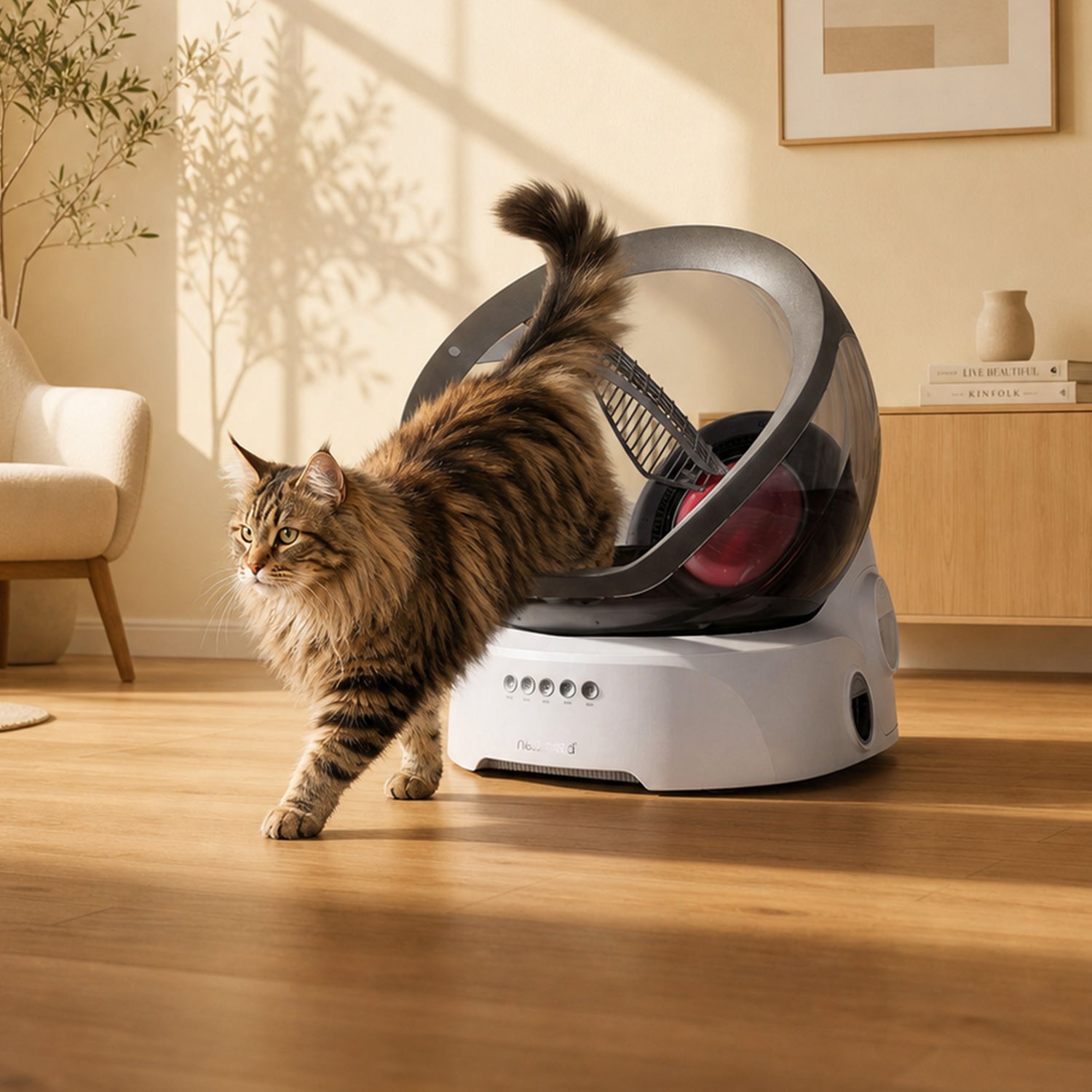
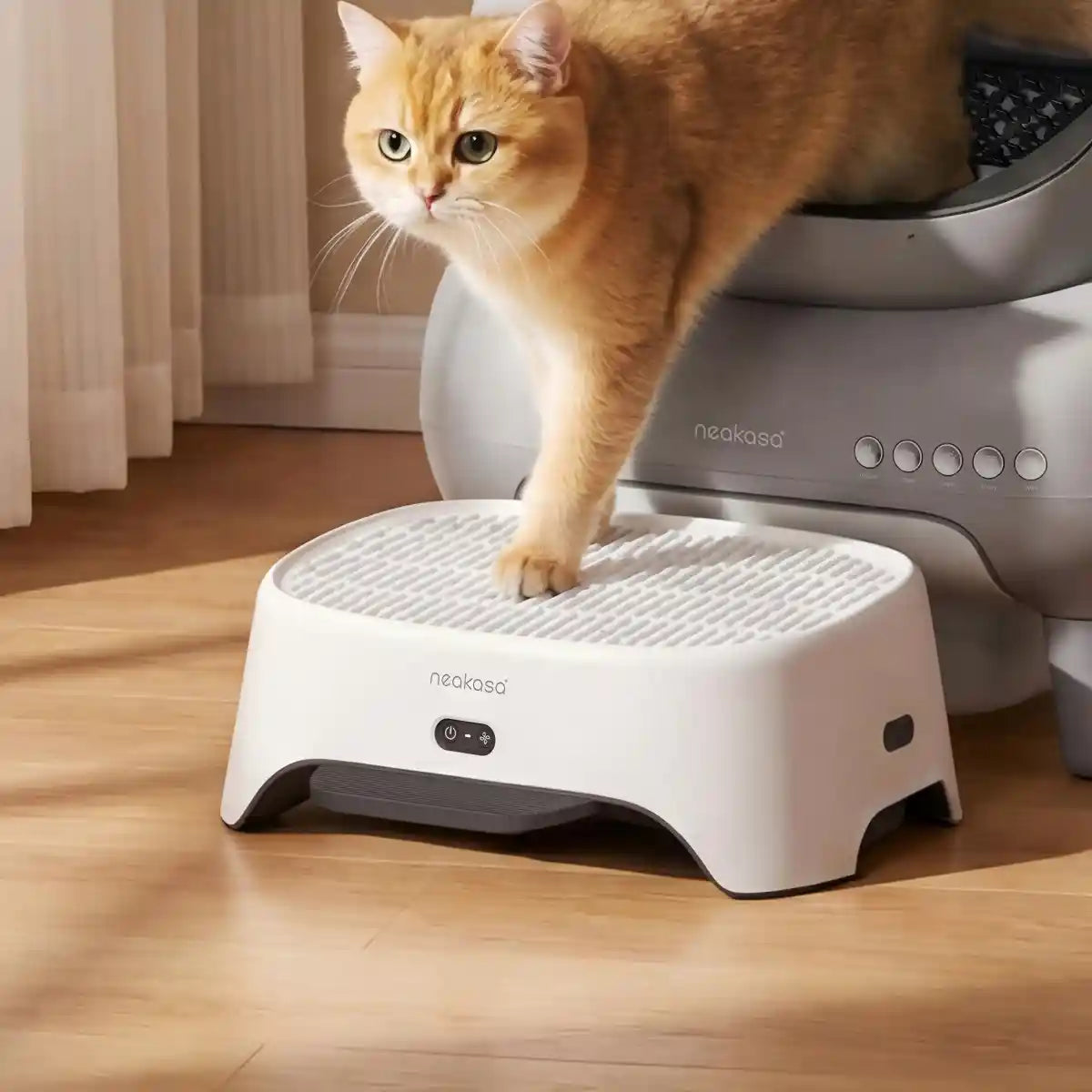
- Automate Prevention: If the odor keeps coming back from the litter box area, the issue is likely daily waste buildup. Consider a self-cleaning litter box like the Neakasa M1 to automatically scoop and seal away waste, preventing odors before they start.
First, Identify Where the Smell Comes From
Before you start spraying cleaners, you need to find the root of the problem. Cat urine odor can stem from an isolated accident, hidden old stains, vertical cat spray, or a neglected litter box.
| Possible Source | Common Signs | What to Do First |
|---|---|---|
| Fresh Urine Accident | Damp spot, strong odor in a localized area, a recent litter box miss. | Blot immediately, then thoroughly treat with an enzymatic cleaner. |
| Old Urine Stain | Odor returns during high heat or humidity, but the exact spot is invisible. | Use a UV black light in the dark to find it, then treat the entire stain radius. |
| Cat Spray | Smell is concentrated on walls, furniture sides, curtains, or vertical surfaces. | Clean with an enzymatic cleaner and address the underlying stress or marking triggers. |
| Litter Box Odor | Smell is strongest near the box itself, the waste drawer, or the litter mat. | Scoop more frequently, refresh the litter, and improve your waste storage system. |
1. Fresh Accidents: Act Fast
A fresh accident is still damp and should be handled immediately. Blot up as much liquid as possible before it has the chance to sink deeper into carpet fibers, padding, grout, wood seams, or upholstery.
2. Dried Stains: The Invisible Odor
An old stain may be completely dry, invisible to the naked eye, and incredibly hard to locate. If your house smells like cat pee but you cannot find the spot, check carpet edges, rugs, corners, baseboards, behind furniture, laundry piles, and places your cat retreats to when stressed. A UV black light is your best tool for revealing dried urine residue.
3. Litter Box Odor: The Daily Buildup
If the smell is heavily concentrated around the litter box, the issue is likely daily waste buildup rather than a hidden stain. Urine clumps, exposed feces, old litter, and a dirty waste drawer can all make a room smell like cat urine, even when your cat hasn't had an accident.
Step-by-Step Guide: Tackling Fresh Cat Urine
Fresh cat pee is the easiest to remove—if you catch it before it dries. Move quickly and avoid rubbing the stain, which forces the urine deeper into the material.
- Blot aggressively: Use heavy paper towels or a clean cloth to absorb as much liquid as possible. Press down firmly, replace the towel, and repeat until the area is only slightly damp.
- Rinse lightly (if applicable): For washable surfaces, use a small amount of cool water and blot again. Note: Do not oversaturate carpets or upholstery.
- Apply an enzymatic cleaner: Choose a formula specifically made for pet urine. Enzyme cleaners are essential because they break down odor-causing compounds rather than just covering them with artificial fragrance.
- Give it time to work: Enzymes need time and moisture to do their job. Keep the area damp with the cleaner as directed by the label (sometimes covering it helps), then let it air dry fully.
- Block access: If your cat can still catch a whiff of the spot, they might mistake it for a bathroom. Keep them away from the area until it is 100% dry and odor-free.
- Strictly avoid ammonia: Cat urine naturally smells like ammonia as it breaks down. Using ammonia-based household cleaners will actually encourage your cat to pee in that spot again.
How to Remove Dried Cat Urine Smell
Dried urine is stubborn. The odor-causing uric acid often seeps deep into carpet padding, fabrics, grout, or subflooring. If the smell returns after your first cleaning attempt, the cleaner likely didn't penetrate deep enough.
- Find the full stain area. Use your nose first, then try a UV black light in a dark room. Mark the edges of the stain so you treat the whole area.
- Use an enzymatic cleaner generously. The cleaner needs to reach the same depth as the urine. On carpet, that may mean treating beyond the visible stain.
- Give it time. Dried stains may need repeated enzyme treatments. Let each application dry fully before deciding whether the odor is gone.
- Wash removable items separately. For blankets, bedding, or washable covers, use a pet-odor laundry additive or enzymatic product that is safe for fabrics.
- Replace what cannot be cleaned. If urine soaked deeply into carpet padding, unfinished wood, or porous materials, cleaning the surface may not be enough.
Hydrogen peroxide, vinegar, or baking soda may help with some surface odors, but they are not a reliable replacement for an enzymatic cleaner on existing cat urine stains. Always spot-test cleaners before using them on fabric, carpet, wood, or painted surfaces.
Why Cat Pee Smell Keeps Returning?
Cat pee smell can return for several reasons. The most common is that urine residue is still present below the surface, especially in carpet padding or porous flooring. Heat and humidity can also reactivate odor, making a spot smell clean one day and strong the next.
Common reasons for recurring odors:
- Incomplete treatment: The urine soaked deeper than the cleaner reached.
- Wrong products used: Fragrance sprays and ammonia cleaners leave the actual odor-causing residue untouched.
- Repeat offenses: Your cat is continually returning to the same spot because they can still smell their previous mark.
- The litter box is the true culprit: Exposed urine clumps and an overflowing box are stinking up the room.
- Underlying health/stress issues: Sudden changes in bathroom habits (like straining, peeing frequently, or showing pain) should always be evaluated by a veterinarian to rule out UTIs or anxiety.
Once the obvious urine spots are treated, lingering smells might still be trapped in soft surfaces, litter mats, or rooms with poor airflow. Taking a broader approach to eliminating everyday cat odors in your home can help you track down these hidden sources. It also helps to understand the science behind why cat pee smells so bad, which explains why an old, seemingly clean stain can suddenly start to stink again.
Odor Removal vs. Odor Prevention: What’s the Difference?
Enzyme cleaners and litter box odor control systems solve two entirely different problems. Cleaners fix the accidents, while a smart litter box setup fixes the environment. Most cat owners need both.
| Odor Situation | Best First Step | How the Neakasa M1 Fits In |
|---|---|---|
| Existing cat pee on carpet | Deep clean with an enzymatic cleaner. | Not applicable. Neakasa does not clean stains. |
| Cat spray on furniture/walls | Clean the full vertical area with enzymes. | Minimal. May help only if spraying is caused by the cat avoiding a dirty litter box. |
| Smell around the litter box | Scoop more often, scrub the box, replace litter. | Ideal. Neakasa automatically scoops and seals waste away. |
| Overall house smells like pee | Hunt for hidden stains using a UV light. | Ideal. Helps eliminate ambient smells if the source is daily litter box odor. |
Automate Prevention: How the Neakasa M1 Keeps Your Home Fresh
To be clear: the Neakasa M1 cat litter box is not a cleaner for existing accidents on your rugs or floors. However, it is an incredibly powerful prevention tool for stopping recurring ambient litter box odors from taking over your home.
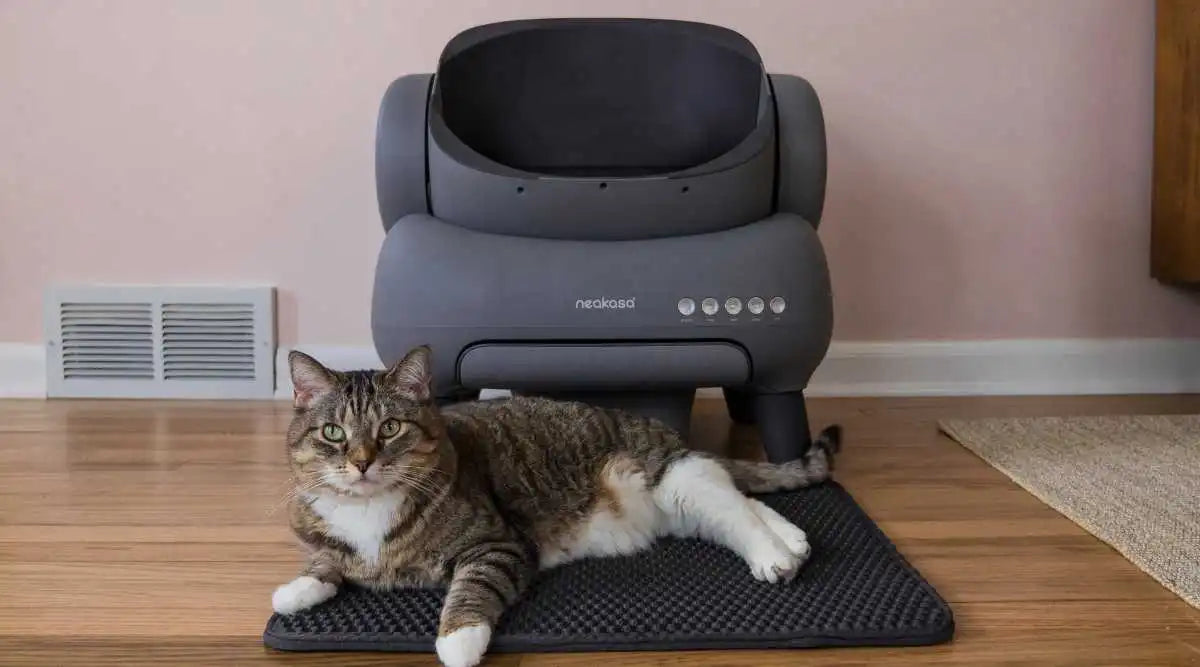
Here is how upgrading your litter box hygiene prevents daily odors:
- Immediate Waste Removal: Waste is automatically scooped shortly after your cat leaves the box, drastically reducing the time urine and feces remain exposed to the air.
- Sealed Storage: Used litter is locked away in a sealed compartment, trapping the pungent smells of exposed waste.
- Effortless Hygiene: By automating the scooping process, busy cat owners can maintain a consistently pristine litter box environment with zero daily effort.
If the lingering smell in your home is coming from daily waste buildup rather than hidden carpet stains, an automated system is the ultimate long-term fix.

- Enhanced sealing stops leaks, even for side-peeing.
- Self-cleaning removes waste without daily scooping.
- Open-top design ensures safety and easy access.
- Spacious interior fits cats, up to 33 lbs.
- Sealed bin locks odors for up to 14 days.
From $379.99
FAQs
Q1. How do I get rid of cat spray smell?
A1. Blot wet spray immediately and treat the entire vertical area with an enzymatic cleaner. Never use ammonia, as it encourages cats to re-mark.
Q2. How do I get cat pee smell out of the house?
A2. Find the source first. Treat hidden stains with enzymes and wash affected fabrics. If the smell is lingering around the bathroom area, it's likely daily waste buildup.
Q3. How do I remove cat wee smell?
A3. You must apply enough enzymatic cleaner to soak completely through to the bottom of the stain, reaching the carpet padding or subfloor. Avoid ammonia entirely, and let the enzymes air dry fully to break down the uric acid.
Q4. Why does my house smell like cat urine even after cleaning?
A4. The odor-causing uric acid is likely still trapped deep below the surface. Alternatively, you may have missed a hidden stain, or your litter box needs a deep scrub. Re-treat the area heavily with enzymes so it reaches the deepest part of the stain.
Q5. What is the best way to prevent cat pee smell from coming back?
A5. Fully eradicate old spots with enzymatic cleaners so your cat isn't tempted to re-mark. Then, maintain strict litter box hygiene—either by scooping 1-2 times a day or by using a self-cleaning model like the Neakasa M1 to automatically scoop and seal waste after every use.
Conclusion: Reclaiming a Fresh-Smelling Home
The best way to get rid of cat pee smell is to match the solution to the source. Use an enzymatic cleaner for fresh accidents, dried urine stains, and cat spray, and avoid ammonia-based cleaners that may make the area smell like urine again.
If the smell keeps coming from the litter box area, focus on prevention: scoop more often, refresh litter, and keep waste from sitting exposed. A self-cleaning litter box like the Neakasa M1 Plus can help reduce recurring litter box odor by removing and sealing waste automatically, but existing urine stains still need enzymatic cleaning.

Leave a comment
All comments are moderated before being published.
This site is protected by hCaptcha and the hCaptcha Privacy Policy and Terms of Service apply.