
Pilling on sweaters isn’t a sign of poor quality—it’s caused by normal friction from wear and washing. Don’t toss your favorite knit!
Learn why fabrics pill, how to safely remove fuzzballs using the right tools (without causing holes), and discover expert laundry tips to prevent pilling before it starts. With proper care, your sweaters can stay smooth, soft, and fresh-looking for years.
- The Cause: Pilling is a natural result of friction, most commonly affecting synthetic blends (like poly-cotton) and short-staple fibers.
- The Best Tools: Match the tool to the fabric—use a sweater comb for delicates (cashmere), a pumice stone for heavy coats, and an electric fabric shaver for everyday items.
- What to Avoid: Never use disposable razors, scissors, sticky tape, or sandpaper to remove fuzz.
- How to Prevent: Wash clothes inside out on a gentle, cold-water cycle, and stop using traditional irons. Switch to a contactless garment steamer to eliminate the heavy friction that causes pilling.
What Causes Fabric Pilling? (And Why Your Clothes Fuzz)
Pilling happens when fibers in your clothing break, tangle together, and form tiny knots on the surface. This is almost always caused by physical friction—rubbing against your desk, your seatbelt, or even other clothes in the washing machine.
Before we fix the problem, it helps to know which fabrics are the most vulnerable. Here is a quick breakdown of fabric pilling risks:
| Fabric Type | Pilling Risk | Common Garment Examples | Why It Happens |
|---|---|---|---|
| Synthetic Blends (e.g., Poly-Cotton) | Very High | Hoodies, cheap activewear | Strong synthetic fibers trap weaker, broken natural fibers. |
| Short-Staple Fibers | High | Standard cotton tees, acrylic knits | Shorter threads have more loose ends exposed to friction. |
| Long-Staple Fibers | Low | Pima cotton, premium merino | Longer, smoother threads resist breaking and tangling. |
| Continuous Filament | Very Low | 100% Silk, pure nylon | Single, continuous strands have virtually no loose ends. |
How to Remove Pilling from Sweaters and Clothes Safely
Removing pills is essentially a delicate “surgery” for your clothes. If you pull them off with your fingers, you’ll just stretch and break more fibers. To avoid damaging your garments, match the right tool to the right fabric.
The Ultimate De-Pilling Tool Guide
| Tool | Best For (Fabric Type) | Technique |
|---|---|---|
| Sweater Comb | Delicate knits (Cashmere, fine wool, silk) | Gentle, single-direction strokes |
| Pumice Stone | Heavyweight fabrics (Wool coats, chunky knits) | Light brushing in one direction |
| Fabric Shaver | Sturdy, everyday items (Cotton, polyester blends) | Light, circular motions |
Here is the safest, step-by-step process to de-pill your wardrobe:
Step 1: Prep with a Garment Steamer
Here is the industry secret: Never shave a dry, stiff sweater. When fibers are stiff, your removal tool is more likely to snag and rip healthy yarns.
Before you start, give your garment a quick pass with a high-quality garment steamer like the Neakasa Magic 1. High-temperature steam relaxes the fabric, softens tangled knots, and makes the pills stand up straight. This ensures they slice off cleanly without pulling the surrounding healthy fibers.

- Instantly removes wrinkles with AirIron Technology.
- Achieves smoother results at triple the speed.
- Effortless to use with a safe one-handed design.
- Prevents fabric pilling through zero-friction care.
- Neutralizes daily odors using high-temperature steam.
Step 2: Choose Your Tool and Apply “Tension”
Whether you are using a sweater comb for cashmere or an electric fabric shaver for a hoodie, the golden rule is tension.
- Lay the item completely flat on a hard table.
- Pull the fabric taut with your free hand (like a drum skin).
- Glide your chosen tool gently over the surface to remove the fuzz safely.
Step 3: Steam to Restore
Once you’re done, give the item one final blast of steam with your garment steamer. This restores its fluffy, brand-new texture and smooths out any remaining fibers.
What NOT to Use for Pilling Removal
Do a quick search online, and you’ll find plenty of “DIY pilling hacks”—but many of them will ruin your clothes. Avoid these at all costs:
- Disposable Razors: They lack a protective guard. While they scrape off pills, they easily slice right through healthy yarns, leaving permanent holes.
- Scissors: One slip of the hand, and you’ve cut your sweater. It’s too risky.
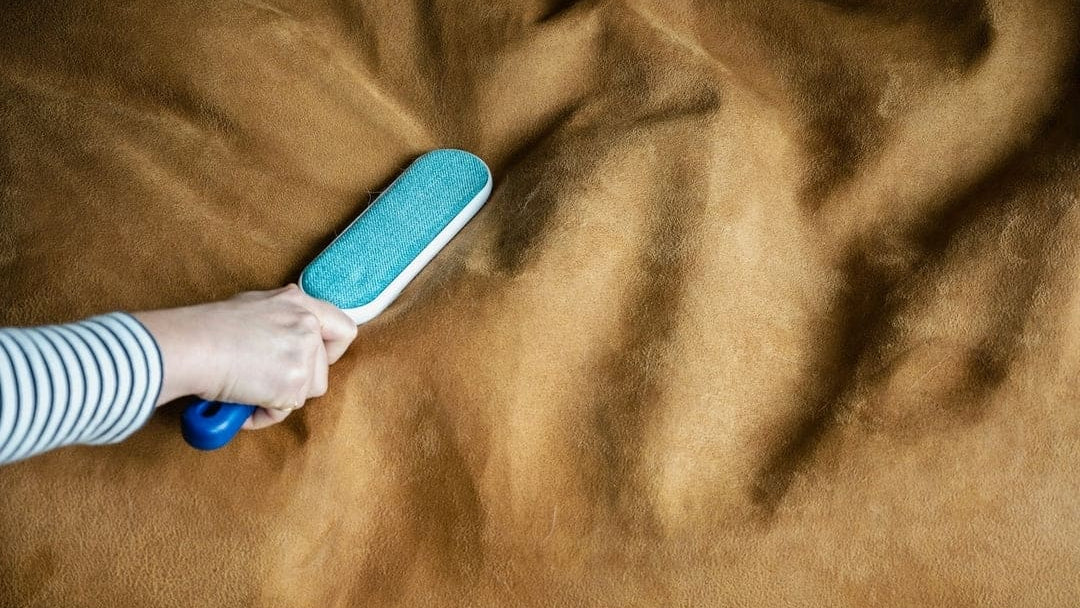
- Tape or Lint Rollers: While great for pet hair removal, they cannot remove pills. The sticky adhesive pulls more fibers to the surface, causing worse pilling later.
- Sandpaper: This creates massive abrasion, essentially sanding down and destroying the integrity of your fabric.
How to Prevent Pilling on Clothes: 3 Expert Washing Tips
The best way to deal with pilling is to stop it before it starts. Upgrade your laundry routine with this 3-step prevention checklist:
Tip 1. Wash Inside Out on a Gentle Cycle
Protect the “public-facing” side of your clothes by turning them inside out. Always choose the delicate cycle to minimize harsh agitation, and zip up all zippers so metal teeth don’t chew up your soft knits.
Tip 2. Stop Ironing and Use a Garment Steamer
Traditional ironing causes pilling by crushing delicate fibers under a heavy, hot metal plate. Switch to a contactless solution like the garment steamer. It uses continuous hot steam to release wrinkles with “zero-friction,” drastically extending your clothing’s lifespan.
Tip 3. Wash Less Frequently
The less you wash, the less friction your clothes endure. If a jacket or sweater just smells like dinner or has slight wrinkles, skip the washer. A quick 3-minute steaming session will kill bacteria, neutralize odors, and refresh the fabric without destructive tumbling.
FAQs
Q1. Why do my clothes pill under the arms or between the thighs?
A1. Pilling is caused by friction. High-movement areas—like under the arms, between the thighs, or where a backpack rests—rub together constantly, causing fibers to break and tangle faster.
Q2: Is it safe to use a disposable razor to shave my sweater?
A2. No. Disposable razors lack protective guards. They can easily slice into healthy yarns, thinning the fabric and eventually causing permanent holes.
Q3. Does washing clothes in cold water prevent pilling?
A3. Yes. Cold water is gentler and prevents fibers from weakening. For best results, wash inside out using cold water, a gentle cycle, and mild liquid detergent.
Q4. Can a garment steamer actually remove pilling?
A4. It can’t cut pills off, but it’s an essential prep tool. Steaming with the Neakasa Magic 1 softens fibers for safer shaving. It also prevents future pilling by removing wrinkles without the harsh friction of an iron.
Q5. Do expensive clothes pill less than cheap ones?
A5. Not always. While cheap synthetic pills are easy to find, even expensive 100% cashmere pills because their fibers are so delicate. Proper washing and maintenance matter far more than the price tag.
Conclusion
Finding fuzz on your favorite sweater is frustrating, but it doesn’t mean the end of your garment’s life. By understanding what causes pilling, using the right tools, and prepping the fabric with a garment steamer, you can safely restore your wardrobe.
Adopt better washing habits today to keep your clothes looking flawless, wash after wash!

Leave a comment
All comments are moderated before being published.
This site is protected by hCaptcha and the hCaptcha Privacy Policy and Terms of Service apply.