
There is a common myth that a cat’s fur coat makes them immune to the cold. In reality, your cat is a desert animal by ancestry.
While humans are comfortable at 70°F (21°C), a cat’s thermoneutral zone—the temperature range where they don't have to expend energy to stay warm—is actually much higher, between 86°F and 97°F (30-36°C). Their normal body temperature runs hot, between 100.5°F and 102.5°F.
This means that what feels like a "cozy" room to you might actually feel chilly to them. So, how do you know if your cat is just napping or actively freezing? Here are the physiological signs to watch for.
- Reality: Cats have a higher body temperature (100–102.5°F) than humans. If you are chilly, they are freezing.
- Signs: Watch for the "meatloaf" tuck, cold ears/paws, shivering, or stiff movement.
- Vulnerable Groups: Hairless breeds and senior cats with arthritis suffer the most in winter.
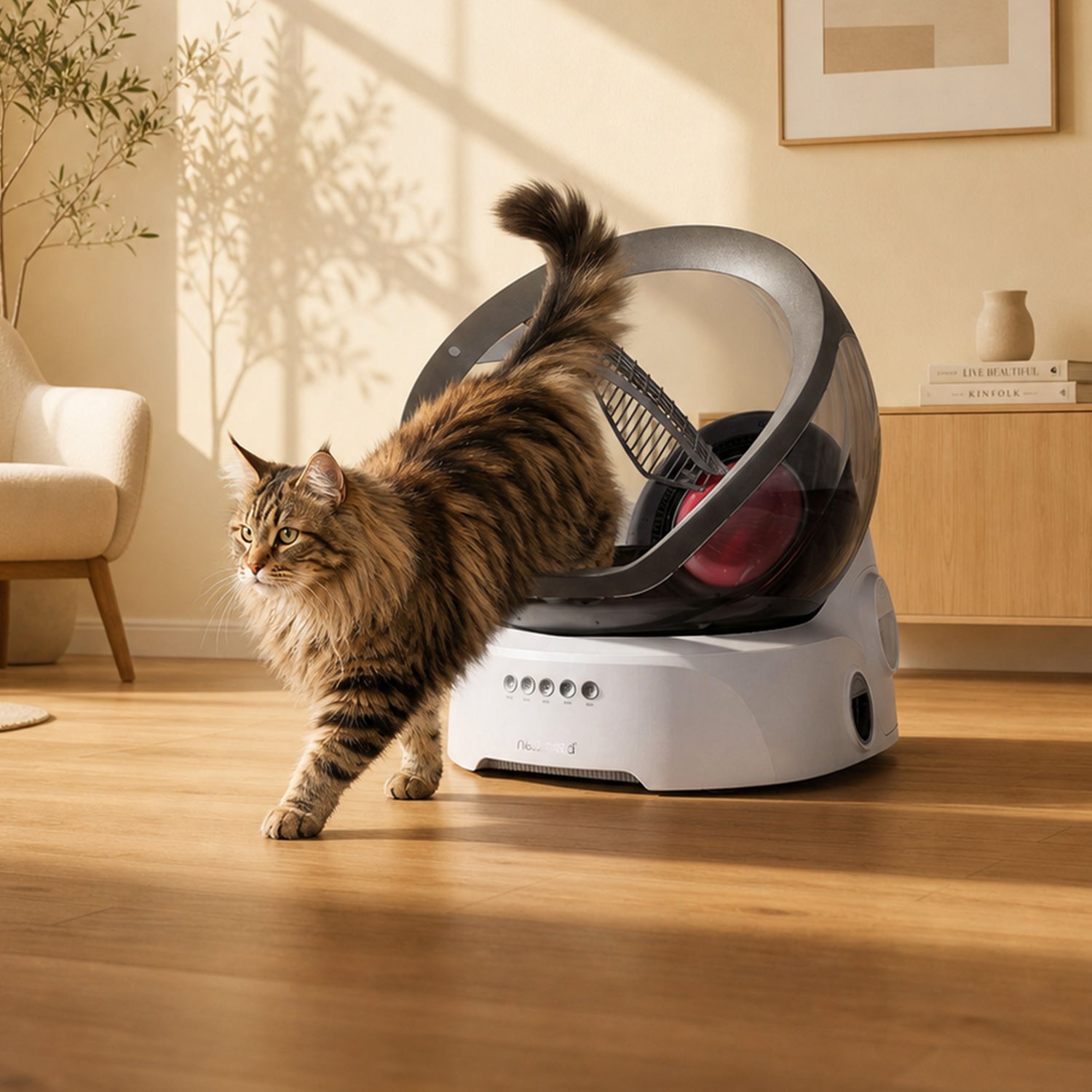
- Fix: Use pet-specific heating pads (never human ones), create elevated thermal spots, and upgrade to an accessible litter box like the Neakasa M1 Plus to help stiff joints.
7 Physical and Behavioral Signs Your Cat Is Cold
Cats are masters of disguise, often hiding discomfort until it becomes severe. However, their body language gives them away if you know what to look for.
1. The "Meatloaf" Tuck & Curled Posture
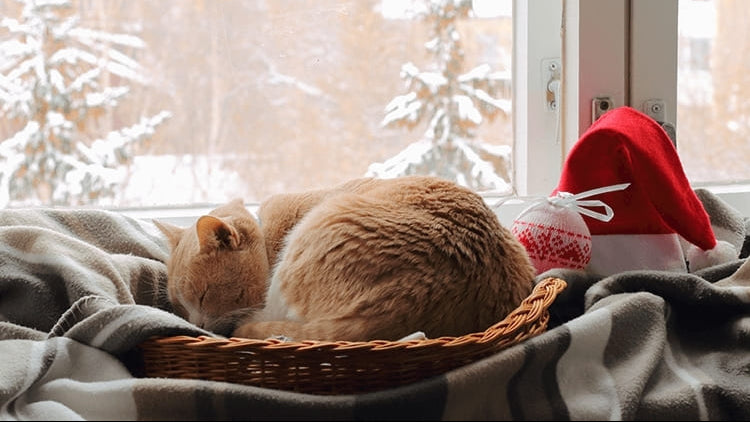
If your cat is tucked into a tight ball with their nose buried in their tail, or sitting like a "meatloaf" with all four paws tucked underneath them, they are in Heat Conservation Mode.
- The Science: By reducing their surface area exposed to the air, they minimize radiant heat loss from their belly and paw pads.
2. Cold Ears, Paws, and Tail Tip
Your cat’s extremities are their radiator.
- The Test: Gently touch the tips of their ears or their paw pads. If they feel ice-cold to the touch (significantly colder than your hand), their body is restricting blood flow to these areas to keep their internal organs warm. This is an early sign of a dropping core temperature.
3. Seeking Heat Sources
Is your cat suddenly obsessed with your laptop, the top of the refrigerator, or a sunny windowsill?
- Behavioral Cue: While cats love sunbeams, actively pressing their body against radiators, vents, or electronics indicates they are struggling to maintain their body heat independently.
4. Shivering and Lethargy (Warning Sign)
This is the line between "chilly" and "medical emergency."
- The Danger: Cats rarely shiver from cold unless their body temperature has dropped dangerously low (mild hypothermia). If your cat is shivering or seems unusually slow and unresponsive, wrap them in a warm towel and contact your vet.
5. Fluffed Up Fur (Piloerection)
Just like humans get goosebumps, cats fluff up their fur.
- The Mechanism: By erecting their hair follicles (piloerection), they trap a layer of air close to their skin. This air acts as insulation, similar to how a down jacket works. A "puffy" cat is usually a cold cat.
6. Stiff Movement or Hunching
Cold weather is brutal for joint health.
- The Sign: You might notice your cat walking with a stiff, hunched gait or hesitating before jumping onto the couch.
- The Cause: Low temperatures cause muscles to tense up and synovial fluid in joints to thicken. This is especially painful for senior cats with arthritis, making simple tasks—like climbing into a high-walled litter box—difficult.
7. Increased Vocalization
Sometimes, they just tell you.
- The Sound: An uncomfortably cold cat may wander around the house crying or meowing more than usual, especially near doors or windows. This is a distress signal, essentially asking you to "fix" the environment.
Which Cats Are Most Vulnerable to Cold?
Not all cats handle winter equally. Two specific groups require extra vigilance when the temperature drops.
1. Hairless Breeds (Sphynx)
Without a fur coat, breeds like the Sphynx or Cornish Rex lose body heat almost instantly.
- The Fix: These cats essentially require clothes in winter. If you are cold in a t-shirt, they are freezing.
2. Senior Cats and Arthritis Pain
Cold weather is brutal for older cats.
- The Joint Connection: Low temperatures stiffen joints and aggravate arthritis. You might notice your senior cat moving slower or hesitating to jump.
-
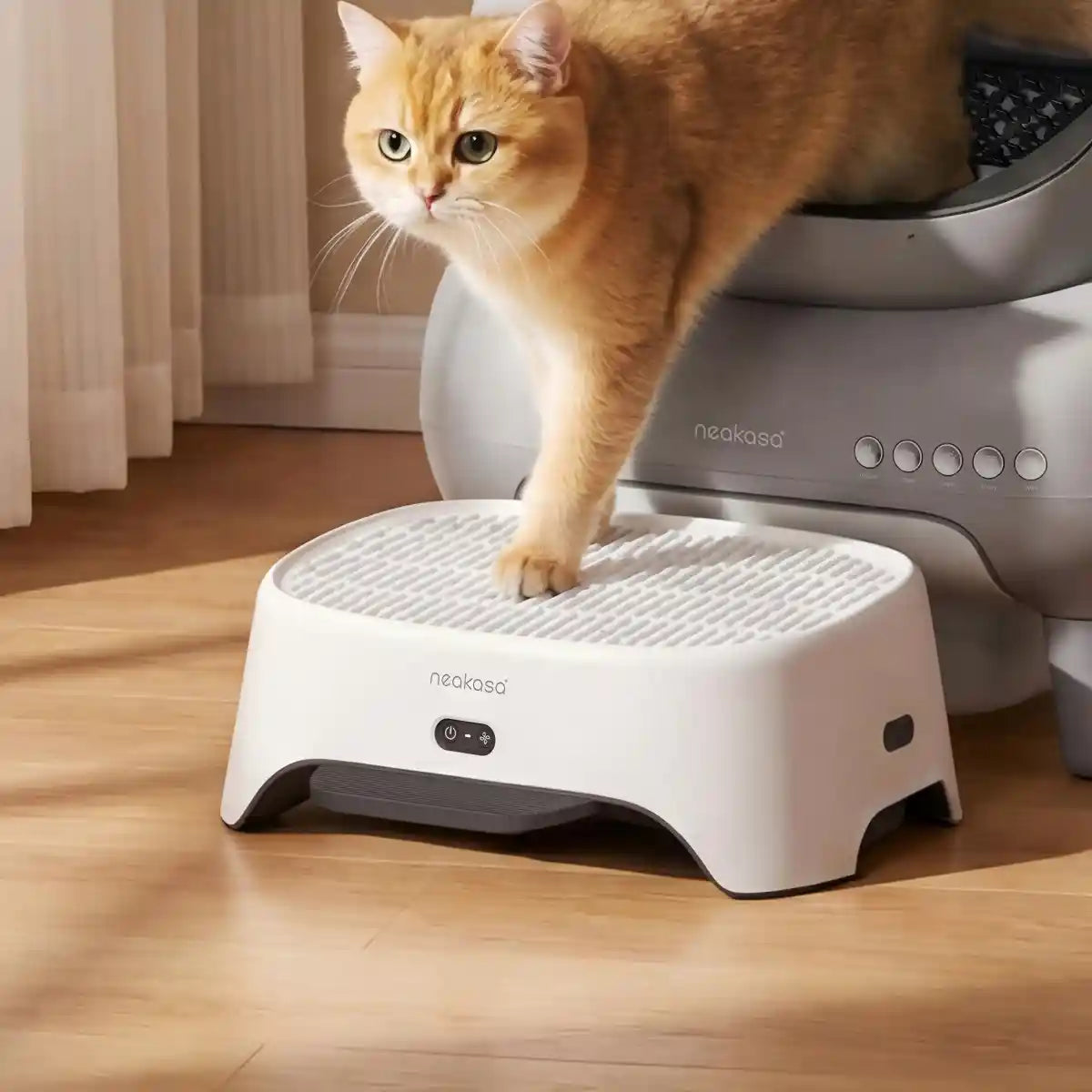
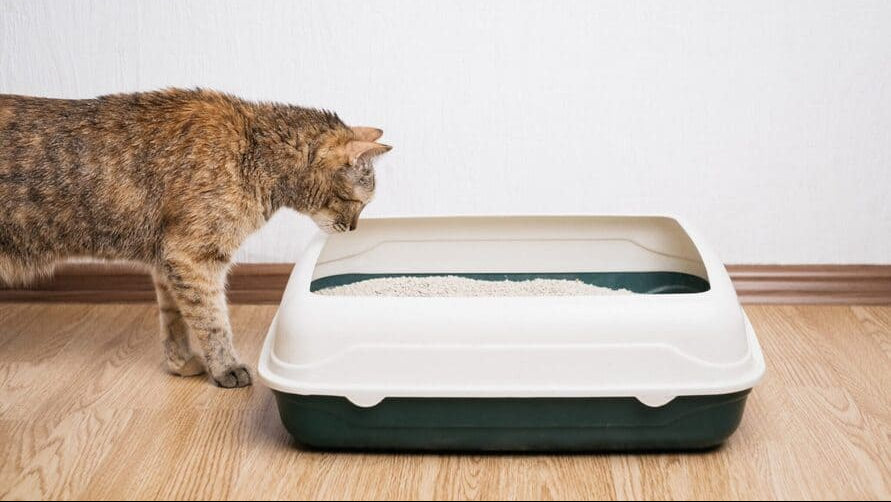
The Litter Box Issue: A cold, stiff cat struggles to climb into high-walled litter boxes. This is where an accessible solution like the Neakasa M1 Plus becomes a health necessity.
- Its Open-Top design and significantly lower entry point mean your senior cat doesn't have to contort their painful joints to use the bathroom.
- Additionally, because it self-cleans, the litter bed remains dry. Damp, dirty litter is much colder on sensitive paws than clean, dry granules.
3. Kittens (Under 6 Months)
Just like human infants, kittens are born with a poor ability to regulate their own body temperature.
- The Thermodynamics: They have a large surface area relative to their small weight, meaning they lose body heat rapidly.
- The Risk: Because they lack the muscle mass to shiver effectively and have very little body fat, a drafty floor that just annoys an adult cat can be dangerous for a kitten. They rely entirely on external heat sources (you or a heating pad) to survive.
4. Cats with Chronic Illnesses
Health issues often strip a cat of their natural defenses against the cold.
- The Insulation Loss: Conditions like hyperthyroidism, kidney disease, or diabetes often cause significant weight loss and muscle wasting.
- The Effect: Losing body fat means losing their natural insulation layer. These cats often seek heat sources aggressively because they literally cannot hold onto their own body warmth.
How to Keep Your Cat Warm Safely
You don't need to overheat the whole house. The goal is to create safe, optional heat sources so your cat can self-regulate without risking burns.
1. Safe Heating Pads vs. Human Pads
Active heating is effective, but using the wrong tool can be dangerous.
- The Risk: Human pads get hot enough to cause thermal burns on thin cat skin.
- The Solution: Use pet-specific heating pads that have pressure sensors (only heat up when the cat lies down) and are capped at a safe, low temperature (around 100°F).
2. Create "Thermal Micro-Climates."
Instead of cranking up the thermostat, focus on optimizing specific resting spots.
- Elevated Beds: Heat rises. A bed placed on a chair or shelf is warmer than one on the drafty floor.
- Self-Warming Mats: These use Mylar reflective layers (like space blankets) inside the fabric to reflect the cat's own body heat back at them.
3. Switch to Enclosed "Cave" Beds
Standard open beds allow body heat to dissipate into the room.
- The "Igloo Effect": An enclosed, cave-style bed (or even a cardboard box with a blanket) traps the cat's body heat inside the structure, creating a naturally warm pocket of air.
- Why it helps: This minimizes drafts and allows the cat to warm the small space quickly using only their body temperature.
4. Block the Drafts
Cold air sinks and travels along the floor, right where your cat lives.
- The Floor Check: Get down to your cat's level near windows and doors. If you feel a breeze, your cat is freezing.
- The Fix: Use simple draft stoppers under doors or move their favorite resting spots away from glass windows, which radiate cold even when closed.
FAQs
Q1. What temperature is too cold for a cat?
A1. Generally, below 45°F (7°C) is risky. If your home drops below 60°F (15°C), short-haired cats need a heated bed or extra blankets.
Q2. Do cats get cold at night?
A2. Yes. Fur isn't a perfect insulator. If your cat suddenly starts sleeping on you during winter, they are seeking your body heat for survival.
Q3. Can a cold house cause a URI (Upper Respiratory Infection)?
A3. Indirectly. Cold stress weakens the immune system, making cats more vulnerable to viral flare-ups like feline herpes.
Conclusion
Keeping your cat warm isn't just about comfort; it's about health. By recognizing the subtle signs—like cold ears, the "meatloaf" tuck, or stiff movement—you can adjust your home environment before they get sick.
Whether it’s adding a heated bed or switching to a senior-friendly litter box like the Neakasa M1 Plus to accommodate their stiff winter joints, these small changes make a massive difference in their quality of life.

- Enhanced sealing stops leaks, even for side-peeing.
- Self-cleaning removes waste without daily scooping.
- Open-top design ensures safety and easy access.
- Spacious interior fits cats, up to 33 lbs.
- Sealed bin locks odors for up to 14 days.

Leave a comment
All comments are moderated before being published.
This site is protected by hCaptcha and the hCaptcha Privacy Policy and Terms of Service apply.