
If you’ve ever walked into a room and felt a sharp, stinging sensation in your nose, you know the dreaded "ammonia eye-burn." While cat urine naturally contains urea, a massive buildup of ammonia isn't just a cleaning nuisance—it's a chemical signal from your cat's body or your home environment.
In this guide, we’ll break down the science of why that smell happens, how to tell if it’s time to call the vet, and how upgrading to an automatic litter box can solve the problem permanently.
- Cause: Ammonia isn't fresh urine; it’s bacteria breaking down urea over time. It signals a dirty box, dehydration, or a medical issue.
- Health Risk: A strong ammonia smell is a respiratory irritant for both you and your cat. Never use bleach to clean it (it creates toxic gas).
- Fix: Increase your cat’s water intake, use enzymatic cleaners (not vinegar), and replace scratched plastic boxes.
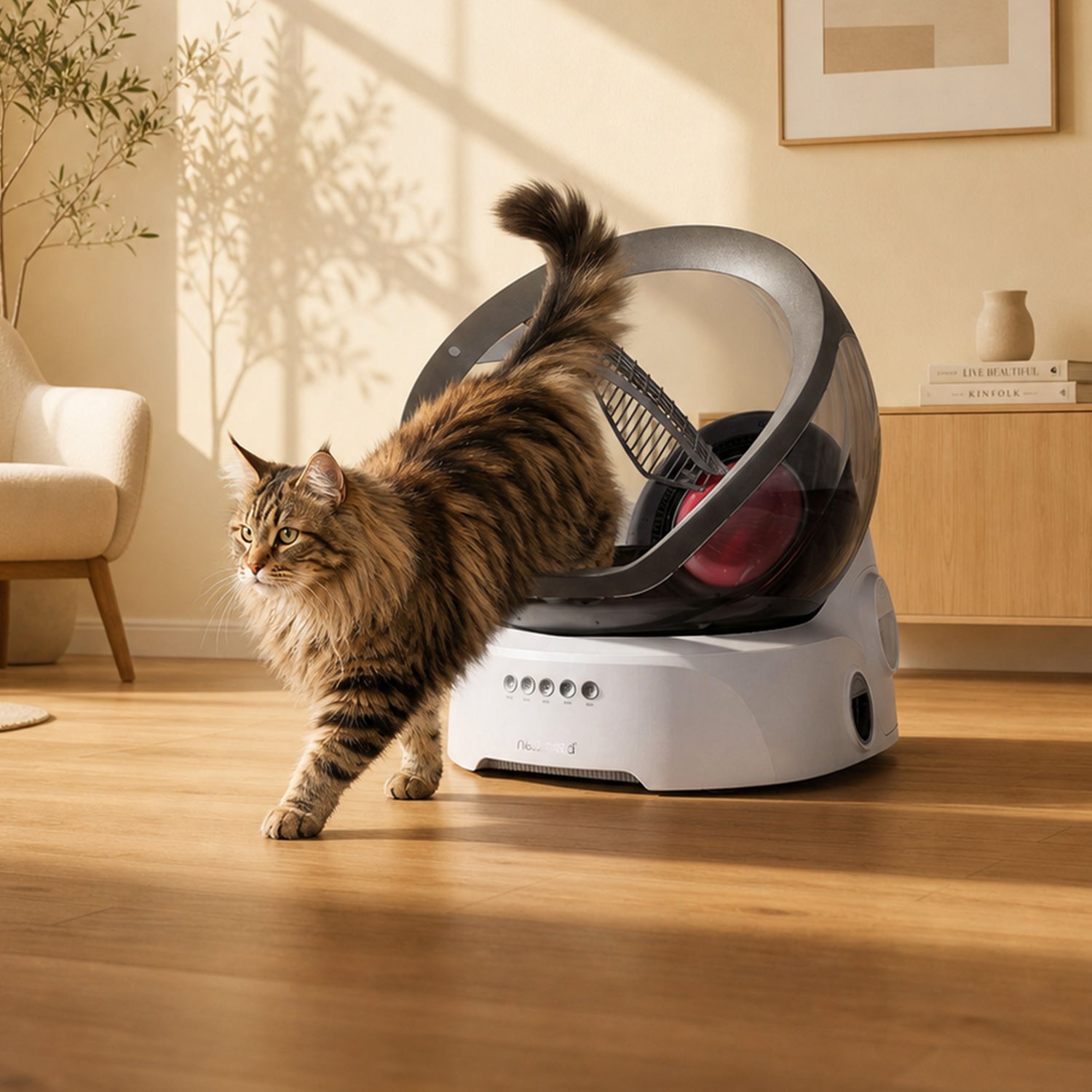
- Prevention: The Neakasa M1 Plus prevents the smell by sealing waste immediately, stopping the chemical reaction before it starts.
The Science of Stink: What Causes Ammonia Build-Up?
Understanding the enemy is the first step to defeating it. The smell isn't random bad luck; it is a specific chemical reaction occurring right in your litter box.
The Chemical Breakdown: Urea to Ammonia
The smell isn't actually "fresh" urine. When a cat pees, they excrete urea, which is initially odorless. However, the moment urine hits the litter, a biological timer starts:
- Stage 1: Bacteria naturally present in the environment begin to feed on the urea.
- Stage 2: This bacterial breakdown releases ammonia gas (NH₃) as a byproduct.
- Stage 3: If the urine sits too long, the gas concentration rises, creating that pungent "cleaning fluid" scent.
Hydration Levels: Why Concentrated Urine Smells Worse
Cats have highly efficient kidneys designed to conserve water—a survival trait from their desert ancestors. However, this efficiency has a smelly downside.
If your cat isn't drinking enough water, their urine becomes highly concentrated. More urea in less liquid means a significantly faster and more intense release of ammonia gas once it leaves the body.
Is It the Cat or the Litter? 5 Common Culprits
If you have ruled out simply forgetting to scoop, you need to investigate further. Generally, ammonia issues stem from one of these five specific drivers.
1. Diet High in Protein
Cats are obligate carnivores, but the type of fuel matters. Excessive or low-quality protein can lead to higher nitrogen waste in the urine. Since nitrogen is the primary component of urea, a diet that is "too rich" often results in a litter box that is "too stinky."
2. The Litter Box Hygiene Gap
Even the best "clumping" litter isn't perfect. Small, broken bits of urine-soaked litter often slip through the scoop and remain in the box. Over weeks, these micro-traces accumulate, creating a permanent bacterial breeding ground at the bottom of the tray.
3. Wrong Type of Litter
- Non-clumping clay: Often absorbs liquid but allows gas to escape easily.
- Large wood pellets: Can sometimes hide the liquid at the bottom, allowing ammonia to pool unseen.
- Silica gel: Excellent at absorption, but if not changed frequently enough, it stops trapping odors abruptly.
4. Unneutered Male Cats
Biology plays a massive role here. Intact male cats produce high levels of testosterone and a specific amino acid called felinine. This makes their urine smell significantly more "musky" and ammonia-heavy, as nature intended it to be a strong territorial marker.
5. Medical Warning Signs: UTIs and Kidney Disease
Sometimes, the smell is a cry for help. To help you distinguish between a dirty box and a sick cat, use the diagnostic table below.
The Ammonia Odor Diagnostic Chart
Use this table to check if the smell is within the normal range or a medical red flag.
| Odor Intensity | Characteristics | Cause | Action |
|---|---|---|---|
| Level 1: Normal | Faint smell only noticeable when actively scooping or changing litter. | Natural urea breakdown. | Maintain regular cleaning schedule. |
| Level 2: Strong | Sharp smell that fills a small room but dissipates quickly after cleaning. | Dehydration or High-Protein Diet. | Increase water intake (wet food/fountain). |
| Level 3: Critical | "Sickly sweet" or "decaying" ammonia smell that persists even after scrubbing. | Kidney Disease or UTI. | Consult a Vet immediately. |
How to Get Rid of Ammonia Smell in Cat Litter (Step-by-Step)
Masking the smell with air fresheners won't work long-term because the gas will overpower the perfume. You need a two-step approach: chemical neutralization and mechanical prevention.
1. Neutralize Bacteria with Enzymatic Cleaners
Many owners reach for vinegar, but it is often not enough.
- Vinegar: It is acidic and can neutralize the alkaline ammonia temporarily, but it does not kill the source bacteria.
- Enzymatic Cleaners (Essential): These contain bio-enzymes that literally "eat" the uric acid crystals and bacteria. Without enzymes, the smell will return the moment the area gets humid again.
2. Stop the Spread with the Odor-Eliminating Litter Step
Sometimes, the smell isn't coming from the box—it’s coming from your floor.
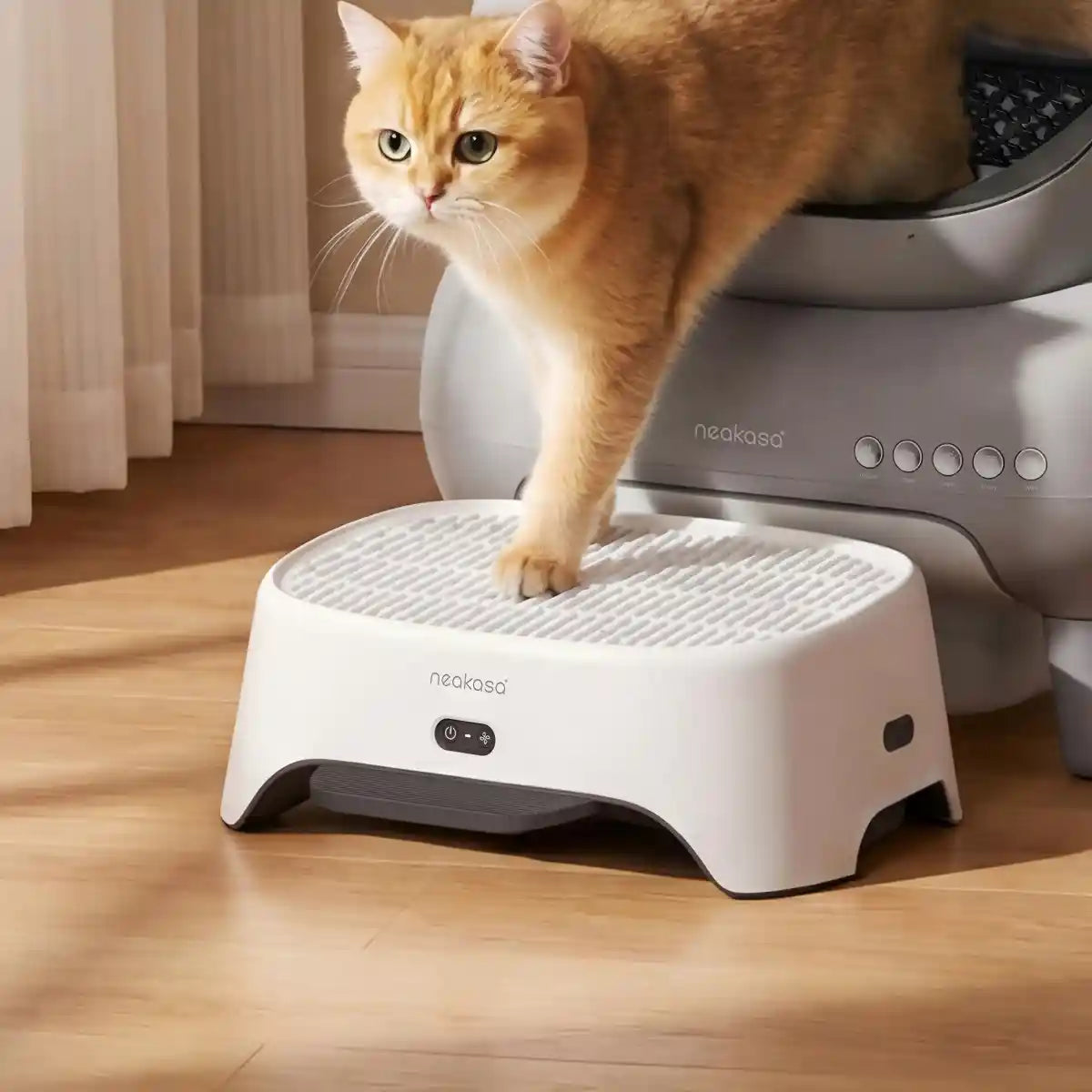
- The Hidden Source: Cats track microscopic, urine-soaked dust on their paws. These granules embed deep into carpets, creating invisible "ammonia zones" throughout the room.
- The Solution: The Neakasa AirStep acts as a firewall for debris. Its grated surface captures litter from your cat's paws before they step onto your floor, keeping the biological breakdown contained within the litter zone.
3. Eliminate the Source with the M1 Plus
The most effective way to stop ammonia is to remove the waste before the chemical breakdown begins. This is where upgrading your hardware makes the biggest difference.
- Immediate Isolation: The Neakasa M1 Plus senses when your cat leaves and cycles the waste into a sealed drawer instantly. This stops the urea-to-ammonia conversion in its tracks.
- Smart Monitoring: Since kidney issues often cause strong odors, the M1 Plus app tracks bathroom frequency, alerting you to potential health issues before the smell takes over.
FAQs
Q1. Is the smell harmful to cats or humans?
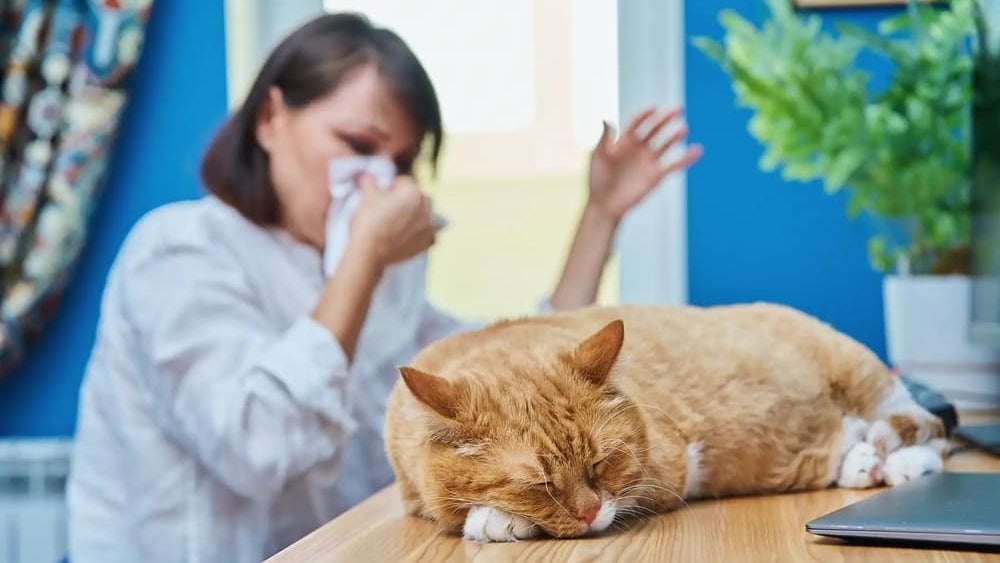
Yes. Ammonia fumes are a serious respiratory irritant. Prolonged exposure can trigger asthma in humans and lead to severe lung damage or pneumonia in cats, who inhale concentrated gas directly at the source.
Q2. Can I use bleach to clean cat urine?
NEVER. Mixing bleach with cat urine creates toxic chloramine gas, which causes immediate respiratory damage and chest pain. Always use enzymatic cleaners or plain soap and water instead.
Q3. Why does the smell linger even after I change the litter?
Microscopic Scratches. Over time, cat claws damage plastic trays, creating tiny fissures that trap odor-causing bacteria deep inside where sponges can't reach. Standard boxes need annual replacement, unlike the scratch-resistant Neakasa M1 Plus.
Conclusion
A persistent ammonia smell isn't just a nuisance; it is a signal that your cat's diet, hydration, or environment is out of balance. Don't just mask the odor—fix the root cause.
By improving hydration and upgrading to a smart solution like the M1 Plus Self-Cleaning Litter Box, you solve the problem at its source. You aren't just clearing the air; you are ensuring a healthier, safer life for your cat.

Leave a comment
All comments are moderated before being published.
This site is protected by hCaptcha and the hCaptcha Privacy Policy and Terms of Service apply.