


The sound of flowers blooming is 10 decibels (dB), a ticking alarm clock is 20-40 dB, and a typical hair dryer ranges from 60-70 dB. In comparison, a subway train starting up hits 70-80 dB, while a car whistle reaches 90 dB.

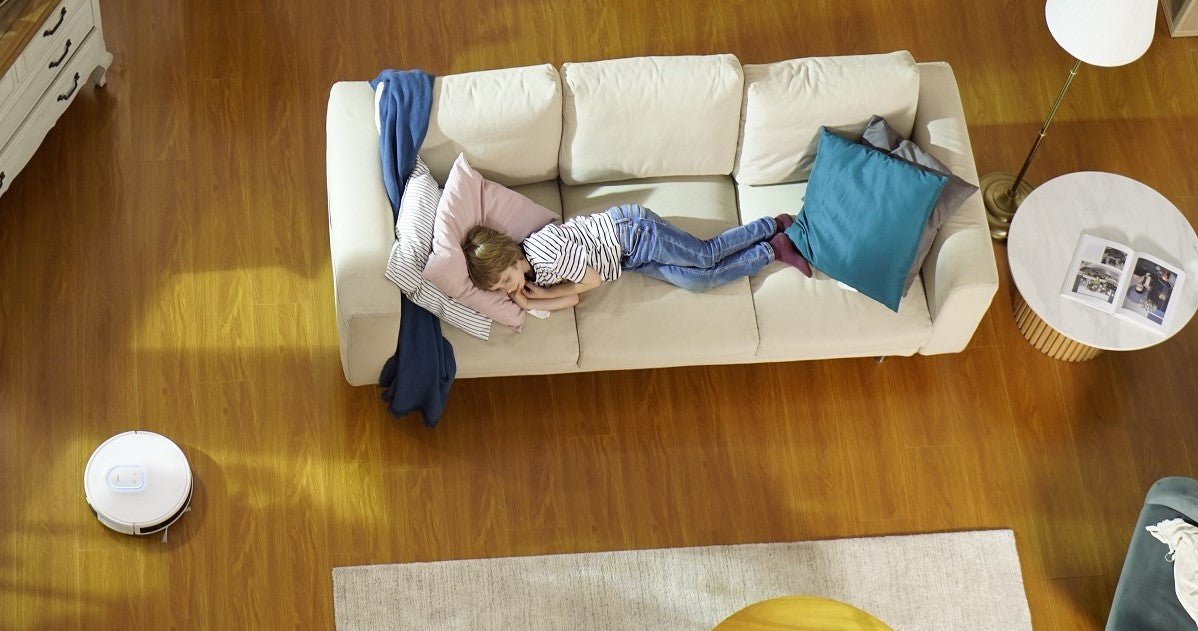
Robot vacuums have grown in popularity to automate floor cleaning. Generally, the maximum noise of most quiet vacuum robots falls between 60 to 70 decibels. While they are significantly quieter than upright vacuums, a moving noise source can still be distracting.
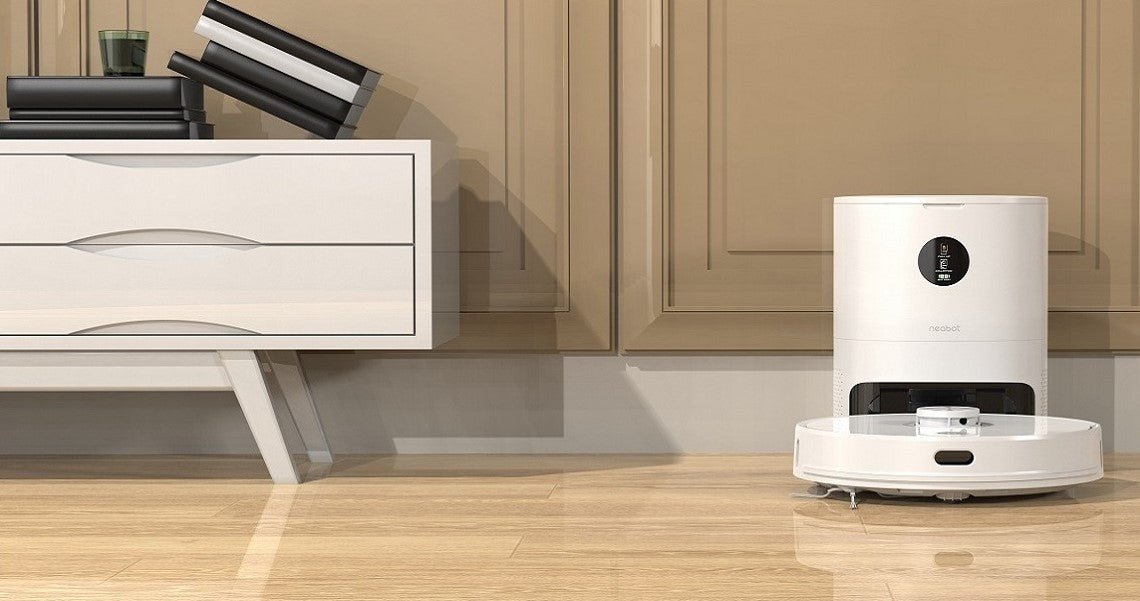
Modern manufacturers are pushing the limits of acoustic engineering to create a silent robot vacuum cleaner, but achieving absolute silence remains a technical challenge with current technology.
Why Is It Hard to Find a Truly Silent Robot Vacuum?
The primary goal of any vacuum is cleaning efficiency. Strong suction is the key to lifting dust and debris, but high suction is physically linked to noise. There are three main technical reasons for this:
- Motor Vibration: Even with high-precision manufacturing, rotors in the motor cause micro-vibrations and resonance as they spin at high speeds.
- Fan Blade Turbulence: Most robots use centrifugal fans. When fan blades "break" the air to create suction, they generate friction and turbulence. This air-cutting action is the primary source of noise in robotic vacuums.
- Air Friction: The high-speed flow of air hitting the internal walls of the vacuum and the friction between air molecules themselves creates audible vibration.

Furthermore, as machines age, mechanical wear increases the noise level. This makes noise an unavoidable trade-off for cleanliness in the robot vacuum cleaner industry.
How to Pick a Quiet Vacuum Robot
If noise is a concern for you, look for these three features when shopping for a new model:
- Check the Decibel Rating: Look for models that operate under 65dB. Most premium quiet robots stay within the 60-65dB range during standard cleaning modes.
- App Scheduling: Choose a robot with smart app controls. This allows you to schedule cleanings for when you are out of the house, effectively making the noise a non-issue.
- Advanced Navigation Systems: Robots with LiDAR or vSLAM navigation move more predictably. Avoid "bump-and-go" models that create extra noise by constantly colliding with furniture and obstacles.

How to Keep Your Robot Vacuum Running Quietly
While you cannot change the motor's design, regular maintenance can prevent your quiet robotic vacuum from becoming louder over time:

- Clean the Dust Bin Frequently: A full bin or clogged filter forces the motor to work harder, increasing the pitch and volume of the noise.
- Check the Brushes: Hair or debris tangled in the main roller brush can cause rattling or grinding sounds.
- Clear Airflow Obstructions: Ensure the intake and exhaust vents are clear to reduce turbulence noise.
By prioritizing maintenance and choosing a model with a mature navigation system, you can enjoy a cleaner home without the disruption of excessive noise.


Leave a comment
This site is protected by hCaptcha and the hCaptcha Privacy Policy and Terms of Service apply.