
“My cat never goes outside, so why is my cat sneezing in spring?”
If you live in a high-rise in Manhattan or a cozy apartment in downtown LA, you’ve probably asked yourself this question. There is a common misconception that indoor cats are immune to seasonal allergies. Unfortunately, the pollen, smog, and dust of 2026’s volatile spring season are hitching a ride on your shoes, your jackets, and even the breeze through your window screens.
Spring allergies in cats are incredibly common in dense urban environments, but they often disguise themselves as other issues. Here is everything you need to know to spot the signs and help your city kitty breathe easier.
- Indoor cats get allergies too: Pollen and city dust enter your apartment daily, settling on floors and furniture.
- Watch for three main signs: Clear watery eyes with sneezing, obsessive paw chewing (or a “bald belly”), and dry hacking that sounds like a hairball.
- Actionable relief: You can manage cat allergies by upgrading to low-dust litter systems, using a grooming vacuum to remove dander, and strategically placing HEPA air purifiers.
The Urban Pet Matrix: NYC vs. LA Spring Triggers
Not all urban allergies are created equal. The triggers causing your cat to sneeze depend heavily on which coast you call home.
| Allergy Trigger Profile | New York City (NYC) | Los Angeles (LA) |
|---|---|---|
| Primary Spring Allergen | Concentrated tree pollen (Central Park/street trees) | Desert dust and year-round plant particulates |
| Indoor Threat | Winter radiator dust & hidden mold spores | Trapped smog & Santa Ana wind residue |
| Season Duration | Short, explosive, and highly concentrated | Long, drawn-out, and continuous |
| Impact on Cats | Sudden onset of severe sneezing and watery eyes | Chronic, low-grade respiratory irritation |
Checklist: Is Your Cat Exhibiting Spring Allergy Symptoms?
Before rushing to the vet, observe your cat for 48 hours. If you answer “Yes” to any of the following, you are likely dealing with spring allergies in cats:
- Is your cat sneezing frequently, but still has a normal appetite and high energy?
- Is the discharge from their nose or eyes totally clear and watery?
- Are they aggressively chewing on their paws or overgrooming their belly?
- Do they occasionally crouch and cough dryly, but nothing comes up?
Sign 1: The “Sneeze + Clear Tear” Combo

The most common question owners ask is: Is it a cold, or are these cat allergies? When a cat gets a feline upper respiratory infection (URI, or a “cat cold”), they usually feel miserable. Environmental allergies look very different.
Use this quick diagnostic table to tell the difference:
| Symptom | Environmental Allergies | Feline Upper Respiratory Infection (Cold) |
|---|---|---|
| Discharge | Clear and watery | Thick, yellow, or green mucus |
| Energy Levels | Normal, active, playful | Lethargic, hiding, sluggish |
| Appetite | Eating and drinking normally | Loss of appetite, refusing treats |
| Accompanying Signs | Itchy skin, paw chewing | Fever, dry nose, severe congestion |
Sign 2: The “Bald Belly” or Obsessive Paw Chewing

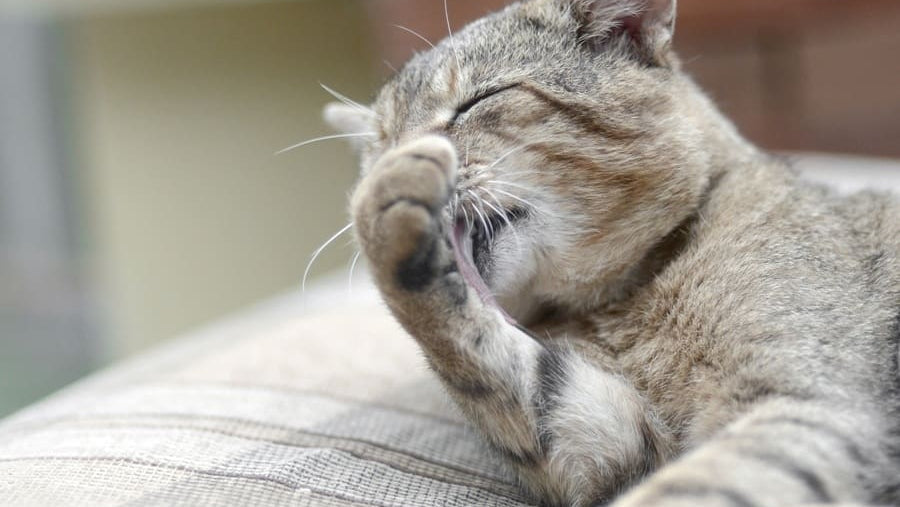
A fact that surprises many urban pet owners: the most common symptom of cat allergies isn’t sneezing—it’s itchy skin, medically known as feline atopic dermatitis.
When you walk into your apartment, you track microscopic pollen onto your rugs. Your cat walks over these surfaces, feels an intense itch, and starts overgrooming to soothe the irritation. Look out for:
- Pink, irritated paws from constant chewing.
- A thinning or bald belly caused by repetitive licking.
- Small scabs along their back or neck.
Sign 3: The “Hairball-Free” Hack or Wheezing

Have you ever watched your cat crouch low to the ground, extend their neck, and make a dry, hacking cough like it is trying to pass a hairball, but nothing ever comes out?
This is often a sign of mild feline asthma triggered by airborne allergens. The spring dust and pollen cause their lower airways to become inflamed and spasm. If this happens frequently, it’s a critical sign that the air quality in your apartment needs an immediate upgrade.
The 3-Step Apartment Allergy Defense Plan
You don’t need to move to the suburbs to give your cat relief. Here is a practical, urban-friendly defense plan tailored for apartments.
Step 1: Upgrade to Low-Dust Litter Solutions
When a cat with a sensitive respiratory system digs in traditional clay litter inside a cramped, enclosed box, the concentrated dust cloud acts as a direct irritant.
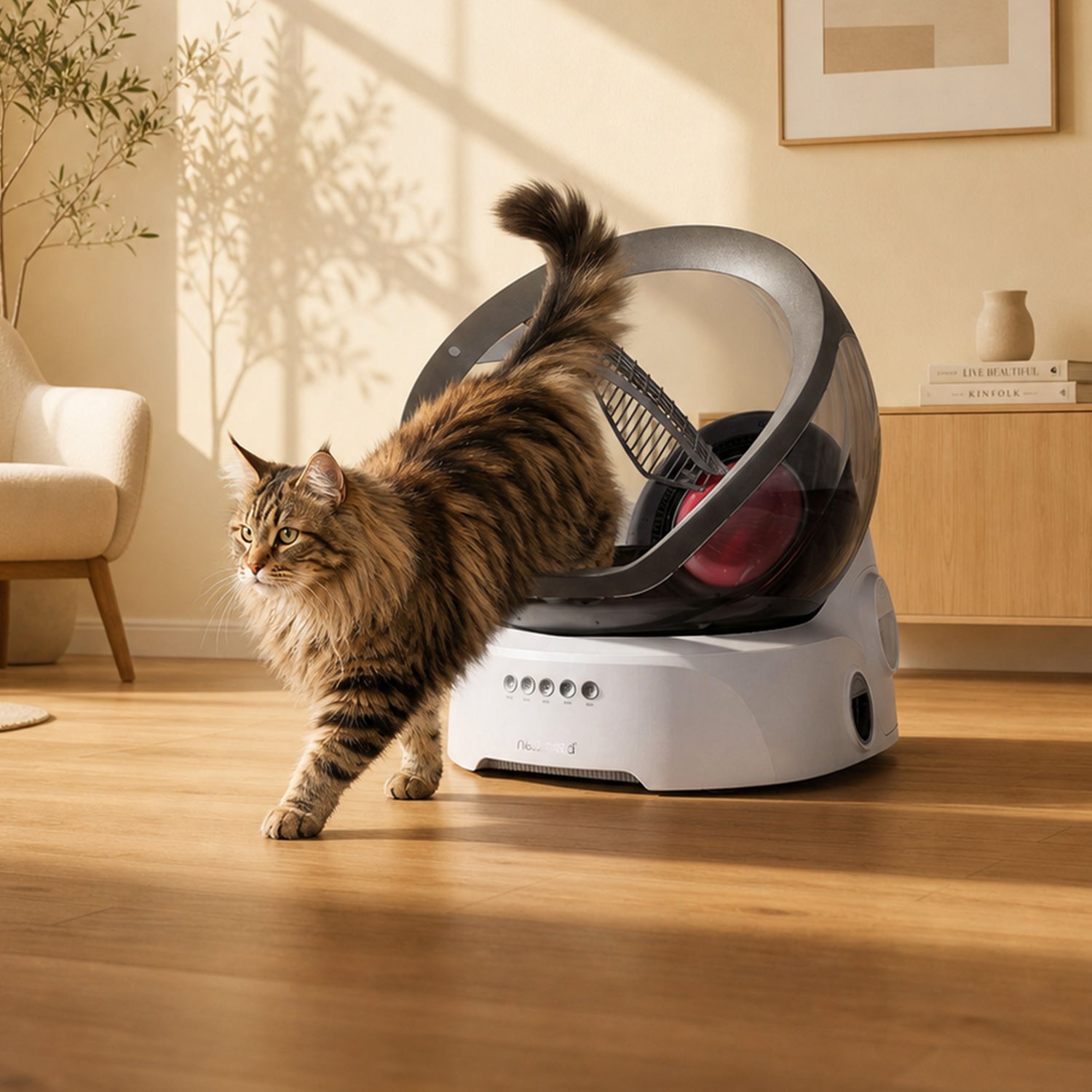
- The Fix: Switch to a low-dust litter (like tofu or crystal) and consider an open-top self-cleaning litter box.
- The Benefit: Open-top designs prevent dust from accumulating in a confined space, while the automatic cleaning removes waste immediately, vastly improving the air quality around your cat’s primary bathroom zone.

- Enhanced sealing stops leaks, even for side-peeing.
- Self-cleaning removes waste without daily scooping.
- Open-top design ensures safety and easy access.
- Spacious interior fits cats, up to 33 lbs.
- Sealed bin locks odors for up to 14 days.
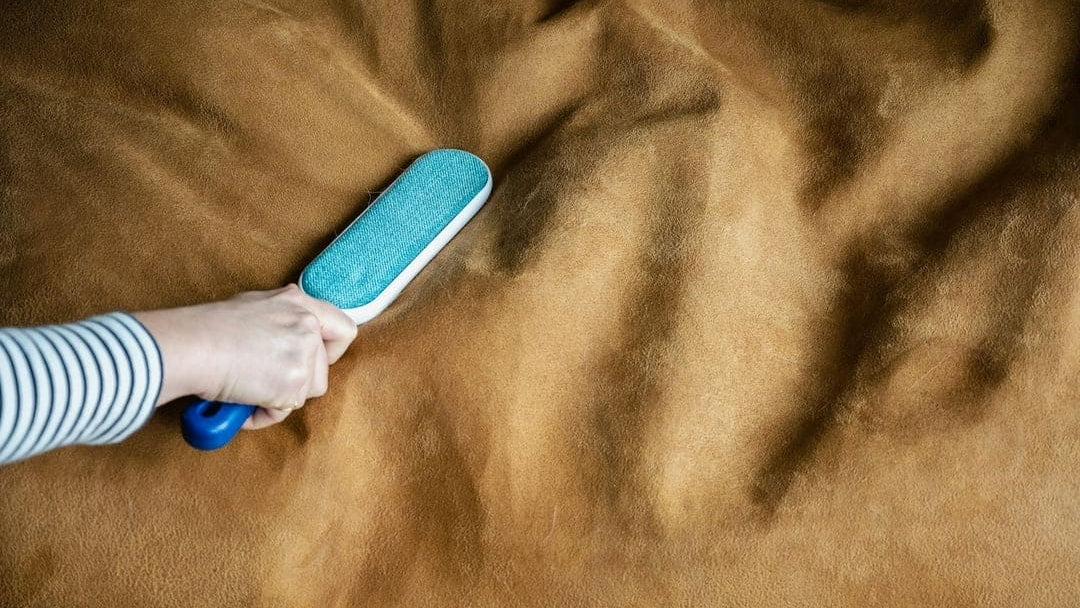
Step 2: The “Brush & Vacuum” Coat Management
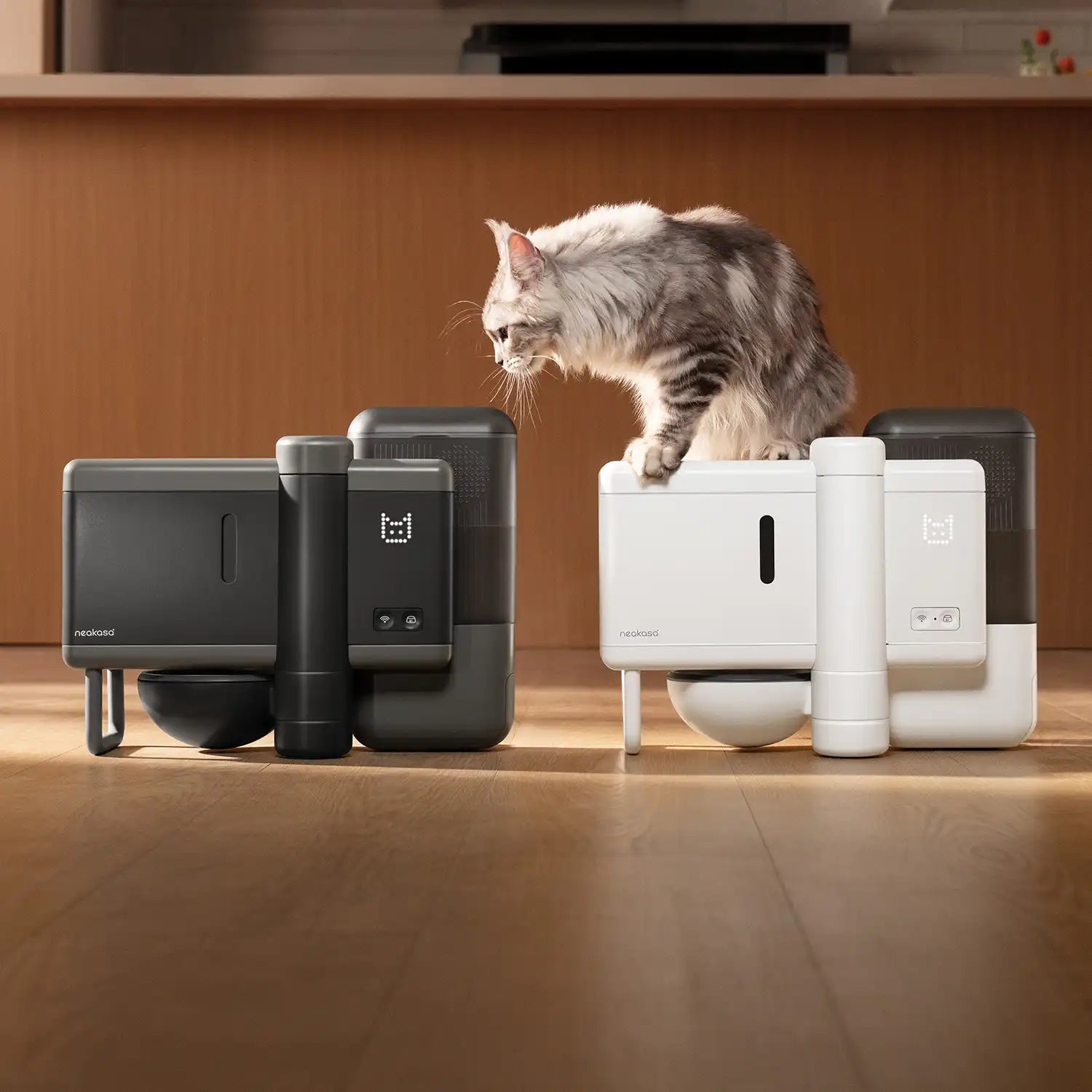
Bathing an anxious cat in a small apartment is a nightmare, but you still need to remove trapped pollen and dander from their coat.
- The Fix: Incorporate a pet grooming vacuum kit into your daily routine.
- The Benefit: Instead of a traditional brush that lets dander float into your air, a grooming vacuum gently brushes the coat while immediately sucking the loose hair and trapped environmental allergens straight into a sealed canister.

- 5 advanced tools manage heavy shedding.
- Deep suction tackles thick undercoats.
- 2L capacity fits multi-pet households.
- Quiet 52dB fan keeps your pet calm.
- Adjustable suction adapts to any grooming needs.
Step 3: Strategic Air Purifier Placement
A standard HEPA air purifier is almost useless if it’s hidden in the corner of your living room while your cat is kicking up dust in the bathroom. To truly combat spring allergies, you need purification at the source.
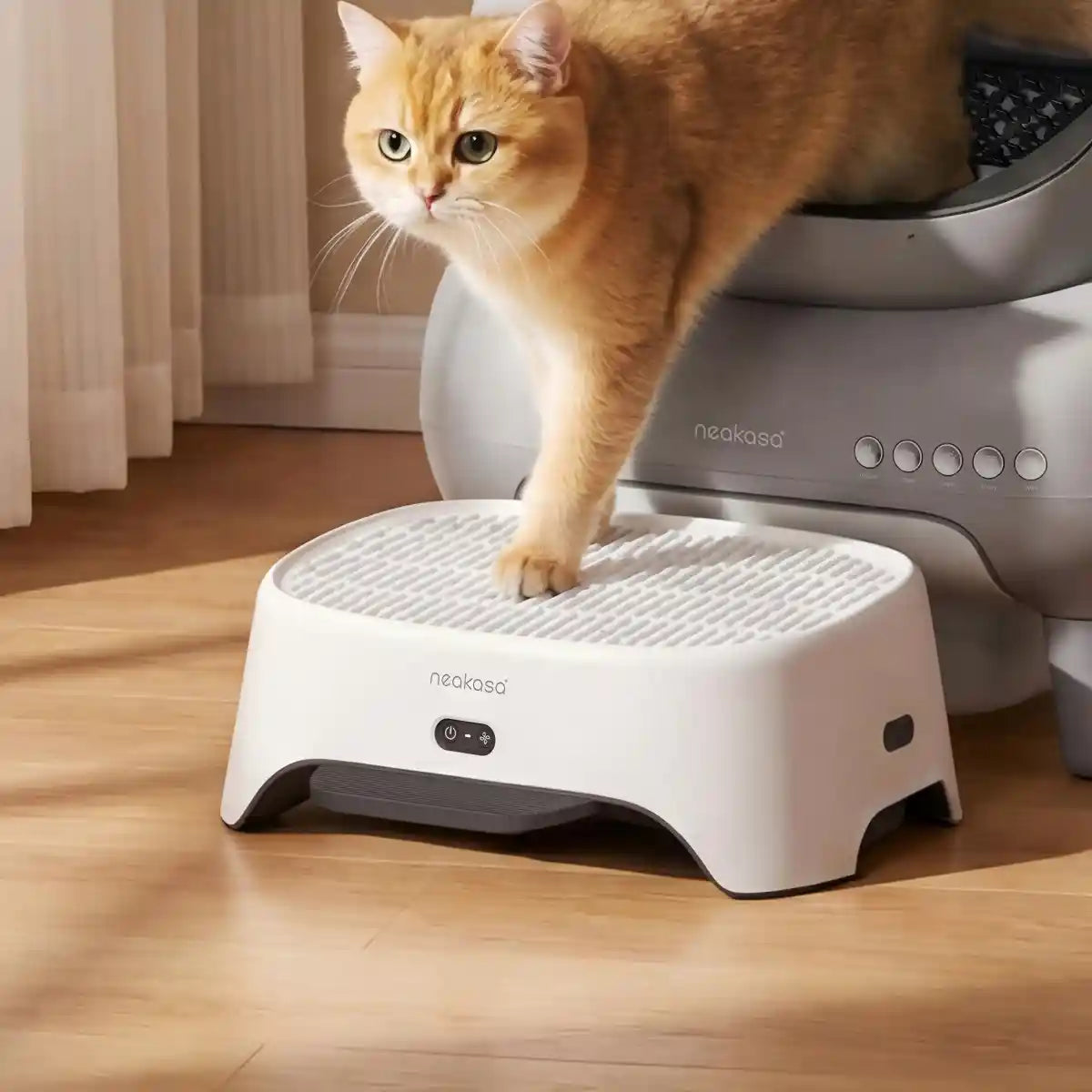
- The Fix: Place a targeted purifier like the Neakasa AirStep right next to your automatic litter box to tackle allergens at the source.
- The Benefit: Acting as both a comfortable litter step and a localized purifier, the AirStep catches dust, dander, and odors the moment your cat steps out—stopping allergens before they spread through your apartment.

- 230g Activated Carbon helps eliminate ammonia odors.
- Honeycomb grate effectively traps litter off paws.
- 20dB Ultra-Quiet fan ensures your cat is never scared.
- 3 adjustable speeds balance powerful airflow and silence.
- Universal 17.4" width pairs with Neakasa M1 & most boxes.
When to See Your Vet
While home management helps, environmental allergies can sometimes escalate. See your vet immediately if you notice these red flags:
- Open mouth breathing or panting: The Cornell University College of Veterinary Medicine states this is a strict medical emergency, indicating severe respiratory distress.
- Thick green/yellow mucus: A sign of a secondary bacterial infection that requires prescription antibiotics.
- Refusing to eat for over 24 hours: Fasting in cats can quickly lead to dangerous, life-threatening liver issues.
- Broken or infected skin: Caused by severe overgrooming and aggressive scratching.
Vet Warning: The ASPCA explicitly warns against giving cats human allergy meds (like Benadryl) without a prescription. Incorrect doses or ingredients can be fatal.
FAQs
Q1: Can indoor cats get seasonal allergies?
A1: Yes. Indoor cats are highly susceptible to seasonal allergies. Pollen, mold spores, and dust easily enter homes through open windows, air conditioning units, and on the clothes and shoes of their owners.
Q2: How long do cat spring allergies last?
A2: Typically, spring allergies in cats last from late March through early June. However, in warmer, drier climates like LA, symptoms can linger much longer due to year-round dust and smog residue.
Q3: What can I give my cat for allergies at home?
A3: At home, focus entirely on environmental control: use pet-safe grooming wipes, upgrade to a grooming vacuum, and maintain a dust-free litter box. Never give your cat human allergy medicine (like Benadryl) without an exact prescription from your vet.
Conclusion
Seeing your cat struggle with spring allergies can be stressful, especially when you are doing your best to keep them safe inside your NYC or LA apartment.
By learning to distinguish an allergy sneeze from a cold, and by implementing smart apartment upgrades, like open-top automatic litter boxes and a vacuum. Assisted grooming routines help you keep your city kitty comfortable all season long.
Does your cat have a strange spring habit? Let us know in the comments below, and explore our specialized pet care solutions to help your furry friend breathe easier today!


Leave a comment
All comments are moderated before being published.
This site is protected by hCaptcha and the hCaptcha Privacy Policy and Terms of Service apply.