

March brings warmer weather, blooming flowers, and the start of spring shedding. But for pet parents, this month also signals the awakening of a hidden enemy: fleas and ticks.
As temperatures rise across the country, parasite activity is multiplying. Whether you are dealing with a year-round infestation risk or waiting for the northern thaw, right now is the critical window to stop these pests before they take over your home.
- Timing is Everything: Many states enter their peak flea and tick season as early as March.
- The 95% Rule: Only 5% of a flea infestation lives on your pet; the other 95% is hiding in your home’s environment.
- Dual Action: Combining your spring shedding grooming routine with deep home cleaning is the most effective mechanical defense against parasites.
The 2026 Flea Season Map: Is Your State Active Now?
Flea and tick season moves like a wave from the warm south to the cooler north. For a detailed, real-time forecast by your specific county, refer to the rover.com.
| Risk Zone | Start Month | Affected States (Examples) | March Action Plan |
|---|---|---|---|
| Year-Round Zone | Jan - Dec | CA, TX, FL, GA, HI, AZ, NV | Reproduction rates are skyrocketing. Begin weekly deep cleaning and daily grooming checks immediately. |
| March-Start Zone | March | PA, IL, OH, VA, TN, MD, MO | Spring thaw is waking dormant pupae. Start environmental sanitization before pests multiply. |
| April-Start Zone | April | NY, MA, MI, CT, NJ, RI | Use this month to declutter, upgrade grooming tools, and sanitize pet bedding ahead of the warm weather. |
| Short-Season Zone | May | WY, ND, AK | Focus on managing spring shedding first, and prepare preventative meds for the late spring. |
30-Second Risk Assessment: Does Your Home Need a Deep Clean Today?
Before checking the map, take this quick 30-second quiz to see if your home is already at risk. Have you noticed any of the following?
- The Temperature Test: Are you having days where the temperature reaches 50°F (10°C) or higher?
- The “Black Pepper” Sign: Have you spotted tiny dark specks (flea dirt) on your pet’s bedding, cat trees, or the couch?
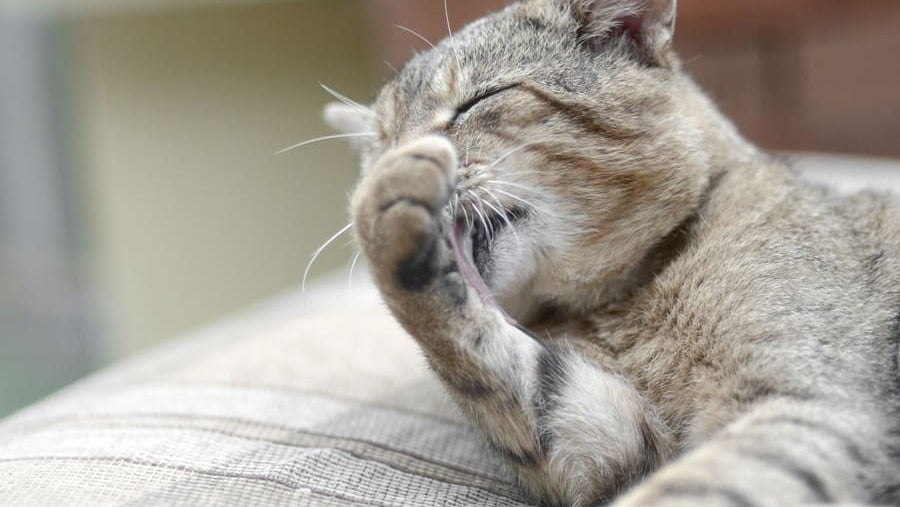
- The Behavior Shift: Is your dog or cat suddenly biting, chewing, or over-grooming the base of their tail or their paws?
- The Shedding Explosion: Are you dealing with massive “tumbleweeds” of spring fur drifting across your floors?
If you answered “YES” to even one of these questions, your home is an active target. Do not wait for a full infestation—scroll down to start your targeted March deep clean immediately.
Why Spring Cleaning is Your Best Flea Defense
According to VCA Animal Hospitals, environmental control is just as critical as treating the pet itself. This is because of the "95% Rule" of the flea life cycle:
- Adult Fleas (5%): The biting pests you actually see living on your dog or cat.
- Hidden Generations (95%): The eggs, larvae, and pupae are buried deep in your carpets, couch cushions, and pet bedding.
A thorough spring cleaning physically removes these hidden generations, breaking the life cycle completely before they hatch into biting adults.
3 Common Spring Cleaning Mistakes That Actually Spread Fleas
When pet parents realize it’s flea season, they often panic-clean. Unfortunately, using the wrong methods can actually spread pests around your house instead of eliminating them. Avoid these three major pitfalls:
Mistake 1: Brushing Indoors with Traditional Tools
Traditional brushes flick trapped flea eggs and dander into the air, relocating the parasites straight from your pet into your living room rugs.
Mistake 2: Leaving Dirt in the Vacuum Canister
A warm, dark vacuum is the perfect incubator. If you don’t empty it outside immediately, vacuumed eggs will hatch and escape right back into your home.
Mistake 3: Ignoring Litter Box Moisture
Traditional open-top litter pans trap dampness and waste, creating a humid microclimate where bacteria and parasites thrive.
How do you avoid these traps? It all comes down to upgrading your tools. Let’s dive into the ultimate March action plan.
The Ultimate March Pet-Safe Deep Clean Checklist
To stop fleas before they hatch and manage the wave of spring shedding safely, you need a targeted approach. Follow this checklist to safeguard where your pets live, sleep, and play.
Step 1: Upgrade Your Spring Grooming Routine
Spring grooming isn’t just about managing the massive amounts of loose fur; it’s your first line of defense against parasites. Knowing how to find flea dirt on long-haired cats (like Ragdolls or Maine Coons) or thick-coated dogs is crucial.
- Brush your pet backwards against the coat to inspect the skin directly.
- Look for “flea dirt,” which resembles tiny black pepper flakes at the base of the fur.
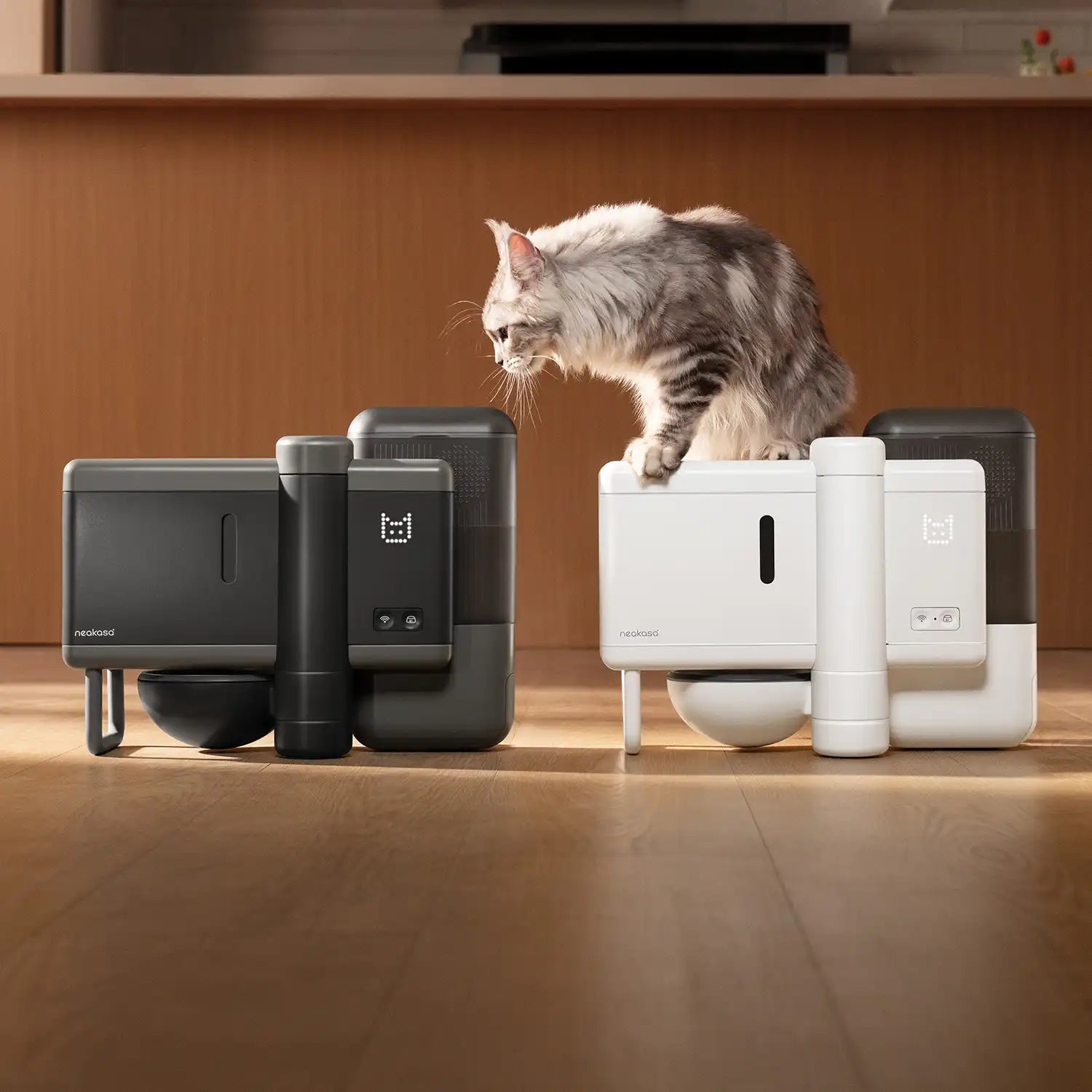
- Upgrade to a pet grooming vacuum to brush, trim, and instantly suction away loose hair, dander, and potential pests directly into a sealed dustbin.
Step 2: Vacuuming as a Mechanical Flea Killer
Vacuuming is highly destructive to the flea life cycle. The strong suction and rotating brushes physically destroy flea pupae and suck up eggs before they can hatch.
- Focus heavily on your pet’s favorite resting spots and sleep areas.
- Vacuum thoroughly under furniture, along baseboards, and on upholstered couches.
- Empty the vacuum canister immediately in an outside trash bin to prevent re-infestation.
Step 3: Sanitize the Litter Box Area
This is the most overlooked step in spring pet cleaning. Fleas, flies, and bacteria thrive in warm, dark, and moist environments.
- Empty all old litter completely and scrub the basin with pet-safe soap.
- Dry the area thoroughly, as moisture attracts household pests.
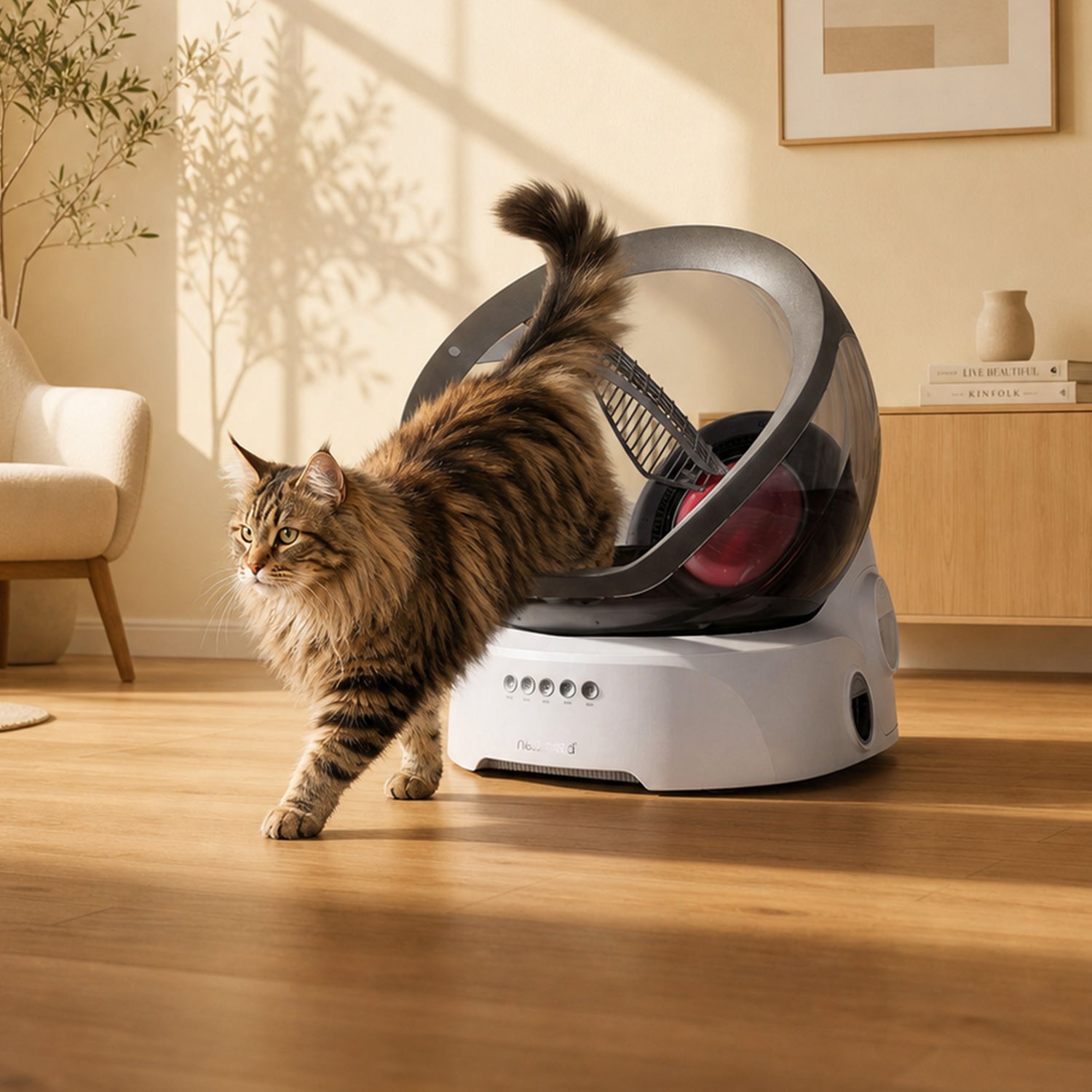
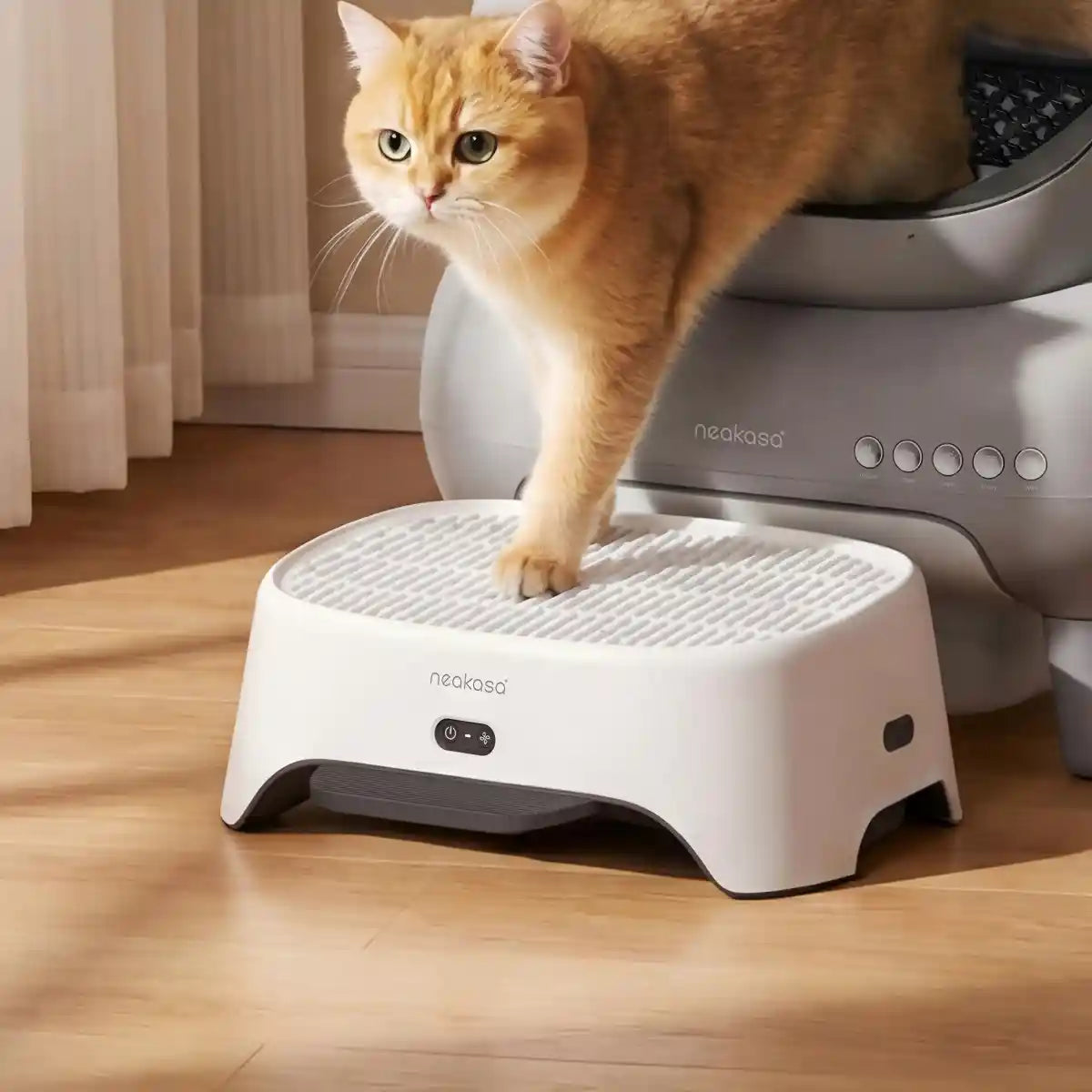
- Consider upgrading to an automatic self-cleaning litter box to instantly separate waste, lock it in an odor-free compartment, and maintain a consistently dry environment with zero effort.
FAQ: Early Spring Flea Prevention
Q1. Do indoor cats need flea prevention in March?
A1. Yes! Fleas and ticks can easily hitch a ride indoors on your shoes, clothing, or other pets that go outside. Indoor cats are still at risk, especially as the weather warms up and windows are opened.
Q3. What does flea dirt look like?
A2. Flea dirt resembles fine black pepper scattered on your pet’s skin. To test it, place the specks on a damp white paper towel. If it dissolves into a reddish-brown color (which is digested blood), it is definitely flea dirt.
Q2. Can vacuuming alone get rid of fleas?
A3. While vacuuming is incredibly effective at removing the 95% of fleas hiding in the environment, it cannot catch the adult fleas living on your pet. For total eradication, you must combine environmental cleaning with proper grooming and vet-approved preventatives.
Conclusion
Waiting until you see your pet aggressively scratching in May is too late. By taking advantage of March to upgrade your home hygiene, invest in smart grooming tools, and sanitize problem areas, you can stop the 2026 flea season in its tracks.
Ready to tackle spring shedding and pest prevention at the same time? Check out our top-rated pet care and grooming tools to make your March deep clean a breeze!


Leave a comment
All comments are moderated before being published.
This site is protected by hCaptcha and the hCaptcha Privacy Policy and Terms of Service apply.