
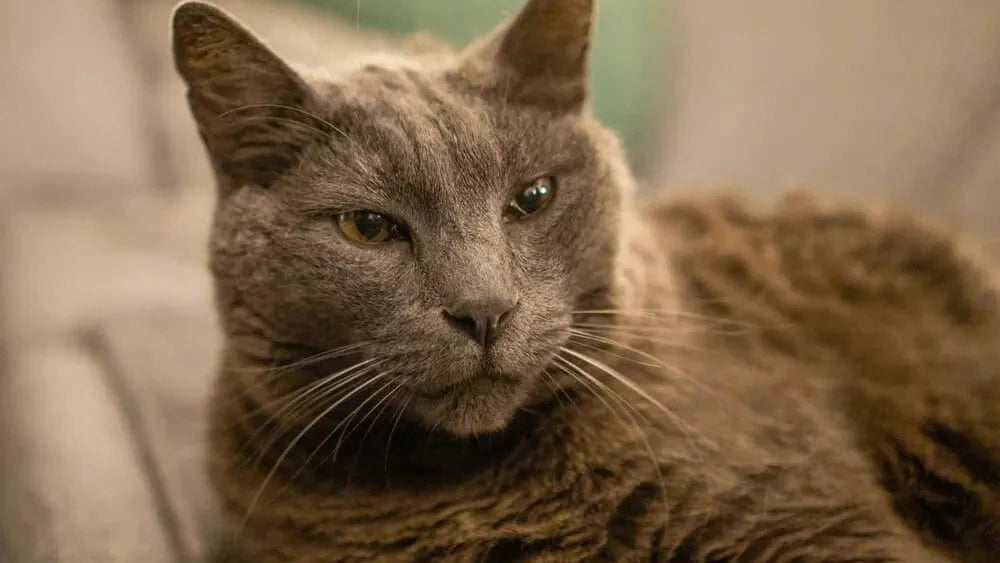
When an older cat stops using the litter box, it's easy to assume they are acting out. In reality, senior cat litter box problems are usually a cry for help caused by pain, confusion, or physical discomfort.
This guide explores these root causes and provides vet-approved solutions to help your furry friend age comfortably and with dignity.
- It is never out of spite: Eliminating outside the box is almost always a direct consequence of declining health or environmental discomfort.
- The vet is your first stop: Any sudden change in bathroom habits requires a veterinary exam to rule out underlying medical issues.
- Environmental modification is crucial: Lowering litter box sides, increasing the number of boxes, and changing their locations can solve the majority of these problems.
- Cleaning requires science: You must use enzymatic cleaners to break down uric acid completely; otherwise, your cat will continue to use the same spot.
Why Older Cats Stop Using the Litter Box
To fix the problem, you first need to identify the cause. For aging cats, there are usually three “invisible culprits” preventing them from using their box normally.
1. Arthritis and Pain
Studies show that over 70% of cats older than 12 suffer from osteoarthritis. If a litter box has high sides or if it requires climbing a flight of stairs to reach, overcoming these obstacles can feel like torture. Pain will drive them to choose an easier, more accessible spot, like a flat rug or a low bathmat.
2. Feline Cognitive Dysfunction (FCD)
Much like humans can develop Alzheimer’s, senior cats can experience a decline in cognitive function. Cats with FCD may get confused, wander aimlessly, or simply forget where the litter box is located.
If your cat often stares off into corners, vocalizes randomly at night, and has started missing the box, FCD might be to blame.
3. Hidden Medical Conditions
Senior cats are prone to various internal diseases that can cause excessive drinking and urination, or make urinating painful.
These conditions can cause your cat to associate the litter box itself with the pain they feel while using it, leading to avoidance.
| Potential Condition | Common Symptoms | Impact on Litter Box Usage |
|---|---|---|
| Urinary Tract Infection (UTI) / Crystals | Blood in urine, frequent trips to the box, crying while urinating | Associates the litter box with pain and treats it as a “danger zone.” |
| Chronic Kidney Disease (CKD) | Increased thirst, large urine volume, weight loss | Cannot hold their urine long enough to physically make it to the box. |
| Diabetes | Extreme thirst, increased appetite with weight loss, heavy urination | The box gets dirty too quickly due to high urine volume, causing the cat to avoid it. |
Step-by-Step Guide: How to Set Up a “Senior-Friendly” Litter Box
Once you have ruled out or treated any urgent medical conditions, the next step is adapting your home environment. By following these four steps, you can significantly reduce the occurrence of senior cat litter box problems.
1. Switch to Low-Entry Litter Boxes for Easy Access
Get rid of top-entry boxes or those with high, imposing walls. Senior cats need a bathroom without barriers. Look for litter boxes specifically designed for senior cats with a low-entry dip (the threshold should be under 3 inches / 7.5 cm high).
2. Provide Ample Space for Easy Turning and Comfort
Stiff joints make turning and squatting in tight spaces painful. A litter box should be at least 1.5 times your cat's length, or they may choose the open living room floor instead.
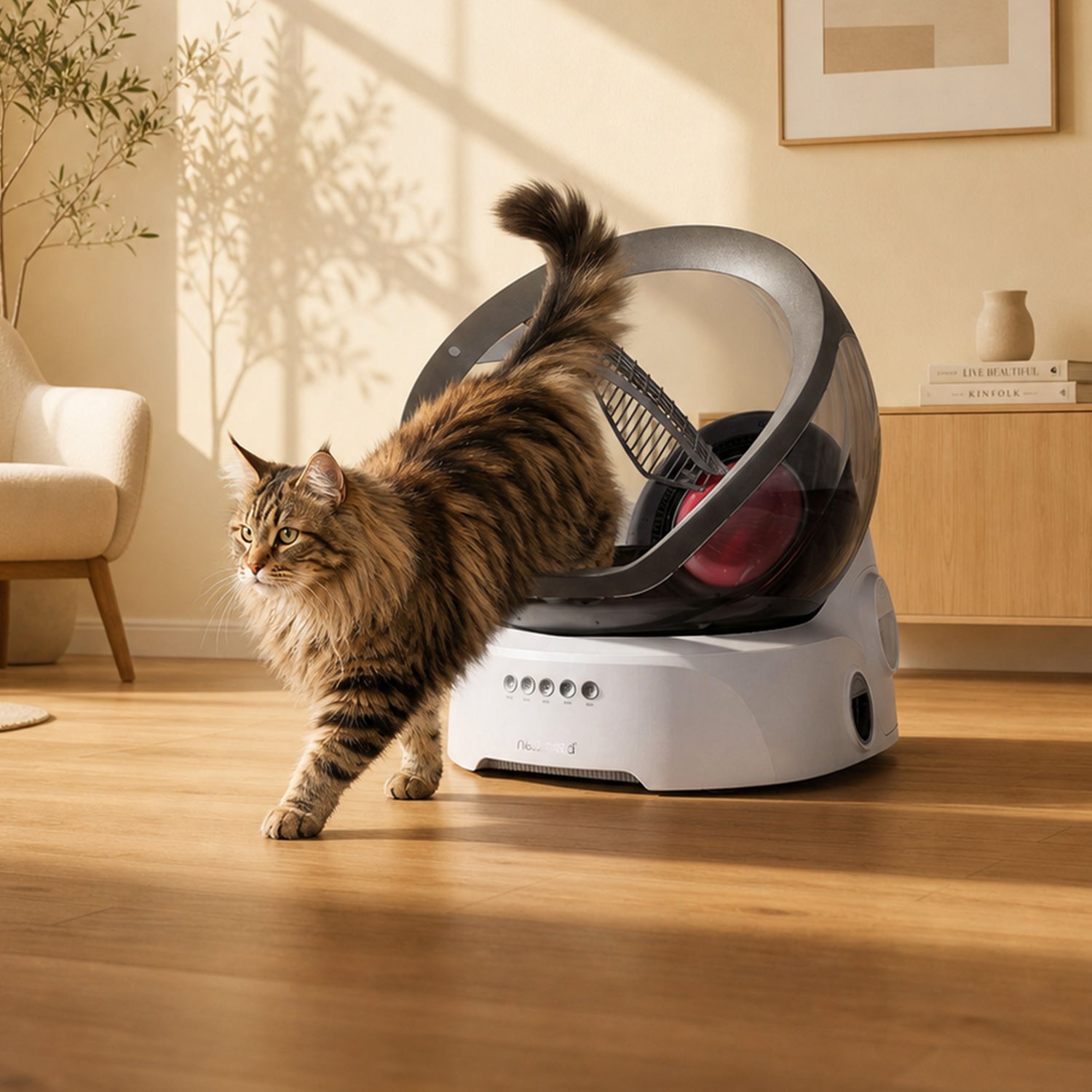
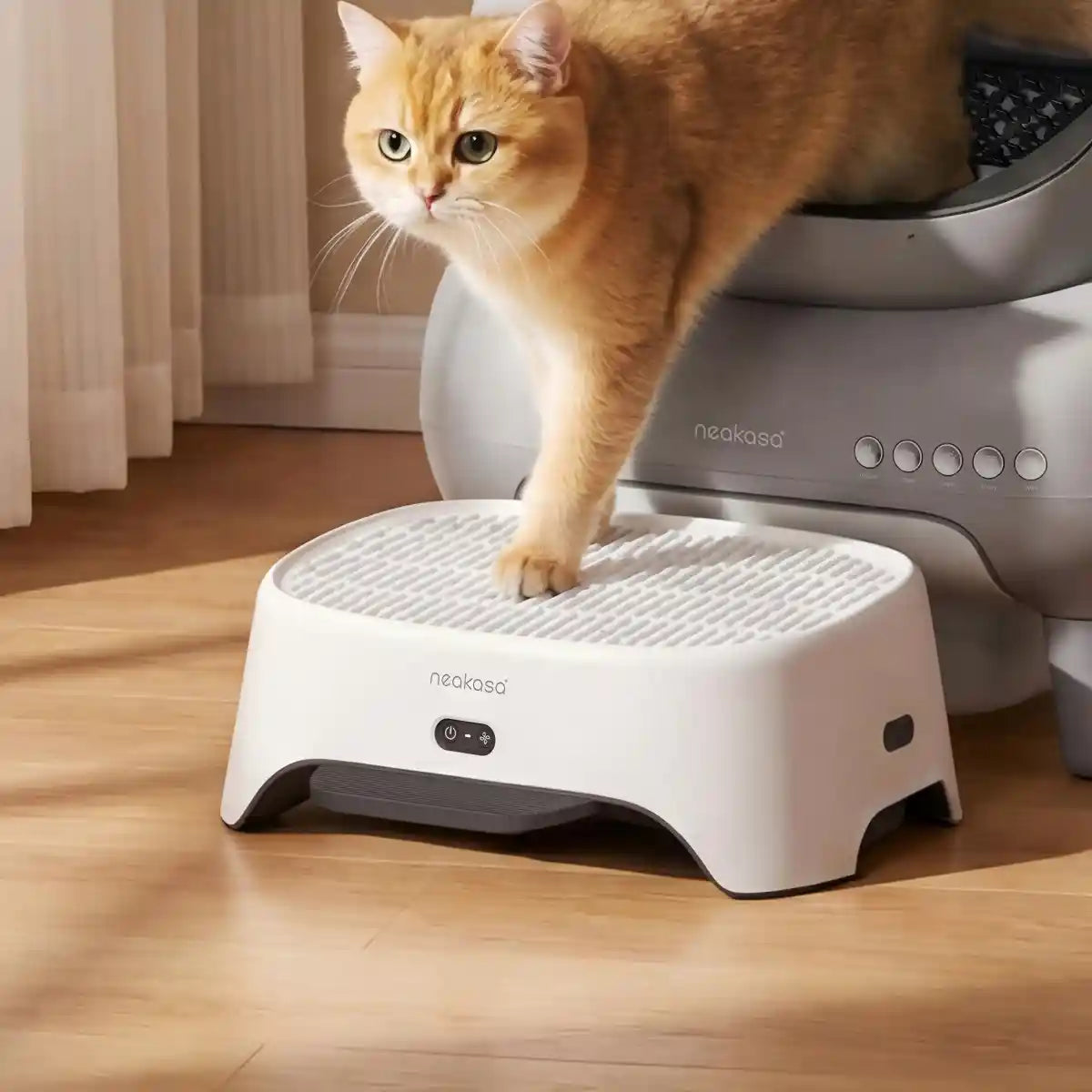
Smart Upgrade: Skip cramped, enclosed "globe" boxes. The Neakasa M1 Automatic Litter Box features an open-top design, giving arthritic cats plenty of room to maneuver comfortably. It also operates incredibly quietly, making it a stress-free winner for picky or anxious seniors.

- Enhanced sealing stops leaks, even for side-peeing.
- Self-cleaning removes waste without daily scooping.
- Open-top design ensures safety and easy access.
- Spacious interior fits cats, up to 33 lbs.
- Sealed bin locks odors for up to 14 days.
From $379.99
3. Position Boxes Strategically Using the “+1 Rule.”
The “N+1 Rule” dictates that you should have one litter box per cat, plus one extra (this rule is especially crucial if you are managing litter boxes for multiple cats). However, for senior cats, location is even more important than the exact number:
The “N+1 Rule” dictates that you should have one litter box per cat, plus one extra. However, for senior cats, location is even more important than the exact number:
- Avoid stairs: Ensure there is at least one litter box on every level of the house, especially the floor your cat spends the most time on.
- Keep it quiet: Place boxes away from loud appliances like washers, dryers, or furnaces that might startle them.
- Provide lighting: Senior cats often suffer from vision loss. Placing a small nightlight near the litter box can help them navigate in the dark.
4. Choose Softer, Shallower Litter for Sensitive Paws
An older cat’s paw pads can become thin and highly sensitive. Stepping on rough clay or large-crystal litter can be physically uncomfortable.
Texture: Try switching to a softer, fine-grained clumping litter or a lightweight plant-based alternative.
FAQs
Q1. Should I discipline or punish my senior cat for peeing outside the box?
A1. Absolutely not. Punishing your cat by yelling or rubbing their nose in the mess is ineffective and only increases fear and anxiety. It can damage your bond and make the problem worse. Your cat is not misbehaving. They are dealing with discomfort, confusion, or a medical issue.
Q2. How can I completely remove the cat urine smell so they don’t repeat the mistake?
A2. Regular household cleaners do not remove uric acid, so cats can still smell the area. Use a pet-specific enzymatic cleaner to break down the odor at the source. Saturate the area thoroughly and allow it to air dry so the enzymes can fully eliminate the scent.
Q3. At what point should I take my senior cat to the vet for litter box avoidance?
A3. You should contact your vet as soon as you notice a change. Do not wait for the issue to continue. Seek immediate care if your cat is straining, has blood in urine, is excessively licking, or seems lethargic, as these can signal serious health problems.
Conclusion: Patience, Love, and Adapting to Their Golden Years
Managing senior cat litter box problems requires a great deal of patience and empathy. Remember that your cat does not want to ruin your favorite rug; they are simply encountering roadblocks as their bodies age.
By seeking prompt veterinary care, adjusting the type and location of their litter boxes, and offering a little extra grace, you can help them feel safe and comfortable again.
They have spent a lifetime bringing you joy; now it is time to provide the support they need to navigate their golden years.

Leave a comment
All comments are moderated before being published.
This site is protected by hCaptcha and the hCaptcha Privacy Policy and Terms of Service apply.