
Cats are masters at hiding their feelings, which means by the time you notice your feline friend is stressed, they might already be highly anxious. Whether it’s a sudden change in routine, a trip to the vet, or environmental stressors, knowing how to calm an anxious cat is essential for their overall well-being.
In this guide, we will break down the exact steps you can take to decode your cat’s stress signals and create a peaceful, feline-friendly home.
- Identify the triggers: Learn the difference between micro-signals (like ear flicks) and macro-signals (like hiding or litter box avoidance).
- Do not force interaction: During a panic attack, a “hands-off” approach is the safest method.
- Optimize the environment: Vertical space, consistent routines, and spotless litter box areas are foundational to feline security.
- Use proven aids: Pheromone diffusers and play therapy can significantly lower baseline anxiety.
Is Your Cat Actually Anxious? Decoding the Signs
Before you can help your cat, you need to understand how they communicate distress. Cats rarely act out of spite; instead, behavioral shifts are their way of signaling that something in their world feels unsafe.
1. Body Language
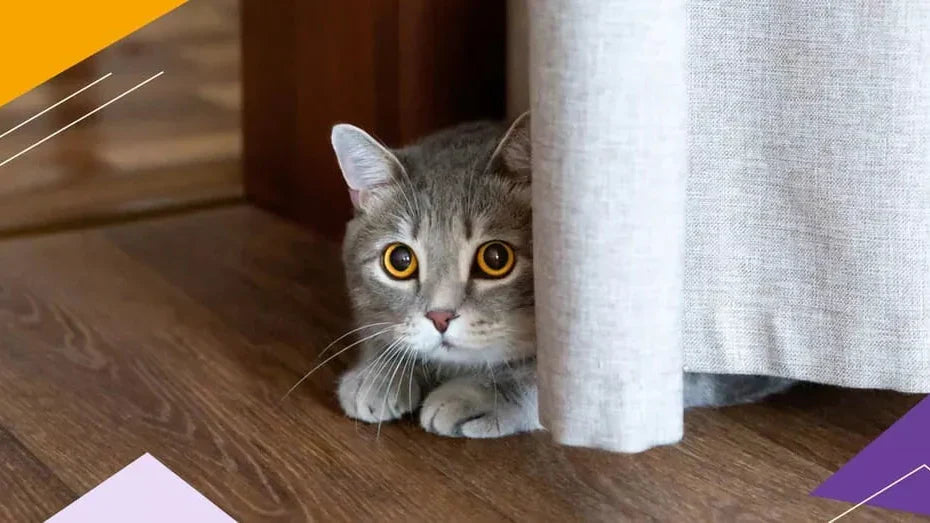
A stressed cat’s body language is defensive. Look for flattened ears (often called “airplane ears”), dilated pupils, a tightly tucked tail, or a crouched, tense posture. If your cat is excessively licking their lips or yawning outside of sleep times, these are classic signs of elevated stress.
2. Behavioral Changes
Anxiety often manifests in sudden daily habit changes. You might notice them hiding under beds, over-grooming to the point of bald patches, or vocalizing excessively.
One of the most common red flags is avoiding the litter box. When a cat feels vulnerable, even a slightly unmaintained litter box can become a source of major anxiety, prompting them to eliminate elsewhere.
3. Micro-Signals vs. Macro-Signals
Understanding the escalation of feline anxiety helps you intervene before a full panic attack occurs.
| Signal Level | Common Feline Behaviors | What You Should Do |
|---|---|---|
| Micro-Signals (Early Warning) | Ear flicking, tail tip twitching, rippling skin on the back, sudden freezing, lip licking. | Observe the environment. Remove the immediate stressor (e.g., loud noise) and give the cat space. |
| Macro-Signals (High Distress) | Hissing, swatting, prolonged hiding, trembling, and urinating outside the litter box. | Do not approach or touch. Darken the room, reduce noise, and allow the cat to decompress on their own terms. |
The Hidden Triggers: Why is My Cat Stressed?
Cats thrive on predictability. When their environment shifts, their anxiety spikes. Here is a breakdown of common hidden triggers and how to address them:
| Hidden Trigger | Why It Causes Stress | Immediate Solution |
|---|---|---|
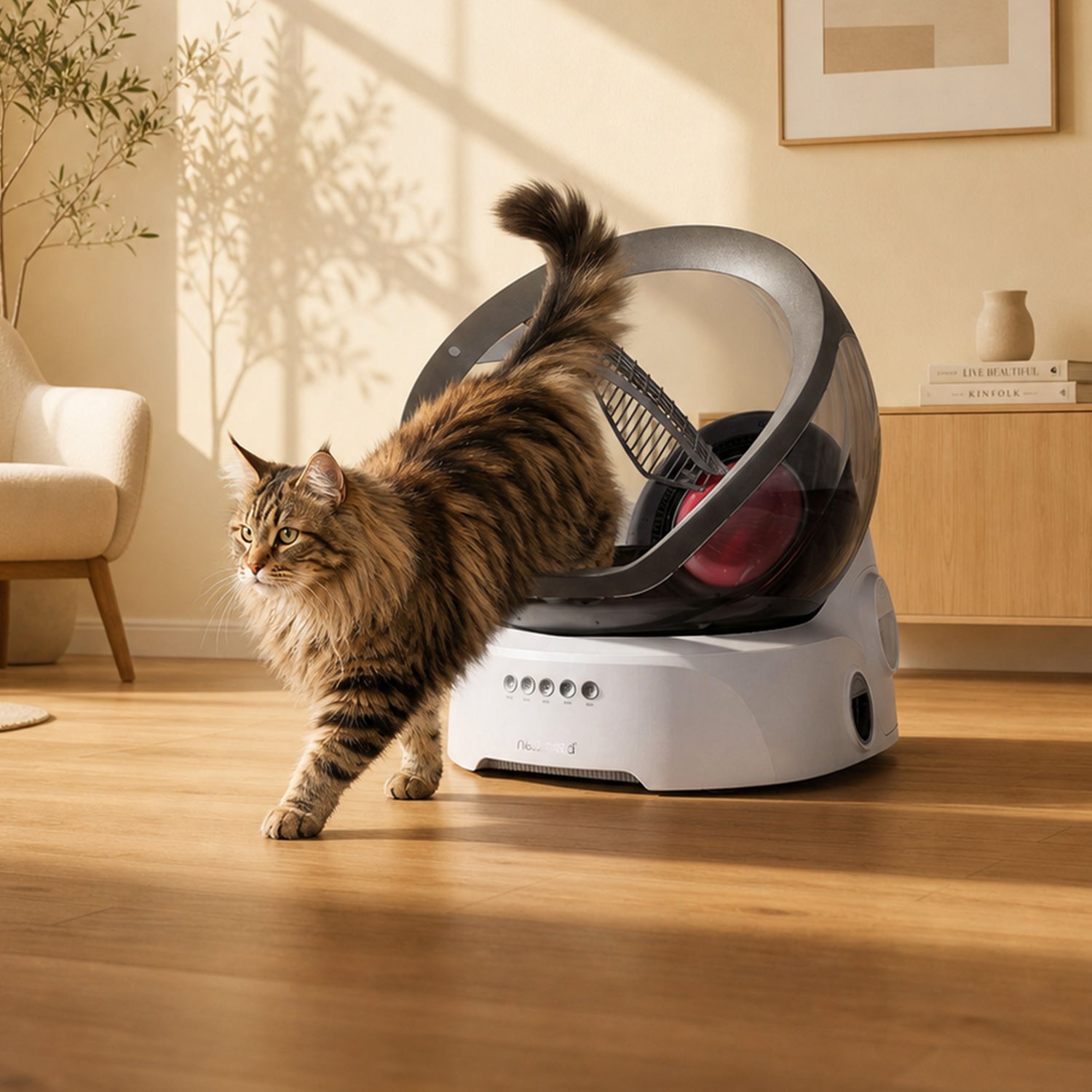
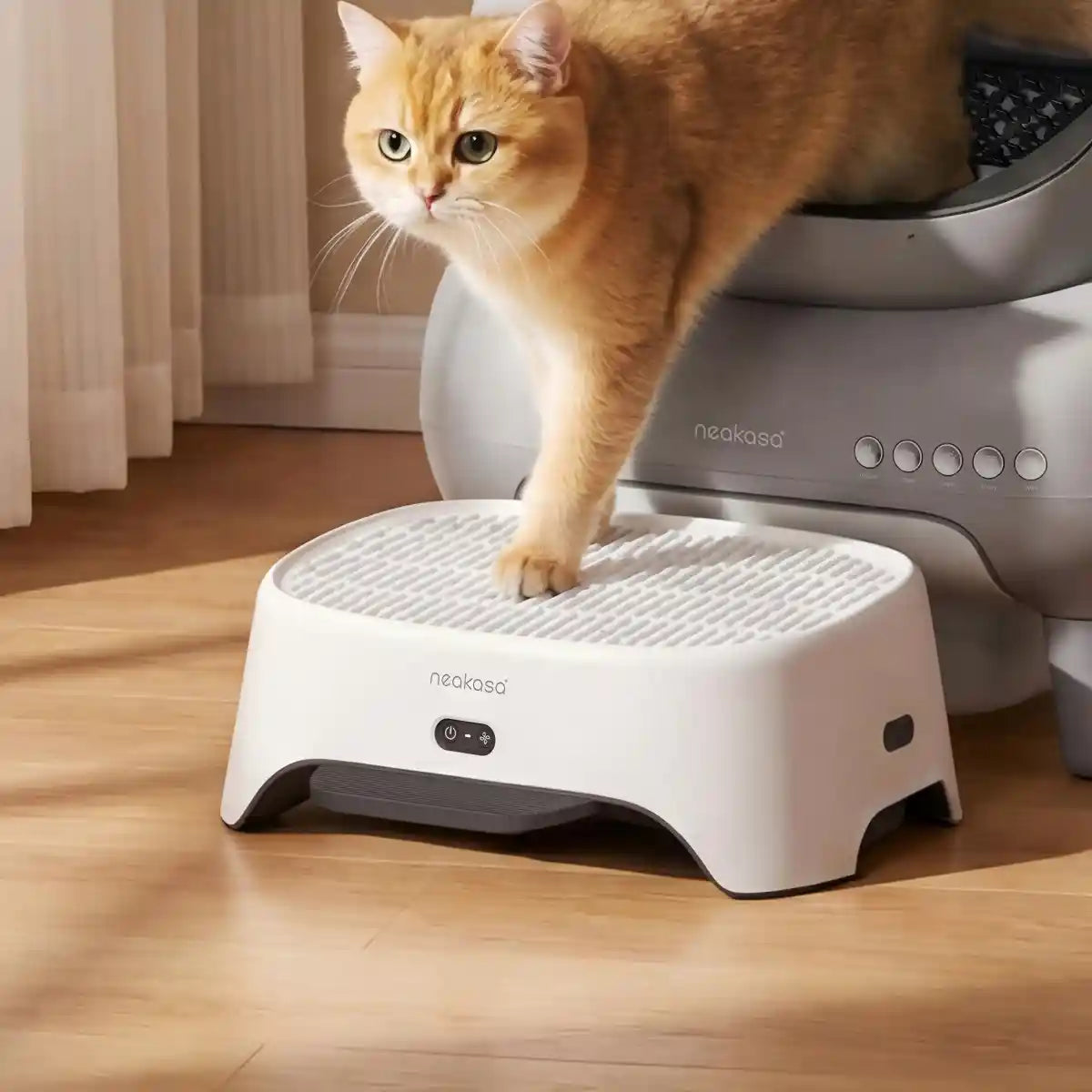
| Sanitation Stress | Cats have highly sensitive noses. A dirty litter box is a massive environmental stressor. | Scoop 1-2 times daily, or upgrade to a quiet, self-cleaning litter box for multiple cats. |
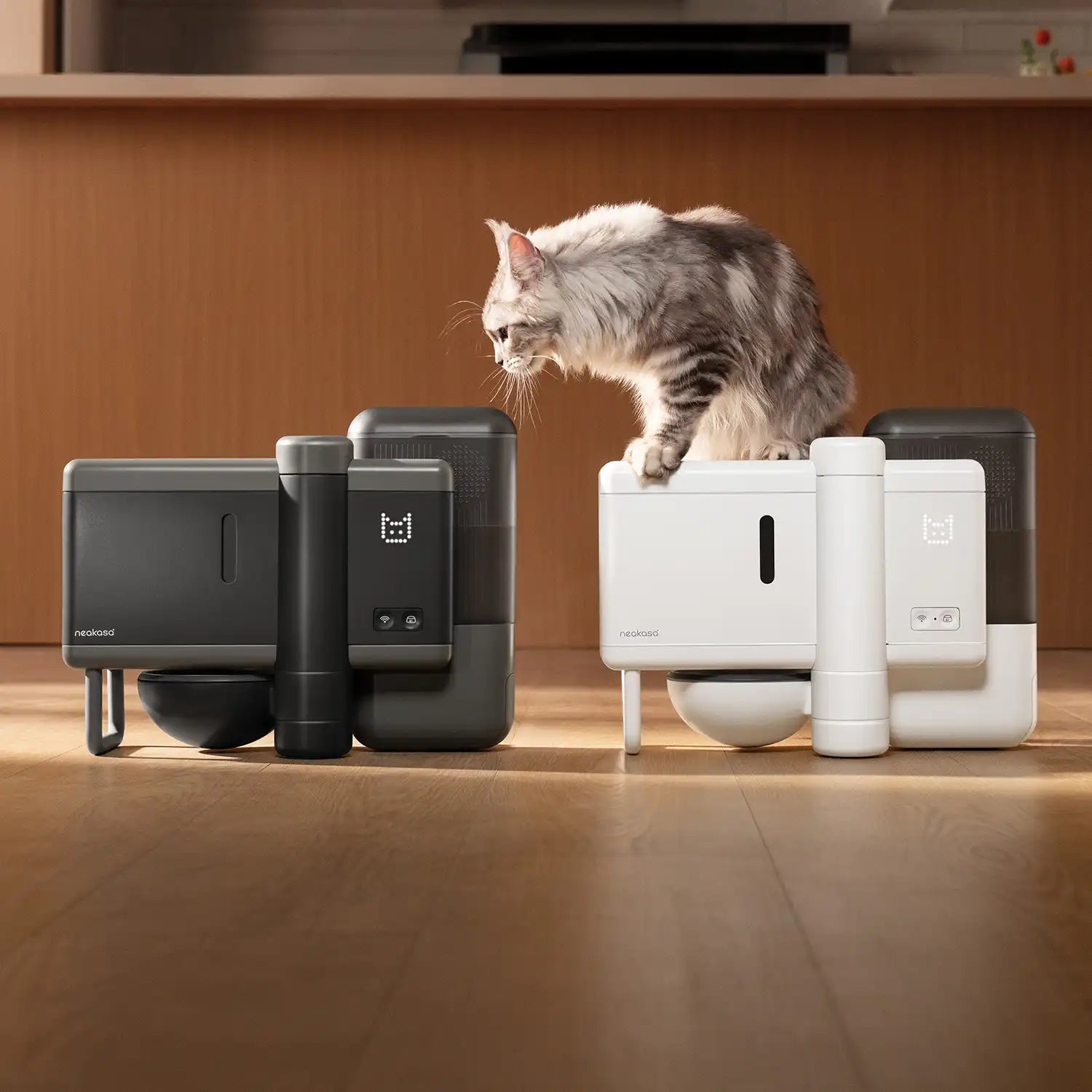
| Inconsistent Routine | Unpredictable feeding or play times make cats feel they lack control over their territory. | Set strict daily schedules. Consider an automatic smart pet feeder to dispense meals precisely on time. |
| Sensory Overload | Loud noises (vacuums, construction) or new household scents overwhelm their nervous system. | Provide a quiet, elevated “safe room” away from high-traffic areas and loud appliances. |
| Resource Guarding | In multi-cat homes, sharing food bowls or litter boxes leads to territorial tension. | Follow the “N+1 rule” (one litter box per cat, plus one extra) and separate feeding stations. |
What to Do During an Active Panic Attack
If your cat is in full “fight or flight” mode, your immediate goal is de-escalation.
1. Apply the “Hands-Off” Rule
Never try to pick up, hug, or corner a panicking cat. This will only amplify their fear and could result in you getting scratched or bitten. Give them a clear escape route to their favorite hiding spot.
2. Using Feline Body Language
Communicate that you are not a threat. Sit quietly at a distance, avert your direct gaze, and offer “slow blinks.” In cat language, a slow blink is a sign of trust and relaxation.
3. Darken the Room and Lower the Volume
Sensory overload fuels panic. Close the curtains, dim the lights, and turn off the TV or any loud appliances to help their nervous system reset.
5 Steps to Calm an Anxious Cat Right Now
If you are consistently wondering how to calm an anxious cat daily, you need a proactive strategy.
Step 1: Create a “Vertical Safe Zone”
Cats naturally seek high vantage points to observe their territory safely. Install cat shelves, tall cat trees, or simply clear a space on top of a bookshelf. Ensure these elevated spots are in quiet corners of the house.
Step 2: Implement “Scent Soaking” and Apply Calming Pheromones
Cats navigate the world through scent. Provide plenty of scratching posts, as scratching releases comforting pheromones from their paws.
You can also plug in synthetic feline pheromone diffusers in the rooms where your cat spends the most time to artificially boost their sense of security.
Step 3: Establish a Strict Routine
Feed, play, and groom your cat at the same time every day. When a cat knows exactly what to expect and when to expect it, their baseline anxiety naturally drops.
If you use automated feeders or self-cleaning litter boxes, ensure they trigger at predictable intervals or are quiet enough not to startle the cat.
Step 4: Utilize Calming Supplements & Diets
For chronic anxiety, consult your vet about natural supplements containing L-theanine, Zylkene (a milk protein), or specialized calming diets.
These can help take the edge off during high-stress periods like holidays or moves.
Step 5: Engage in Play Therapy
Interactive play is a powerful confidence builder. Use a wand toy to simulate a hunt for 10-15 minutes a day.
Catching the “prey” allows the cat to burn off nervous energy and triggers a satisfying release of dopamine, replacing anxiety with a sense of accomplishment.
When to See a Vet: Medical vs. Behavioral
Never assume a sudden behavioral change is purely psychological. Many medical issues masquerade as anxiety or aggression.
| Symptom | Potential Medical Cause | Behavioral Interpretation |
|---|---|---|
| Urinating outside the box | UTI, kidney disease, arthritis (pain stepping into the box). | Litter box aversion, territorial insecurity. |
| Sudden aggression | Dental disease, hyperthyroidism, and undiagnosed physical pain. | Fear-based reactivity, redirected aggression. |
| Excessive vocalization | Cognitive dysfunction (in senior cats), deafness, and hyperthyroidism. | Seeking attention, separation anxiety. |
If your cat displays these symptoms, such as urinating outside the box due to UTIs or kidney disease, a thorough veterinary exam is the crucial first step to rule out underlying pain before treating it as purely behavioral.
FAQs
Q1. How to calm a cat in a car during travel or vet visits?
A1. Leave the carrier out year-round so it feels like a safe space. Before trips, spray calming pheromones inside, add a blanket with your scent, and cover the carrier with a breathable towel to reduce visual stress.
Q2. What are the safest feline stress relief products for home use?
A2. Safe, non-prescription options include pheromone diffusers, catnip, silvervine, calming treats (like L-theanine), and environmental enrichment tools like puzzle feeders and sturdy cat trees.
Conclusion
Learning how to calm an anxious cat requires patience, observation, and a willingness to view your home from their perspective.
By addressing environmental triggers, establishing a solid routine with smart pet care solutions, and providing safe spaces, you can help your feline companion feel secure, confident, and relaxed in their territory.
By addressing environmental triggers, establishing a solid routine, and providing safe spaces, you can help your feline companion feel secure, confident, and relaxed in their territory.


Leave a comment
All comments are moderated before being published.
This site is protected by hCaptcha and the hCaptcha Privacy Policy and Terms of Service apply.