
When you live in a tiny apartment, every square foot counts—and finding the right spot for the litter box can be tricky. You want it out of sight, but hiding it too well often leads to messy accidents and trapped odors.
In this guide, we’ll share the smartest space-saving locations, the worst spots you should avoid, and practical tips to keep your small home smelling completely fresh.
- Best Spots: Bathroom corners, quiet laundry rooms, inside concealed furniture, or near sliding patio doors.
- Worst Spots (Avoid!): Kitchens, near food/water bowls, or damp, unventilated sink cabinets.
- Odor Control Secret: Use fast-clumping, low-dust mineral litter and scoop daily.
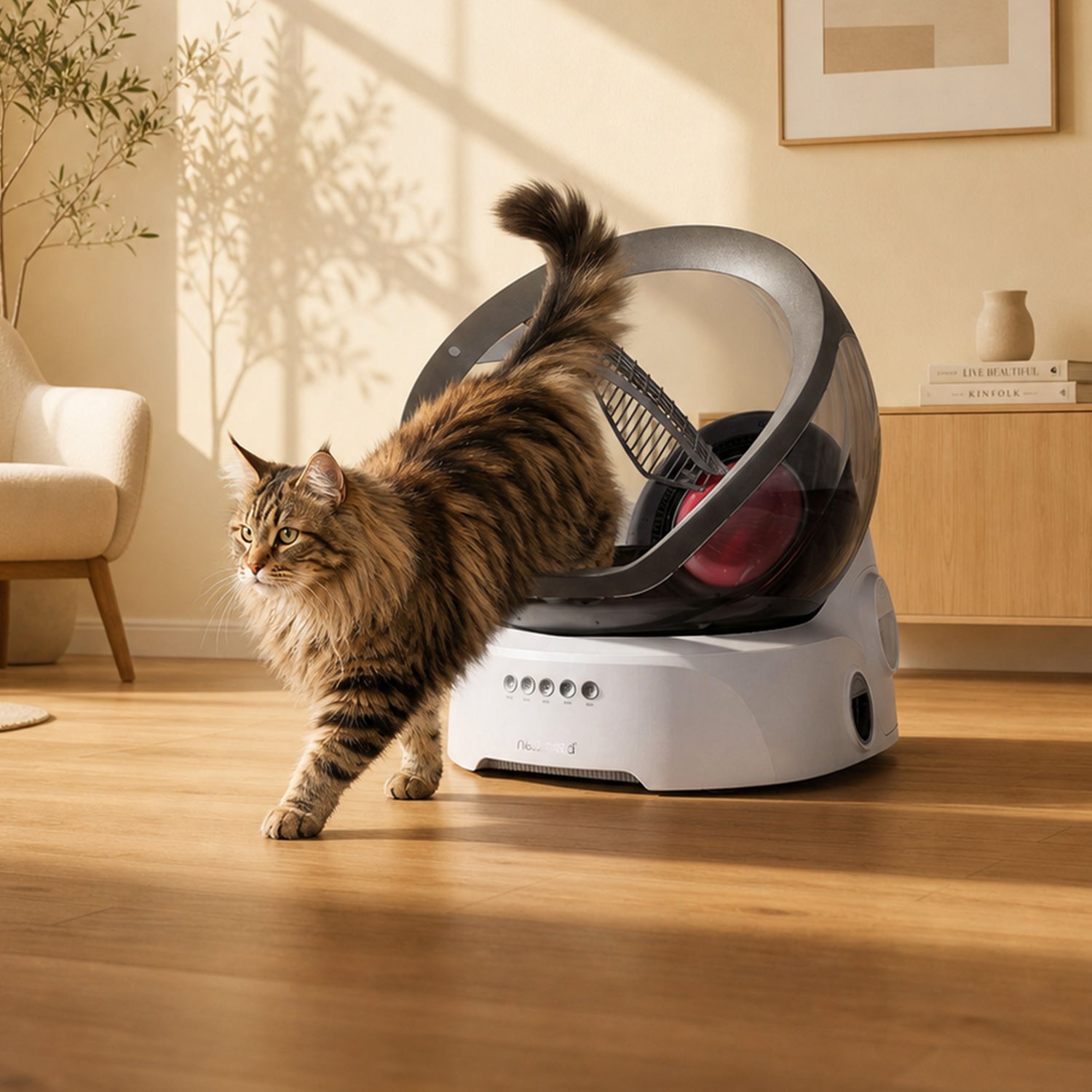
- The Ultimate Upgrade: For tight spaces, a self-cleaning litter box (like the Neakasa M1) is the best hands-free way to eliminate odors.
3 Golden Rules of Small-Space Litter Box Placement
Before you pick a spot, keep these three golden rules in mind:
- Ventilation is Key: A well-ventilated area prevents odors from building up and lingering in your living space.
- Respect Their Privacy: Cats are vulnerable when doing their business. They need a quiet, low-traffic zone to feel safe.
- Accessibility Over Invisibility: If it’s too hard for your cat to reach (or too much of a hassle for you to clean), accidents will happen.
5 Best Cat-Approved Locations in a Tight Apartment
Finding the right spot means balancing discretion, hygiene, and accessibility. Here are practical and creative ideas for small spaces:
1. The Bathroom (Next to the Toilet)
Placing the litter box next to the toilet is one of the most convenient and natural choices, as bathrooms are already designed for waste management and ventilation.
- Easy access to water and cleaning supplies.
- Provides your cat with a naturally quiet and private place.
2. A Quiet Corner in the Laundry Room
If your apartment has a laundry nook, this is an excellent option. It’s typically lower traffic and separated from your main living areas.
- Keeps the litter box out of direct sight.
- Usually features hard floors that are easy to sweep.
Note: Just make sure your cat isn't terrified by the noise of the spin cycle!
3. Concealed Inside Living Room or Hallway Furniture
When you’re really short on space, hiding the litter box in plain sight is incredibly effective. Using a piece of furniture—like a storage bench, side table, or entryway cabinet—is a great way to blend it into your decor.
- Keeps the box entirely out of plain sight while maximizing vertical space.
- Blends seamlessly into your home style.
4. Near a Balcony or Patio Sliding Door
Positioning the litter box near a sliding glass door is a smart choice because these edge areas usually offer extra space and excellent airflow.
- Natural ventilation helps tremendously with odor control.
- Placing it at the edge of the room makes it less intrusive to your daily activities.
- Always keep it flush against the wall so it doesn’t block the door or become a tripping hazard.
5. Integrated into a Room Divider
If you live in a studio or an open-concept apartment, integrating the litter box into a room divider or a decorative folding screen is a highly creative solution.
- Helps define your living space while doubling as a privacy shield for your cat.
- You can place plants or decor on/around the divider to further disguise the area.
- Stylish, dual-purpose, and highly functional for small layouts.
Where NOT to Put the Litter Box In Your Apartment
In a small apartment, the wrong placement can cause a smelly home and a stressed cat. Avoid these common pitfalls:
1. The Kitchen or Near Food Bowls (Absolute No-Go)
Cats instinctively refuse to use the bathroom near where they eat. Furthermore, placing a litter box in the kitchen poses a massive hygiene risk for you. Keep litter dust and bacteria far away from your food prep areas.
2. Deep Inside Dark, Unventilated Closets or Sink Cabinets
Never put a litter box under the kitchen or bathroom sink. These areas are poorly ventilated, damp (which fosters bacterial growth), and often contain toxic cleaning chemicals. A dark, cramped, and smelly closet will quickly deter your cat from using the box.
3. Right Next to Loud, Vibrating Appliances
While a laundry room is okay, placing the box right against a loud washing machine or a rattling HVAC unit can spook your cat. If a machine suddenly turns on while they are using the box, they may associate the litter box with fear and start having accidents elsewhere.
How to Keep Your Small Apartment Smelling Fresh
When living in a small space, maintaining freshness is the biggest challenge. Here is how you can eliminate litter box odors:
Tip #1: Choose a Fast-Clumping, Low-Dust Litter
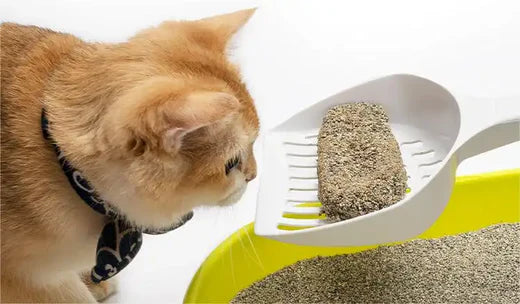
A high-quality clumping litter absorbs moisture rapidly and forms tight clumps, preventing urine from seeping to the bottom of the box and causing lingering smells.
When shopping, look for low-dust mineral formulas that clump quickly. For instance, options like Neakasa Mineral Cat Litter are great for small spaces because they create rock-solid clumps instantly. This not only traps odors at the source but also protects your cat's respiratory health and keeps tracking to a minimum.

Tip #2: Upgrade to an Open-Top, Self-Cleaning Litter Box
If your litter box has to be in a shared area like your living room or hallway, an automatic litter box makes a huge difference for odor control.
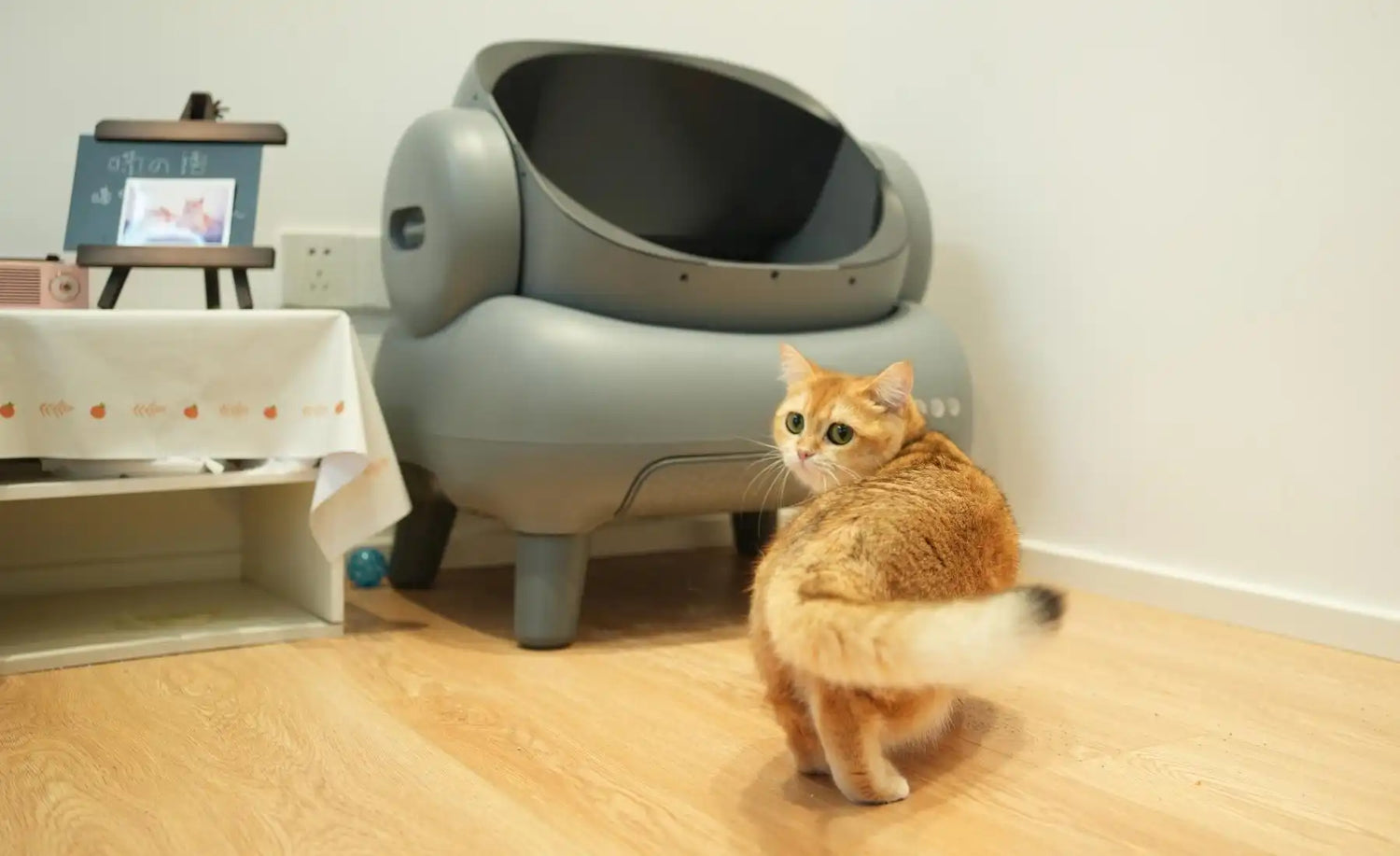
Instead of traditional enclosed boxes that can trap odors inside and stress your cat, consider a smart open-top model. Devices like the Neakasa M1 Plus are designed to be safer and more comfortable for cats (even up to 33 lbs), while promptly sealing waste away into a closed bin right after every use. Since the waste never just "sits there," your apartment stays consistently fresh without the need for daily scooping.

- Enhanced sealing stops leaks, even for side-peeing.
- Self-cleaning removes waste without daily scooping.
- Open-top design ensures safety and easy access.
- Spacious interior fits cats, up to 33 lbs.
- Sealed bin locks odors for up to 14 days.
Tip #3: Maintain a Strict Cleaning Routine & Use Litter Mats
Even with the best setup, basic hygiene is required.
- Scoop daily: If you don't have an automatic box, scoop at least once a day.
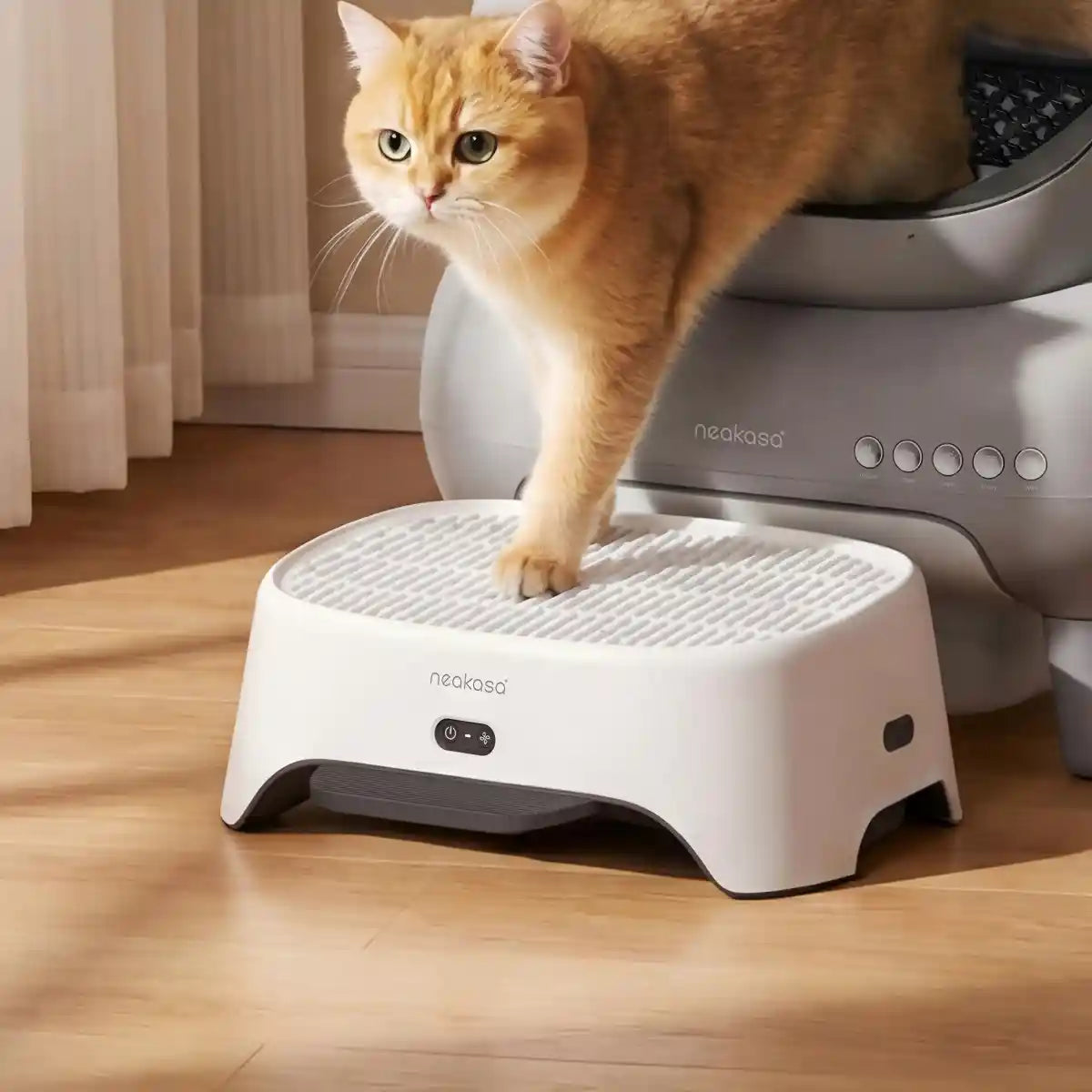
- Trap the mess: Place a textured litter mat outside the box to catch tracking.
- Deep clean: Wash the entire box and replace the litter completely every 2–4 weeks to prevent bacteria buildup on the plastic.

Common Mistakes to Avoid When Placing a Litter Box in a Small Apartment
In a small apartment, the wrong placement can cause odor issues and stress for your cat. Avoid these common pitfalls:
- Near Food, Water, or the Kitchen: Cats won't use a toilet near their meals. Keep it far from feeding zones and human food prep areas.
- Hiding It Completely (e.g., Under Sinks): Dark, damp cabinets trap odors and make cats feel unsafe. Always choose well-ventilated, accessible spots.
- Moving the Box Constantly: Cats thrive on routine. Moving the box too often to save space will confuse them and lead to accidents.
- Not Having Enough Boxes: If you live in a multi-level apartment, one box isn’t enough. Place at least one on each floor.
- Leaving It Vulnerable to Dogs: Use pet gates or smartly designed enclosed boxes so other pets can't ambush your cat while they do their business.
FAQ: Managing a Litter Box in a Small Space
Q: Can I put the litter box in my bedroom?
A: Yes, but use a 99% dust-free litter to protect your lungs. To avoid midnight odors, investing in a self-cleaning litter box is highly recommended.
Q: How do I hide a litter box in a studio apartment?
A: Use multi-functional furniture (like a hollowed-out storage bench) to disguise it, or use a decorative folding screen to create a tiny, private "cat bathroom."
Q: Do open-top litter boxes smell worse in a small apartment?
A: Only if you don't scoop them. A smart open-top box (like the Neakasa M1) controls odors better by automatically dropping waste into a sealed bin immediately, while keeping your cat comfortable.
Q: How many litter boxes do I need for one cat?
A: The golden rule is "one per cat, plus one." If your apartment is too small for two boxes, you can use just one, only if you use a self-cleaning box to keep it flawlessly clean all day.
Conclusion
Finding the perfect litter box spot in a small apartment comes down to one thing: balancing your cat’s privacy with your need for a clean, odor-free home.
With smart placement, high-quality litter, and the right tools (like a self-cleaning box), limited space doesn't have to mean sacrificing freshness. Use these tips to upgrade your setup and create a happier, healthier home for both you and your feline friend!

Leave a comment
All comments are moderated before being published.
This site is protected by hCaptcha and the hCaptcha Privacy Policy and Terms of Service apply.