
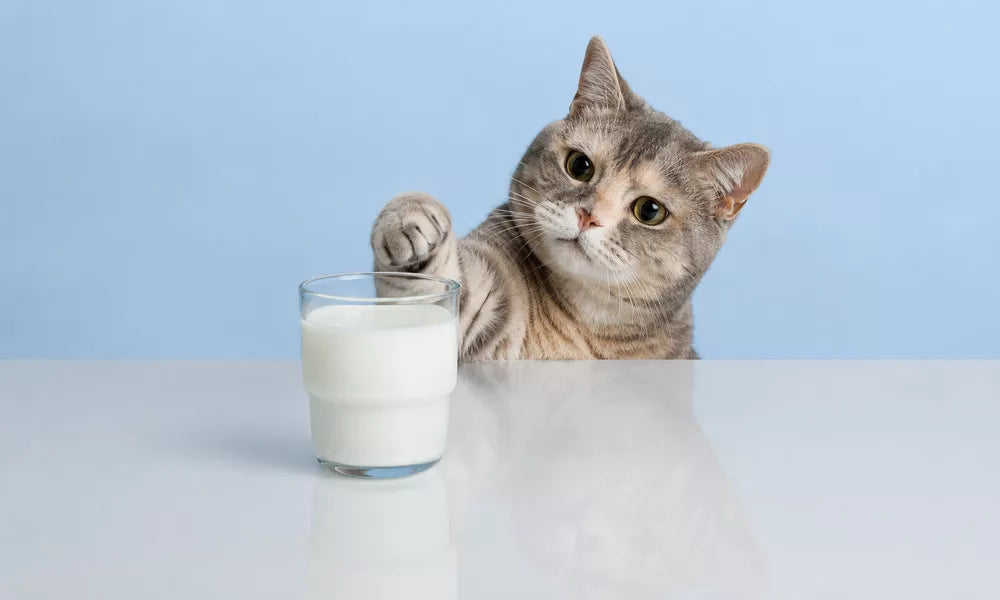
Although cats drinking milk is a familiar image in movies and cartoons, veterinarians generally advise against giving milk to cats. Most adult cats cannot properly digest dairy, which can lead to stomach discomfort, diarrhea, vomiting, and other digestive problems.
Whether you want to offer your cat a safe treat or you are worried because your cat has just drunk some milk, it is important to understand what their digestive system can and cannot handle.
- The Root Cause: Adult cats lose the enzyme needed to digest lactose, leading to fermentation and gas in their digestive tract.
- Hidden Dangers: Beyond lactose, the high-fat content in whole milk puts unnecessary strain on a cat’s pancreas.
- The 24-Hour Rule: Immediate hydration and close monitoring of bathroom habits are your best defense against mild milk ingestion.
- Safe Hydration: Felines benefit much more from wet food, pet water fountains, or specially formulated lactose-free treats than from dairy.
Why Cow’s Milk Causes Upset Stomachs
To understand why milk causes such a rapid reaction, we need to look at feline biology and a process known as “The Lactase Drop-off.” Here is exactly what happens inside your cat’s digestive system when they drink cow’s milk:
- The Lactase Drop-off: When kittens are nursing, their bodies produce high levels of lactase—the essential enzyme required to break down lactose (milk sugar). However, once a kitten is weaned onto solid food, their body drastically reduces this enzyme production.
- Undigested Sugars: Because an adult cat lacks sufficient lactase, the lactose from cow’s milk cannot be digested in the stomach. Instead, it travels directly into the intestines intact.
- Bacterial Fermentation: Once in the intestines, gut bacteria begin to ferment these undigested sugars. This rapid fermentation produces painful gas and draws excess water into the bowels, which is the direct cause of watery diarrhea.
- Pancreatic Strain: Beyond just the lactose problem, whole cow’s milk contains a significantly higher fat content than a feline’s natural diet requires. Processing this heavy dairy fat heavily burdens a cat’s pancreas and can contribute to feline obesity over time.
The “Traffic Light” Symptom Checker
If your cat managed to sneak some milk, symptoms usually appear within 8 to 12 hours. Use this quick “Traffic Light” guide to assess their condition and decide your next steps.
| Status | Symptoms Observed | Severity | Recommended Action |
|---|---|---|---|
| Green Light | Mild gas, slightly soft stool, normal energy levels. | Low | Monitor at home. Keep them hydrated and observe for 24 hours. |
| Yellow Light | A single episode of vomiting, decreased appetite, mild bloating. | Moderate | Proceed with caution. Withhold food for a few hours to settle the stomach, encourage water intake, and monitor closely. |
| Red Light | Persistent diarrhea, repeated vomiting, lethargy, or vocalizing in pain when the belly is touched. | High | Call the Vet. Severe diarrhea can lead to rapid, dangerous dehydration. |
My Cat Drank Milk! A 24-Hour Action Plan
Caught your feline friend finishing off your cereal bowl? Take a deep breath and follow this immediate action plan.
Step 1: Assess & Hydrate
First, estimate how much they drank. A few licks off a spoon might just cause some minor gas, but half a cup can trigger a severe reaction.
Because diarrhea is the most common symptom, dehydration is your biggest enemy right now.
- Wash their water bowls and fill them with fresh water.
- If you have a pet water fountain, make sure it is running, as flowing water encourages cats to drink more.
- Add a tablespoon of warm water to their regular wet food to sneak in extra moisture.
Step 2: Track Litter Box Metrics
For the next 12 to 24 hours, the litter box is your most critical diagnostic tool. You are not just looking at what is in the box, but also how often they are using it.
- Frequency and Duration: Is your cat visiting the box more often than usual? Are they spending a long time straining?
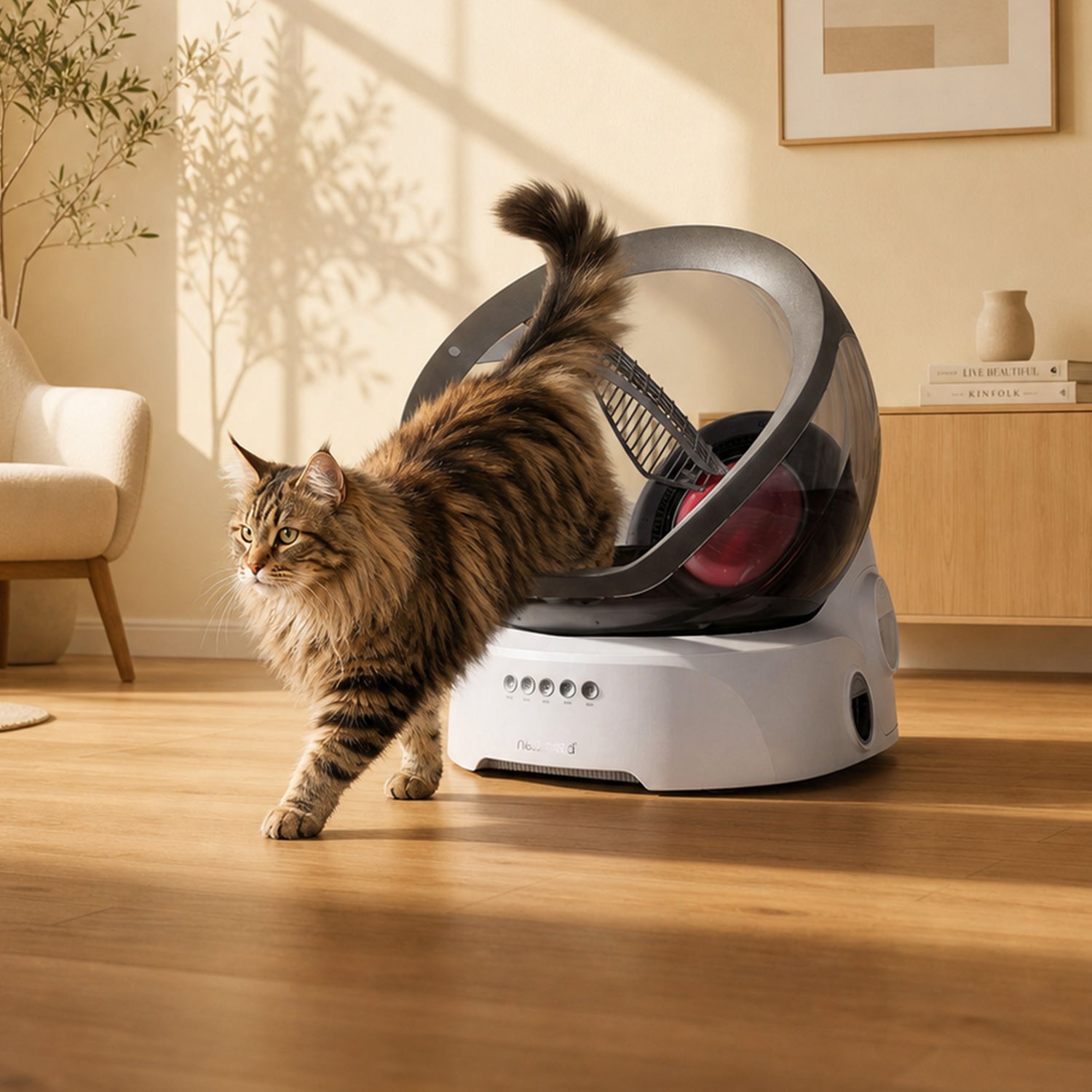
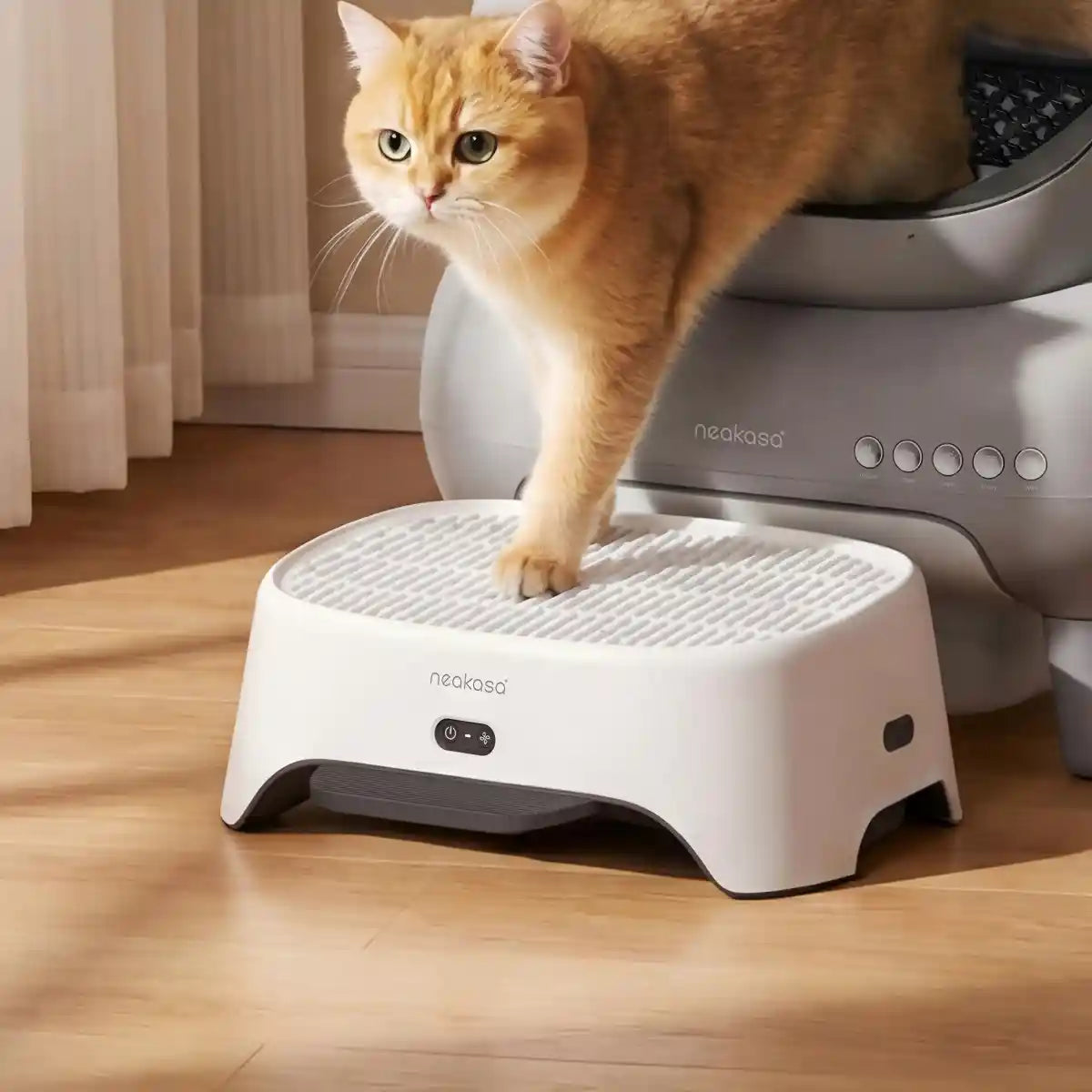
- Leveraging Smart Tech: If you use an automatic or smart cat litter box, open your companion app. Check the data logs for sudden spikes in bathroom visits, changes in the time spent inside the globe, or weight fluctuations. Having these precise metrics recorded on your phone is incredibly helpful. If symptoms escalate to a “Red Light,” you can provide your vet with exact data regarding your cat’s gastrointestinal distress.
Vet-Approved Swaps: How to Treat & Hydrate Correctly
You can still treat your cat without risking their gut health. Here are safe, feline-friendly alternatives:
- Pet-Specific Milk: Available at most pet stores, this milk has the lactose removed and is safe for cats. However, it is still calorie-dense and should only be given as an occasional treat.
- Unsalted Bone Broth: A splash of plain chicken or beef bone broth (with absolutely no onions or garlic) is highly nutritious and great for gut health.
- Moisture-Rich Diet: The best way to “treat” your cat to hydration is through high-quality canned wet food or lickable puree treats.
FAQs
Q1. Can cats have lactose-free milk?
A1. Yes, but only in small amounts. Lactose-free milk is easier to digest than regular milk, but it still contains fat and calories cats do not need.
Q2. Can kittens drink regular cow’s milk?
A2. No. Cow’s milk does not provide the right nutrients kittens need. Orphaned kittens should be fed a proper Kitten Milk Replacer (KMR).
Q3. How long does cat diarrhea last after drinking milk?
A3. Mild diarrhea usually clears within 12–24 hours. If it lasts longer than 24 hours or your cat refuses water, contact a veterinarian.
Conclusion & Next Steps
While the image of a cat lapping up milk is a classic stereotype, it is a dietary habit best left in the past. Feline lactose intolerance is incredibly common, and cow’s milk simply isn’t worth the digestive distress it causes.
By tracking their hydration, utilizing modern tools to monitor their litter box habits, and swapping dairy for vet-approved treats, you can ensure your cat’s digestive system stays healthy and comfortable.

Leave a comment
All comments are moderated before being published.
This site is protected by hCaptcha and the hCaptcha Privacy Policy and Terms of Service apply.