
Have you ever poured fresh cat litter into the box and seen a cloud of gray dust rise up? Litter dust isn’t just messy—it can affect your cat’s respiratory health, your home’s air quality, and even the performance of automatic litter boxes. Cats are exposed daily in enclosed spaces.
In this guide, we explain why low-dust cat litter matters and how to choose a safer option for long-term health and performance.
Why Dust in Litter Matters More Than You Think
The dust kicked up by standard cat litter affects three beings: your cat, you, and anyone visiting your home. What seems like a minor inconvenience masks serious health implications that accumulate over the years.
The Problem with Conventional Litter Dust
- Microscopic Particles: Standard clay litter creates microscopic dust particles that remain suspended in the air for hours.
- Direct Inhalation: Inhalation irritates respiratory tissues, potentially leading to chronic issues.
- Constant Exposure: Cats experience this 24/7 in enclosed litter boxes (especially hooded ones).
- Human Risk: Humans are exposed while scooping and simply living in the home.
Health Impact Statistics
- 34% of cats develop respiratory irritation from dusty litter.
- 67% of frequent scooper users report respiratory symptoms.
- 45% of asthma exacerbation cases are linked to chronic exposure.
- 5x Higher Risk: Elderly cats and kittens face significantly higher respiratory risks.
Silica vs. Clay vs. Additives: Identifying the Sources of Dust
Not all dust is created equal. There are three primary types found in cat litter.
1. Silica Dust (Most Concerning)
- Nature: Microscopic crystalline particles.
- Source: Diatomaceous earth, mined clay.
- Health Risk: Lung tissue scarring (silicosis).
- Regulation: Note: While regulated in human workplaces, it is currently not regulated in cat litter.
2. Clay Dust
- Nature: Larger particles from clay breakdown.
- Visibility: More visible than silica, creating the "cloud" effect.
- Health Risk: Accumulates in lungs over time and causes respiratory irritation.
3. Additive Dust
- Source: Fragrance compounds and baking soda additives.
- Health Risk: Chemical irritation to the respiratory system; often the strongest allergen for sensitive cats.
The Science of “Low Dust” Claims
Marketing labels can be misleading. Here is how to interpret industry standards:
Industry Standards vs. Reality
- "Low Dust": Typically means <1% dust (compared to 5-15% for standard litter).
- "Dust-Free": Claims usually imply <0.1% dust.
- Testing: Methods vary and are not standardized across brands.
- Scent Warning: “Unscented” does not mean “non-irritating” (clay itself is an irritant).
What Actually Matters
- Particle Size: Matters more than percentage; larger particles settle faster (less inhalation).
- Composition: Natural vs. synthetic materials affect irritation levels.
- Moisture: Higher moisture content generally reduces dust creation.
Top-Rated Low-Dust Litter Materials Compared
We have categorized the best options into natural solutions and engineered clay solutions.
Category 1: Natural & Biodegradable Options
| Material & Examples | Dust Level | Pros & Cons | Best For |
|---|---|---|---|
|
Paper-Based (e.g., Boxiecat Premium, Dr. Elsey’s, Tidy Cats) |
<0.1% |
|
Cats with respiratory sensitivities, elderly cats |
|
Pine-Based (e.g., Feline Pine, Ökocat) |
<0.2% |
|
Strong-odor homes, cats that tolerate pine scent |
|
Corn & Wheat (e.g., World’s Best, Feline Fresh) |
<0.1% |
|
Environmentally conscious owners |
Category 2: Engineered Clay Formulas (Low Silica)
| Product & Price | Dust & Tech | Verdict |
|---|---|---|
|
Dr. Elsey’s Ultra $18–22 / 18 lb |
<0.1% (verified) Proprietary processing reduces silica |
Maximum odor control while remaining low dust. Best for respiratory protection. |
|
Fresh Step Low Dust $10–13 / 18 lb |
<0.2% Washed clay technology |
Affordable premium option. Best for budget-conscious owners. |
|
Ökocat Natural $12–16 / 10 lb |
<0.1% Wood-based natural processing |
Low dust with environmental benefits. Best for eco-conscious owners. |
Buyer’s Guide: Which Low-Dust Litter is Right for Your Cat?
| Your Situation | #1 Top Recommendation | Alternative Options |
|---|---|---|
| Cats with Known Respiratory Issues |
Paper-based (Absolute minimum dust) |
|
| Healthy Cats with Concerned Owners |
Dr. Elsey’s Ultra (Best balance) |
|
| Multi-Cat Homes Needing Odor Control |
Dr. Elsey’s Ultra (Manages multiple cats + low dust) |
|
How to Switch Litters Without Stressing Your Cat (4-Week Plan)
Cats are creatures of habit. Changing litter abruptly can lead to box aversion. Use this gradual method for an 89% success rate.
- Week 1 (Introduction): Mix 75% old litter + 25% new low-dust. This maintains the familiar smell and feel.
- Week 2 (Shift): Mix 50% old + 50% new. The scent is changing, but the texture familiarity remains.
- Week 3 (Transition): Mix 25% old + 75% new. Your cat should now accept the new option as primary.
- Week 4 (Complete): 100% new low-dust litter.
Analyzing the Cost: Is Premium Litter Worth the Investment?
Switching to low-dust litter is an investment in health.
- Standard Clumping Clay: ~$60/year.
- Dr. Elsey’s Ultra: ~$120/year.
- The Difference: For a premium of $60/year, you potentially prevent respiratory issues that cost $200-$500 in early vet interventions, not to mention the invaluable improvement in your cat's quality of life.
How to Verify Claims
- Look for: Independent lab testing data and specific dust percentages (<0.1%).
- Avoid: Vague terms like "Virtually dust-free" or "Natural" without data.
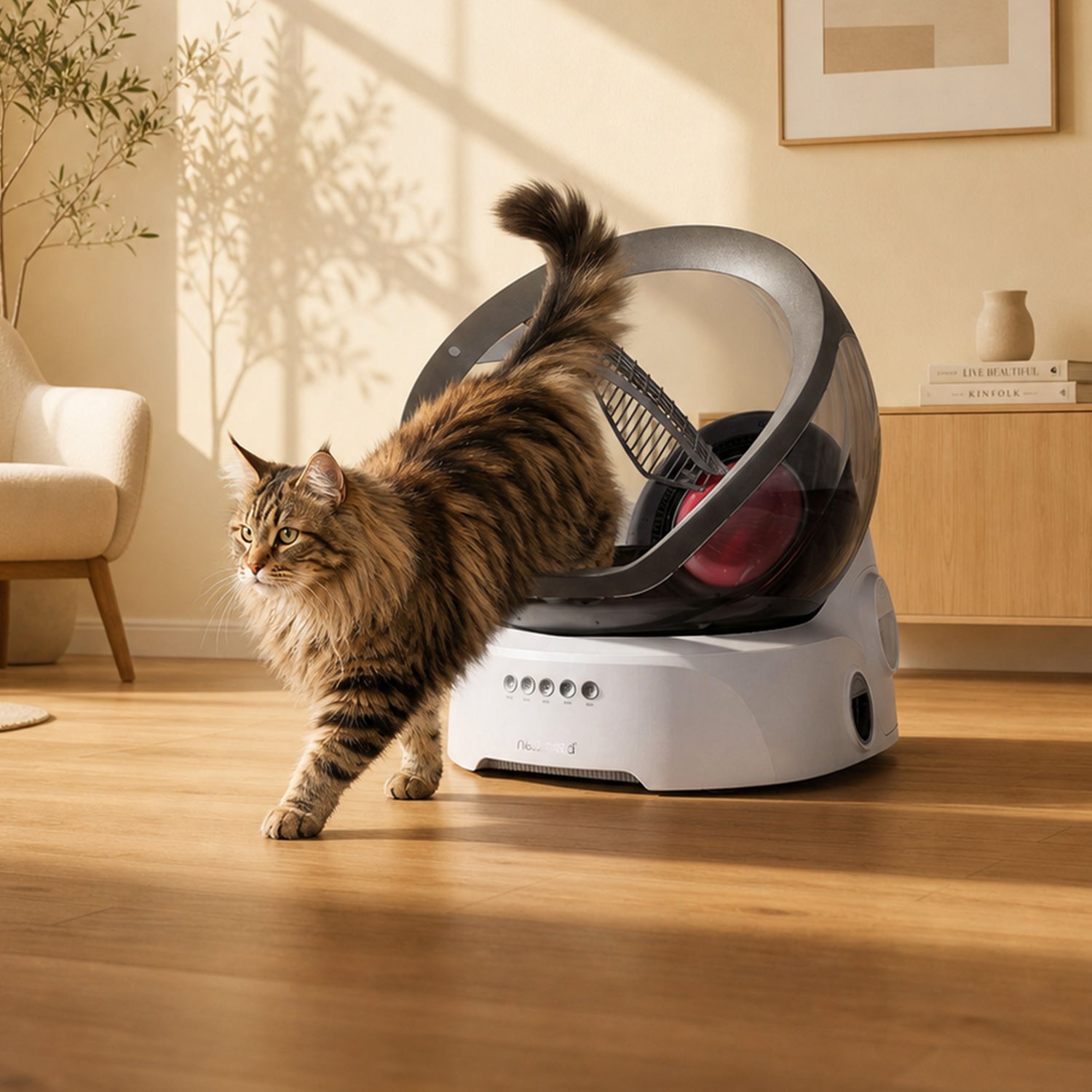
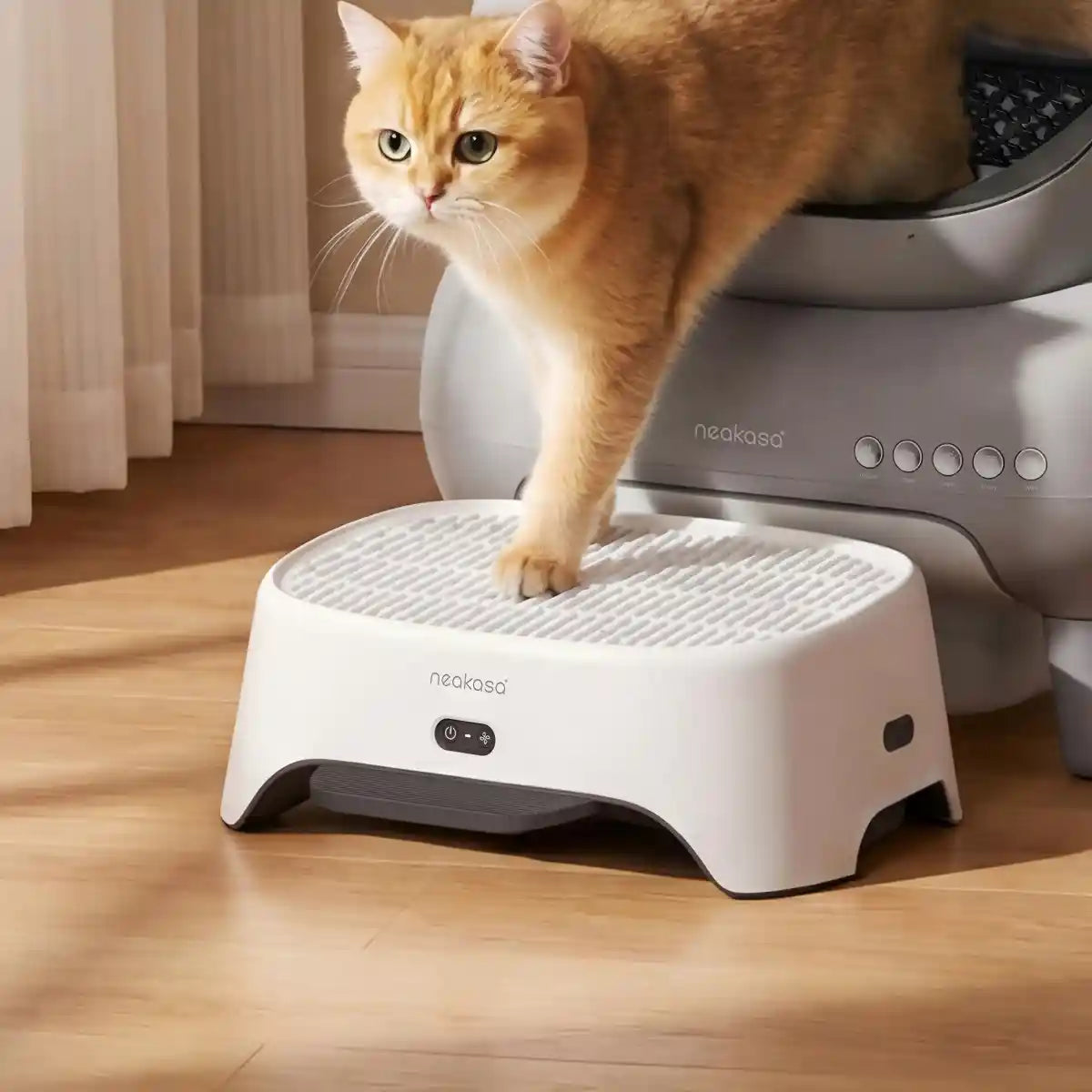
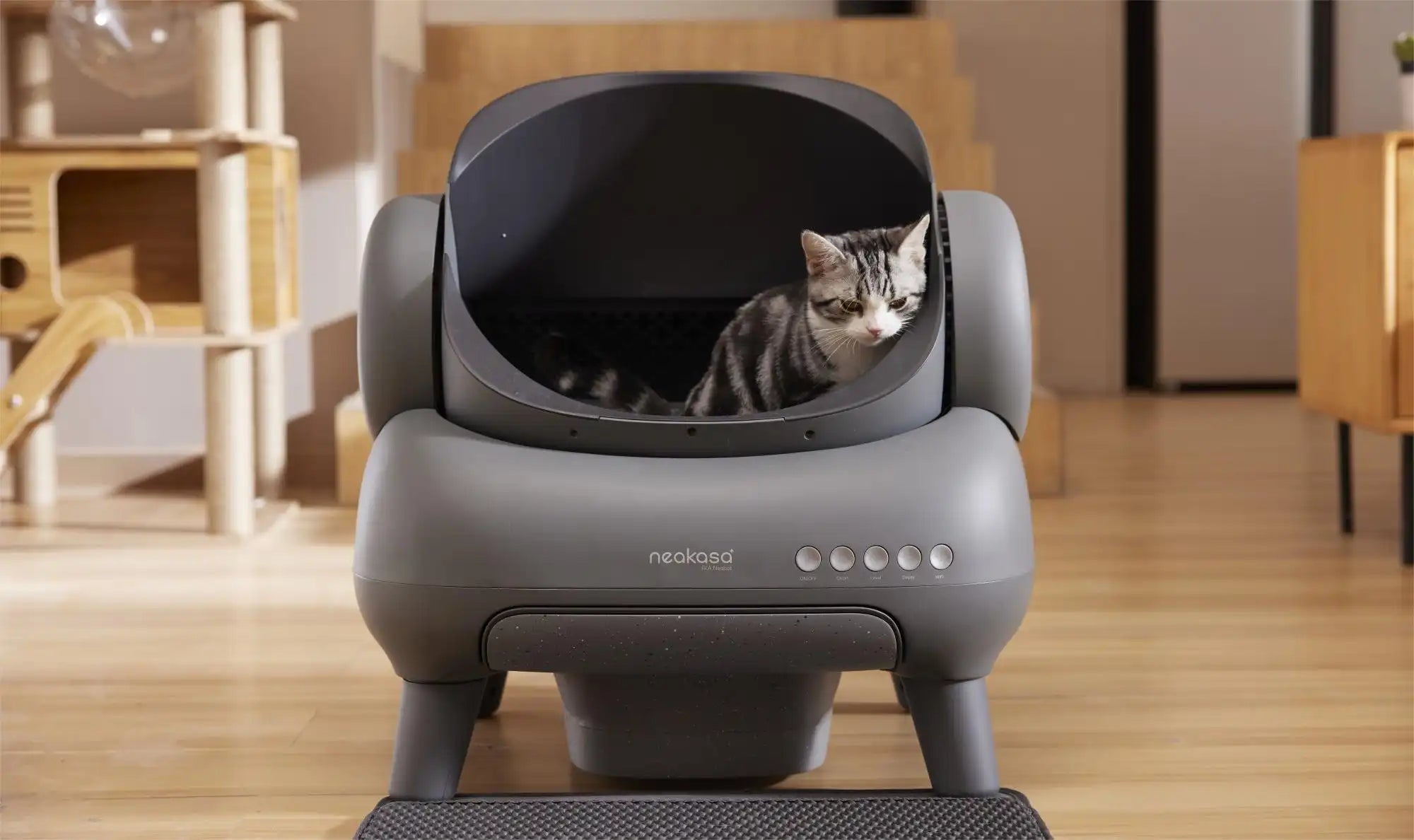
Why Automatic Litter Boxes (Like Neakasa M1 Plus) Need Specific Litter
If you own an automatic litter box like the Neakasa M1 Plus, the type of litter you use impacts the machine's longevity.
- High-Dust Litter Risks: Dust accumulates in the motor area and sensors, potentially reducing the lifespan of the device.
- Low-Dust Benefits: Keeps the interior sensors clean and ensures smoother mechanical operation.
Recommendation for Neakasa M1 Plus Users
Dr. Elsey’s Ultra is highly recommended because it combines:
- <0.1% Dust: Protects the machine’s internal components and your cat's lungs.
- Superior Clumping: The M1’s cleaning system works best with firm clumps.
- Compatibility: The M1 accepts all standard clumping litters, making this an easy switch.
Final Verdict: Our Top Recommendations
- Best Overall: Dr. Elsey’s Ultra (Balances low dust, odor control, and cost).
- Most Eco-Friendly: Ökocat Natural (Biodegradable wood fiber).
- Most Budget-Friendly: Fresh Step Low Dust (Effective and accessible).
- Best for Serious Illness: Paper-Based Litter (The absolute minimum dust option).
By choosing the right litter, you aren't just keeping your floor clean—you are protecting the lungs of every living being in your home.

Leave a comment
This site is protected by hCaptcha and the hCaptcha Privacy Policy and Terms of Service apply.