

Discovering a bald, crusty patch on your feline friend can be alarming. If your vet confirms it’s ringworm, you’re facing a stubborn, highly contagious fungus that can spread to your entire family. While treating it feels like an endless battle, success is possible with the right strategy.
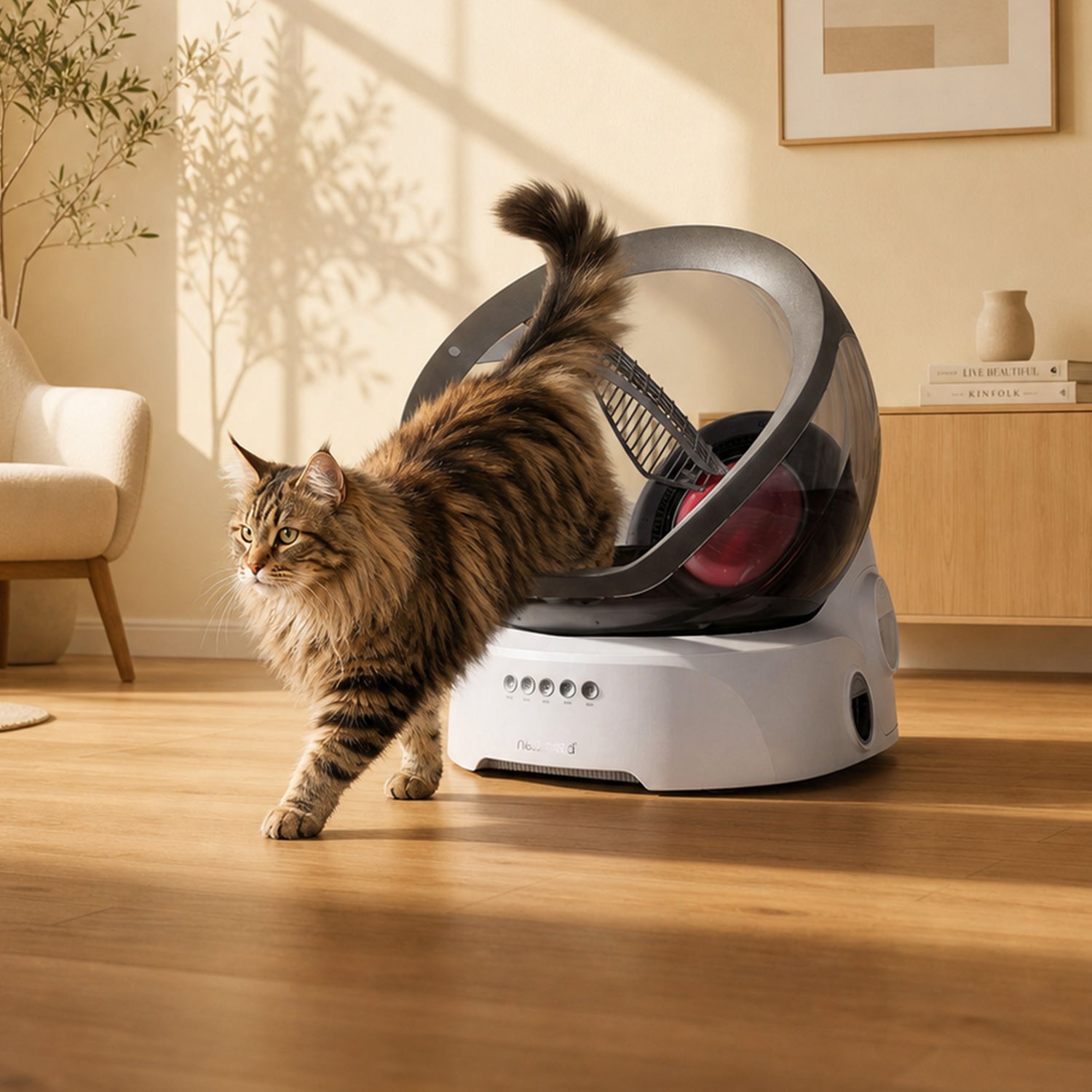
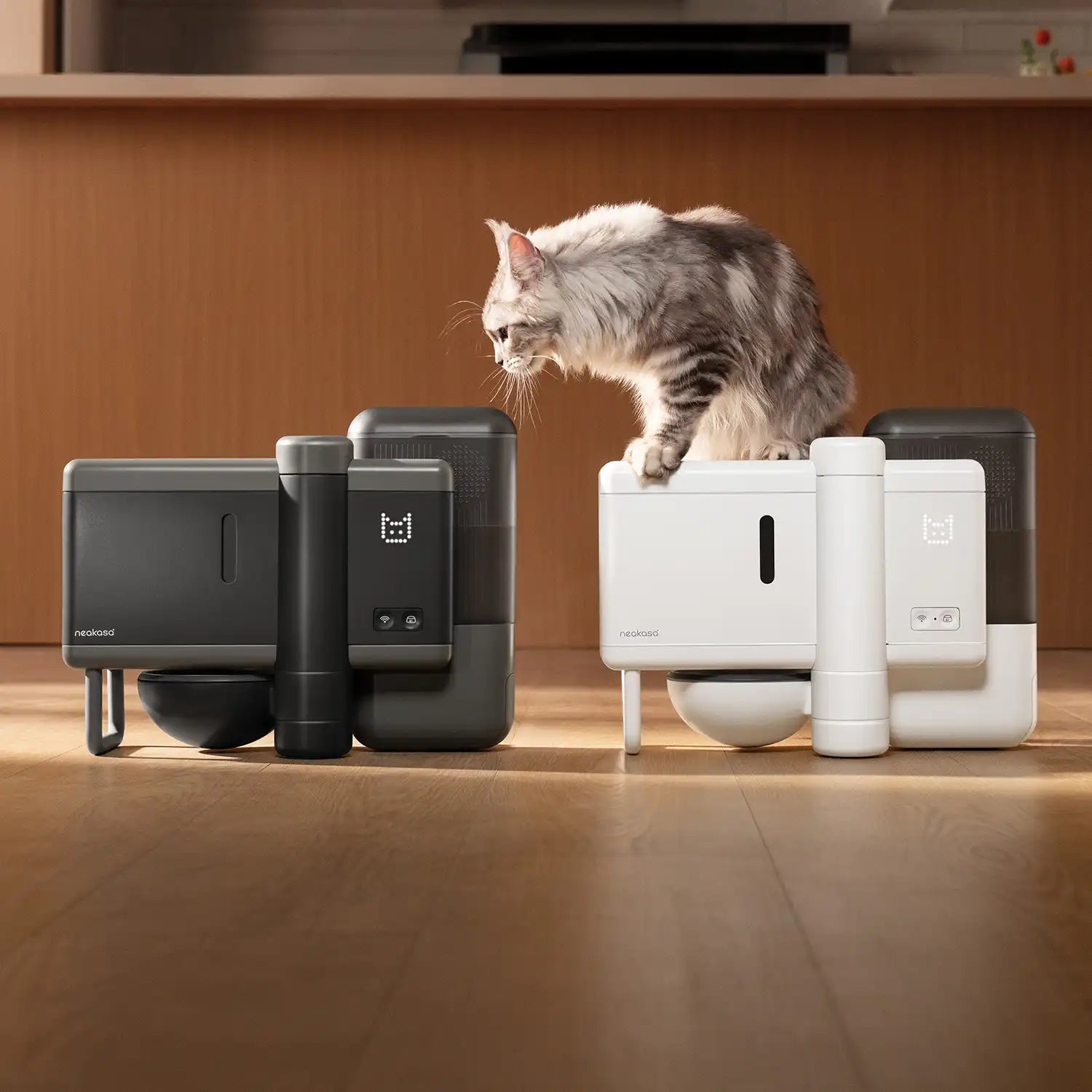
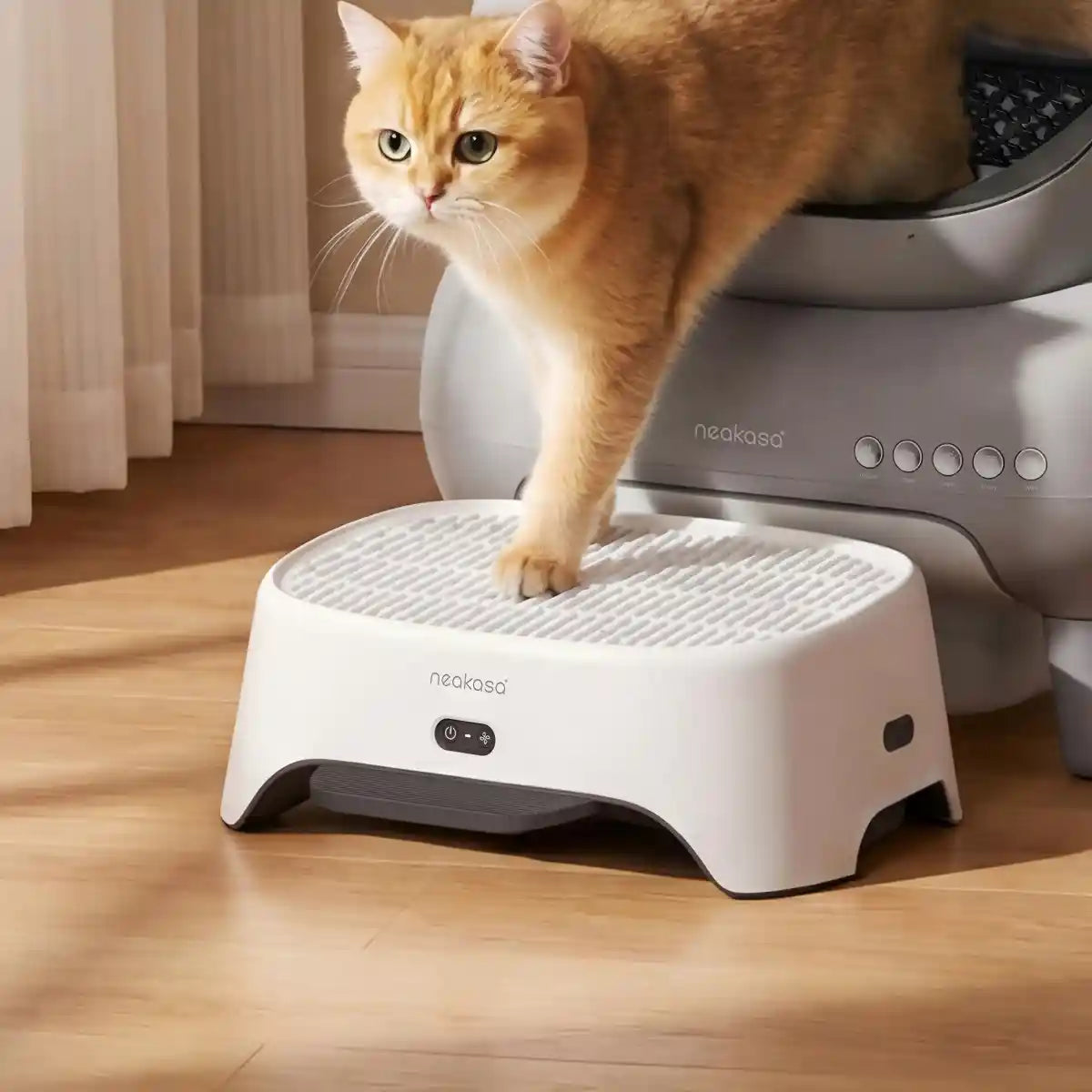
This guide covers everything from effective cat ringworm treatment at home to deep-cleaning your environment—and how smart tools like the Neakasa M1 can protect you during the process.
- Not a Worm: It’s a fungal infection (Dermatophytosis) that eats keratin in skin and fur.
- The 18-Month Threat: Spores survive nearly two years in household dust if not managed.
- The “Clean-Room” Strategy: Quarantine is mandatory to stop the spread.
- Hygiene Automation: Using a self-cleaning litter box like the Neakasa M1 drastically reduces human exposure to infected spores.
What Exactly is Cat Ringworm?
Before you start the cat ringworm treatment, you must know what you’re fighting. Ringworm creates circular, inflamed lesions that are often mistaken for simple dry skin or dandruff.
It’s a Fungus, Not a Worm
Despite its creepy name, ringworm has absolutely nothing to do with parasites. It is a fungal infection that feeds on the keratin found in your cat’s skin, hair, and nails. The fungus thrives in warm, humid environments and creates classic circular, red, itchy patches.
Ringworm vs. Normal Flakes
How can you tell if your cat just has dry winter skin or a contagious fungus? Here is a quick breakdown:
| Feature | Ringworm | Normal Flakes (Dandruff) |
|---|---|---|
| Appearance | Circular, red, crusty, scaly patches | White, dry flakes scattered evenly |
| Hair Loss | Severe hair loss (alopecia) in the patch | Hair generally remains intact |
| Common Locations | Head, ears, forelimbs | Back, particularly near the tail |
| Skin Underneath | Irritated, raw, or inflamed | Looks normal, just dry |
Why is Ringworm Hard to Cure And So Contagious?
Many pet parents struggle with how do cats get ringworm and why it seems so impossible to get rid of. The secret lies in how the fungus survives.
1. The “Dandelion Spore” Effect
An infected cat sheds microscopic fungal spores constantly. Much like a dandelion blowing in the wind, these spores float through the air and settle onto furniture and clothes. They can survive in your home for up to 18 months under the right conditions.
2. The Reinfection Loop
If you treat the cat but ignore the environment, the cat will simply pick the fungus back up the moment the medication ends. You must treat the pet and the house simultaneously to break the cycle.
3. Is Ringworm in Cats Contagious to Humans?
Yes, absolutely. Ringworm is highly zoonotic. According to the CDC guidelines on healthy pets, individuals with compromised immune systems, children, or the elderly are particularly susceptible. If you notice an itchy, red, circular rash on your own skin, contact a doctor immediately.
3-Step Action Plan to Eradicate Ringworm
Conquering this fungus requires a strict, multi-pronged approach.
Step 1: Treat the Cat
Consult your veterinarian for an official diagnosis and prescription. Common cat ringworm treatment at home includes:
- Topical Treatments: Antifungal shampoos, creams, or lime sulfur dips (highly effective, despite the smell).
- Oral Medications: Drugs like Itraconazole for severe or stubborn cases.
- Strict Quarantine: Keep the cat in one easy-to-clean room (like a bathroom) with no carpets to limit the spread of spores.
Step 2: Sanitize the Environment
Because spores live so long, rigorous cleaning is your ultimate weapon. Follow this sanitization schedule:
| Task | Frequency | Method |
|---|---|---|
| Vacuuming | Daily | Vacuum floors and furniture; empty canister immediately outside. |
| Laundry | Twice a week | Wash bedding and exposed clothes in hot water with fungicidal detergent. |
| Hard Surfaces | Twice a week | Wipe down the quarantine room with a 1:10 bleach-to-water solution. |
Step 3: Protect the Humans
Don’t let yourself become the next victim. Practice these hygiene rules:
- Minimize Contact: Stop manually scooping contaminated waste. Upgrade to a self-cleaning box like the Neakasa M1 to automatically remove infected waste and drastically reduce your exposure to spores.
- Wear Gloves: Use disposable gloves when applying creams to your cat.
- Change Clothes: Wear a dedicated “treatment apron” in the quarantine room and remove it upon leaving.
- Wash Hands: Wash vigorously with soap and warm water after every interaction.
How Long Does Cat Ringworm Treatment Take?
Ringworm recovery is a marathon, not a sprint. Many pet parents stop treatment too early when the skin “looks better,” only to face a frustrating relapse. Since fungal spores are incredibly resilient, a full recovery typically requires 6 to 8 weeks of consistent care.
Use this week-by-week timeline to track your progress and ensure a fungus-free home:
| Timeline | Visible Changes | Action Required |
|---|---|---|
| Week 1-2 | Redness begins to fade; itching slows. | Stick strictly to the dip/shampoo schedule. |
| Week 3-4 | Scabs fall off; skin looks smooth. | Deep clean the house again to prevent relapse. |
| Week 5-6 | “Fine ““peach fuzz”” hair regrowth starts.” | Visit the vet for the first follow-up culture. |
FAQs
Q1. Can litter box bacteria make humans sick?
A1. Yes. Aside from ringworm, dirty boxes can harbor Salmonella and Toxoplasma. The Neakasa M1 protects you by automating waste removal, keeping your hands away from pathogens.
Q2. What is the best litter box odor eliminator?
A2. Continuous cleaning. A smart box like the Neakasa M1 removes waste within minutes, trapping odors in a sealed drawer before they can permeate your home.
Q3. Exactly how often to clean the litter box for 2 cats?
A3. In a 2-cat household, you normally scoop 2-3 times daily. With the Neakasa M1, the system does the work for you. You only empty the sealed drawer every 14 days, maintaining a much higher standard of hygiene during a medical crisis.
Conclusion
Hearing that your cat has ringworm can feel overwhelming, but it is a highly treatable condition.
By combining veterinary care, strict home sanitization with tools like the Neakasa M1, and careful personal hygiene, you can break the reinfection loop for good. Stay consistent, keep that vacuum running, and your furry friend will be back to their healthy self before you know it.


Leave a comment
All comments are moderated before being published.
This site is protected by hCaptcha and the hCaptcha Privacy Policy and Terms of Service apply.