
🐾 Daily Water Intake for Cats
According to the Cornell Feline Health Center, cats need about 4 fl oz of water per 5 lb of lean body weight each day. That’s roughly 1 cup (240 mL) for a 10 lb cat, including moisture from food.
If you’ve been wondering, “How much water does a cat drink a day?” you may have noticed that your cat’s bowl barely seems to empty. That doesn’t necessarily mean they’re falling short. A cat eating mostly wet food can get a substantial share of their daily water from meals, while a cat on dry kibble typically needs to drink more.
Still, knowing what’s normal for your cat matters. Water supports digestion, circulation, and body temperature regulation, and changes in drinking habits can be a reason to check in with your veterinarian.
In this guide, we’ll explain how to estimate your cat’s daily water needs, how diet affects their intake, and how to keep track at home. We’ll also cover signs that deserve attention and simple ways to help your cat get enough water throughout the day.
- Daily water needs: A healthy 10-pound adult cat needs roughly 1 cup (240 mL) of water per day, including moisture from food.
- Diet matters: Cats eating wet or rehydrated food may drink less from their bowl than cats eating dry kibble.
- Encourage hydration: Provide fresh water in multiple locations, try a fountain, and include moisture-rich meals.
- Choose safe drinks: Plain water is best. Avoid salt water, seawater, and human electrolyte drinks; cow’s milk may cause digestive upset.
- Watch for changes: Increased thirst, changes in urination, or signs of dehydration warrant veterinary attention.
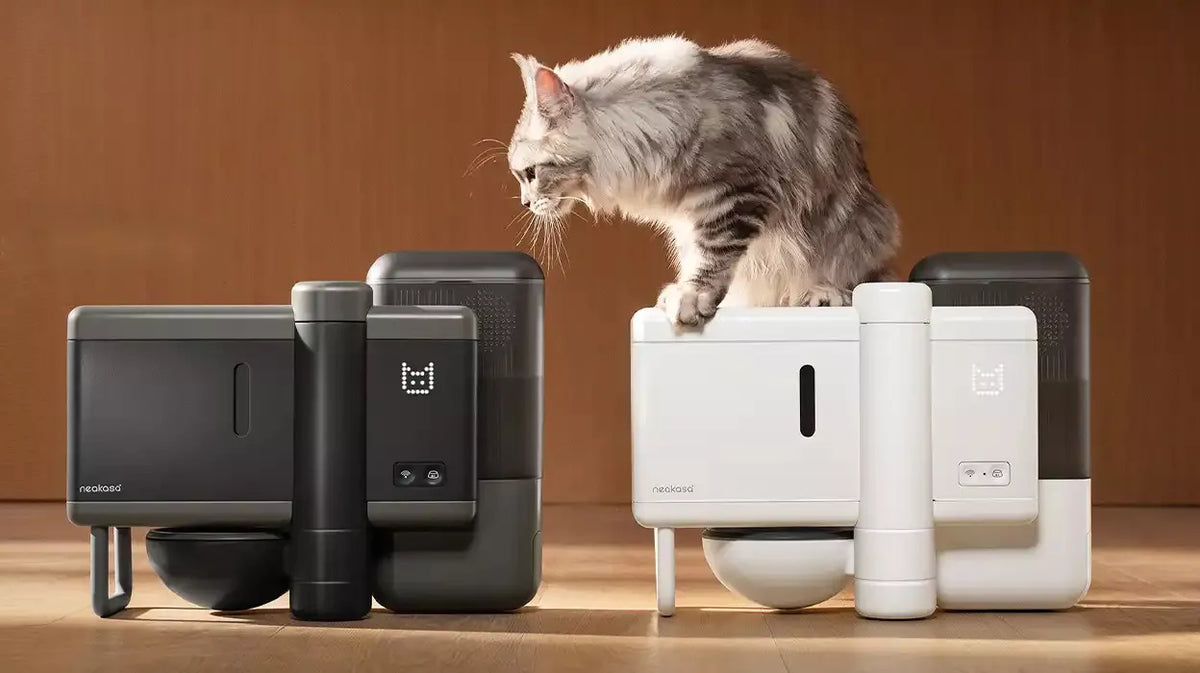
- Support consistent feeding: Neakasa Riko prepares scheduled meals from compatible freeze-dried food and water, helping incorporate moisture into your cat’s routine.
Understanding Hydration in Cats: Why Do Cats Need Water?
Hydration in cats affects everything from digestion to everyday energy levels. Understanding how cats use and conserve water can help explain why their drinking habits look different from ours.
The Biological Role of Water for Cats
Water is essential to nearly every process in your cat’s body. It supports circulation, helping deliver oxygen and nutrients to tissues, and allows the kidneys to filter waste. Staying hydrated also helps maintain electrolyte balance for healthy nerve and muscle function, regulate body temperature, aid digestion, and keep joints lubricated.
So, do cats drink water even when they eat wet food? Yes, although the amount varies with the moisture in their meals. If you’re wondering, “Can cats drink water as their main beverage?” plain, fresh water is the everyday choice. Supporting cat hydration means considering both what your cat drinks and the water they get from food.
Evolutionary Origins: The Hydration Mechanism of Felines
Domestic cats descended from African wildcats adapted to relatively dry environments, where prey provided an important source of moisture. This background helps explain their hydration mechanism: healthy feline kidneys can conserve water by producing concentrated urine, allowing the body to eliminate waste while losing relatively little fluid.
Cats are also generally described as having a less pronounced thirst drive than dogs. Their reliance on moisture-rich prey helps explain why drinking may play a smaller role in their natural water intake. However, this does not mean cats cannot feel thirsty or that they are protected from dehydration.
For today’s indoor cats, particularly those eating mostly dry food, these adaptations make access to fresh water essential. Providing water for cats throughout the day remains important, even when they rarely seem to visit the bowl.

Daily Water Requirements: How Much Water Should a Cat Drink Daily?
Your cat’s weight provides a starting point for estimating daily water needs, while their diet determines how much of that water comes from the bowl. Always count moisture from meals as part of their total intake.
Calculating Your Cat's Daily Water Intake
How much water does a cat drink a day? The amount varies, but a practical estimate for a healthy adult cat is about 0.7–0.9 US fluid ounces per pound of body weight daily, including water from food. Cornell’s guideline of approximately 4 fluid ounces per 5 pounds falls within this range.
Use either of these simple calculations:
- US units: Body weight in pounds × 0.7–0.9 = estimated daily water needs in fluid ounces.
- Metric shortcut: Body weight in kilograms × 50 = approximate daily water needs in milliliters.
The US range converts to roughly 46–59 mL/kg, so 50 mL/kg is a convenient estimate rather than an exact equivalent.
For a 10-pound adult cat, the US calculation gives 7–9 fluid ounces daily, or approximately 207–266 mL—roughly a cup. Using the metric shortcut, a 4.5 kg cat would need about 225 mL.
If you’re asking, “How much water should my cat drink?” treat these numbers as a starting point, not a fixed target to force your cat to meet. Individual needs vary, and cats with health conditions may need guidance from their veterinarian.
Wet Food vs. Dry Food: How Diet Changes Water Intake
Cats get different amounts of water from their meals depending on what they eat. Dry kibble contains only 6–10% moisture, compared with around 70–80% in canned food, so cats on a dry-food diet usually rely more on their water bowl. Check the moisture content on your cat’s food label to see how much their meals contribute.
For example, if your cat eats 200 grams of wet food containing 75% moisture, that food supplies approximately 150 mL of water. Against an estimated daily total of 225 mL, around 75 mL would remain to come from drinking or other dietary water. This is an illustration, not a recommended food portion; meal sizes should meet your cat’s calorie needs.
“My cat doesn't drink water but eats wet food” is a common concern. Drinking very little can be normal when meals supply substantial moisture, but it does not automatically confirm adequate hydration. Keep fresh water available and contact your veterinarian if reduced drinking comes with poor appetite, lethargy, or other changes.
Wondering how much water to rehydrate dried cat food? Follow the product’s preparation instructions, especially for freeze-dried or dehydrated foods. There is no universal mixing ratio, and added water only contributes to intake if your cat actually consumes it.
Kitten Hydration: When Should a Kitten Drink Water?
Introduce a shallow dish of fresh water when weaning begins, usually around 4 weeks old. During the following weeks, kittens gradually move from their mother’s milk or kitten milk replacer toward complete kitten food. Milk remains important during this transition; water should not replace needed milk feedings.
If you’re figuring out how to get a kitten to drink water, start with a stable, shallow bowl that is easy to reach. Place it in a quiet spot away from the litter box, refresh it regularly, and let your kitten explore at their own pace. Never push their face into the water or force water into their mouth.
The adult calculation above should not be used as a feeding or fluid plan for nursing kittens. Ask your veterinarian for individual guidance, particularly when caring for an orphaned kitten.
Count water from both meals and drinking when assessing daily intake. A healthy 10-pound adult cat generally needs roughly a cup in total, while kittens need age-appropriate support as they transition from milk to food and water.
Cat Drinking Behaviors: How Often and How Do Cats Drink Water?
Cats have a precise way of drinking, along with individual preferences about where and how they get their water. Understanding these habits can help you create a drinking setup your cat feels comfortable using.
The Science Behind How Cats Drink Water
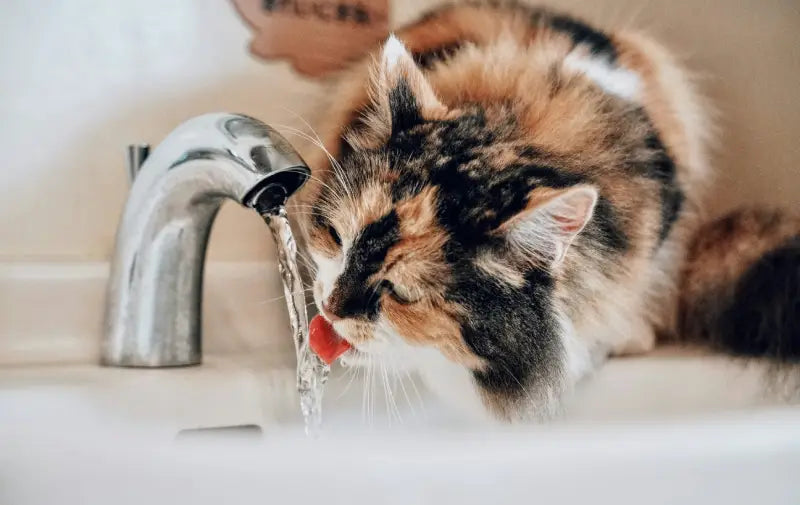
Watch a cat drinking water, and you’ll notice quick, delicate movements of the tongue. So, how do cats drink water with so little splashing?
A cat curls the tip of its tongue backward and lightly touches the water with the smooth upper surface. As the tongue pulls upward, water clings to it and rises into a small column. The cat then closes its mouth around that column before it falls back into the bowl.
The key is a balance between inertia and gravity: inertia keeps the water moving upward briefly, while gravity pulls it down. Researchers found that domestic cats average about four laps per second, timing each movement to capture the liquid. (Quote: MIT: The Surprising Physics of Cats’ Drinking)
Drinking Frequency and Behavioral Preferences
How often do cats drink water? There is no single daily number that applies to every cat. Some make several brief visits to the bowl, while cats eating moisture-rich meals may drink less visibly.
Rather than focusing only on how often a cat should drink water, consider total daily intake and changes from their usual routine. Keep fresh water available around the clock so your cat can drink whenever they choose.
Their drinking setup can also make a difference:
- Bowl size and shape: Try a wide, shallow bowl that provides comfortable access. Preferences vary, so there is no universal diameter that suits every cat.
- Material: Ceramic or stainless steel are practical options. Choose a bowl that is easy to clean, and wash it regularly.
- Placement: Offer water separately from food bowls and litter boxes. Several quiet, accessible drinking spots give your cat more choice.
- Moving water: Some cats enjoy a pet fountain, while others prefer still water. Offer both to see which your cat uses, and keep the fountain clean.
These adjustments reflect common feline preferences, but your own cat’s response should guide your choices.
A comfortable setup and consistent access to fresh water matter more than a fixed number of drinking sessions. Learn your cat’s normal habits, and contact your veterinarian if drinking noticeably increases or decreases.

Safe Liquids vs. Toxic Fluids: What Can Cats Drink?
Fresh, plain water is the best everyday drink for cats. Other liquids may contain ingredients that upset their stomach or cause poisoning, so check what you offer before filling the bowl.
What Do Cats Drink? Safe and Unsafe Beverages
What can cats drink safely? For daily hydration, choose clean water that meets local drinking-water safety standards. Filtered water and boiled, cooled drinking water are also options, although neither is automatically healthier than safe tap water.
| Liquid | Suitable for cats? | What to know |
|---|---|---|
| Fresh tap water | Yes, if safe to drink locally | Refresh regularly and keep the bowl clean. |
| Filtered water | Yes | Maintain the filter according to its instructions. |
| Boiled and cooled water | Yes, if the source is suitable | Serve at room temperature. Boiling does not remove salt or all chemical contaminants. |
| Unsalted, unseasoned meat broth | In small amounts | Choose broth without onion, garlic, leeks, or chives. Offer it as an occasional flavor addition, alongside plain water. |
| Cow’s milk | Not recommended |
Many cats cannot digest lactose well, which can cause diarrhea or stomach upset. |
| Salt water or seawater | No | Excessive salt intake can disrupt fluid balance and cause poisoning. |
Milk is not a necessary part of an adult cat’s diet. Even if your cat drinks it eagerly, that does not mean they tolerate it well. Plain water remains the simplest choice.
Can Cats Drink Salt Water or Sea Water?
Can cats drink salt water safely? Do not offer it as a drinking source. The same applies if you’re wondering whether cats can drink seawater: their ability to concentrate urine does not make ocean water an appropriate substitute for fresh water.
Excess sodium can raise blood sodium levels, pulling water out of cells and worsening dehydration. Significant exposure may cause vomiting, weakness, poor coordination, tremors, or seizures. The risk depends on how much salt is consumed, access to fresh water, and the cat’s health.
If your cat drinks a substantial amount of seawater or develops symptoms after exposure, contact a veterinarian immediately. Do not induce vomiting or force large amounts of water; serious sodium imbalances require carefully controlled treatment.
Can Cats Drink Alkaline Water or Water Supplements?
Can cats drink alkaline water? It is not necessary for routine hydration, and there is no established feline health benefit that makes it preferable to ordinary drinking water. Safety depends on the product’s pH, mineral content, and added ingredients—not simply the “alkaline” label. Plain drinking water is the more straightforward choice.
A water supplement for cats may help encourage intake if it is a feline-specific product your cat enjoys. However, flavored hydration products, lickable treats, and electrolyte solutions serve different purposes. A moisture-rich treat is not necessarily an electrolyte replacement or a treatment for dehydration.
Before giving cat electrolytes, ask your veterinarian whether supplementation is needed. The appropriate formula and amount depend on your cat’s condition, particularly if they have kidney or heart disease. Avoid adding salt yourself or substituting human sports drinks and electrolyte powders.
Keep fresh water available regardless of any supplement you use. Products that encourage drinking can support a daily routine, but suspected dehydration needs veterinary assessment.
Cat Dehydration Treatment: How to Hydrate a Cat
Supporting everyday hydration starts with accessible water and moisture-rich meals. However, if your cat is already dehydrated, drinking tips and feeding devices cannot replace veterinary treatment.
Practical Tips: How to Encourage Your Cat to Drink More Water
“How do I get my cat to drink water?” Start by making water easy to find and appealing to drink. A few small changes may help:
- Offer several water bowls. Place them in quiet, accessible areas so your cat has more than one comfortable drinking spot.
- Try a pet fountain. Some cats prefer moving water. Keep a regular bowl available, too, and clean the fountain according to its instructions.
- Refresh water regularly. Wash bowls daily and replace water whenever it becomes dirty.
- Add a little flavor. Try a small amount of liquid from tuna packed in water, choosing a product without added salt or seasonings. Offer plain water alongside it.
- Add moisture to meals. Wet food or water mixed into a suitable food can contribute to daily intake, provided your cat eats it.
Cornell’s Feline Health Center recommends accessible fresh water, moisture-rich food, and, for some cats, fountains or lightly flavored water to encourage intake.
If you’re researching how to hydrate a cat, remember that putting water on a cat’s fur does not restore lost body fluids. Avoid forcing water into their mouth, which can cause choking or aspiration.
Supporting Hydration Through Food: The Neakasa Riko Fresh-Made Wet Meal Feeder
Moisture-rich meals offer a practical way to help cats consume water while eating. Cats naturally obtain water from prey, and both complete wet food and properly rehydrated freeze-dried food can make dietary moisture part of their daily routine. Neither approach is universally the most effective; what matters is how much your cat actually consumes.
If you’ve wondered, “My cat doesn't drink water but eats wet food—is that enough?” meals may provide a substantial share of their needs. Continue offering fresh water and monitoring their overall intake.
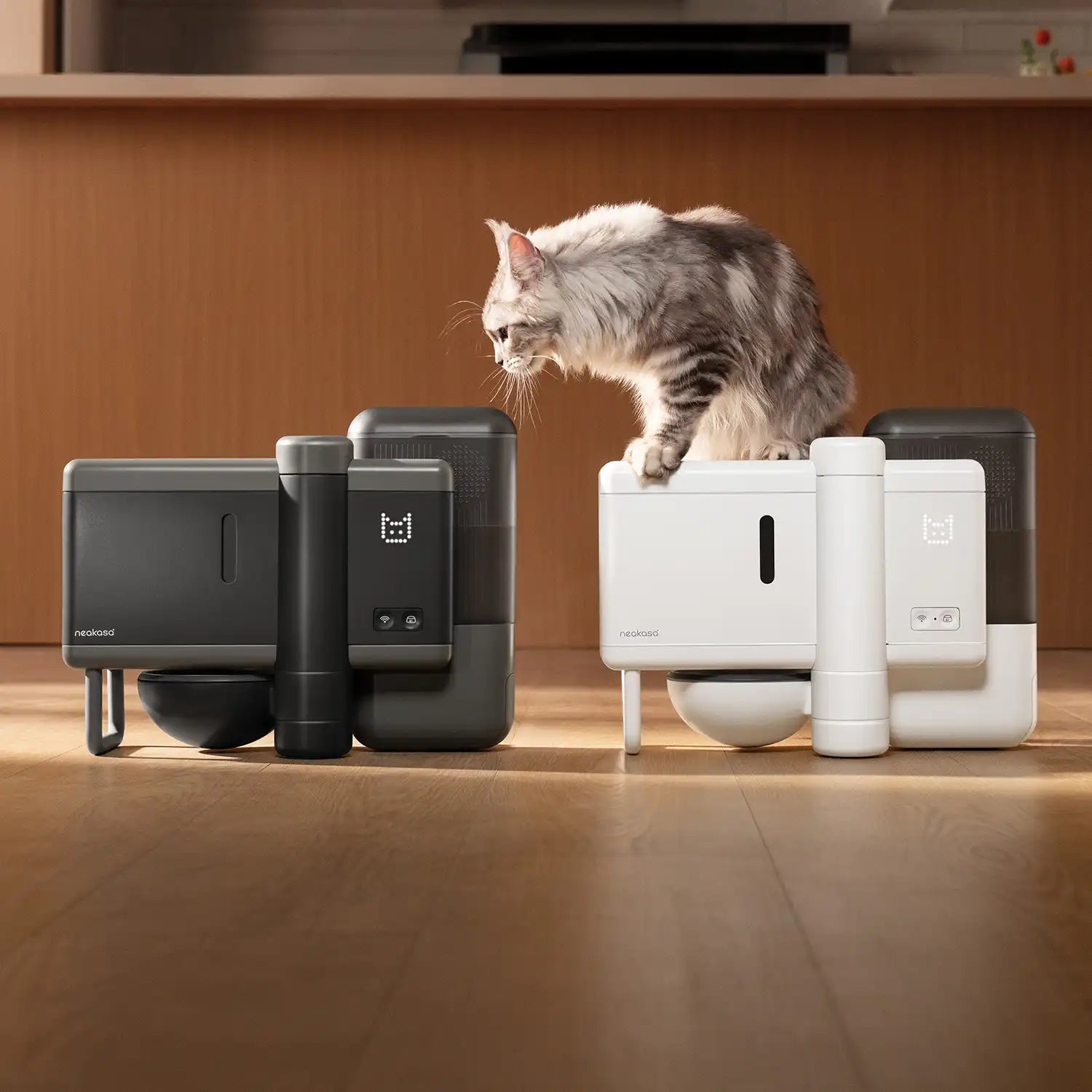
For households feeding compatible freeze-dried food, Neakasa Riko can make meal preparation more consistent. It prepares meals from dry freeze-dried food and water; it is not designed to dispense canned or pouched wet food.
Automated Freeze-Dried Rehydration
Riko stores compatible freeze-dried food dry, then grinds it, adds water, allows it to soak, and serves the prepared meal. Adjustable water-to-food settings help reduce repeated manual measuring.
If you’re unsure how much water to rehydrate dried cat food with, start with the food manufacturer’s directions and confirm compatibility with the feeder. Check the prepared texture before relying on scheduled meals, since different foods absorb water differently.
Dry Storage and Preparation at Mealtime
Riko’s approach is to keep food dry until preparation, reducing the need to leave an entire day’s rehydrated meals sitting out in advance. It uses room-temperature water and does not heat or refrigerate food.
Prepared leftovers still require timely removal, and food-contact parts need regular cleaning. Preparing a meal on schedule does not keep it fresh indefinitely after serving.
Scheduled Meals for Busy Owners
Scheduled portions can help owners offer moisture-containing meals during the workday. This may suit cats that readily eat rehydrated food but show little interest in plain water. Actual hydration still depends on how much your cat eats and drinks.

- Fresh-Made Meals with Automatic Grinding and Rehydration
- Adjustable Water-to-Food Ratio for Tailored Hydration
- Sealed Storage to Keep Freeze-Dried Food Fresh and Dry
- App-Controlled Portions, Feeding Schedules, and Smart Alerts
Veterinary Treatment for Dehydrated Cats
Cat dehydration treatment depends on the severity of fluid loss, the cat’s circulation, and the underlying cause. Contact your veterinarian promptly if you suspect dehydration, particularly if your cat has poor appetite, tacky gums, lethargy, or vomiting. Severe weakness or collapse requires emergency care.
Veterinarians may use two main approaches:
- Subcutaneous fluids (Sub-Q fluids): Fluids are delivered under the skin and absorbed gradually. They may be appropriate for selected stable cats with mild dehydration or an ongoing condition, under veterinary guidance.
- Intravenous fluids (IV fluids): Fluids enter directly into a vein, allowing closer control and monitoring. Cats with severe dehydration, poor circulation, or significant illness generally need this approach rather than relying on Sub-Q fluids.
Your veterinarian will also investigate why dehydration developed and tailor treatment accordingly. At-home Sub-Q fluids should only be given when prescribed and after hands-on instruction. Quote:Cornell Hydration
Fresh water, moisture-rich meals, and consistent feeding routines can support daily hydration. Suspected dehydration needs veterinary assessment, and severe cases require prompt clinical treatment.
When to See a Vet: Excessive Thirst and Underlying Diseases
A sudden increase in drinking deserves attention, especially if your cat is also urinating more. Excessive thirst, known as polydipsia, can signal an underlying health problem—even when your cat otherwise seems comfortable.
Conditions associated with increased thirst and urination include:
- Chronic kidney disease (CKD): As the kidneys lose their ability to conserve water effectively, cats may produce more dilute urine and drink more to replace lost fluids.
- Diabetes: Excess glucose in the urine draws additional water out of the body, increasing urination and thirst.
- Hyperthyroidism: An overactive thyroid can cause increased thirst alongside weight loss, increased appetite, and restlessness.
These conditions can increase water loss, so a cat that drinks heavily may still become dehydrated. Drinking more does not automatically mean the body contains too much water.
Keep a simple record of drinking and litter box habits. Note how much water you offer and refill, changes in urine clump size or frequency, and any changes in appetite, weight, or energy. Account for spills, shared bowls, and dietary moisture when estimating intake.
Contact your veterinarian if drinking suddenly increases or remains noticeably above normal. Do not restrict water to reduce urination. If your cat becomes severely weak, collapses, or repeatedly strains to urinate with little or no output, seek emergency veterinary care.
Conclusion
How much water does a cat drink a day? For a healthy adult cat, a useful starting point is about 0.7–0.9 fluid ounces per pound of body weight daily, including moisture from food. That puts a 10-pound cat at roughly one cup of total water each day, with individual needs varying by diet and health.
Supporting hydration means making water easy to access and paying attention to what your cat actually consumes. Offer clean bowls in comfortable locations, try a fountain if your cat prefers moving water, and consider moisture-rich meals. Plain, fresh water should always remain available.
For owners feeding compatible freeze-dried food, the Neakasa Riko Fresh-Made Wet Meal Feeder offers a convenient way to schedule rehydrated meals. By keeping food dry until preparation and adding room-temperature water at mealtime, it can help make dietary moisture a consistent part of your cat’s routine. It is designed for compatible freeze-dried food, rather than canned or pouched meals.
Finally, learn your cat’s normal drinking and urination patterns. Neither a feeder nor a water supplement replaces veterinary care. If intake changes noticeably or your cat seems unwell, seek advice promptly. Consistent daily care and early attention to changes are key to supporting healthy hydration.

Leave a comment
All comments are moderated before being published.
This site is protected by hCaptcha and the hCaptcha Privacy Policy and Terms of Service apply.