
You place an open and a covered litter box in the same room, expecting a clear winner. Instead, your cat uses both. This is normal: preference depends on the individual cat, box size, cleanliness, and accessibility.
In this guide, we weigh the pros and cons of both designs and share practical steps to help you choose the perfect setup.
- No universal winner: Some cats prefer open litter boxes, some prefer covered boxes, and many will use either when the setup meets their needs.
- Open-box strengths: More visibility, airflow, and room to move; highly beneficial for large, cautious, senior, or mobility-limited cats.
- Covered-box strengths: More visual privacy and better litter containment, suiting cats that willingly enter enclosed spaces.
- Size comes first: The box must provide enough room to enter, turn, dig, and position comfortably, regardless of the style.
- Cleanliness matters: Waste and odor can build up in any design. Regular cleaning remains the non-negotiable foundation of box acceptance.
- Let behavior decide: When possible, offer both styles and monitor use rather than assuming one design is automatically better.
Do Cats Prefer Open or Covered Litter Boxes?
There is no single litter box design that suits every cat. In fact, a published study on covered-versus-uncovered litter boxes found that most cats showed no overall preference as long as the boxes were kept clean (though a minority did prefer one specific style).
Your cat's preference will largely depend on their personality and your home environment:
- Open litter boxes: Appeal to cats that want a clear view of the room, easy monitoring of their surroundings, or a quick exit.
- Covered litter boxes: Appeal to cats that seek visual privacy and a more enclosed space.
- Household context: A setup that works for a young, agile cat may not be accessible enough for a large cat, a senior cat, or a cat living with other pets.
When to Look Beyond Design Preferences
If your cat suddenly stops using a previously accepted box, do not treat the problem as a simple design preference. Always take these steps:
- Investigate alternative causes: Review possible reasons a cat may poop outside the litter box. The AAFP and ISFM house-soiling guidelines emphasize considering environmental, social, and territorial factors.
- Consult a veterinarian: Always seek professional medical care when elimination changes are sudden, painful, or persistent to rule out underlying health issues.
Open vs. Covered Litter Boxes by Cat and Household Needs
Use this comparison as a starting point. Your cat's actual behavior should carry more weight than a general category.
| Cat or Household Need | When an Open Box May Help | When a Covered Box May Work |
|---|---|---|
| Needs visibility and an easy exit | An open design provides a wider view and more than one direction to look or move. | A roomy covered box may still work if the cat enters willingly and does not hesitate at the doorway. |
| Prefers privacy | A high-sided open box can offer partial visual screening without a full cover. | A covered box may suit a cat that consistently chooses quiet, enclosed toileting spaces. |
| Large body or needs more turning space | A spacious open box may provide fewer overhead and side restrictions while turning. | An oversized covered box may work if its interior and doorway are large enough for comfortable movement. |
| Senior or mobility-limited | A low, accessible entrance and unobstructed interior may reduce the effort required to enter and reposition. | A covered design may work when it has a low threshold, a wide doorway, and sufficient interior space. |
| Lives in a multi-cat home | Visibility may help a cat monitor the room, while multiple open boxes can provide more toileting options. | Some cats may value the visual separation of a covered box, provided other cats do not block its entrance. |
| Sensitive to odor buildup or enclosed spaces | Open designs allow more airflow and make it easier for owners to notice when cleaning is needed. | A covered box may still be accepted when it is cleaned frequently and the cat is comfortable inside it. |
For large, older, or less mobile cats, entry height can be as important as whether a box has a cover. This guide to choosing a senior cat litter box explains additional accessibility factors. Multi-cat households should also consider the number and distribution of boxes; see how many litter boxes cats may need.
🟢 Open-Top Litter Boxes
| ✅ Pros | ❌ Cons |
|---|---|
|
|
🔵 Covered & Top-Entry Litter Boxes
| ✅ Pros | ❌ Cons |
|---|---|
|
|
When a Covered or Top-Entry Box May Not Be Ideal
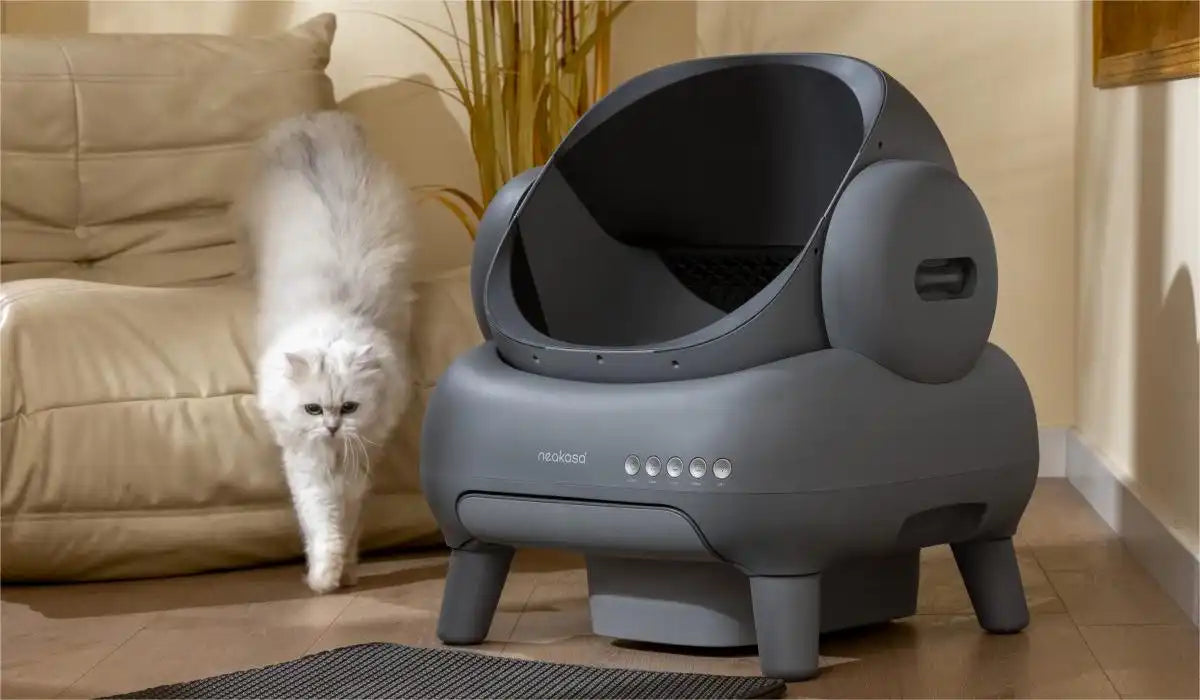
A covered or top-entry box may be less practical when a cat has difficulty stepping over a threshold, climbing through a top opening, or turning within a limited interior. Senior cats, cats with reduced mobility, and larger cats may need a lower entrance and more usable floor space.
Enclosed designs can also allow odor to accumulate between cleanings. A cat that is sensitive to concentrated smells or enclosed spaces may hesitate to enter. In multi-cat homes, a single doorway may create concern about the exit route if another cat tends to wait nearby.
Adjustment can take time when the shape, entrance, or litter changes. None of this means all cats dislike covered or top-entry litter boxes. Many use them comfortably when the box is large enough, clean, accessible, and introduced gradually. For a closer look at top-entry designs, see whether cats like top-entry litter boxes.
5 Steps to Choose Between an Open and Covered Box
Knowing the pros and cons is only half the battle. To find the setup your cat will actually prefer, you need to observe their habits and assess your home environment. Follow these five practical steps to make the right choice.
- Measure usable space: Look at the interior floor area, doorway, and entry height—not just the outside dimensions.
- Watch entry and turning: Your cat should be able to step in, turn, dig, squat, and leave without squeezing or crouching unnecessarily.
- Consider household traffic: Place the box where the cat has reliable access without loud appliances or frequent interruptions.
- Account for other cats: Provide enough boxes in separate locations so one cat cannot control access to every option.
- Offer a choice: If space allows, place an open and covered box in comparable locations, keep the litter familiar, and track voluntary use over several days. Do not judge preference after one visit.
Equipment Spotlight: Where the Neakasa M1 Plus Fits In
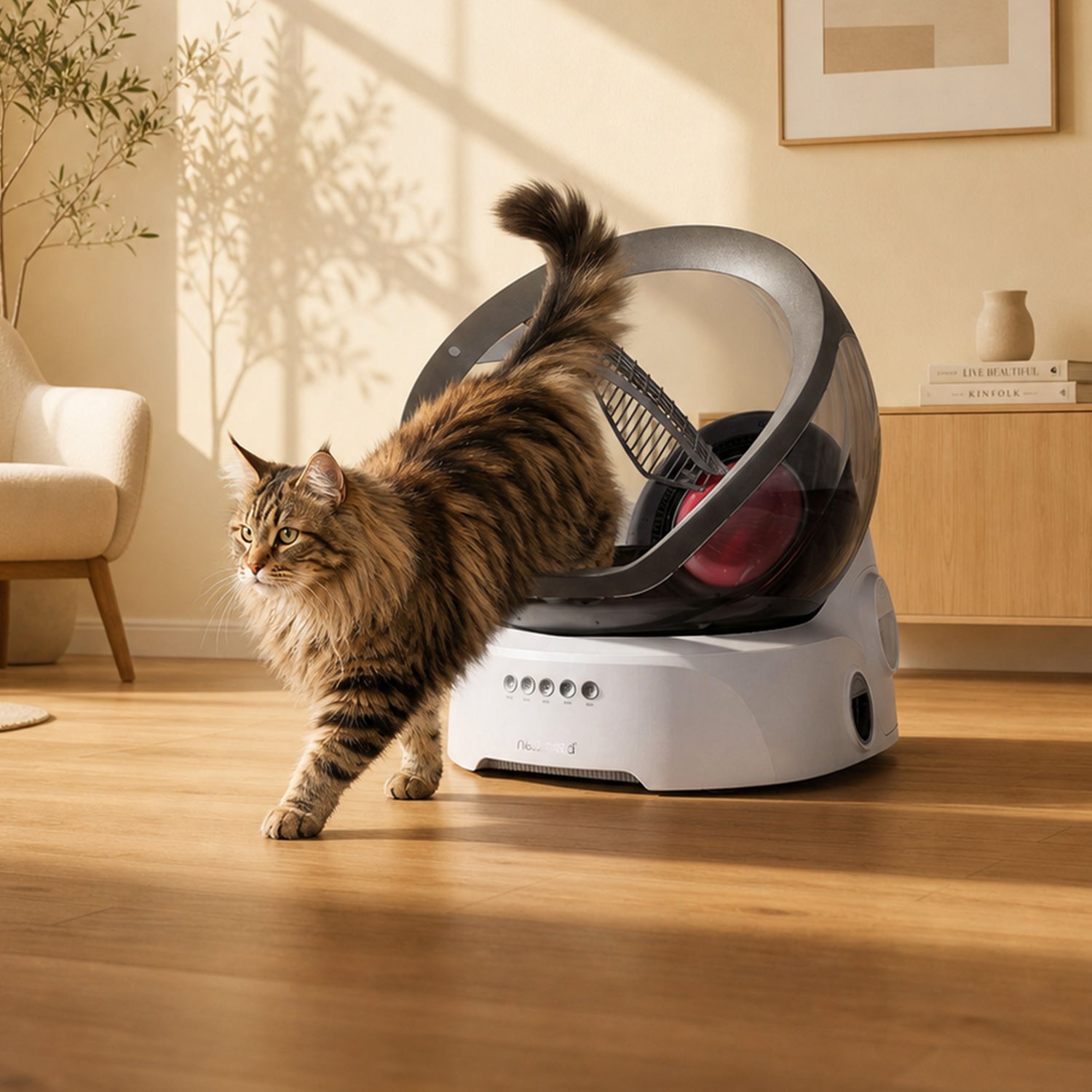
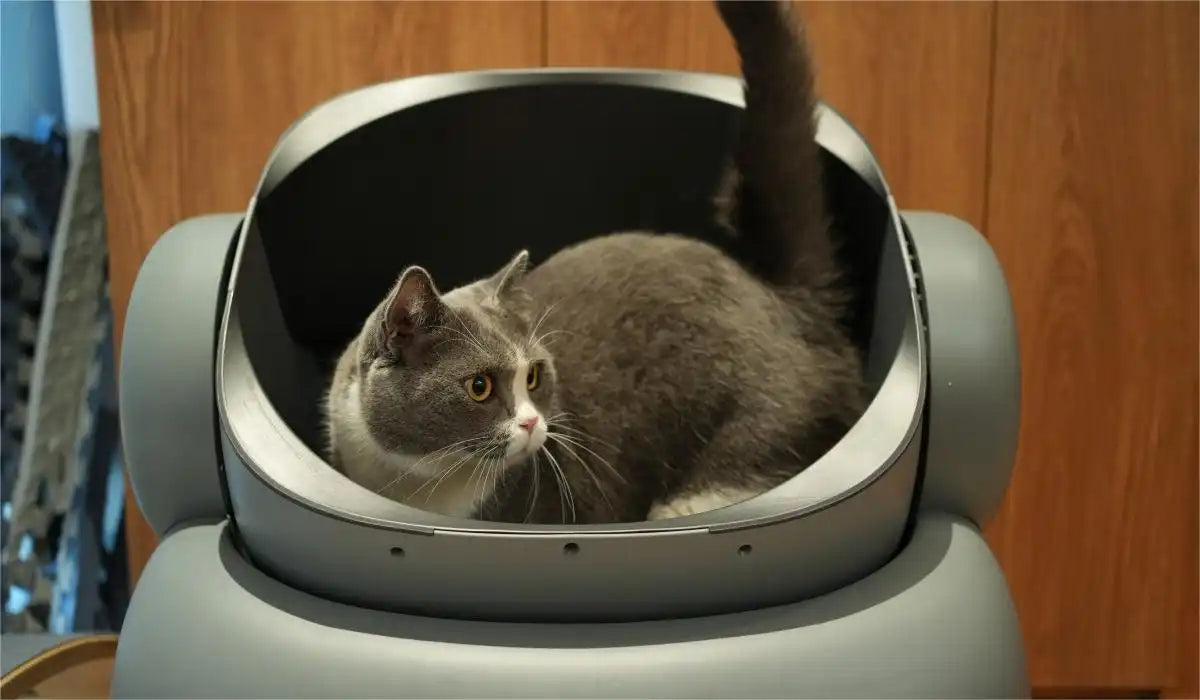
An open-top automatic option such as Neakasa M1 Plus may suit households whose cats benefit from more visibility, room to move, and a more consistent cleaning routine.
That positioning is conditional. The open-top format is not universally preferable, and no design can guarantee that a cat will feel comfortable. Cats that strongly seek privacy may prefer another setup, while senior or mobility-limited cats still need owners to evaluate entry height and movement carefully.
The M1 Plus should be considered as one open-top automatic option, not as a solution for medical or behavioral litter box problems. Its automatic waste removal may support a more consistent routine, but owners still need to maintain the unit, monitor actual use, and respond to changes in elimination.

- Enhanced sealing stops leaks, even for side-peeing.
- Self-cleaning removes waste without daily scooping.
- Open-top design ensures safety and easy access.
- Spacious interior fits cats, up to 33 lbs.
- Sealed bin locks odors for up to 14 days.
From $379.99
FAQs
Q: Do most cats prefer open or covered litter boxes?
A: Cats do not share one universal preference. Some favor open sightlines, some seek visual privacy, and others use either style. Box size, cleanliness, litter type, and location often influence use as much as the presence of a cover.
Q: Are open litter boxes better for large cats?
A: Generally, yes. An open box gives a large cat more room above the body and fewer side restrictions. However, the usable floor area still matters most—choose a box that allows comfortable turning and digging.
Q: Do covered litter boxes control odor better?
A: A cover may keep some odor from spreading into the room immediately, but it traps and concentrates smells inside the box, making it unpleasant for the cat. Frequent waste removal and ventilation are far more dependable odor-management practices.
Q: Are open litter boxes better for senior cats?
A: Some senior cats benefit from an open layout, but entry height is the most critical feature. Look for a low threshold, stable footing, and an accessible location.
Q: How can I tell which litter box my cat prefers?
A: Offer both styles side-by-side (or in similarly quiet locations) with the exact same litter and cleanliness level. Track their voluntary use for several days to see which one they naturally gravitate toward.
Final Verdict
Open litter boxes are not automatically better than covered litter boxes. They may be a stronger fit for cats that value visibility, airflow, easier entry, or more movement space. Covered boxes may suit cats that seek privacy and accept the doorway and interior comfortably.
Choose based on your cat's size, mobility, behavior, household dynamics, and actual pattern of use. The best evidence is not a marketing label—it is a clean, accessible setup that your cat chooses consistently.
Ultimately, choose based on your cat's size, mobility, behavior, household dynamics, and actual pattern of use. The best evidence is not a marketing label—it is a clean, accessible setup that your cat chooses consistently.


Leave a comment
All comments are moderated before being published.
This site is protected by hCaptcha and the hCaptcha Privacy Policy and Terms of Service apply.