

Every cat owner knows the daily struggle: hunching over a litter box with a tiny scoop, hunting for buried "treasure" like an archaeologist. It’s a chore we all wish was faster. This is where the sifting litter box promises a revolution.
But is it just a gimmick?
The short answer:
If you want to cut cleaning time by 50% or use budget-friendly pine pellets, a sifting litter box is absolutely worth the upgrade. However, for those sensitive to dust or heavy lifting, the decision is more complex.
In this guide, we break down the sifting litter box vs the regular debate to help you decide.
What is a Sifting Litter Box and How Does It Work?
Before we analyze the value, it is essential to understand the mechanics, as they differ significantly from the standard trays you might be used to.
The 3-Pan System Explained
Unlike a regular box, which is a simple basin, a manual sifting litter box typically uses a "sandwich" system consisting of three parts:
- Two Solid Pans: These hold the litter and catch the waste.
- One Sifting Pan (Grate): This is nested between or on top of the solid pans.
The concept is simple physics. Instead of scooping out clumps one by one, you lift the sifting pan. The clean litter falls through the holes into the solid pan below, while the waste remains on the grate to be dumped.
Manual Sifting vs. Automatic
It is essential to note that when people search for "sifting litter boxes," they typically refer to the manual plastic trays that cost between $20 and $40. However, the term also applies to high-end automatic litter boxes (like the Neakasa M1 Plus).
Both use sifting technology, but one requires your muscle power, while the other uses robotics. This article focuses primarily on the manual version, with a comparison to automatic solutions later on.
Sifting vs. Regular Litter Boxes: The Ultimate Showdown
Now for the main event: how do these two contenders compare in a head-to-head battle regarding your time and wallet?
1. Speed & Convenience (Winner: Sifting)
If speed is your priority, the sifting box is the clear winner. The difference in workflow is drastic:
- Regular Box (The "Hunt"): You spend 2–3 minutes scooping, shaking the shovel, and digging around to find hidden fragments.
- Sifting Box (The "Express Lane"): The process is consolidated into one fluid motion—Lift, Shake, Dump.
✅ Result: You can clean the entire box in less than 30 seconds, freeing up your morning routine.
2. Litter Usage & Cost Efficiency
This is where things get interesting. A sifting system offers two distinct ways to save money:
- Precision Separation: Unlike hand scooping, which often accidentally tosses out clean litter surrounding a clump, a sifter separates waste perfectly. This extends the life of your clay litter bag.
- The "Pine Pellet" Hack: This is the only system compatible with the sifting litter box for pine pellets method. Since pine pellets turn into sawdust when wet, the sifting pan allows the dust to fall through while keeping clean pellets on top.
✅ Impact: This method alone can save cat owners hundreds of dollars a year compared to expensive clay litter.
3. Hygiene & Odor Control
Why does a sifting box often smell better than a scooped one? It comes down to the thoroughness of the cleaning:
- No "Leftovers": A hand scoop inevitably misses tiny, dirty crumbles that slip through the cracks. A sifter processes the entire box every time you lift it.
- Bacterial Control: By removing these micro-particles that would otherwise sit and fester, you significantly reduce bacterial growth.
- Better Air Quality: Fewer dirty particles left behind mean noticeably better odor control over time.
Quick Comparison Table
| Feature | Regular Litter Box | Manual Sifting Litter Box |
| Cleaning Method | Hand Scoop (Manual) | Lift & Sift (Manual) |
| Time Required | 2-5 Minutes | 30-60 Seconds |
| Physical Effort | Low (Repeated wrist motion) | High (Lifting 10+ lbs at once) |
| Dust Level | Low | High (Due to large dumps) |
| Best For | Clumping Clay | Pine Pellets or Clay |
How to Use a Sifting Litter Box Properly (Step-by-Step)
Getting the most out of your purchase requires the right technique. Here is the standard workflow to ensure you don't make a mess:
-
The Setup
Stack the pans with the Sifter inside one Solid Pan. Fill with litter. Place the second Solid Pan underneath for stability (optional).
-
The Lift
When it's time to clean, slowly lift the Sifter Pan out of the Solid Pan. Do this over the box to catch falling litter.
-
The Shake
Gently shake the Sifter to let clean litter fall through the holes.
Tip: Avoid shaking too aggressively to prevent dust. -
The Dump
Toss the waste remaining in the Sifter into a trash bag.
-
The Reset
Place the empty Sifter into the second (empty) Solid Pan. Pour the clean litter from the first pan back over the Sifter.
The Hidden Downsides: 3 Reasons You Might Hate Sifting Litter Boxes
While the benefits are clear, it is important to look at the other side of the coin. Transparency is key, and there are specific reasons why some users switch back to regular plans.
1. The Weight Issue
Lifting a sifting pan isn't like lifting a scoop. You are lifting the entire weight of the litter—often 10 to 15 pounds—at once. For elderly owners, children, or anyone with back issues, this daily "deadlift" can be a deal-breaker.
2. The "Clogging" Nightmare
If your cat urinates directly on the grate or has loose stool, the waste can glue itself to the sifting holes. Cleaning a clogged grate is significantly more frustrating than washing a regular flat-bottom pan.
3. Dust Clouds
When you dump 10 pounds of litter through a sieve, it creates a significant dust cloud. If you or your cat have asthma, this sudden plume of silica dust can be hazardous.
The Solution: Keep the "Sifting," Remove the Work
If you love the idea of a sifting mechanism (saving litter and time) but hate the heavy lifting and dust clouds, this is where technology bridges the gap.
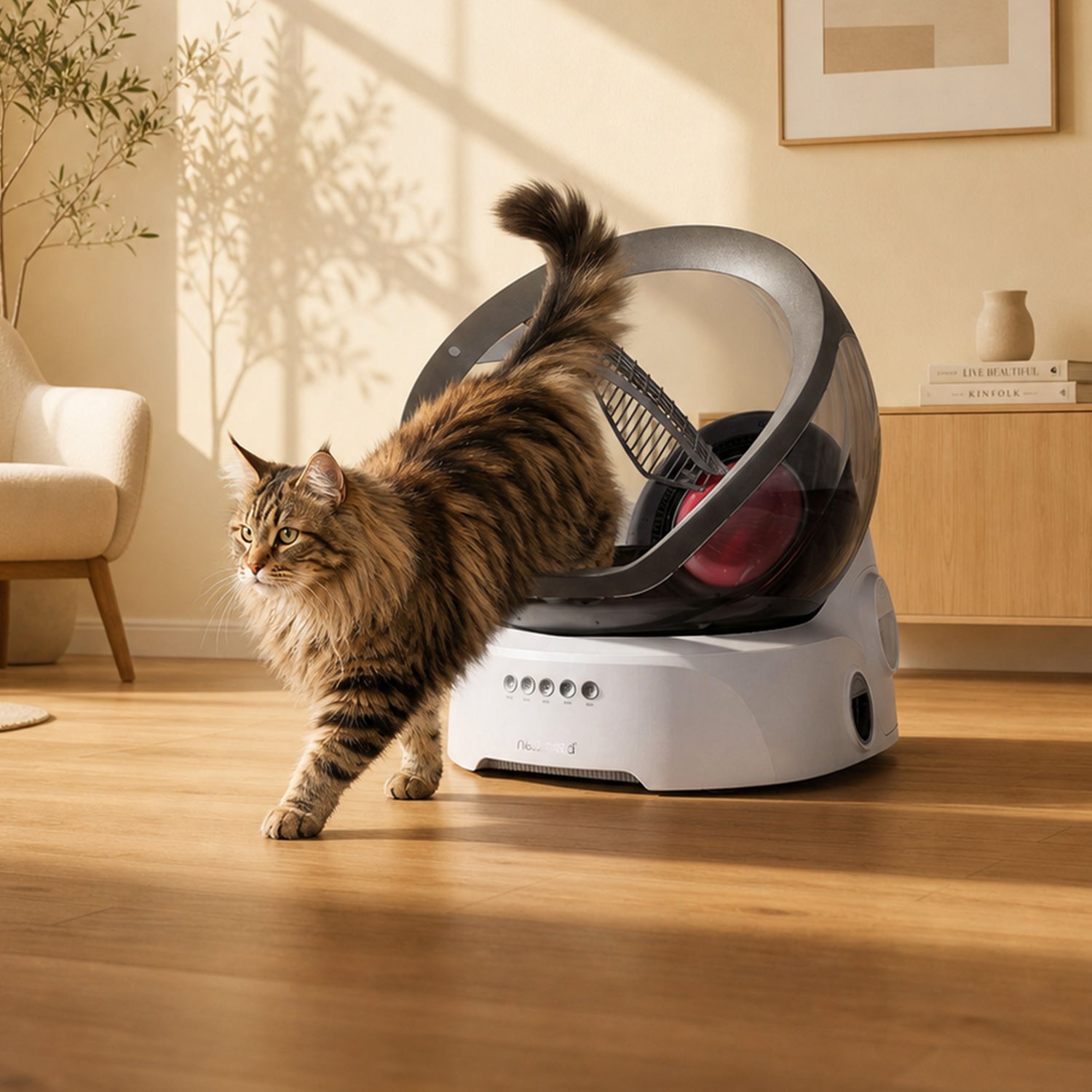
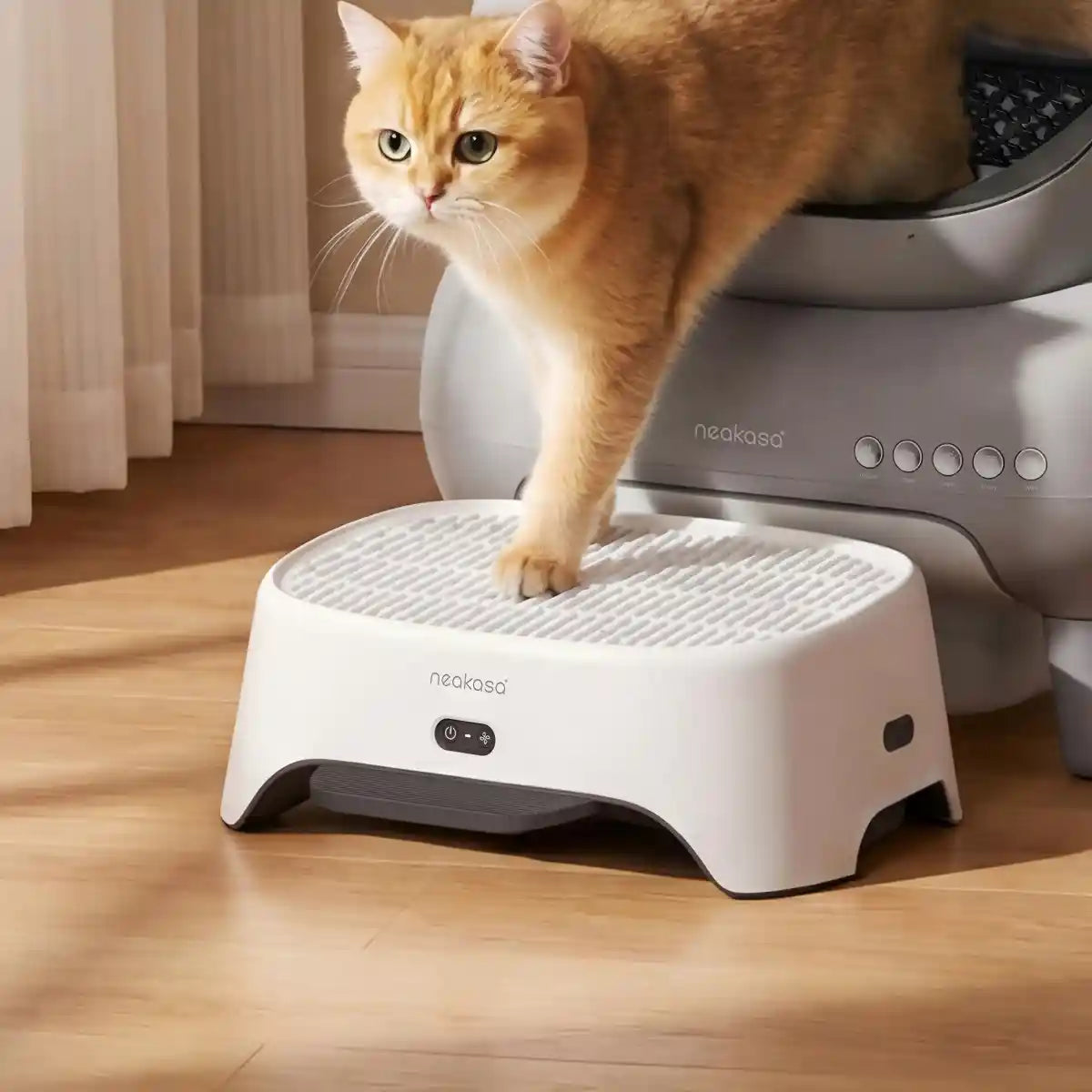
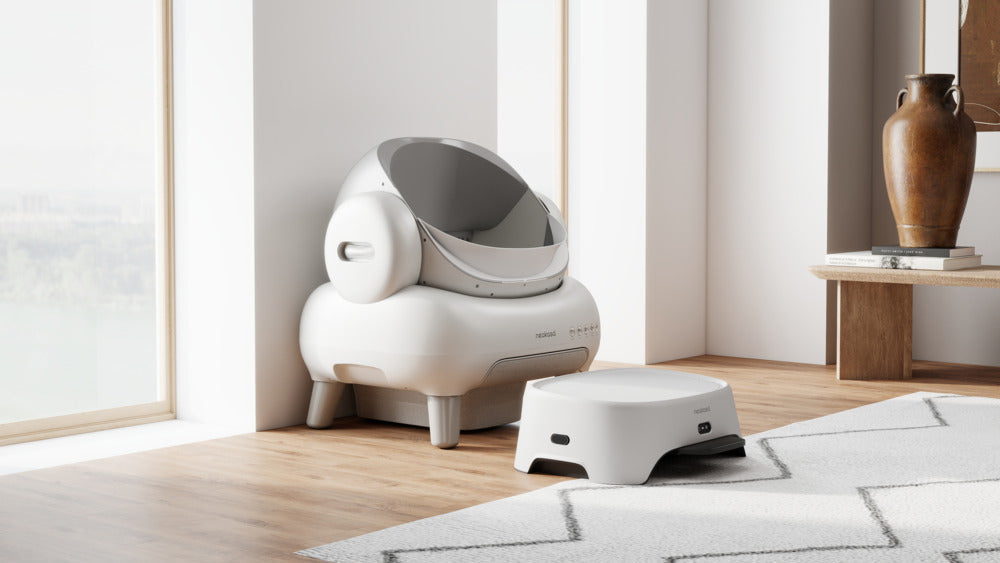
An Automatic Sifting Litter Box, such as the Neakasa M1 Plus, solves these exact downsides.
- No Lifting: The machine rotates to sift the litter automatically. You never have to bear the weight.
- Less Dust: Its slow, controlled rotation is much gentler than manually shaking a pan, keeping dust to a minimum.
- Open-Top Design: Unlike enclosed robots, the Neakasa M1 Plus maintains the open-top feel of a manual sifting pan, which cats prefer, but automates the dirty work.

For many, moving from a manual sifting pan to the Neakasa M1 Plus is the ultimate upgrade—keeping the efficiency of sifting without the physical labor.
FAQ for Sifting Litter Box
Q1. What is the best litter to use in a sifting litter box?
A1. It depends on your setup. Clumping clay litter works if the clumps are firm enough to stay intact when shaken. Many owners also use pine pellets, where sawdust falls through, and clean pellets remain on top.
Q2. Do sifting litter boxes actually reduce odor?
A2. Yes. By removing even small waste particles that scooping often misses, sifting boxes leaves less dirty litter behind, which helps reduce odors.
Q3. How often should I sift the litter box?
A3. Once a day is ideal. Sifting takes less than a minute and prevents buildup, keeping the box fresh.
Q4. Is an automatic sifting litter box worth the extra cost compared to a manual one?
A4. For busy households, multiple cats, or owners with back issues, yes. While manual pans are cheaper upfront, an automatic option like the Neakasa M1 Plus removes the chore entirely and uses litter more efficiently over time.
Final Verdict: Is the Upgrade Worth the Money?
To wrap things up, let’s look at the bottom line.
- Stick to a Regular Box if: You are on an extremely tight budget, have very lYurie Chenimited strength for lifting, or use non-clumping litter (like paper).
- Buy a Manual Sifting Box if: You use pine pellets (it is essential for this), or you are physically fit and want to drastically reduce the time spent "hunting" for clumps drastically.
- Upgrade to Neakasa M1 Plus if: You want the benefits of sifting (cleaner litter, no scooping) but want to avoid the heavy lifting and dust clouds. It is the premium solution for a scoop-free life.
The "sifting" method is superior to scooping—you just need to decide if you want to do the sifting yourself, or let a robot do it for you.


Leave a comment
All comments are moderated before being published.
This site is protected by hCaptcha and the hCaptcha Privacy Policy and Terms of Service apply.