

The automatic litter box market has evolved dramatically since 2020. What started as a luxury novelty is now a standard appliance, but not all self-cleaning robots are built the same.
In 2026, the market is dominated by four distinct technologies. Rather than looking at specific brands, the smartest way to choose is to understand which design mechanism fits your cat's personality and your home environment.
This guide analyzes the pros and cons of the major design categories available today.
The 4 Major Categories of Automatic Litter Boxes
| Type | Best For | Price Range | Mechanism |
|---|---|---|---|
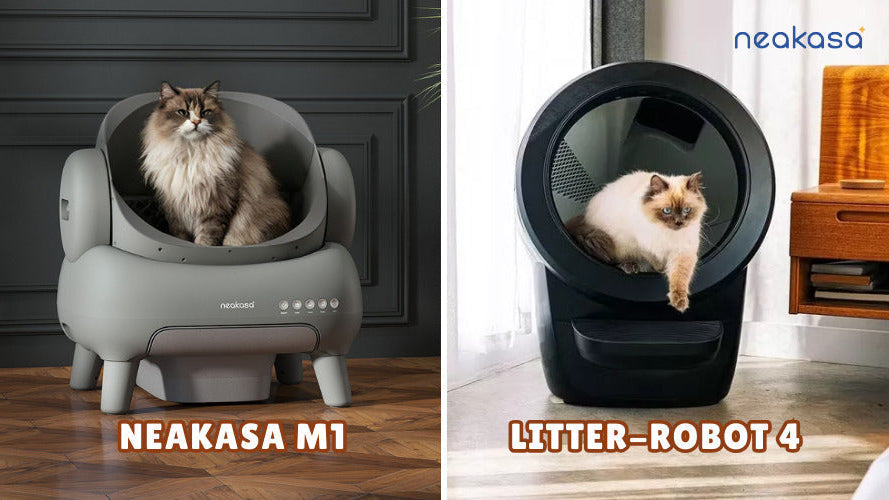
| 1. Enclosed Rotating Globes | High Odor Sensitivity | $500 - $900 | A drum rotates to sift waste into a drawer. |
| 2. Open-Top Sifting Systems | Large Cats & Safety | $350 - $600 | The entire cabin rotates or sifts, but remains open. |
| 3. Automatic Rake Systems | Budget Entry-Level | $150 - $250 | A mechanical rake sweeps waste into a trap. |
| 4. Plumbed Washing Systems | Eco-Friendly Homes | $400 - $500 | Washes granules with water; requires plumbing. |
1. Enclosed Rotating Globes (The "Cave" Style)
These units feature a round, enclosed globe that rotates to separate clumps.
-
The Good:
- Superior Odor Control: The enclosed structure naturally contains smells better than open designs.
- Privacy: Ideal for cats that prefer to do their business in a hidden "cave."
-
The Bad:
- Size Limits: The entry points can be tight. Large breeds (like Maine Coons) often feel cramped inside.
- Fear Factor: Shy cats may be intimidated by entering a dark, enclosed machine.
2. Open-Top Sifting Systems (The "Bucket" Style)
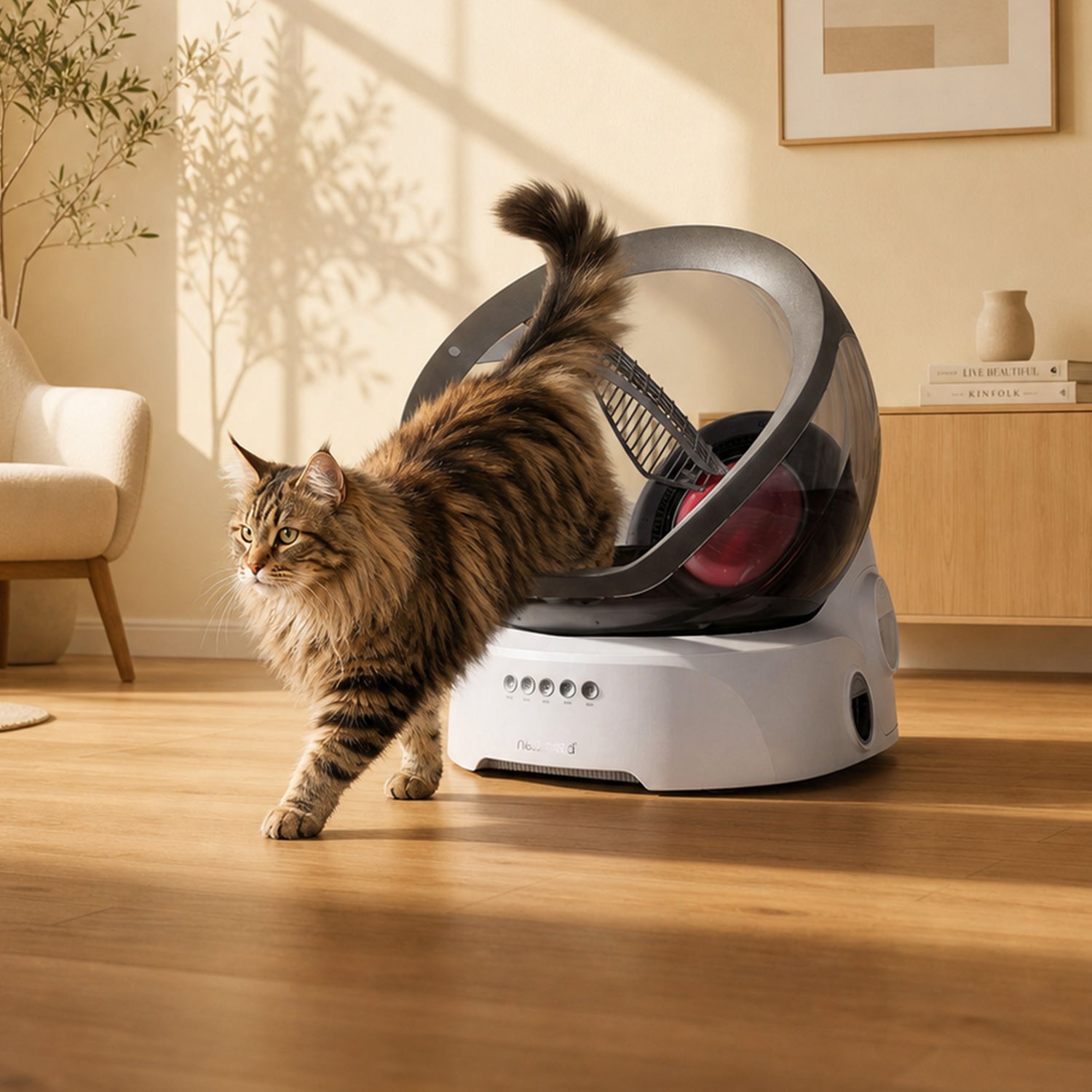
These units use a similar sifting technology to globes but remove the top cover, offering a "convertible" experience.

-
The Good:
- Zero Claustrophobia: Perfect for cats that are scared of enclosed spaces or roofs.
- Accessibility: Usually features a much wider opening, making it the #1 choice for large breeds (20lbs+) or elderly cats with mobility issues.
- Safety Perception: Owners can easily see the cat, and there is no risk of the cat feeling "trapped" inside.
- Flexible Consumables: Many models in this category allow the use of standard trash bags.
-
The Bad:
- Odor Exposure: Because there is no roof, odor control relies more on the quality of the litter used.
3. Automatic Rake Systems (The Tray Style)
A sensor triggers a mechanical rake that combs through the litter, pushing waste into a covered compartment.
-
The Good:
- Price: Typically the most affordable entry point into automatic cleaning.
- Footprint: Often rectangular and easier to fit in corners.
-
The Bad:
- Jamming Risks: Rakes can get clogged with wet clumps or messy waste.
- High Maintenance Cost: Many of these systems require proprietary disposable crystal trays, which can cost $20-$30 per month forever.
4. Plumbed Washing Systems
How it works: Uses washable granules instead of litter. It hooks up to your water line and flushes waste down the drain like a toilet.
-
The Good:
- Hygiene: Literally washes and dries the granules. No scooping, ever.
-
The Bad:
- Installation: Requires access to a laundry hookup or bathroom plumbing.
- Smell: Some users report a "baking" smell during the drying cycle.
Decision Tree: How to Choose the Right Type
Use this logic flow to decide which technology fits your home:
| Decision Factor | If Your Situation Is... | Recommended Model |
|---|---|---|
| 1. Cat's Personality | Anxious / Scared of Caves | Open-Top Sifting System |
| Likes Privacy / Hiding | Enclosed Rotating Globe | |
| 2. Cat Size | Giant Breed (20+ lbs / Maine Coon) | Open-Top Sifting System (More space) |
| Average Cat (Under 18 lbs) | Enclosed Rotating Globe | |
| 3. Budget Strategy | Lowest Upfront Price | Automatic Rake System |
| Lowest Long-Term Cost | Open-Top System (Uses generic bags) | |
| 4. Odor Sensitivity | Willing to do Plumbing | Plumbed Washing System |
| Plug-and-Play | Any Rotating System |
2026 Market Verdict
The market is currently seeing a significant shift toward Open-Top Designs.
While enclosed globes have been the standard for years, veterinarians and behaviorists increasingly recommend Open-Top Systems because they mimic a cat's natural instinct to scout their surroundings while vulnerable.
For multi-cat households or owners of large breeds, the open design often provides a safer, stress-free acceptance period compared to enclosed "caves."

Leave a comment
This site is protected by hCaptcha and the hCaptcha Privacy Policy and Terms of Service apply.