
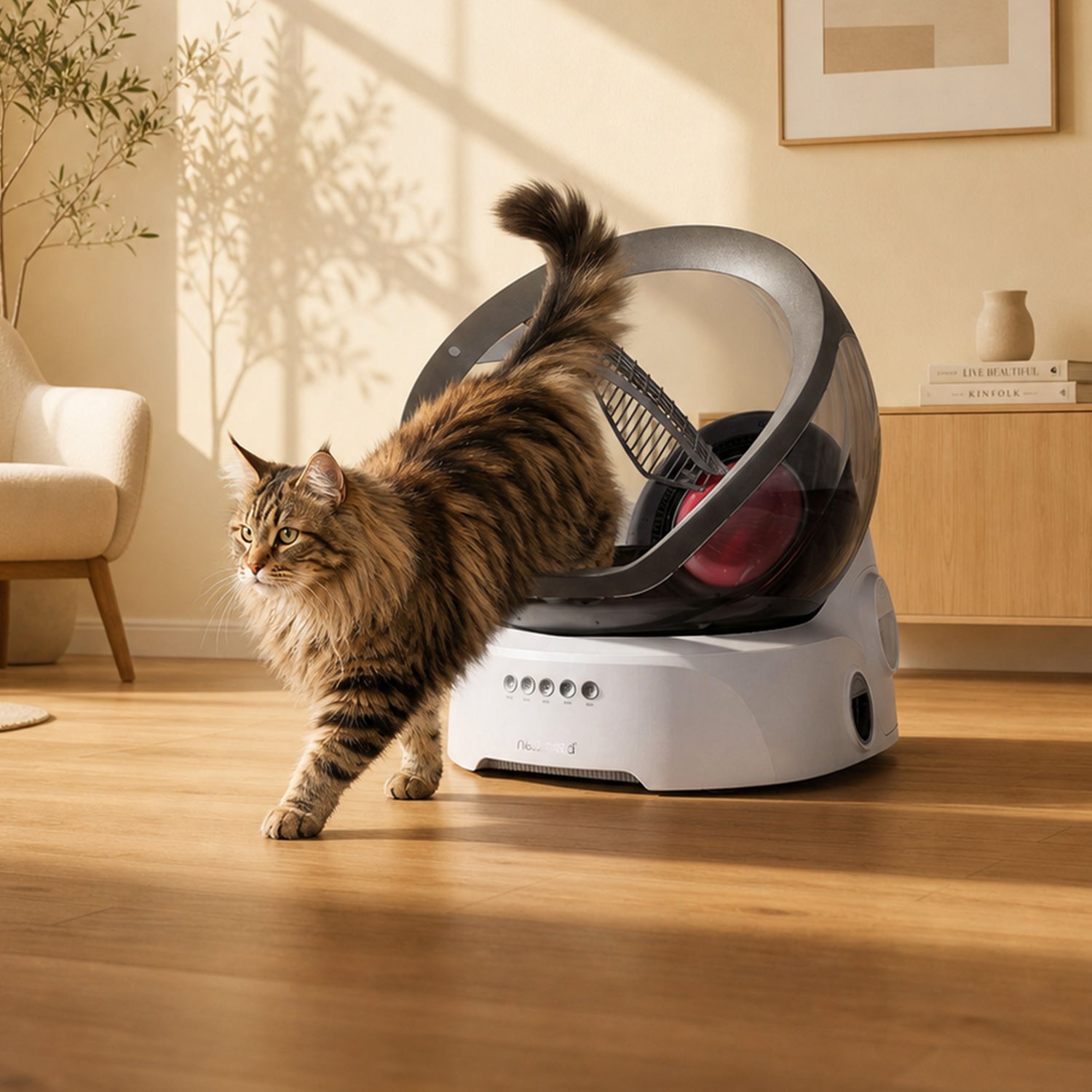
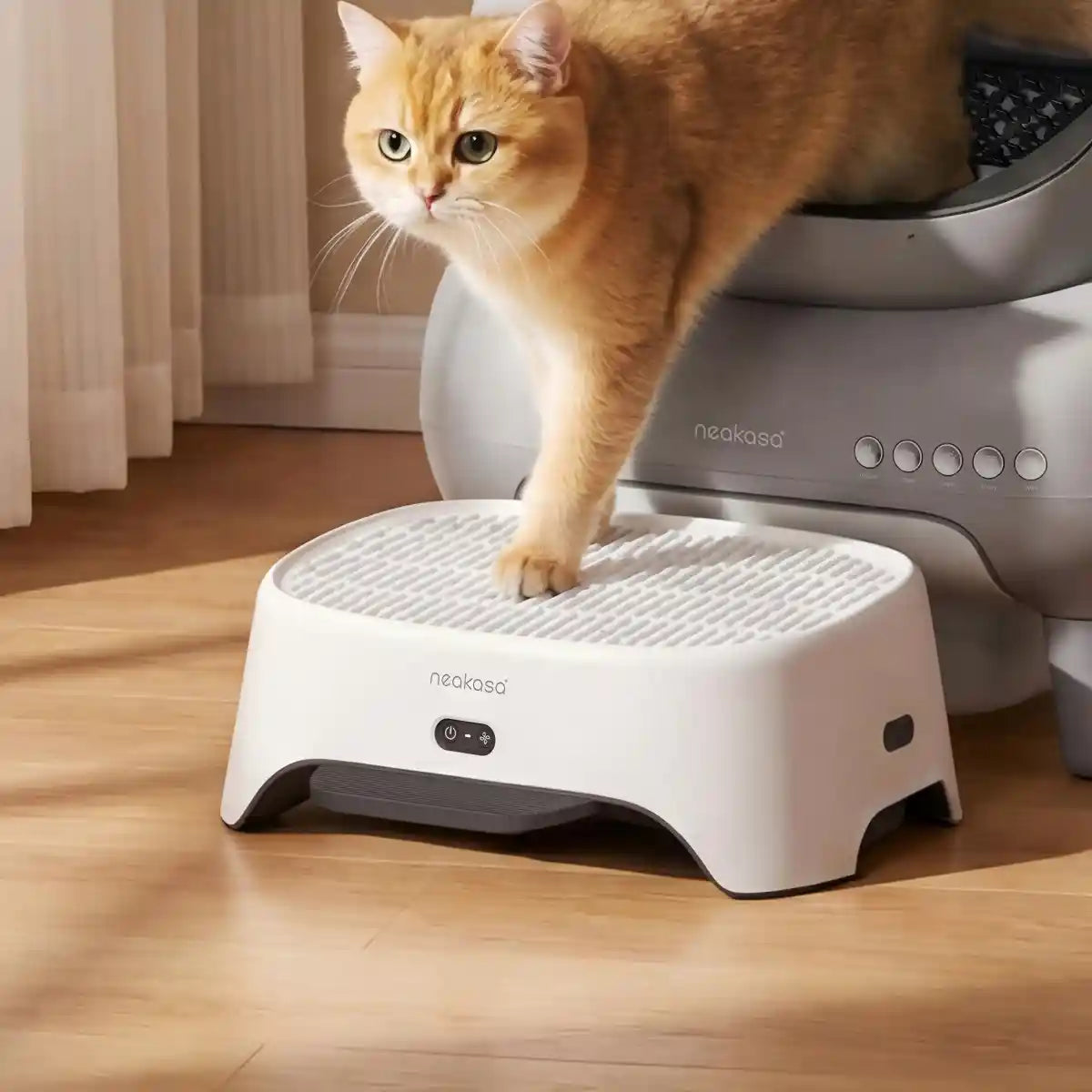
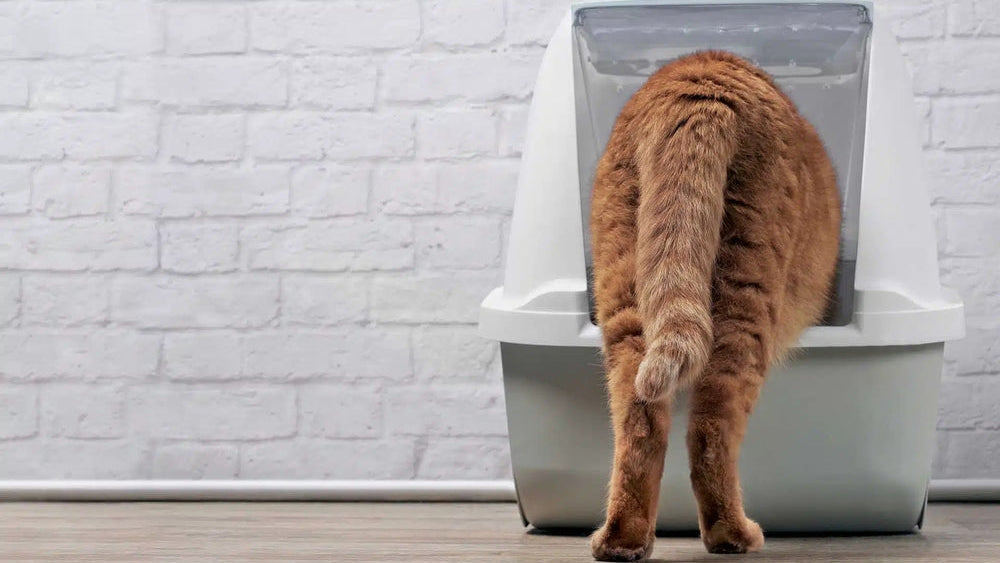
The debate between open-top and enclosed litter boxes is far more nuanced than personal preference. Feline behavioral science, veterinary research, and multi-cat household dynamics all factor into which design is genuinely better for your specific situation.
This guide explores the scientific evidence, addresses common misconceptions, and helps you understand how litter box design impacts your cat's stress levels, health, and behavioral patterns.
What the Science Actually Says About Litter Box Design
Multiple peer-reviewed studies in feline behavior research have examined litter box design preferences. Here are the key findings:
Study 1: Ellis et al. (2015) - Journal of Feline Medicine and Surgery
This comprehensive study found that 60-70% of cats actively preferred open or open-top litter boxes when given a choice between covered and uncovered options. The study included 147 domestic cats in various household settings.
Study 2: Stress Assessment & Cortisol Levels
Stress assessment studies measure cortisol levels (stress hormone) in cats using different litter box designs.
- Multi-cat households (36% higher stress)
- Anxious or previously abused cats (42% higher stress)
- Larger cat breeds (19% higher stress)
Study 3: Behavioral Observation & Avoidance
Behavioral observation studies track litter box avoidance patterns.
Why Design Matters More Than You Think
-
1. Natural Instinct Factors
Cats in the wild naturally use exposed areas for elimination, not enclosed spaces. This is because enclosed spaces leave them vulnerable to predators. While domestic cats have lost many wild instincts, this defensive behavioral pattern remains hardwired. -
2. Visual Safety
From an evolutionary perspective, cats prefer to maintain visual awareness while in a vulnerable position. Open-top designs allow cats to see threats while keeping their posterior protected—a key survival mechanism. -
3. Odor and Airflow
Open designs have better natural ventilation. Ammonia buildup—which occurs faster in enclosed boxes—is a known stressor for cats and can contribute to litter box avoidance. -
4. Escape Routes
Cats appreciate the ability to exit quickly if needed. Multi-cat households, in particular, benefit from open designs because subordinate cats don't feel trapped when using the box.
When Enclosed Litter Boxes Actually Work Better
Despite the research favoring open designs, enclosed boxes aren't universally bad. They work well for:
- Single-Cat Households with Specific Preferences: Some individual cats—possibly due to unique personality or early socialization—genuinely prefer enclosed spaces. If your cat shows no signs of stress, enclosed boxes are acceptable.
- Odor-Sensitive Environments: Enclosed designs do contain odor more effectively. If you're in a small apartment with poor ventilation, the trade-off might be worth considering, especially if your cat shows no behavioral stress indicators.
- Aesthetic Preferences: Some owners simply cannot accept the appearance of an open-top litter box in their home design. This is a valid human preference, though it may not be optimal for the cat.
Critical Concern: Large Cats and Enclosed Boxes
This is where design choice becomes genuinely important. Large cat breeds like Maine Coons, Ragdolls, and Bengals often struggle with standard enclosed boxes for a simple reason: they're too big.
According to veterinary research guidelines, enclosed boxes should be 1.5 times the cat's length. For a 20-pound Maine Coon measuring 18-24 inches, this means an enclosed box needs to be 27-36 inches long. Most standard enclosed boxes are only 18-22 inches.
The result? Large cats experience actual physical discomfort and stress when using undersized enclosed boxes. Open-top designs, which tend to be larger, don't suffer from this problem.
Science-Based Recommendation Summary
- For most households: Open-top designs are scientifically superior based on stress reduction, behavioral outcome data, and feline natural instincts.
- For multi-cat homes: Open-top designs are essentially mandatory to prevent litter box avoidance in subordinate cats.
- For large breeds: Open-top designs are critical for physical comfort and psychological well-being.
- For anxious/previously abused cats: Open-top designs significantly reduce stress markers and improve behavioral outcomes.
The only circumstance where enclosed boxes are scientifically justifiable is single-cat homes where your specific cat has demonstrated (through behavioral observation) a genuine preference for enclosed spaces AND your cat shows no stress indicators.


Leave a comment
This site is protected by hCaptcha and the hCaptcha Privacy Policy and Terms of Service apply.