
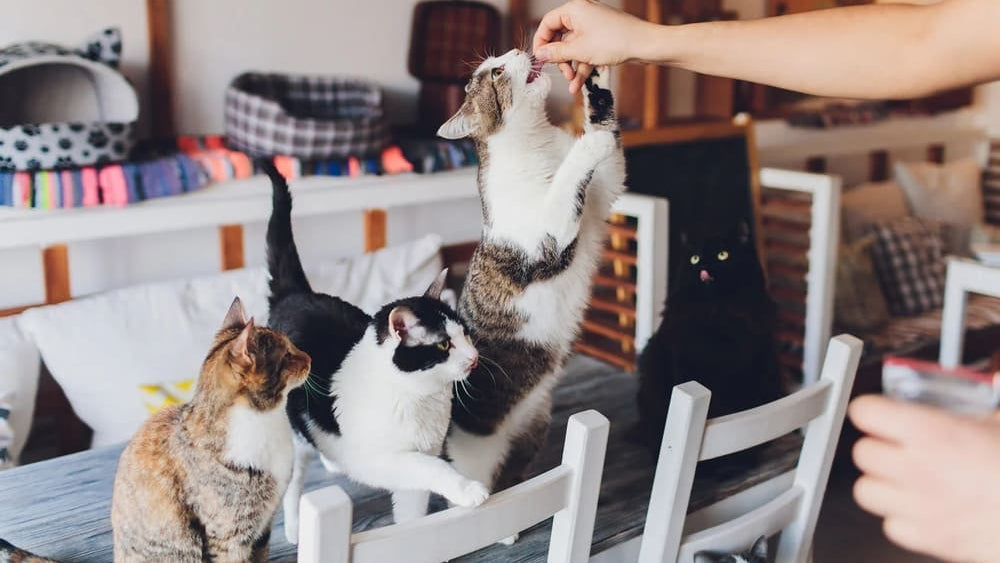
Living with multiple cats brings endless joy, but seasoned owners know it also brings a unique set of logistical challenges. From the "whodunit" mystery of finding health issues in a shared litter box to managing subtle territorial tensions, the dynamics of a multi-cat home are complex.
With 34% of pet-owning households now managing more than one cat, the demand for smarter solutions is higher than ever. Multi-cat owners don't just need more toys or larger scratching posts; they need solutions that reduce stress, save time, and ensure the health of every individual pet.
In this guide, we’ll explore how to reduce household friction and choose the right "conflict-free" equipment.
Understanding the Unique Needs of Multi-Cat Homes
Managing a clowder requires more than just buying extra food. The stress levels in multi-cat households often stem from specific "group dynamic" issues that single-cat owners rarely face.
To maintain a harmonious home, owners need to address three critical pain points:
- Complex Health Monitoring: When one cat is sick, identifying which one needs a vet visit is often a guessing game.
- Territorial Conflicts: Cats often guard resources, leading to litter box avoidance and behavioral issues.
- Time & Odor Management: The waste multiplies, making odor control and cleaning a significant daily burden.
Tier 1: The Premium Gift for Multi-Cat Harmony
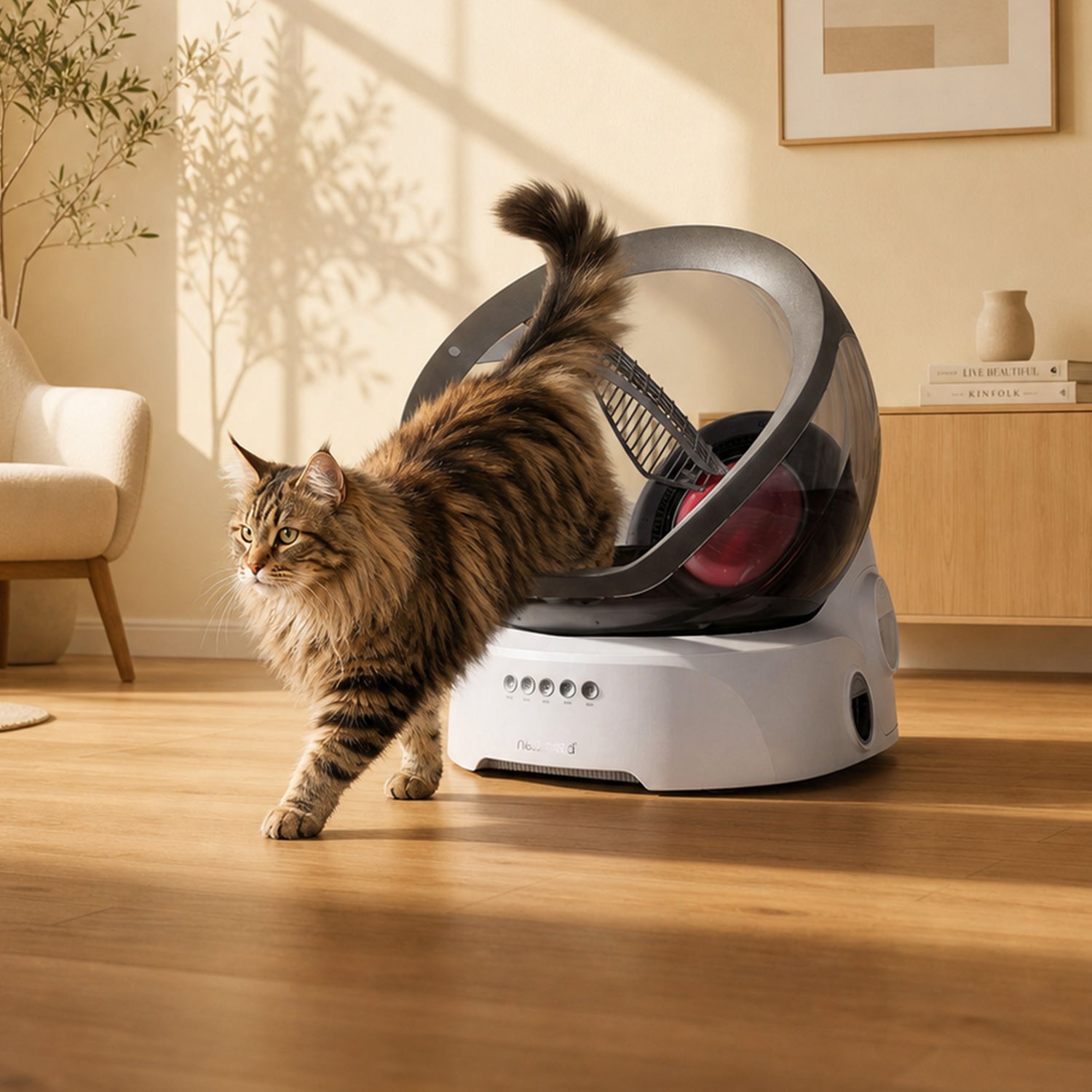
After evaluating the market, the Neakasa M1 Smart Litter Box emerges as the best choice for households with multiple cats. It is not just an automated cleaner; it is a comprehensive management system designed to handle the intricate dynamics of up to three distinct cats.
Neakasa M1 vs. Traditional Automatic Boxes: A Multi-Cat Comparison
When managing multiple cats, not all smart boxes are equal. The Neakasa M1’s open-top design is specifically advantageous for multi-cat dynamics compared to enclosed "globe" style boxes (like the Litter-Robot), which can cause resource guarding.
| Feature | Neakasa M1 (Open-Top) |
Traditional Enclosed Boxes | Benefit for Multi-Cat Homes |
| Conflict Reduction | High (360° Visibility) | Low (Single entry point) | Prevents dominant cats from “trapping” others inside. |
| Cat Identification | Precision Weight Sensors | Often varies by model | Ensures accurate health data for each specific profile. |
| Access for Large Cats | Easy (Unrestricted top) | Limited by globe size | Ideal for homes with mixed breed sizes (e.g., Maine Coons). |
| Cleanliness Check | Instant Visual | Hidden inside | Owners can spot issues immediately without needing to open a drawer. |
| Waste Capacity | 11L (Large Bin) | Varies (often smaller) | Supports 2 cats for ~10 days without emptying. |
Key Technologies for Household Harmony
1. Individual Cat Recognition
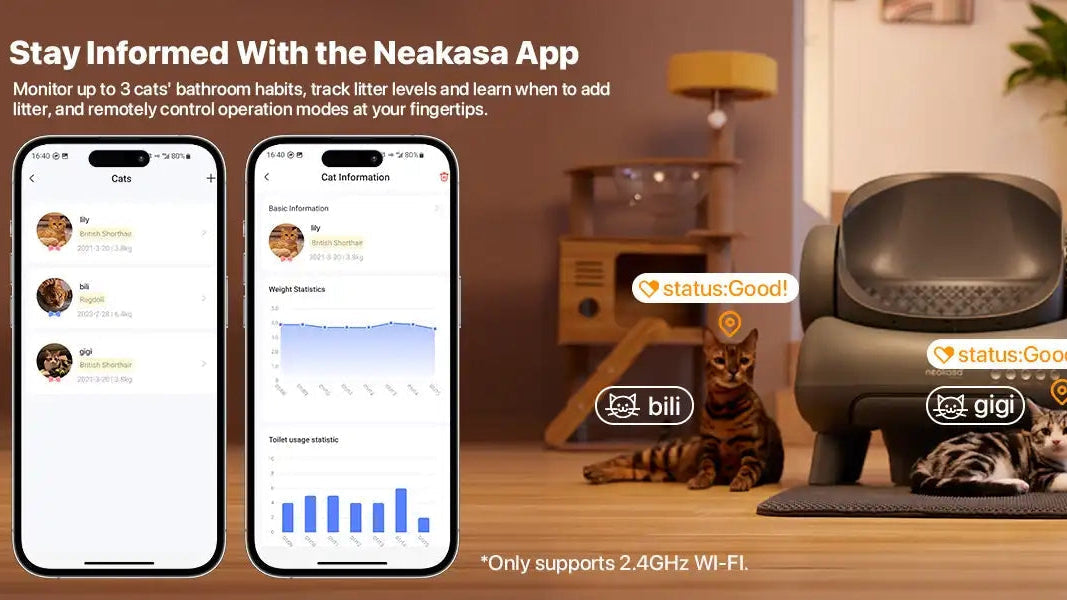
The most critical feature for multi-cat homes is the ability to tell pets apart. The Neakasa M1 utilizes advanced weight sensors and AI algorithms to identify up to 3 different cats.
- Why It Matters: It builds a separate profile for each pet. You no longer look at generic data; you see exactly how "Luna" is doing compared to "Oliver."
- The Benefit: This solves the "mystery" of data attribution, ensuring that small cats and large cats are tracked accurately.
2. Targeted Health Monitoring Per Cat
In a group setting, health issues often go unnoticed until it’s too late. The Neakasa M1 tracks frequency, duration, and weight trends for each specific profile.
- Early Detection: If one cat develops a urinary issue (common in high-stress multi-cat environments), the app alerts you immediately.
- Actionable Insight: The system identifies exactly which cat is showing symptoms (e.g., increased frequency), significantly advancing diagnosis timelines.
3. Conflict Identification and Behavioral Monitoring
One of the subtle signs of multi-cat tension is resource guarding—where a dominant cat blocks another from using the box, or a timid cat waits until the coast is clear. By analyzing entry patterns and duration, the Neakasa M1 helps owners:
- Monitor for Territorial Dominance: See if one cat is "guarding" the box.
- Prevent Avoidance: Spot if a specific cat has stopped using the box before they start eliminating on your carpet.
- Target Interventions: Use data to decide if you need to change the box location or add resources.
4. Substantial Odor Management
With multiple cats, odor control isn't a luxury; it's a necessity. The Neakasa M1 features a fully open-top design—which cats naturally prefer for safety and escape routes—combined with an advanced waste containment system.
This ensures that the increased volume of waste doesn't translate to increased smell in your living space.
Real-World Scenarios: Who Needs the Neakasa M1?
How does this technology fit into daily life?
- The "Mixed" Household: If you have one senior cat (prone to CKD) and one active kitten, the M1’s individual profiling allows you to track the senior’s bathroom frequency without the kitten’s data skewing the results.
- The "Frequent Traveler": With a huge 11L waste bin, the M1 can support two cats for up to a week autonomously. The app alerts ensure you know exactly when the bin is full, so you can coordinate with your pet sitter only when necessary.
- The "Bully" Dynamic: In homes where one cat stalks another, the M1’s open-top design removes the fear of being cornered. Timid cats are more likely to use a box where they can see their surroundings, significantly reducing accidents outside the box.
Cost Justification: Why It’s Worth the Investment
For a multi-cat owner, a smart litter box is a significant financial commitment. However, when viewed as a long-term health and wellness tool, the ROI (Return on Investment) is clear. The Neakasa M1 delivers specific value by:
- Solving 70% of Litter Issues: Automating the heavy lifting of scooping and odor control.
- Preventing Costly Vet Visits: Early detection of health trends means treating issues before they become emergencies.
- Reducing Household Conflict: A consistently clean box reduces resource competition, improving the relationship between your cats.
FAQs for Multi-Cat Owners
Q1. How does the Neakasa M1 tell my cats apart?
A1. The unit uses advanced weight sensors to distinguish cats based on their unique weight profiles. If two cats are similar in weight (within +/- 1lb), the app allows you to manually correct and "teach" the algorithm, which improves accuracy over time.
Q2. Can two cats use it at the same time?
A2. No. For safety, the sensors detect presence and will pause any cleaning cycle instantly if a cat approaches. The open design allows a second cat to wait nearby without blocking the exit, reducing aggression.
Q3. How often do I need to empty the bin for 3 cats?
A3. For a household with 3 average-sized cats, expect to empty the waste bin every 3-4 days. This is significantly better than the daily scooping required for traditional boxes.
Conclusion
For the multi-cat household, technology like the Neakasa M1 is more than a convenience—it is a tool for relationship management. It empowers owners with individual data, reduces the daily chore load, and most importantly, helps keep the peace between pets.
When choosing a gift for a home with multiple felines, prioritize solutions that deliver peace of mind, actionable health insights, and a cleaner, happier home.

Leave a comment
This site is protected by hCaptcha and the hCaptcha Privacy Policy and Terms of Service apply.