
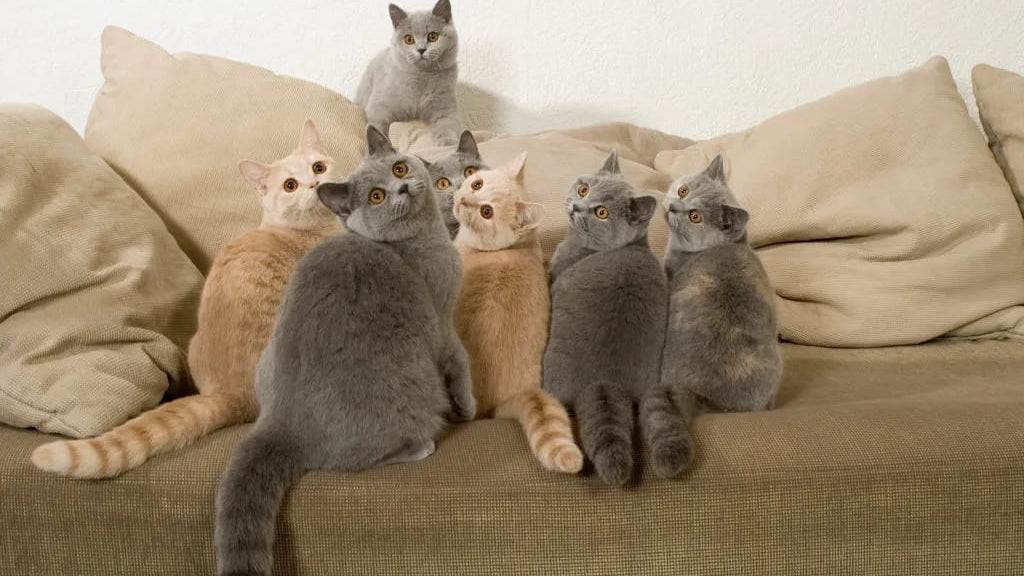
Owning one cat is a joy; owning three is a logistical challenge. As the number of cats grows, so do the problems: odor multiplies, scooping becomes a chore, and worst of all—when you find a health issue in a shared box, you have no idea which cat is sick.
23% of owners have 3+ cats, and the statistics paint a stressful picture:
- 45% experience litter box conflicts.
- 38% struggle with unmanageable odor.
- 52% find health monitoring impossible.
- 67% are actively seeking a better solution.
While the market is flooded with automatic boxes, most standard units fail because they are "blind" to individual users. Here is how the Neakasa M1 uses precise recognition technology to finally solve the multi-pet puzzle.
1. Why Standard Automatic Boxes Fail in Multi-Cat Homes
Many owners invest in expensive robots only to find their problems persist. The core issue? Most machines are "blind."
Standard automatic litter boxes are designed to scoop waste, but they cannot distinguish between users. In a multi-cat home, this creates critical blind spots:
- Impossible Health Tracking: You can't tell which cat is urinating too frequently (a sign of kidney issues) or who is constipated.
- Unknown Conflict Sources: The machine cleans up the mess but can't tell you which cat is guarding the box or which subordinate cat is avoiding it due to stress.
- Guesswork Medicine: Without individual baseline data, feeding adjustments and early disease detection become a guessing game.
2. The Neakasa M1 Breakthrough: 94% Accurate Multi-Cat Recognition
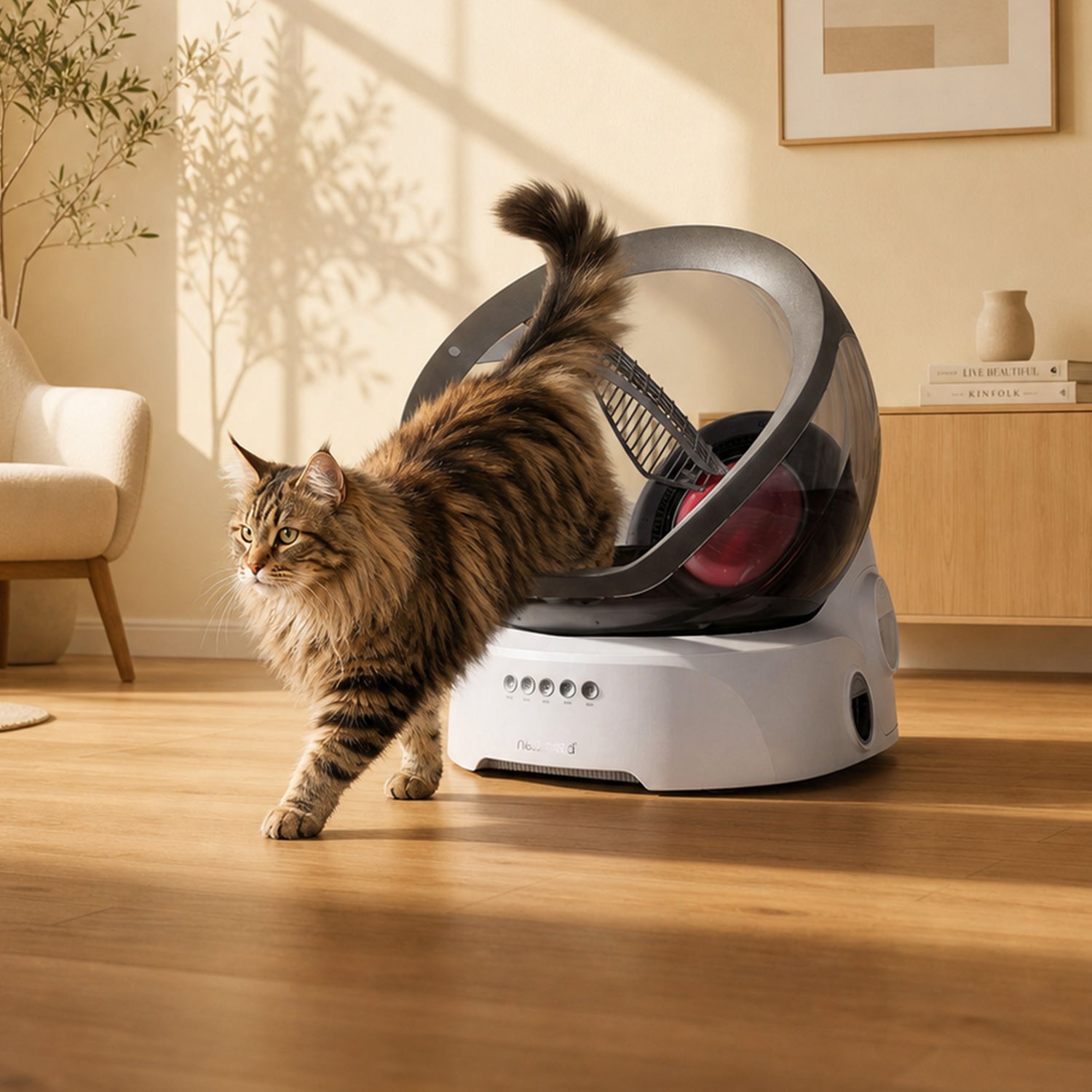
The Neakasa M1 is more than a cleaning device; it is a smart management system. It addresses the "blindness" of standard robots with a Weight-Sensitive Identification System designed specifically for up to 3 cats.
How the 94% Accurate Recognition Works
- Fingerprint-Like Recognition: The system combines high-sensitivity weight sensors with behavioral pattern matching.
- Instant Matching: When a cat enters, the M1 identifies them and matches the visit to their specific profile.
- Individual Data: Every use is recorded and attributed to the correct cat in the app.
With 94% individual cat identification accuracy, the Neakasa M1 turns every bathroom visit into a health check-up.
3. Health Monitoring: Why Individual Data is Critical for Multi-Cat Care
In multi-cat homes, early disease detection is often missed because symptoms are hidden in a shared box. The Neakasa M1 changes this by establishing "baseline" habits for each cat and alerting you to deviations.
Real-World Case A: Early Kidney Disease (12-year-old Cat)
- Baseline: 2–3 urinations daily.
- The Alert: A sudden increase to 4+ visits daily (a 40% increase).
- Diagnosis: Early-stage kidney disease.
- Outcome: Treatment started 4 weeks earlier than physical symptoms would have suggested, significantly extending quality of life.
Real-World Case B: Urinary Tract Infection (8-year-old Cat)
- The Alert: 1.5× normal urination frequency with longer box time (straining).
- Diagnosis: Urinary Tract Infection (UTI).
- Outcome: Immediate treatment prevented serious complications.
User Experience: Before vs. After
Before: "We have three cats and constant mystery. Which one has the issue? Is it behavioral or health? The vet couldn’t diagnose. We were stressing."
After: "We immediately saw that our oldest cat was using the box 60% more. Blood work confirmed early kidney disease. We caught it 6 months early."
4. Resolving Litter Box Conflicts with Data Insights
The industry standard "N+1 Rule" (3 cats = 4 boxes) is often unrealistic in apartments, leading to territorial stress and box avoidance.
Identifying the "Bully" and the "Victim"
The Neakasa M1 app reveals invisible social dynamics:
- Which cat dominates access during peak hours?
- Which cat is avoiding the box entirely?
- Are there distinct time-based usage patterns (e.g., Cat A only uses it when Cat B is asleep)?
The Result: 52% Reduction in Conflict
By using this data to adjust the location of the box or add resources where needed, households report a 52% reduction in litter box conflicts.
5. Practical Guide: Implementing the "Hybrid Setup" Strategy
For the ultimate multi-cat automatic litter box solution, you don't need to replace every box immediately. The most cost-effective strategy is a Hybrid Setup.
The Strategy: 1 Automatic + Backup Manual Boxes
Use one Neakasa M1 alongside 1–2 manual boxes.
- The Workhorse: Handles about 70% of household waste.
- The Safety Net: Manual boxes ensure access for subordinate cats.
The Benefits
- Odor Control: Up to 80% odor reduction.
- Strategic Placement: Prevents territorial blocking.
- Cost-Effective: Health monitoring without multiple robots.
Conclusion
In a multi-cat home, peace of mind comes from knowing exactly what’s happening with each pet.
With 94% accurate identification, the Neakasa M1 eliminates guesswork, reduces stress, and provides continuous health monitoring—making it the ideal solution for multi-cat households.


Leave a comment
This site is protected by hCaptcha and the hCaptcha Privacy Policy and Terms of Service apply.