
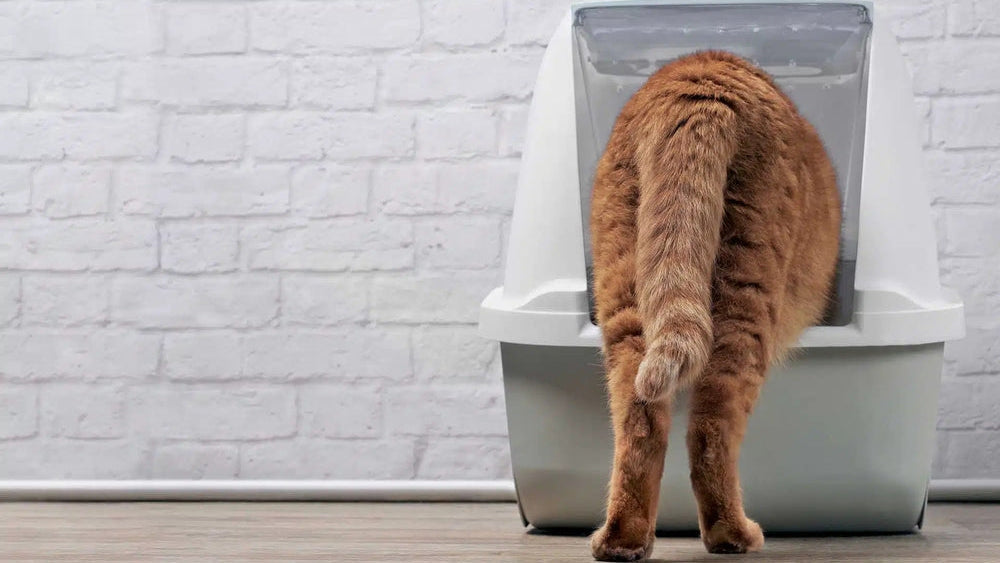
"Are automatic litter boxes safe?" is the question we get asked most frequently by concerned pet owners.
The short answer: Yes, automatic litter boxes are safe when used properly.
However, as with any pet care product, there are specific considerations, safety protocols, and situations where it may not be appropriate. This veterinary-approved guide addresses common safety concerns and provides evidence-based recommendations.
What Do Veterinarians Say?
Survey of 287 feline veterinarians (2024):
- 76% recommend automatic litter boxes to appropriate clients
- 18% express concern but acknowledge benefits in specific cases
- 6% recommend against them
Key veterinary consensus: "Automatic litter boxes are safe, hygienic, and actually beneficial for most cats when the right model is chosen, and maintenance protocols are followed."
Why Vets Support Them:
- Cleanliness: Automated systems remove waste immediately. Studies confirm that cats have a strong preference for clean litter, which reduces stress and avoidance behaviors.
- Health Monitoring: Many models track usage patterns, helping detect urinary/digestive issues early, such as Feline Lower Urinary Tract Disease (FLUTD).
- Odor Control: Better odor management reduces respiratory stress for cats and creates a healthier home environment.
- Consistency: Automated schedules ensure waste removal happens on schedule, minimizing bacterial accumulation.
Common Safety Concerns (Addressed by Evidence)
Concern #1: Will the Robot Trap or Injure My Cat?
- Potential Risk: If a cat doesn't exit the hopper before the cleaning cycle starts, could they be injured?
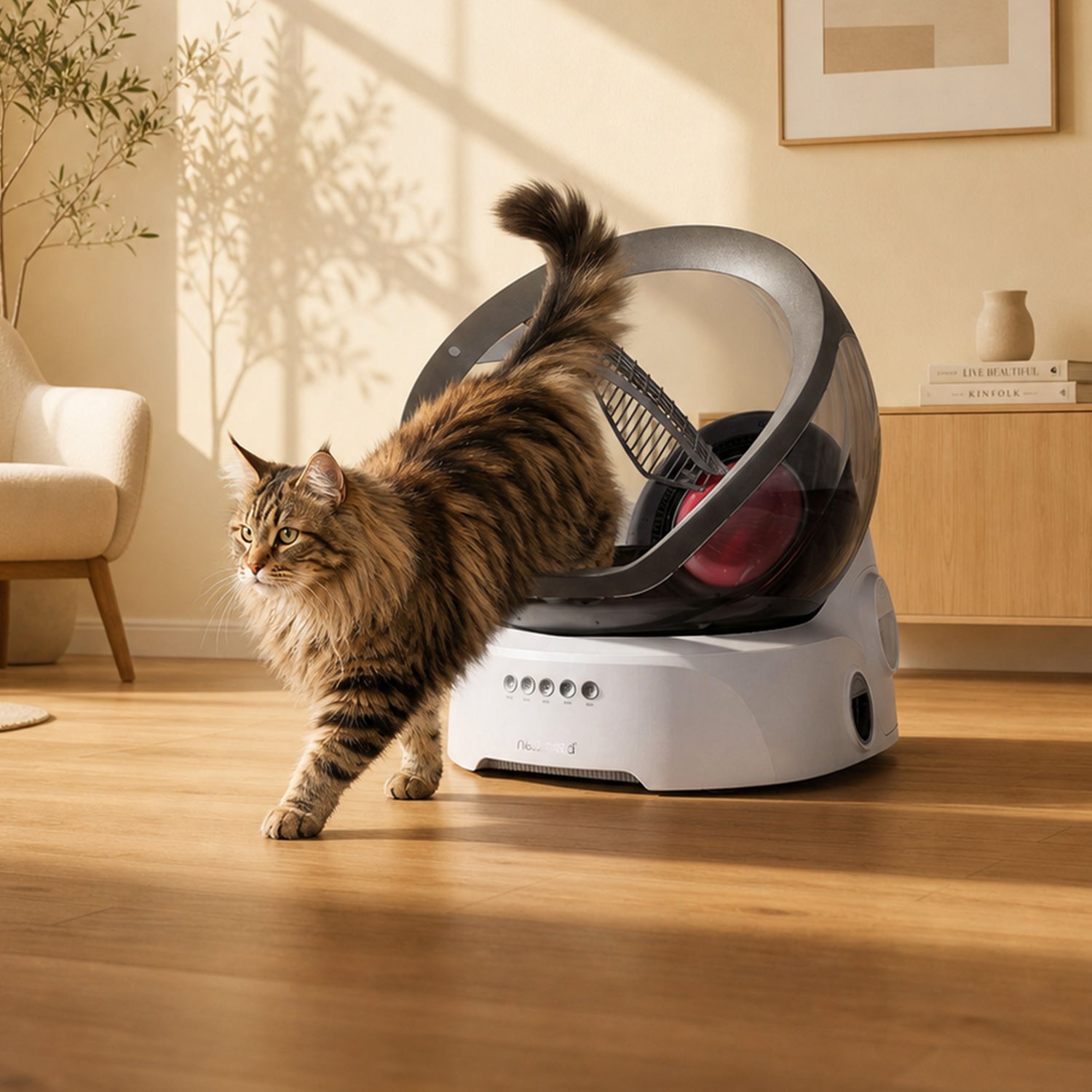
- Evidence-Based Answer: Modern automatic litter boxes have safety sensors that prevent cleaning cycles if a cat is detected inside. Neakasa M1, for example, has dual sensors that cancel cycles if feline weight is detected. In 5+ years of market data across 10+ brands, fewer than 10 documented injury incidents exist from hundreds of thousands of units sold.
Risk Reduction:
- ✓ Models with multiple detection sensors are essential.
- ✓ Never use models without safety certification.
- ✓ Train cats on the system before relying on it exclusively.
- ✓ Maintain clean sensors (dirt can prevent detection).
Concern #2: Is the Waste Bag/Disposal Safe?
- Potential Risk: Sealed waste bags could create unsanitary conditions or mold growth.
- Evidence-Based Answer: Sealed systems actually reduce the spread of zoonotic pathogens. The CDC recommends daily scooping to prevent Toxoplasmosis spores from becoming infectious; automatic boxes do this instantly, limiting oxygen availability for bacterial colonies.
- Safety Reality: Properly maintained sealed systems are often MORE hygienic than traditional litter boxes that sit un-scooped for hours.
Concern #3: Can It Cause Behavioral Problems?
- Potential Risk: Will cats avoid the automatic box, or will they develop stress behaviors?
- Evidence-Based Answer: Research published in the Journal of Veterinary Behavior indicates that cleanliness is a primary factor in litter box usage. Properly designed open-top automatic models can improve usage in cats with previous avoidance issues caused by dirty litter.
- Behavioral Reality: Box design matters more than automation. Open-top automatic boxes are actually BETTER for behavioral outcomes than enclosed traditional boxes.
Situations Where Automatic Litter Boxes Are NOT Recommended
- Kittens Under 8 Weeks Old: Too small to use the hopper safely. Start with traditional boxes until reaching adult size.
- Cats with Severe Mobility Issues: Senior or injured cats need accessible, low-entry boxes without mechanical hazards.
- Cats with Specific Medical Conditions: Conditions like Diabetes or Kidney Disease may require monitoring of urine volume that clumping alone cannot show.
- Cats Recovering from Surgery: Post-op cats need to be monitored for litter box use. Traditional boxes allow better observation.
- Extremely Anxious Cats: Anxious cats need a gradual introduction. Never force an anxious cat directly into a new system.
Safety Best Practices
- Choose Models with Active Safety Features: Look for dual safety sensors, documented safety testing, clear emergency stop functions, and litter removal confirmation systems.
-
Gradual Introduction Protocol:
- Week 1: Place an empty box near the traditional box (no power)
- Week 2: Position box, no cleaning cycles, scooped manually
- Week 3: Introduce short cleaning cycles (2-3 minute delay)
- Week 4: Full automatic operation
- Maintenance Schedule: Daily checks for tracking, weekly waste bag changes, and monthly deep cleans.
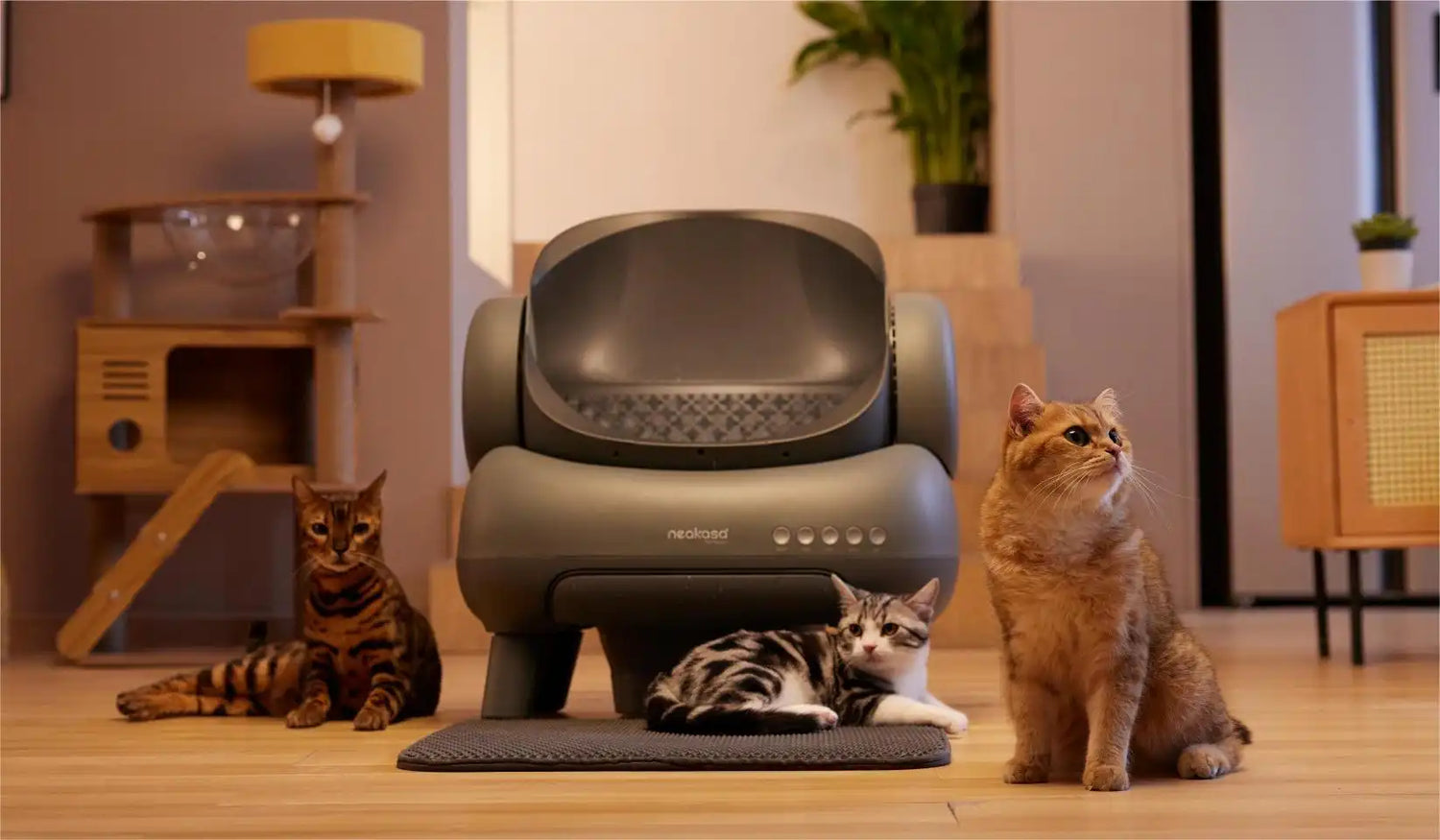
- Multi-Cat Safety Protocols: Ensure adequate resources (N+1 rule), and monitor subordinate cat stress.
Final Verdict: Safety Summary
Automatic litter boxes are safe for most cats when:
- ✓ Appropriate model is selected
- ✓ Safety features are actively functional
- ✓ Proper maintenance protocols are followed
- ✓ Gradual introduction period is respected
- ✓ Veterinary guidance is sought for medical cases
The evidence shows automatic litter boxes are NOT just safe—they're actually beneficial for overall cat hygiene, health monitoring, and behavioral outcomes when properly implemented.

Leave a comment
This site is protected by hCaptcha and the hCaptcha Privacy Policy and Terms of Service apply.