
Learning how to prevent kidney disease in cats starts with daily care and regular vet checkups. Chronic kidney disease develops over time. Acute kidney injury happens suddenly, often due to toxins or other serious health problems.
Not all kidney disease can be prevented. But good care can reduce some risks, and vet checks can help detect problems early. This guide explains how to support your cat’s kidney health and spot warning signs.
💡Quick Answer:
To support your cat’s kidney health, provide fresh water, a balanced diet, clean litter boxes, and regular vet checkups. Keep toxins out of reach and watch for changes in drinking, urination, or appetite. These steps can reduce some risks, but cannot prevent every case of kidney disease.
How to Prevent Kidney Disease in Cats
These seven steps provide a practical framework for supporting cat kidney health. They combine risk reduction, general wellness, and observation.
1. Keep Fresh Water Easy to Access
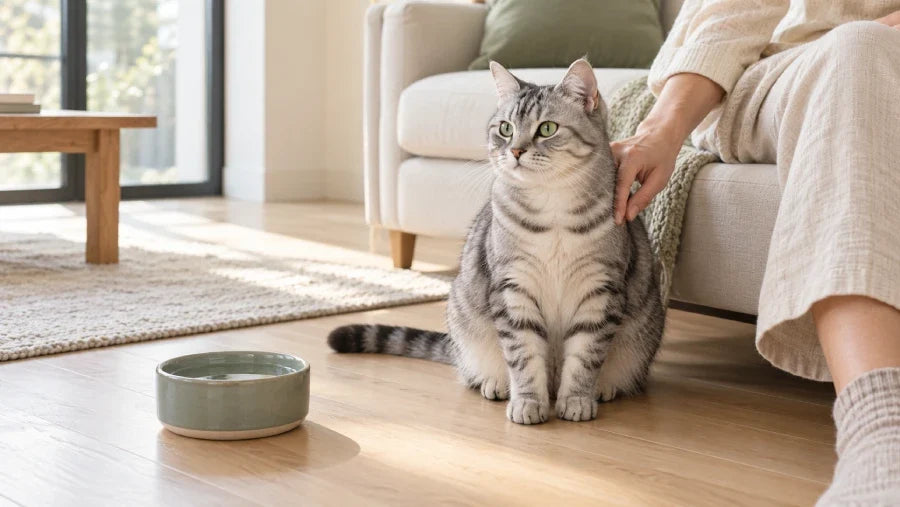
Offer fresh water in places your cat already uses. Multiple water stations can make drinking more convenient, particularly when an older cat finds stairs or longer walks uncomfortable. A fountain may appeal to some cats, while others prefer a still bowl. Keep whichever setup your cat actually uses clean and functioning.

Place water bowls in quiet, easy-to-reach spots where your cat can drink without obstacles or competition from other pets. Keep an alternative bowl available when trying a new fountain so the change does not remove a familiar option.
The aim is reliable access, not making your cat drink as much as possible. If your cat suddenly drinks more than usual, contact your vet—it could be a sign of illness.
2. Feed a Balanced Diet and Consider Moisture Rich Meals
Choose a food that provides complete and balanced nutrition for your cat’s life stage. Check the nutritional adequacy statement on the label rather than relying only on packaging claims. Treats and supplemental foods may not provide everything needed as a sole diet.
Wet food contributes more dietary moisture than dry food, which can make it a useful part of a hydration plan. However, moisture content alone does not determine whether a food meets your cat’s nutritional needs.
Regular wet food is not a kidney diet. Only switch your cat to a therapeutic kidney diet if your vet recommends it. If you are considering a change, bring the current food label and a list of treats to your veterinarian. Ask which nutritional priorities matter for your individual cat and how to make any transition.
Make Moisture-Rich Meals Easier with Neakasa Riko
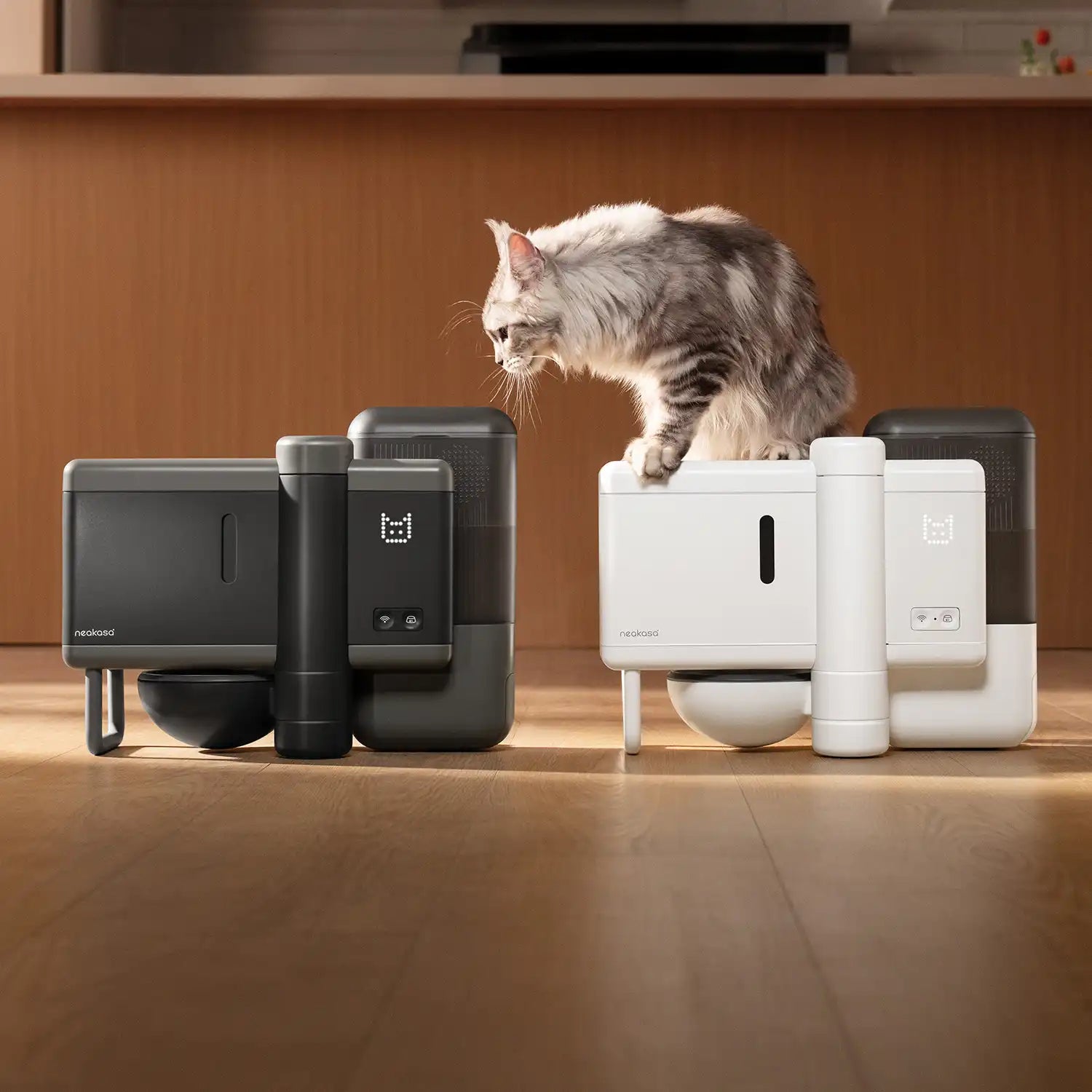
The Neakasa Riko Fresh-Made Wet Meal Feeder makes daily wet meals easy. It grinds compatible freeze-dried food and mixes it with water at mealtime. Use the app to set meal portions and feeding times.
- Prepare meals at feeding time: Keep compatible freeze-dried food dry until it is ground and mixed with water.
- Adjust meal texture: Customize the food-to-water ratio to suit your cat’s preferences.
- Plan regular meals: Set portions and feeding times through the app.
Choose compatible freeze-dried food that provides complete and balanced nutrition for your cat’s life stage.

- Fresh-Made Meals with Automatic Grinding and Rehydration
- Adjustable Water-to-Food Ratio for Tailored Hydration
- Sealed Storage to Keep Freeze-Dried Food Fresh and Dry
- App-Controlled Portions, Feeding Schedules, and Smart Alerts
3. Keep Kidney Toxins Out of Reach
True lilies and daylilies are particularly dangerous to cats. Exposure can involve chewing a leaf or flower, licking pollen from fur, or drinking vase water. Even a small exposure can cause severe kidney injury. Keeping these plants out of a cat’s home is safer than placing a bouquet on a high shelf.
Include flowers in your household safety routine. Check mixed arrangements before bringing them inside.
Antifreeze and certain medications can also injure the kidneys. Store chemicals securely and give medication only as directed by a veterinarian.
If you suspect lily exposure, contact an emergency veterinary hospital immediately. Do not wait for vomiting or other symptoms. Bring a photograph or plant identification if available.
4. Arrange Regular Veterinary Checkups
Ask your veterinarian how often your cat needs a check-up and whether blood tests, urine tests, or blood pressure checks are needed. The plan should consider your cat’s age, medical history, and examination results. Even cats that seem healthy at home may have early signs of disease.

Senior cats usually need more frequent check-ups. The 2021 AAFP Senior Care Guidelines recommend examinations at least every six months for cats aged 10–15 years. Older cats and those with health conditions may need more frequent visits. Your veterinarian can recommend a schedule that suits your cat.
Before each visit, write down any changes in your cat’s habits, such as drinking more water. Ask your veterinarian when the next check-up is due.
5. Support a Healthy Weight and Manage Existing Conditions
Weight management supports general health, but it should not be presented as a guarantee against CKD. Ask your veterinarian to assess body condition and recommend a feeding amount suited to your cat. Calories vary between foods, even with the same scoop size. Record the exact food and portion size you feed your cat.
Make the plan workable for everyone who feeds your cat. A shared meal record can prevent family members from unknowingly offering extra portions or overlooking a missed meal. Include treats when discussing the routine with your veterinarian.
If your cat has a medical condition, attend regular check-ups and tell your vet about any changes. Do not change treatment without your vet’s advice. Senior care often requires balancing several needs at once, including nutrition, mobility, comfort, and the practical demands of treatment.
6. Keep Litter Boxes Clean and Easy to Use
Place litter boxes in quiet, easy-to-reach areas. Keep them clean and check for changes in your cat’s habits. Look for larger urine clumps, more frequent visits, or accidents outside the box. Record any changes and share them with your veterinarian. Avoid guessing the cause yourself.

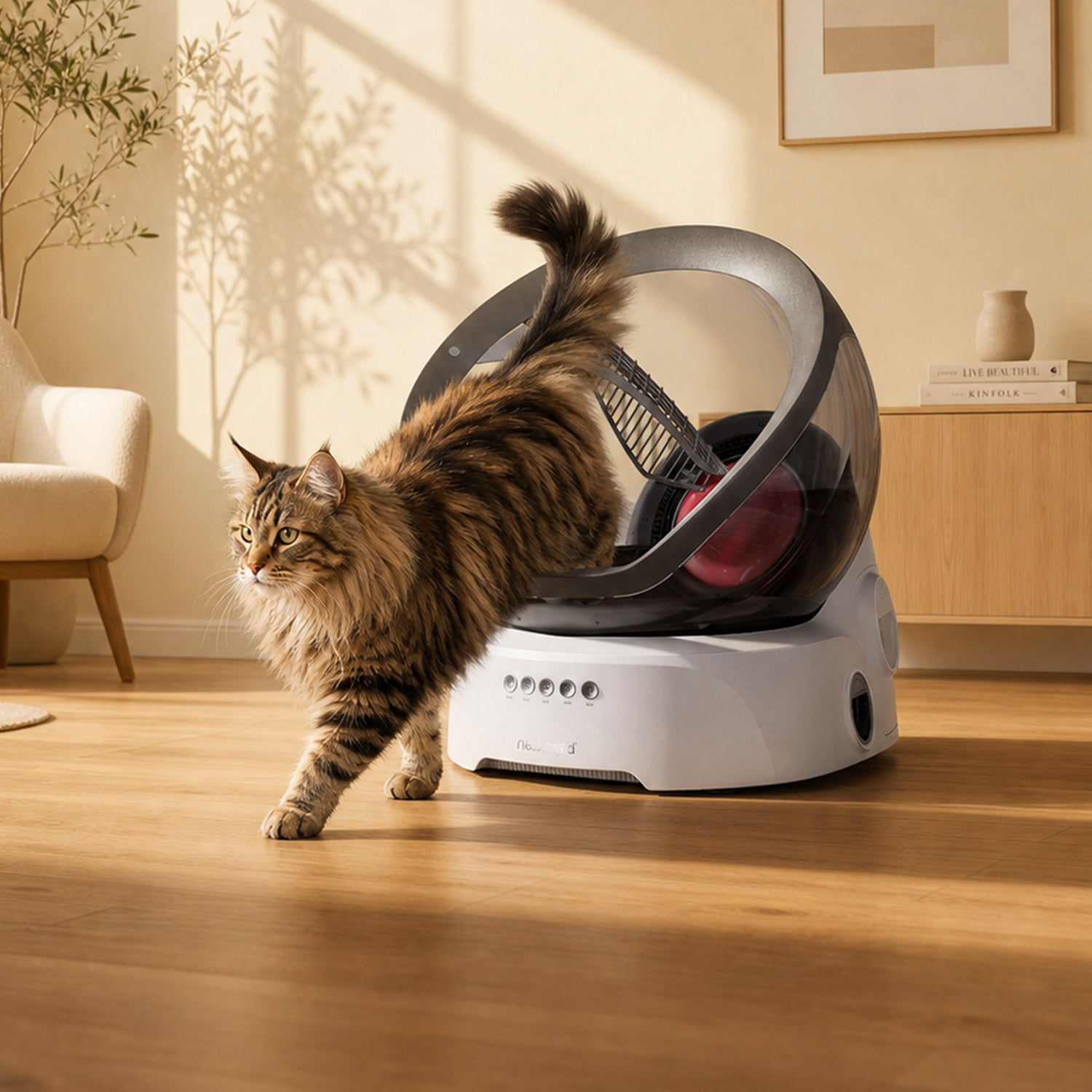
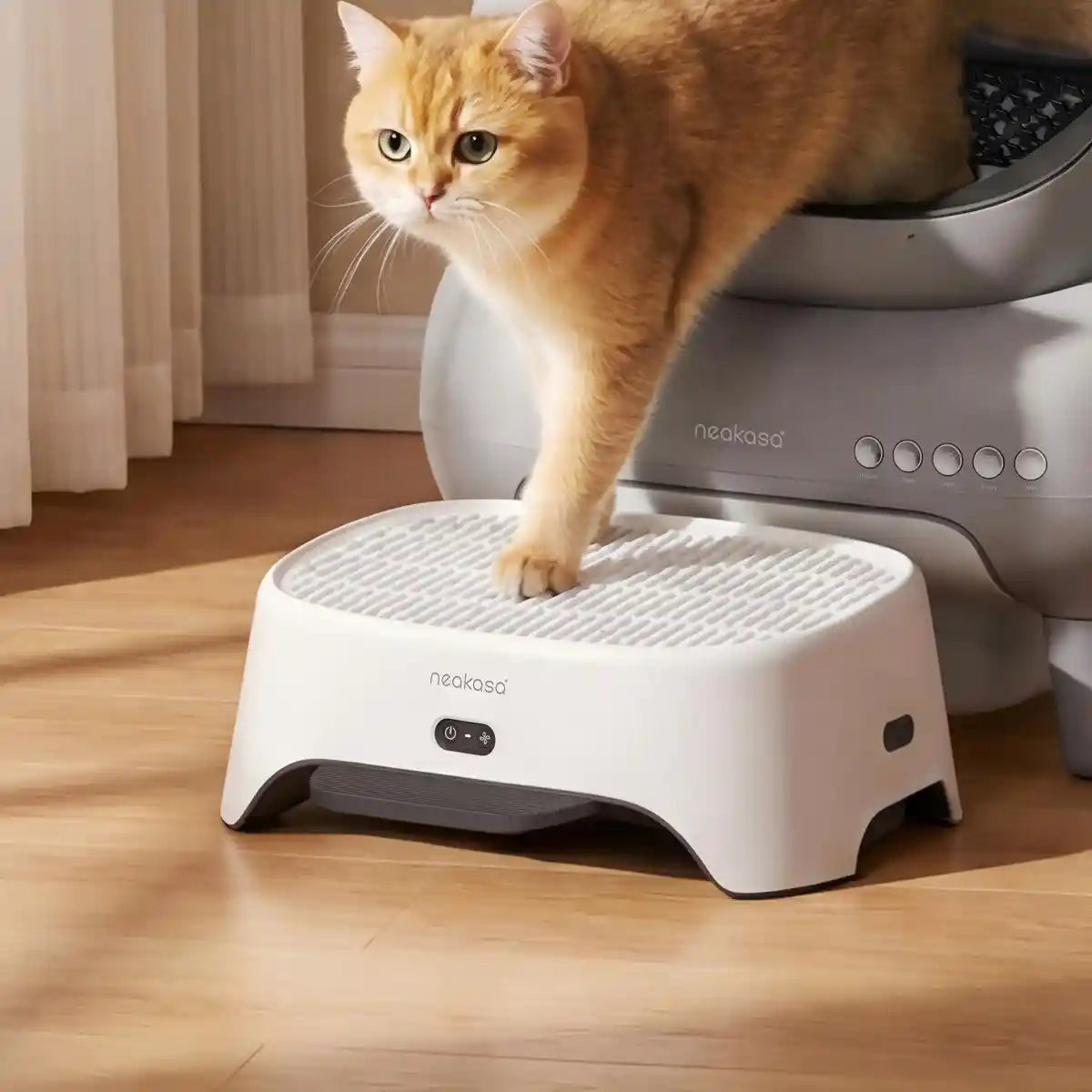
A clean litter box keeps your cat comfortable and helps you spot changes early. The Neakasa M1 Automatic Cat Litter Box makes daily cleaning easier with automatic scooping. It also helps you keep track of your cat’s litter box habits. Watch for unusual changes in behaviour and consult your veterinarian if you have concerns.

- Enhanced sealing stops leaks, even for side-peeing.
- Self-cleaning removes waste without daily scooping.
- Open-top design ensures safety and easy access.
- Spacious interior fits cats, up to 33 lbs.
- Sealed bin locks odors for up to 14 days.
From $379.99
7. Track Changes and Act Early
Keep a simple record of your cat’s appetite, water intake, bathroom habits, weight, and energy levels. A dated note on your phone is enough. The Neakasa Cat Litter Boxes track litter box activity in the app. The Riko Automatic Wet Food Feeder records feeding activity. These records can help you spot changes and share them with your veterinarian.
Contact your veterinarian if you notice unusual changes. Increased thirst, frequent urination, appetite changes, or unexplained weight loss may indicate kidney disease or another health problem. Early veterinary care can help identify the cause and guide treatment.
Symptoms of Cat Kidney Failure and When to Seek Help
Changes That Need a Veterinary Appointment
Signs of kidney problems in cats include drinking more, changes in urination, eating less, weight loss, vomiting, and tiredness.
These symptoms can also occur with other illnesses, while early chronic kidney disease (CKD) may have few obvious signs. Contact your veterinarian if you notice new or ongoing changes.
Describe what has changed in your cat’s usual habits, when it started, and how often it happens. These details help your vet assess the problem. A symptom checklist cannot confirm kidney disease or determine its stage.
Signs That Need Emergency Care
Straining with little or no urine can indicate a urinary obstruction, which is a medical emergency. Repeated litter box visits should not automatically be dismissed as constipation.
| Change noticed | What to do | Information to share |
|---|---|---|
| Gradual increase in drinking or urination | Contact your veterinarian promptly | When it started and associated changes |
| Repeated vomiting with marked weakness or collapse | Seek urgent veterinary assessment | Frequency, appetite, and possible exposures |
| Possible lily exposure | Contact an emergency hospital immediately | Plant type and approximate exposure time |
| Straining without passing urine | Go to an emergency veterinarian immediately | Last known urination and observed behavior |
| Sudden painful back leg weakness or paralysis | Seek emergency care immediately | Onset and whether your cat can stand |
These situations can have different causes. The immediate priority is assessment, not proving at home that the kidneys are responsible.
Kidney Failure Symptoms in Kittens
Kidney issues in cats are not limited to seniors. Congenital abnormalities, toxins, and other illnesses can affect young cats. Poor appetite, vomiting, unusual lethargy, or altered urination in a kitten warrants prompt veterinary advice.
How Vets Check for Kidney Issues in Cats
Your veterinarian combines the history you provide with an examination and diagnostic testing. Blood tests may assess creatinine, blood urea nitrogen, and SDMA; urine testing helps evaluate concentration and other abnormalities.
A single number is not the whole diagnosis. Results need clinical interpretation, and repeat testing may help establish whether abnormalities persist. Once CKD is diagnosed, staging and assessment of complications help guide treatment.
Bring details of your cat’s medications, food, and any changes you’ve noticed. Ask your vet what the results mean, what is still unclear, and what to do next.
Treating Kidney Problems in Cats and Supporting Daily Care
Treatment Depends on the Cause
Treating kidney problems in cats begins with identifying the type of problem. Acute injury may require hospitalization and treatment of the underlying cause. CKD management usually focuses on supporting remaining function, managing complications, and maintaining quality of life.
Your vet may recommend a kidney diet, hydration support, or treatment for high blood pressure, nausea, or poor appetite. Care depends on your cat’s disease stage and individual needs. Only give supplements or fluids as directed by your vet.
Support After Diagnosis
Caring for a cat with kidney disease is easier with a clear routine. Ask your vet for written instructions on feeding, medication, monitoring, and follow-up visits. Let them know if your cat refuses the food or is difficult to medicate so they can help adjust the plan.
Track your cat’s comfort and daily habits alongside food and medication. Notice whether they can reach favourite resting spots and interact as usual. Share these changes with your vet to help guide care beyond test results.
Frequently Asked Questions
Q1. How Can I Prevent Kidney Failure in My Cat
Kidney failure cannot always be prevented. Keep cats away from kidney toxins, seek veterinary care promptly for trouble urinating, and follow your vet’s advice. “Renal failure” means “kidney failure.” For cats with CKD, care focuses on managing the disease and maintaining comfort.
Q2. Does Wet Food Prevent Kidney Disease in Cats
Wet food does not prevent kidney disease, but it can help increase your cat’s water intake. Its high moisture content supports hydration and helps maintain healthy urinary function. However, hydration alone cannot guarantee kidney health.
To support your cat’s kidney health:
- Offer wet food to increase daily water intake.
- Provide fresh water in several easy-to-reach places.
- Monitor drinking, urination, appetite, and weight.
- Schedule regular veterinary checkups to help detect health problems early.
Q3. What Are the Symptoms of Kidney Failure in Kittens
Signs may include eating less, vomiting, low energy, dehydration, and changes in urination. These can have many causes and do not confirm kidney failure. Tell your vet how long your kitten has been unwell and whether they are eating and urinating. Seek help promptly rather than waiting for every symptom to appear.
Q4. Can Kidney Disease Cause Back Leg Weakness in Cats
Kidney disease can cause weakness, but back-leg problems alone cannot confirm the disease or its stage. Sudden, painful weakness or paralysis in the back legs may signal a blood clot—a medical emergency. If your cat suddenly cannot stand or walk normally, seek veterinary care immediately.
Q5. Can a Cat Have Kidney Disease Without Obvious Symptoms
Yes. Cats with early kidney disease may seem healthy, so regular vet check-ups and recommended tests are important. Report any changes, even if your cat still eats and plays. Home activity monitors cannot replace veterinary examinations or tests.
Q6. How Can I Support a Cat Already Diagnosed With Kidney Disease
Follow the prescribed care plan and keep recheck appointments. Ask which changes should trigger a call and how to handle difficulties with meals or medication. Treatment may need adjustment over time. Keep one current set of instructions for everyone caring for your cat. This helps avoid missed doses, duplicated feeding, and uncertainty about whom to contact when something changes.
Make Kidney Health Part of Everyday Care
Give your cat fresh drinking water and suitable food, keep litter boxes clean and easy to reach, and keep toxic substances out of reach. Keep up with vet check-ups and report changes promptly. Kidney disease cannot always be prevented, but consistent care can help you spot problems sooner. Ask your vet what your cat needs next.


Leave a comment
All comments are moderated before being published.
This site is protected by hCaptcha and the hCaptcha Privacy Policy and Terms of Service apply.