
Bringing home a kitten is pure joy, but daily scooping quickly becomes a chore. Smart, automatic litter boxes promise hands-free convenience, yet kitten litter box training with high-tech systems isn’t as simple as plugging in a machine.
Introduced too soon or without care, the noise and motion can frighten a young cat, leading to accidents—or even safety risks if they’re too small for the sensors.
This guide offers a vet-backed, step-by-step plan to transition your kitten to an automatic litter box safely, grounded in feline behavior science and real-world success.
Quick Answer
To safely train a kitten to use an automatic litter box, you must prioritize safety thresholds and gradual acclimation to prevent fear:
- Wait for Weight: Do not turn on "Auto-Mode" until your kitten weighs over 2.5kg (5.5 lbs). While some sources suggest 6 months, weight is the more reliable indicator—many kittens reach this by 12–14 weeks (Cornell Feline Health Center).
- The "Power-Off" Rule: Keep the unit unplugged for the first week. Let them use it as a static box to avoid noise phobia.
- Scent Transfer: Place a clump of used litter into the new box. The familiar scent marks it as their "bathroom."
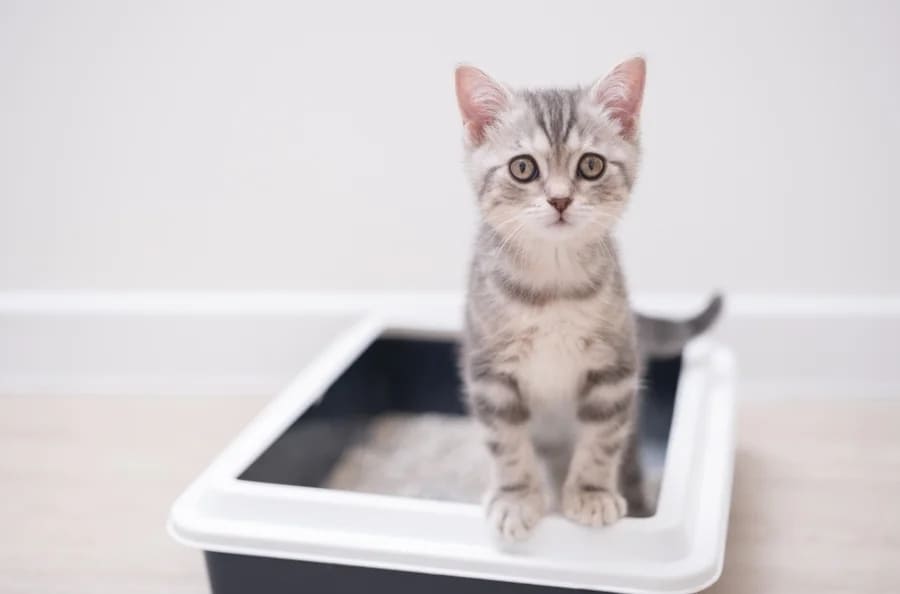
- Keep the Old Box: Do not remove the original litter box until the kitten has used the new one consistently for 3+ days.
Why Most Kittens Fail with Automatic Litter Boxes
Before diving into the steps of kitten litter box training, we need to look at the world through a kitten's eyes. To us, an automatic litter box is a cleaning appliance; to a tiny 10-week-old kitten, it can look like a growling monster that "eats" things.
Most training failures aren't because the kitten is stubborn—they’re because they’re afraid. Common triggers include:
- Noise Phobia: A loud motor during first contact can create a lifelong aversion.
- Enclosed Spaces: Many smart boxes are tunnel-style pods. Kittens used to open trays may feel trapped—a major red flag per the International Cat Care guidelines.
- Lack of Territorial Scent: A brand-new plastic box smells like chemicals, not like their territory. Without their pheromones, they don’t recognize it as a toilet.
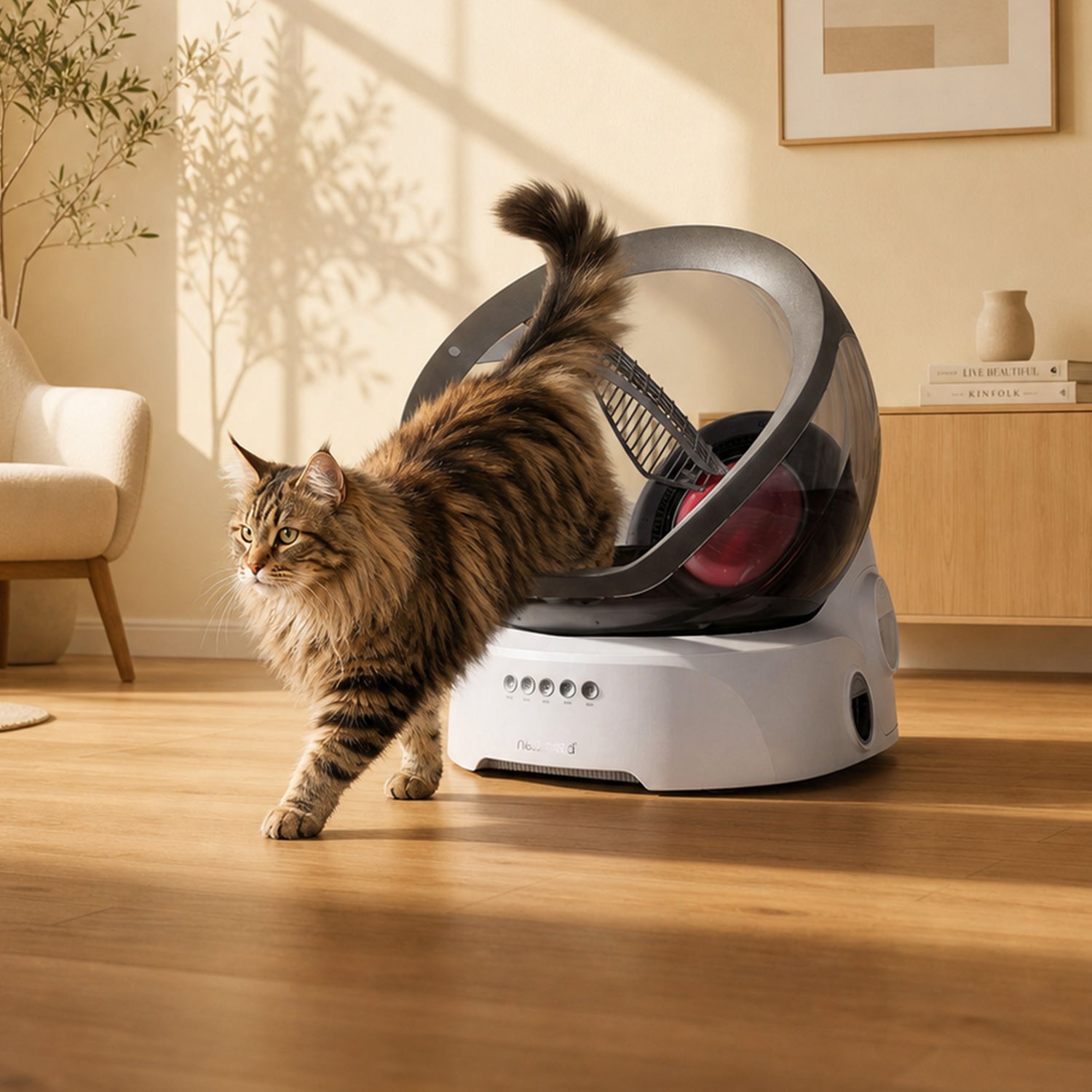
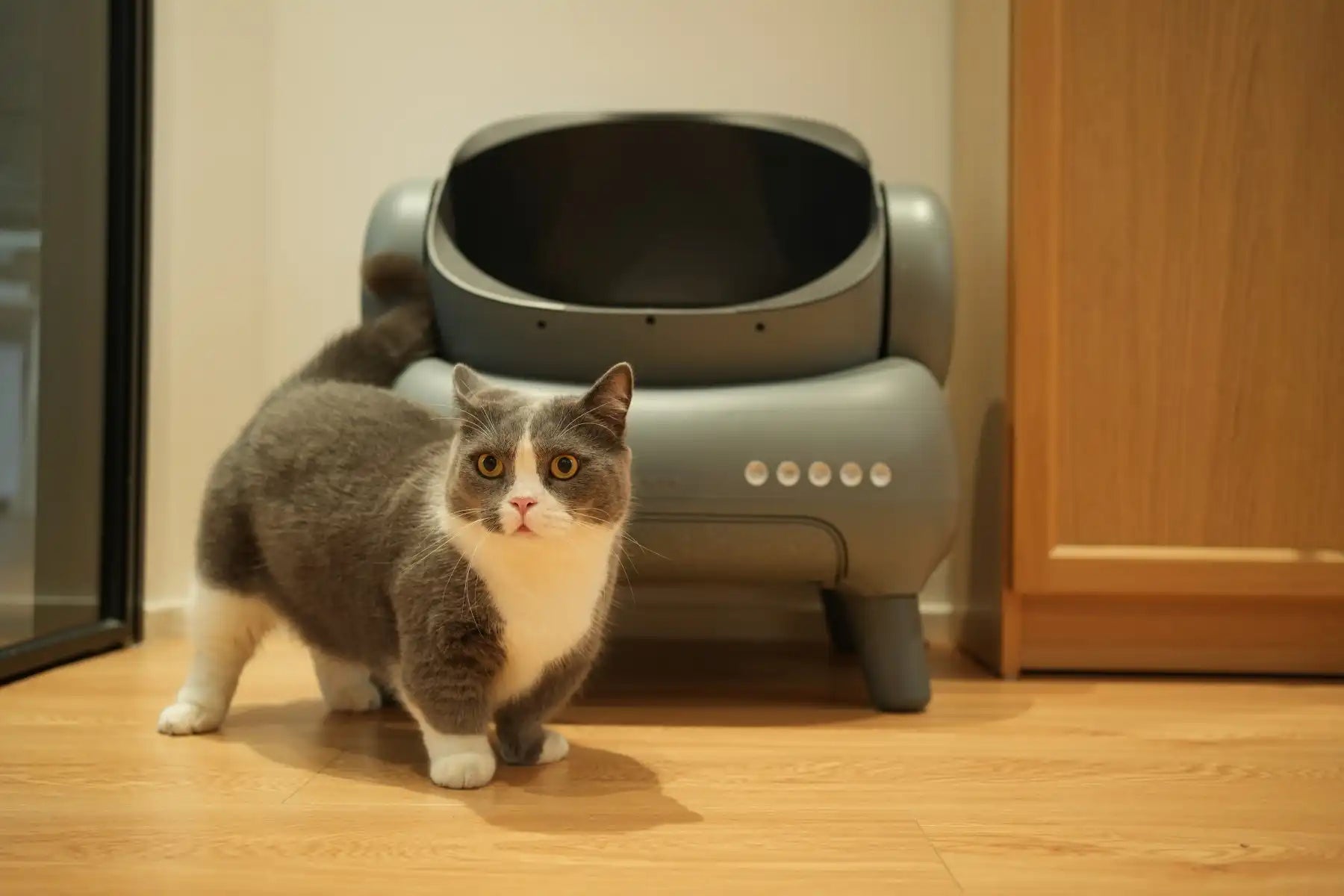
That’s why Neakasa’s open-top design was created—to mimic traditional trays and eliminate the “cave effect” that scares young cats.
When Is Your Kitten Ready for a Smart Litter Box? The Safety Checklist
Before attempting any kitten litter box training with a robot, you must meet both hardware and behavioral criteria. Using auto-mode too early is the leading cause of safety hazards.
Minimum Age & Weight Guidelines (Backed by Vets)
This is non-negotiable. Smart litter boxes rely on weight sensors and infrared radar to detect when a cat is inside.
- Weight Threshold: Most brands require ≥2.5kg (5.5 lbs) for sensor reliability. Below this, the unit may not detect your kitten, risking injury.
- Age Consideration: While 6 months is often cited, many healthy kittens hit 2.5kg by 12–14 weeks. Always weigh, don’t guess!
Pro Tip: If your kitten is under the limit, you can still buy the box—but keep it unplugged and scoop manually. Neakasa works perfectly as a premium manual tray during this phase.
Behavioral Readiness Signs to Watch For
Beyond the scale, observe their personality:
- Confidence: Does your kitten explore new toys, or hide when the doorbell rings? Skittish kittens need 2+ weeks of acclimation.
- Established Habits: Is your kitten already using a standard tray without accidents? If not, master basics first—see our guide on ideal litter box placement to reduce stress.
Step-by-Step Kitten Litter Box Training Plan: From Manual to Automatic
Successful kitten litter box training requires patience. Never force your cat into the machine—this can create trauma.
| Days | Action | Key Tip |
|---|---|---|
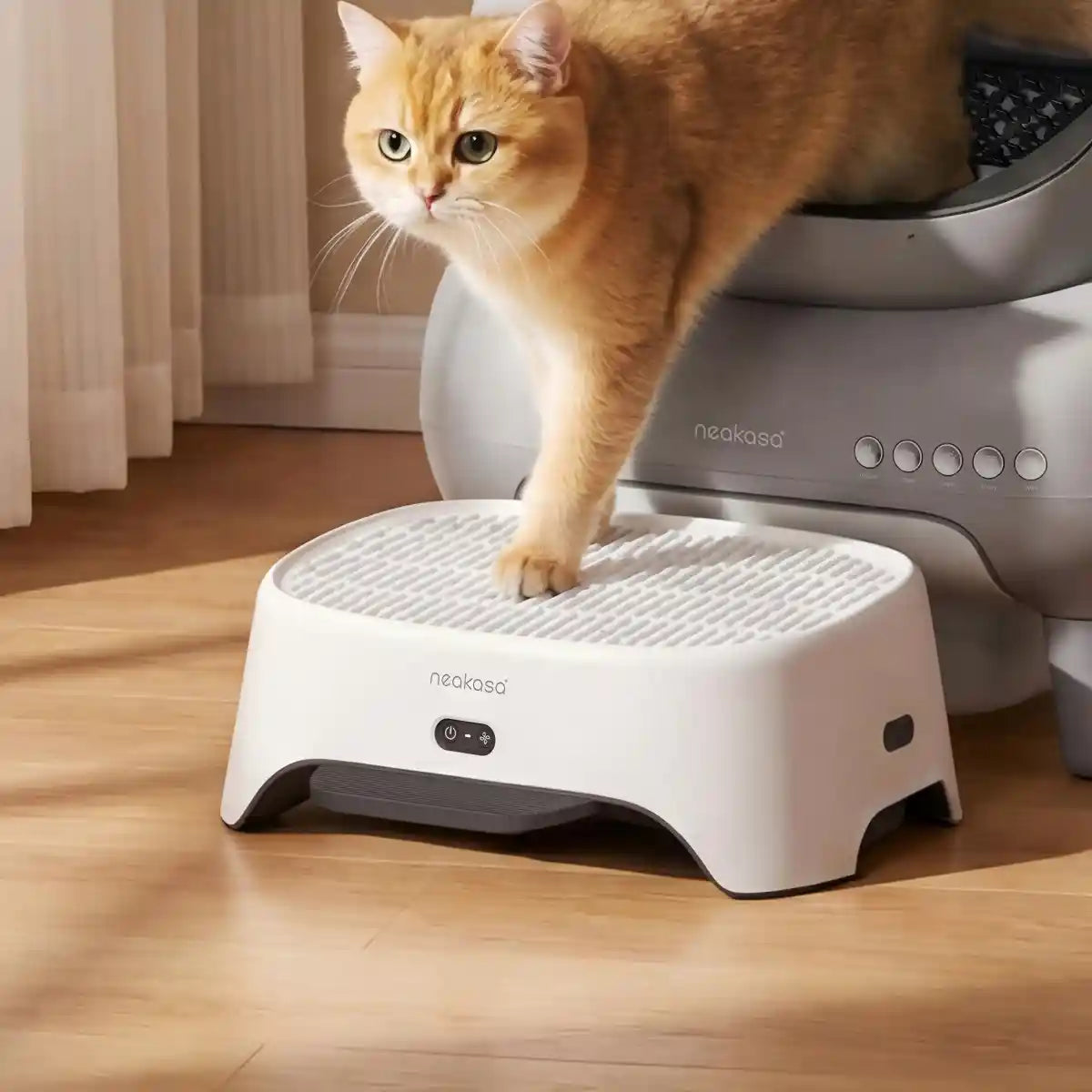
| 1–2 | Place Neakasa next to old box (unplugged) | Let them treat it like furniture. Place treats on the Neakasa AirStep to encourage exploration. |
| 3–4 | Fill with familiar litter + add used clump | Scent transfer is critical—cats identify bathrooms by smell, not sight. |
| 5–7 | Enable auto-clean only after 2+ consistent uses | Run first cycle when kitten is out of the room. Gradually let them observe from a distance. |
Choosing the Right Smart Litter Box for Kittens (2026 Safety Features Compared)
Not all robots are equal for kitten litter box training. When shopping, prioritize safety over aesthetics.
Must-Have Safety Features for Kittens
- Open-Top Design: Enclosed pods increase anxiety. Neakasa’s M1 open-top model mimics traditional trays—proven easier for kittens to accept.
- Adjustable Wait Time: Set delay to 15–30 minutes via app to ensure your kitten is far away before cleaning starts.
- Whisper-Quiet Motor: Neakasa operates at ≤38 dB—quieter than a library (Consumer Reports, 2026).
Real Owner Experiences: What Worked (and What Didn’t)
From our customer reviews and community forums:
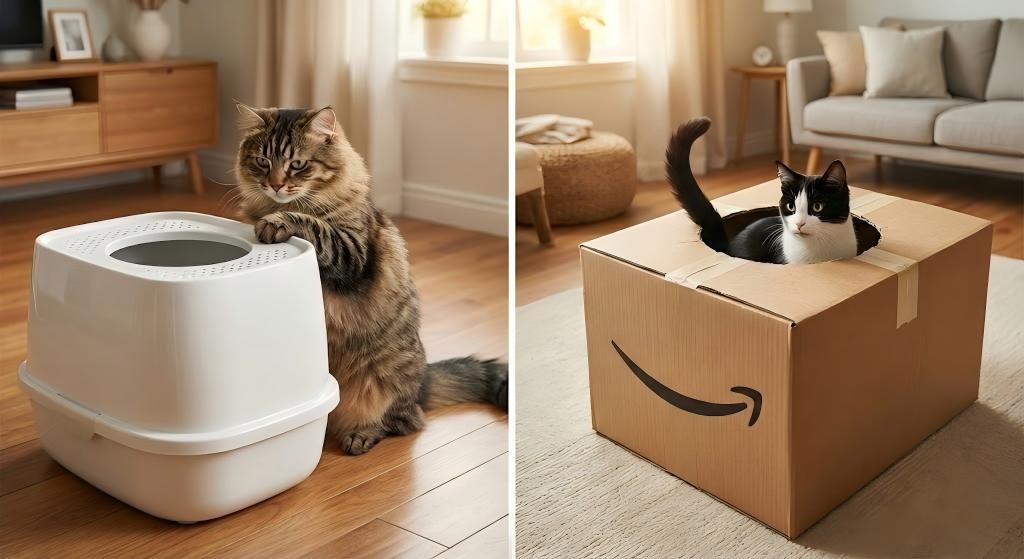
- ✅ What Worked: “I left the cardboard box next to Neakasa for a week. My kitten played in it and got used to the machine before I ever turned it on.”
- ❌ What Didn’t: “I threw away the old box on Day 1. My kitten peed on my bed for three days.”
Moral: Never remove the safety net too soon.
When to Pause Kitten Litter Box Training and Call a Vet
If training stalls, it might be medical—not behavioral. Pause and consult a vet if:
- Your kitten urinates on soft surfaces (beds, laundry)
- They strain or cry in the box (AVMA warns this could signal a blockage)
- A confident kitten suddenly hides or avoids the box
Always rule out health issues before assuming it’s a training problem.
Frequently Asked Questions
Q1: Can I use Neakasa’s auto-clean mode with a kitten under 12 weeks or under 2.5 kg?
No. Even though Neakasa’s open design is safer, weight sensors may not detect very small kittens. Use it as a manual box until they reach 2.5kg. Learn more in our FAQ section.
Q2: Is Neakasa quiet enough for noise-sensitive kittens?
Yes. The Neakasa M1 is among the quietest smart litter boxes available (≤38 dB). Still, introduce the sound gradually—never during their first few visits.
Q3: Should I keep two litter boxes during the transition?
Absolutely. The iCatCare multi-cat guideline applies even to single kittens during transitions: always provide a backup. Remove the old box only after 7+ days of exclusive Neakasa use.
Conclusion
Transitioning to a smart litter box is a great upgrade—but successful kitten litter box training hinges on empathy, not automation. By waiting for the right weight, using the “Power-Off” method, and leveraging scent cues, you can ensure a safe, stress-free switch.
Ready to start? Explore the Neakasa M1—engineered with open access, ultra-quiet operation, and kitten-safe engineering. And remember: keep that plug out of the socket until your

Leave a comment
All comments are moderated before being published.
This site is protected by hCaptcha and the hCaptcha Privacy Policy and Terms of Service apply.