
Your cat will never tell you they are in pain. As experts at masking illness, cats often suffer in silence to avoid appearing weak. This makes spotting early signs of kidney disease or FLUTD incredibly difficult for even the most attentive owners.
The truth is, the litter box holds the answers. Long before a cat stops eating or becomes lethargic, their bathroom habits change. This guide transforms your daily scooping routine into a powerful health check, teaching you how to spot the invisible red flags hiding in your cat’s waste.
Yes. Your cat’s litter box is a key health indicator for early signs ofFLUTD, kidney disease, or diabetes.
- Physical signs: Check stool consistency, urine color (blood = emergency), and clump size (small = possible blockage; large = possible polyuria).
- Behavior: Watch for increased frequency or straining >2 minutes without urinating—both are red flags.
- Trends: Use smart litter boxes to spot weight loss or usage changes in multi-cat homes.
⚠️ Critical Warning: If your cat can’t pee, cries, or hasn’t urinated in 24 hours, seek emergency care—it could be a life-threatening blockage.
Decoding the Physical Signs: A Visual Cat Stool and Urine Analysis
The first step in your health check is a visual inspection. What comes out of your cat tells you exactly what is happening inside their body.
1. Cat Stool Chart: Healthy vs. Unhealthy Poop
Texture and shape are your best indicators of digestive health. Use this simplified chart to grade your cat’s stool:

| Stool Type | Appearance | Health Status | Possible Causes |
|---|---|---|---|
| Type 1 (Hard) | Small, rock-hard pellets | Unhealthy | Severe dehydration, lack of fiber, or megacolon. |
| Type 2 (Firm) | Log-shaped, firm but not hard | Healthy,Ideal. | Indicates good hydration and digestion. |
| Type 3 (Soft) | Log-shaped with a wet surface | Watch | Mild digestive upset or dietary change. |
| Type 4 (Mushy) | Cow-pat shape, no form | Unhealthy | Parasites, food intolerance, or infection. |
| Type 5 (Liquid) | Watery, no solid pieces | Emergency | Severe infection, toxicity, or systemic disease. |
2. Cat Urine Color Chart: Decoding Red (Blood), Pink, and Cloudy Pee
Urine color is a critical biomarker. While clumping litter can mask the true color, you can often see tints on the wet litter or by using white litmus litter.
- Pale Yellow / Clear: Normal hydration.
- Dark Yellow / Orange: Dehydration or highly concentrated urine.
- Red or Pink (Hematuria): EMERGENCY! This indicates blood. It is a classic sign of FLUTD, cystitis, or bladder stones.
- Cloudy / Milky: Usually suggests a bacterial infection or the presence of crystals/pus.
3. Litter Box Clump Size: Early Signs of Diabetes and Kidney Disease
Don’t just scoop—measure. The size of the urine clump is a direct measurement of urine volume (Polyuria).
- Tiny, Shattered Clumps: If you find many small, coin-sized clumps, your cat is straining to pee but only releasing drops. This is a life-threatening emergency for male cats (Urethral Blockage).
- Massive, Heavy Clumps: If clumps are significantly larger than a tennis ball, your cat is producing excessive urine. This is a primary symptom of Diabetes Mellitus, Kidney Disease, or Hyperthyroidism.
Beyond the Waste: Monitoring Litter Box Habits and Behavior
Sometimes the waste looks normal, but the way the cat uses the box changes. Behavioral data is just as important as physical evidence.
1. Using Smart Data to Monitor Weight Trends and Frequency
Modern pet care relies on data. Changes in frequency and weight are often too subtle to notice with the naked eye but are obvious in data logs.
- Frequency Spikes: A healthy cat urinates 2-4 times a day. If your smart litter box app shows 8-10 visits, your cat may be suffering from a UTI or bladder inflammation, feeling the urge to go constantly.
- Duration Warnings: A visit lasting longer than 2 minutes without waste production suggests pain or constipation.
- Weight Loss: Sudden weight loss tracked by a smart scale litter box is often the first sign of Hyperthyroidism or diabetes in senior cats.
2. Identifying Which Cat Is Sick in a Multi-Cat Household
In a home with multiple cats, finding diarrhea in the box is stressful because you don’t know who did it.
- The Traditional Method: Isolate cats in separate rooms with separate boxes (stressful and time-consuming).
- The Smart Method: Advanced litter boxes use RFID tags or weight-differentiation algorithms to profile each cat. This allows you to pinpoint exactly which cat has increased frequency or digestive issues, ensuring the right cat gets to the vet.
How Smart Litter Box App Tracks Your Cat's Health 24/7
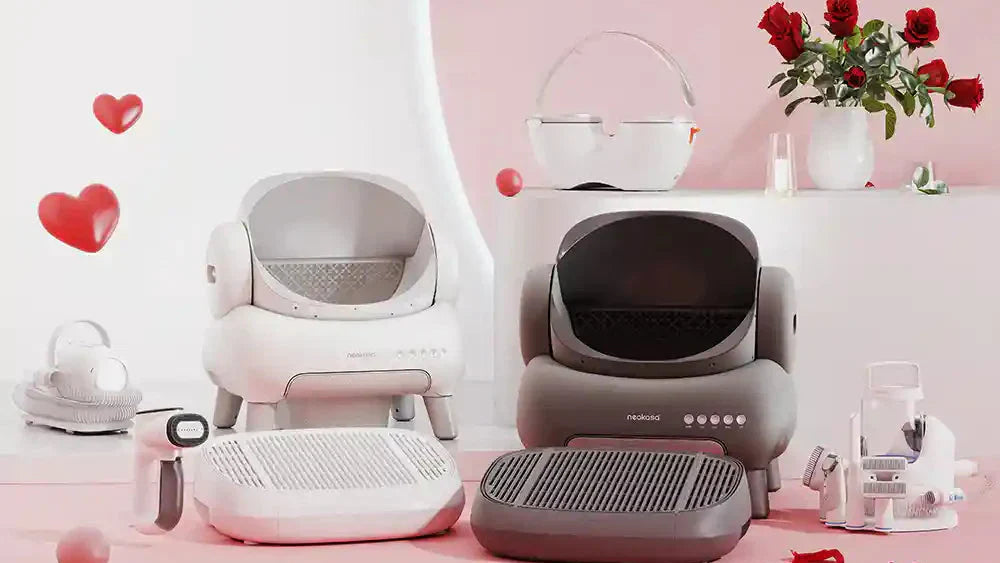
While identifying these signs is critical, tracking them manually is difficult and prone to human error. We forget to scoop, or we miss a day. The Neakasa App transforms the M1 Plus from a simple cleaner into a dedicated 24/7 health monitor.
- Logs visits: Records every entry over 10 seconds and keeps 30 days of data to spot urinary changes.
- Tracks by cat: Uses weight recognition to identify individuals and monitor usage (manual corrections allowed).
- Sends alerts: Notifies you instantly of issues like device errors, low litter, or prolonged time in the box.
- Optimizes cleaning: “Smart Mode” delays cleaning for proper clumping; “Auto-Bury” ensures full coverage.
- Prevents lockouts: “Auto-Return” resets the drum even when full—so your cat always has access.

Cat Health Checklist: When to See a Vet Immediately
Use this checklist to decide if you need an emergency run or a scheduled check-up.
1. Emergency Signs (Red Flags)
Go to the vet immediately (do not wait overnight) if:
- Straining: Your cat goes to the box, postures, and cries, but produces nothing. (Risk of bladder rupture).
- Blood: Visible red blood in urine or stool.
- Vocalizing: Howling or crying while in the litter box.
- Lethargy: Hiding, refusing to move, or vomiting combined with litter box issues.
2. Signs That Need Observation (Yellow Flags)
Schedule an appointment within 24-48 hours if:
- Soft Stool: One or two instances of soft stool (Type 3 or 4) without other symptoms.
- Inappropriate Urination: Peeing just outside the box or on a bed (could be behavioral or stress, but needs a vet to rule out pain).
- Change in Frequency: A gradual increase or decrease in urine clump size.
FAQs
Q1. Can a dirty litter box cause a UTI in cats?
A1. Yes. Bacteria thrive in dirty boxes, potentially entering the urethra during squatting. It also makes cats “hold it,” concentrating urine and encouraging crystal formation.
Q2. Why is my cat suddenly peeing outside the box?
A2. Usually a sign of distress—not spite. Common causes: medical pain (UTI, arthritis), stress (new pet, move), or a dirty box. Always check with a vet first.
Q3. What does healthy cat poop look like?
A3. Deep brown, log-shaped, firm but pliable (like clay), with mild odor—no residue, no extreme hardness, and no foul stench.
Conclusion
Your cat’s litter box is more than a chore, it is a vital diagnostic tool. By using this guide, you can catch life-threatening conditions like blockages or kidney failure before they become critical.
Whether you inspect the clumps manually or use a smart litter box to track the data for you, the rule is simple: Pay attention to the box. It’s the one place your cat cannot hide the truth about their health.

- Enhanced sealing stops leaks, even for side-peeing.
- Self-cleaning removes waste without daily scooping.
- Open-top design ensures safety and easy access.
- Spacious interior fits cats, up to 33 lbs.
- Sealed bin locks odors for up to 14 days.

Leave a comment
All comments are moderated before being published.
This site is protected by hCaptcha and the hCaptcha Privacy Policy and Terms of Service apply.