
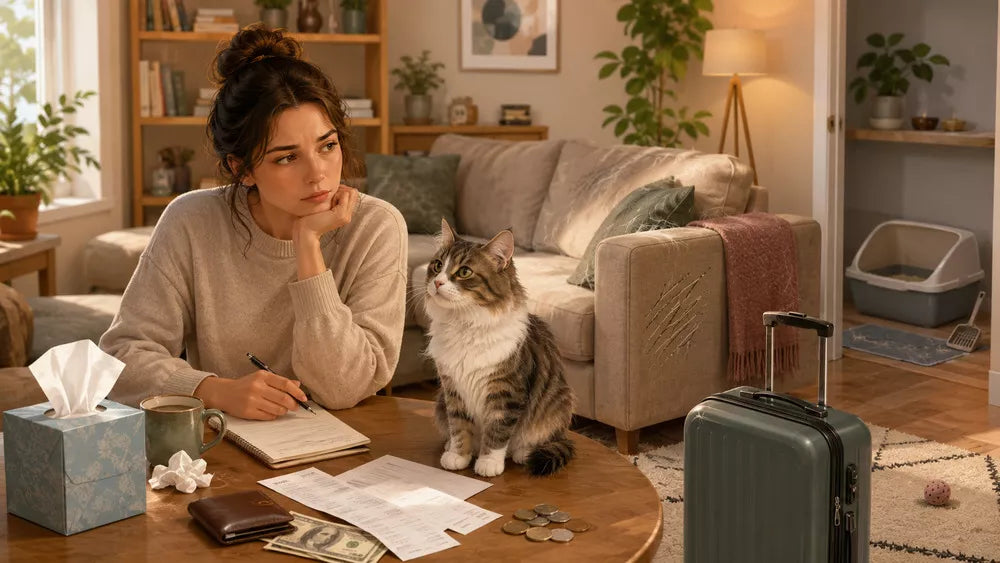
Cats can be wonderful companions, but they are not the right pet for everyone. If you are searching for reasons not to get a cat, be honest about the less charming parts first: the litter box, litter box smell, daily cleaning, costs, allergies, scratching, shedding, and travel limits.
Some problems are part of pet ownership, while others can be reduced with planning, training, and the right setup, including a self-cleaning litter box for people who mainly worry about scooping and odor.
- Cats are still a commitment: Cats may seem low-maintenance, but they still need daily food, water, attention, enrichment, and a clean litter box.
- Allergies can be a dealbreaker: Cat dander can trigger allergic reactions, making cat ownership difficult for some households.
- Costs add up over time: Food, litter, toys, grooming tools, and veterinary care can become an ongoing financial responsibility.
- Scratching and shedding are normal: Cats naturally scratch and shed, which may affect furniture, clothing, and home cleanliness.
- Litter box care matters: Odor and daily scooping can be frustrating, but a better litter setup or self-cleaning litter box can make cat care easier.
Reasons Not to Get a Cat: A Practical Overview
Before deciding should I get a cat, look at the main cat ownership challenges side by side. Some drawbacks are unavoidable. Others can be reduced with realistic routines and the right home setup.
| Reason not to get a cat | Why it matters | Can it be reduced? | Practical solution |
|---|---|---|---|
| Allergies | Cat allergens can affect breathing, skin, eyes, and daily comfort. | Sometimes | Spend time around cats before adopting, clean often, use air filtration, and talk with a healthcare professional if symptoms are significant. |
| Cost | Food, litter, vet care, insurance, toys, furniture damage, and boarding add up. | Partly | Make a monthly budget and keep an emergency fund for unexpected care. |
| Daily care | Cats still need food, water, play, grooming, and a clean litter area. | Yes | Use a simple routine and divide tasks across the household when possible. |
| Litter box smell | Odor can build quickly in apartments, bedrooms, and small spaces. | Yes | Use suitable litter, scoop often, seal waste, ventilate the area, and wash the box regularly. |
| Daily scooping | Scooping is repetitive and easy to postpone when life gets busy. | Yes | A consistent routine or an option like the Neakasa M1 can help reduce manual scooping. |
| Scratching | Cats may scratch sofas, rugs, chairs, and door frames. | Often | Provide sturdy scratching posts, trim nails safely, redirect behavior, and protect favorite furniture spots. |
| Shedding | Cat hair can collect on clothes, bedding, furniture, and floors. | Partly | Brush regularly, vacuum often, and choose washable fabrics where possible. |
| Travel limits | Cats need reliable care even when owners leave for a weekend or vacation. | Partly | Arrange a sitter, boarding, or a trusted check-in plan before travel. |
| Multi-cat mess | More cats mean more litter use, more waste, more tracking, and more odor risk. | Yes | Use enough litter boxes, monitor each cat, and clean shared areas more often. |
| Long-term commitment | A cat can be part of your life for many years, through moves, job changes, and family changes. | No | Adopt only when you can commit to long-term care, not just the kitten stage. |
This table does not mean cats are bad pets. It means the best owners are realistic before they adopt.
1. You May Be Allergic to Cats
Allergies are among the most common reasons not to get a cat. People react to cat dander, saliva, or proteins. Common symptoms include:
- Sneezing and congestion
- Itchy eyes
- Skin irritation
- Asthma flare-ups
If you have never lived with a cat, spend time in a cat-owning home before adopting. Cleaning and keeping cats out of the bedroom help some people, but if allergies are severe, it is better to wait than to adopt and later rehome a cat.
2. Cats Cost More Than Many People Expect
The adoption fee is only the beginning. A responsible owner must be prepared for:
Direct Costs:
- Food and litter
- Routine vet care, vaccines, and parasite prevention
- Grooming tools, toys, carriers, and scratching posts
Indirect & Unexpected Costs:
- Pet insurance or emergency vet visits
- Boarding or pet sitting
- Furniture repair and cleaning supplies
3. Cats Are Independent, But They Still Need Daily Care
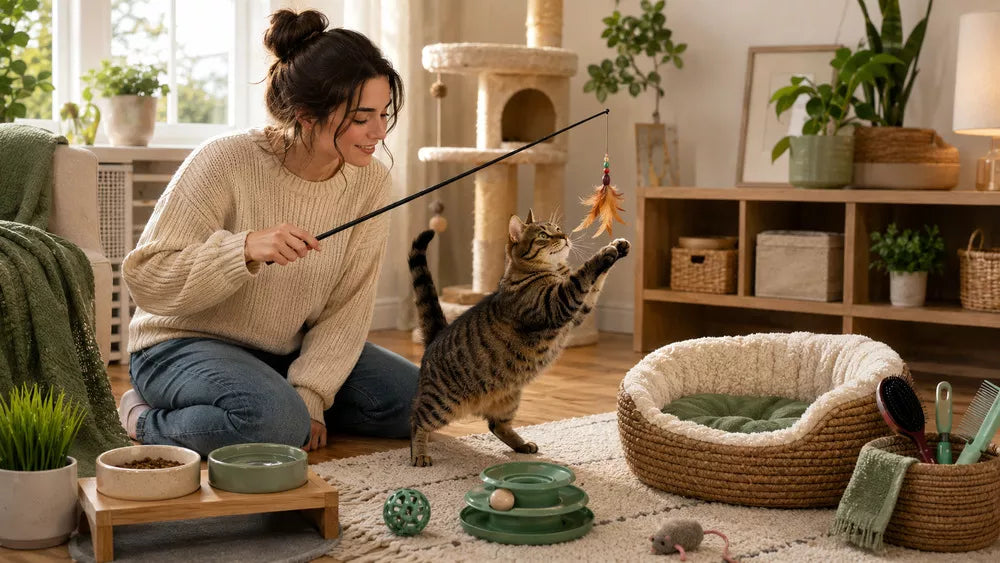
Cats are not hands-off pets. An empty water bowl, missed feeding, dirty litter box, or bored indoor cat can quickly become a household issue. They require:
- Fresh water and regular feeding
- Safe enrichment and playtime
- Grooming
- A clean litter box
- Social time and predictable routines
4. Litter Box Cleaning Can Become a Daily Dealbreaker
For many indoor cat owners, the litter box is the hardest part. The ASPCA notes that cats generally like clean litter boxes, and regular scooping prevents behavioral problems. Scooping is a repeated daily chore, not a one-time setup.
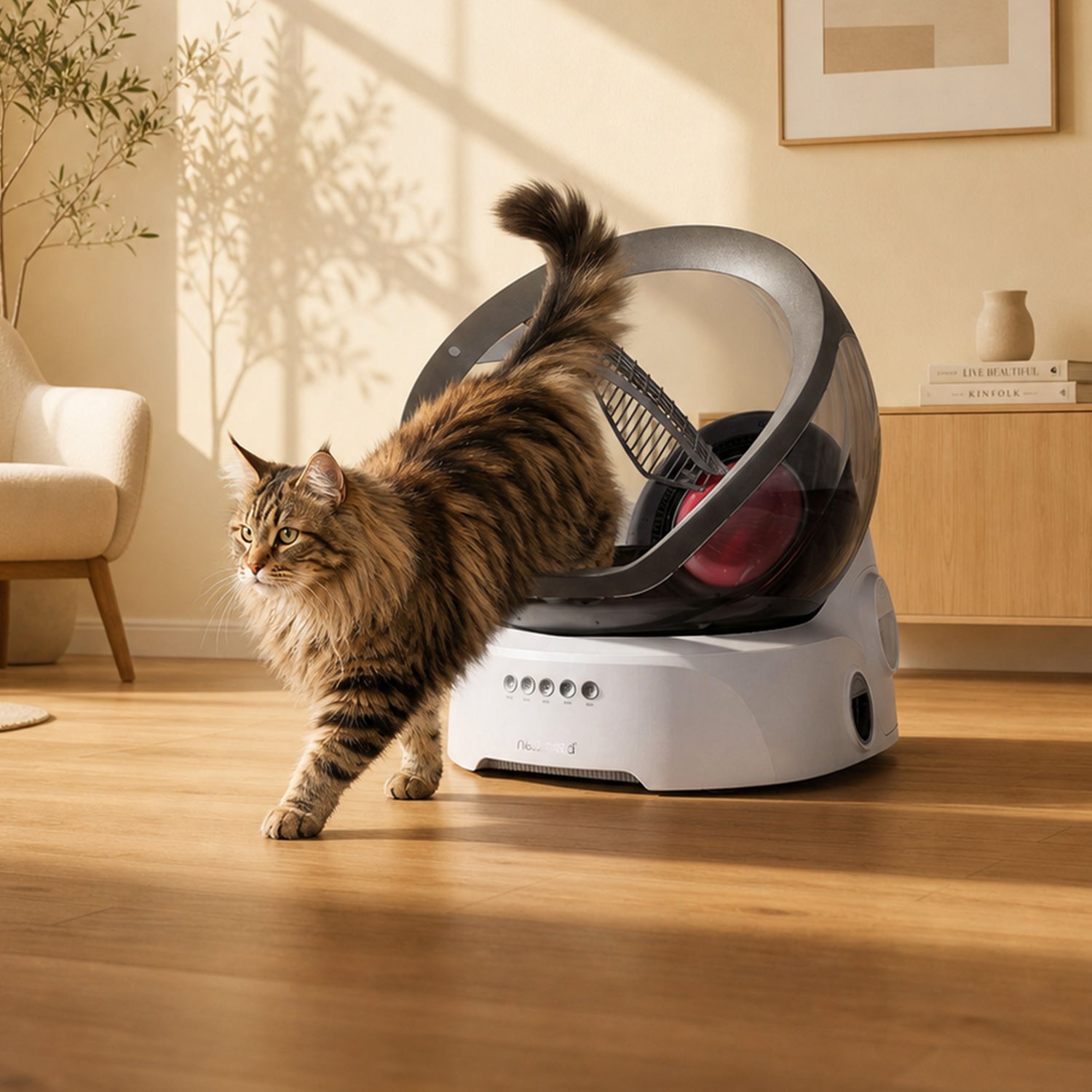
For those who hesitate because of scooping, the Neakasa M1 Plus is an open-top automatic litter box designed to reduce this burden. Features include:
- Open-top design (great for larger breeds like Maine Coons and Ragdolls)
- Hands-free cleaning with an odor-control waste system
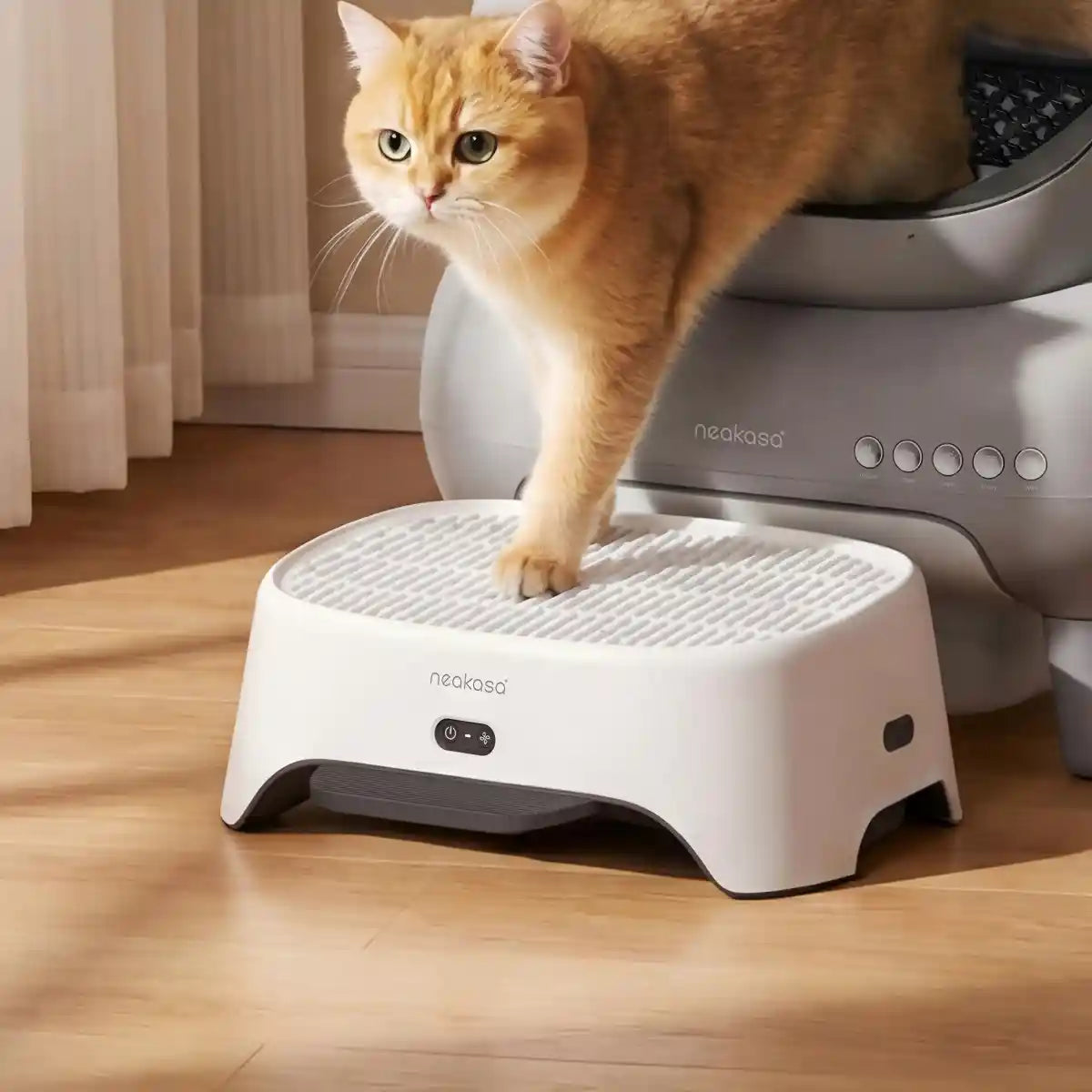
- Litter-trapping mat
- Smart app monitoring (litter levels, real-time status, remote control, and multi-cat recognition)

- Enhanced sealing stops leaks, even for side-peeing.
- Self-cleaning removes waste without daily scooping.
- Open-top design ensures safety and easy access.
- Spacious interior fits cats, up to 33 lbs.
- Sealed bin locks odors for up to 14 days.
From $379.99
5. Litter Box Smell Can Be Hard in Apartments
When the litter box is near living spaces, odor spreads fast. Odor control relies on several factors:
- Litter type
- Scooping frequency and waste sealing
- Box size and ventilation
- How often the box is washed
A sealed waste system and automatic separation (like the Neakasa M1 setup) reduces how often waste sits exposed, though it still requires good litter and regular maintenance.
For more odor-focused guidance, see Neakasa's related guide on why cat litter box smell gets so bad and practical tips to reduce litter box smell.
6. Cats May Scratch Furniture
Scratching is normal behavior used to stretch, mark territory, condition claws, and relieve stress. To prevent furniture damage:
- Place sturdy scratching posts near favorite furniture.
- Offer both vertical and horizontal scratchers.
- Reward use of the right surfaces and use furniture protectors.
- Practice gentle, safe nail trimming.
7. Travel Becomes Harder
Cats may not need daily walks, but they still need care when you travel. Food, water, litter, medication if needed, and basic health checks cannot be ignored. Even a short trip requires planning.
A self-cleaning litter box may reduce scooping frequency, but it does not replace proper check-ins, water, feeding, or health monitoring. If you travel often, decide who will visit, how often they will check the cat, and what they should do if something seems wrong.
8. Some Cats Are Picky About Litter Boxes
Litter tray design matters. International Cat Care explains that access, size, cleanliness, location, and comfort influence a cat's habits.
- Open vs. Enclosed: Some cats dislike cramped spaces or high entries. An open-top self-cleaning box like the Neakasa M1 feels closer to a traditional pan and won't make large cats feel trapped.
- Noise: Some automatic trays startle cats, so choosing a quiet, gradually introduced option is key.
9. Cats Are a Long-Term Commitment
A cat is not a short-term lifestyle accessory. Many live well into their teens. Before adopting, ask if you can care for them through:
- Housing moves
- Busy work seasons
- Family changes
- Older-age health needs
When the Litter Box Is the Main Reason Not to Get a Cat
If allergies, cost, or long-term commitment are the main barrier, the responsible answer may be to wait. But if the litter box is the main reason not to get a cat, the problem may be more manageable than you think.
| Litter box option | Best for | Tradeoff |
|---|---|---|
| Traditional litter box | Owners who want the most affordable, simple setup. | Requires daily scooping and more manual odor control. |
| Covered litter box | Owners who want to hide the view of litter and waste. | May trap odor and may feel cramped for some cats. |
| Self-cleaning litter box | Busy owners who want to reduce manual scooping. | Still requires litter refills, waste disposal, cleaning, and cat adjustment. |
| Neakasa M1 | Owners who want an open-top self-cleaning design with less scooping, odor reduction support, app monitoring, and larger-cat comfort. | Best introduced gradually, and it still needs routine maintenance. |
For multi-cat homes, litter routines matter even more because waste, tracking, and odor can build up quickly. A consistent cleaning schedule, enough litter boxes, and regular odor checks can make daily maintenance easier. If you are considering an automatic litter box, it may also help to compare open-top and enclosed designs to see which setup better fits your cats’ habits and your home space.
FAQ
Q1. Is litter box cleaning a good reason not to get a cat?
A1. Yes. It is a daily responsibility. If this is your only barrier, improved placement, waste sealing, or a self-cleaning litter box may help.
Q2. What is the hardest part of owning a cat?
A2. Keeping up with daily litter box maintenance, unexpected costs, scratched furniture, shedding, travel planning, and providing enough indoor enrichment.
Q3. Can a self-cleaning litter box make owning a cat easier?
A3. Yes, by reducing manual scooping and keeping waste from sitting exposed. However, it does not replace litter refills, deep cleaning, or checking on your cat's health.
Q4. Is Neakasa M1 good for people worried about litter box smell?
A4. Yes, it is designed to separate waste automatically into an odor-control system. However, odor management still depends on litter type, ventilation, and cleaning habits.
Final Verdict
If allergies, cost, unstable housing, frequent travel, or long-term responsibility feel overwhelming, it is okay to wait. A thoughtful no is better than adopting before you are ready.
If the litter box is your main concern, cat ownership may still be manageable with the right setup and cleaning routine. For many owners, Neakasa M1 can help reduce two of the biggest pain points: litter box odor and daily scooping, while still supporting responsible ongoing cat care.

Leave a comment
All comments are moderated before being published.
This site is protected by hCaptcha and the hCaptcha Privacy Policy and Terms of Service apply.