
Cats are incredibly popular pets, and it’s easy to see why: they perfectly fit a busy, modern lifestyle. They thrive in apartments, skip the daily walks, and are affectionate without being overly needy. However, "low-maintenance" doesn't mean "no-maintenance." From food and grooming to litter box duty, they still rely on you.
In this guide, we'll walk you through the real everyday responsibilities of bringing a feline friend home.
- Independent but affectionate: They offer loving companionship without demanding constant attention.
- Quiet & peaceful: Ideal for noise-sensitive homes and shared apartment spaces.
- Adaptable to indoors: They thrive inside and do not require a backyard.
- No daily walks: Much easier for busy owners to manage.
- Daily care required: While lower maintenance, they still absolutely need food, water, play, and a clean litter box.
Reasons Cats Make Good Pets
The best reasons to get a cat are practical as well as emotional. Cats can offer companionship, routine, and entertainment, but they often do it in a way that fits smaller homes and less intensive daily schedules.
1. Cats Are Independent but Still Affectionate
Cats don't demand constant attention and are perfectly happy relaxing while you work or cook. However, this independence doesn't mean they are distant. They simply show their love in quieter ways, such as:
- Rubbing against your legs
- Sitting quietly by your side
- Following your daily routines
- Choosing to bond closely with their favorite person
2. Cats Can Adapt Well to Apartments
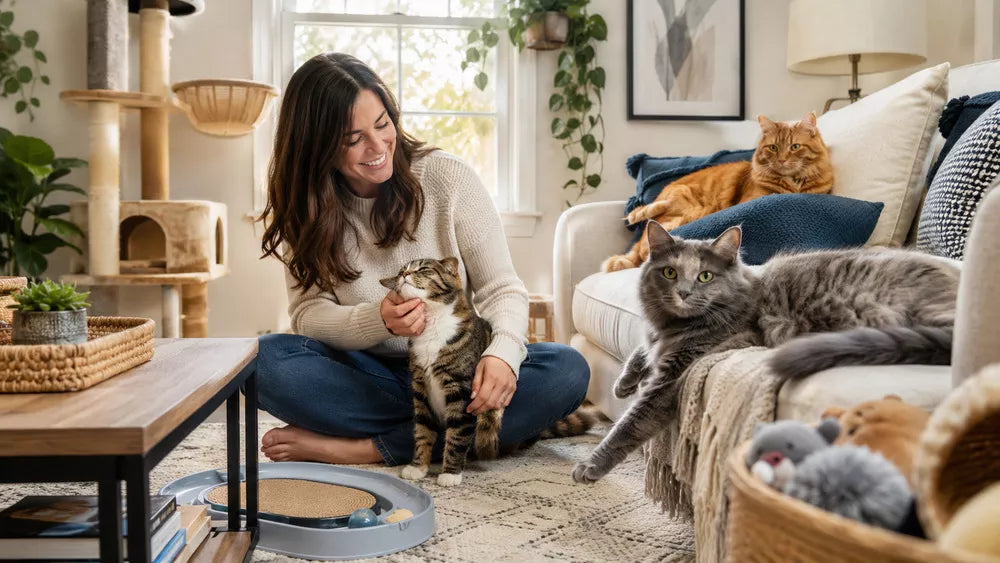
You don't need a backyard to keep a feline friend happy. Because their enrichment can happen indoors, cats are perfectly suited for apartment living. An ideal apartment-friendly setup should include:
- Vertical space: A cat tree or wall shelves.
- Scratching options: A dedicated scratching post or pad.
- A view: A cozy window observation spot.
- A quiet bathroom: A thoughtfully placed litter box away from their food and high foot traffic.
3. Cats Do Not Need Daily Walks
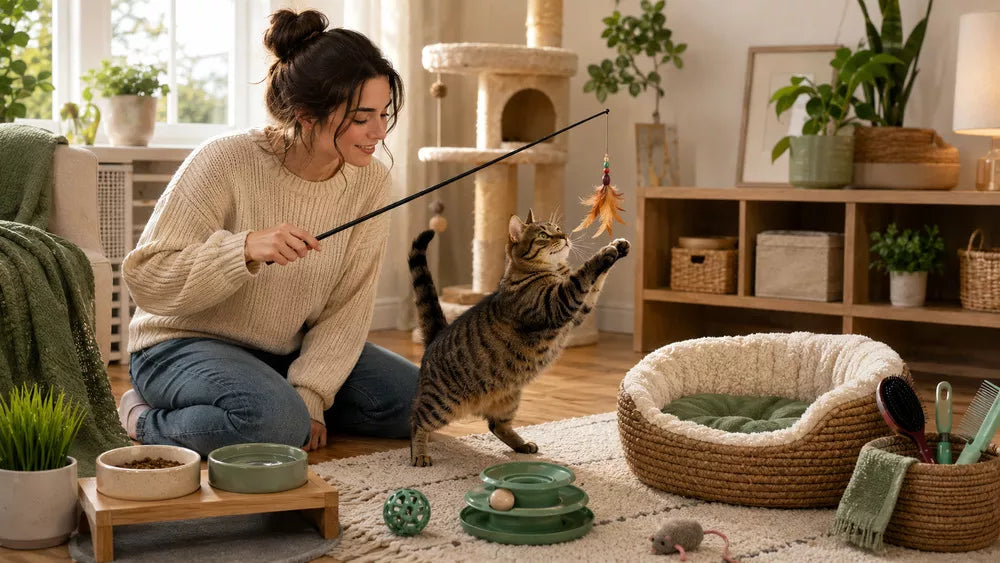
One of the biggest perks for busy professionals, apartment residents, or older adults is that cats don't need to be walked outside every day. You won't have to brave bad weather for a potty break, though they do still need indoor action to stay healthy. You can easily keep them stimulated through:
- Short, daily play sessions
- Interactive wand or chase toys
- Climbing structures
- Food puzzles and enrichment games
4. Cats Are Usually Quiet Companions
Compared to many other pets, cats are incredibly quiet. This makes them a fantastic fit for noise-sensitive households, small spaces, or shared apartment buildings. While some individual cats might be a bit more vocal, a cat's presence usually adds a calm, peaceful vibe to your living space rather than extra noise.
5. Cats Can Help Create a Calmer Home Routine
Cats naturally settle into predictable daily rhythms centered around their meals, naps, and playtime. For owners who enjoy quiet companionship, this gentle structure can make a home feel more grounded and steady. While you still have to put in the work for their daily care, their comforting presence can bring a wonderful sense of calm to your everyday life.
Are Cats Really Low Maintenance?
Cats are often described as low maintenance because they do not need daily walks and can spend time independently. A better way to say it is that cats are lower maintenance in some areas, but they still need consistent daily care.
What Cats Still Need Every Day
Before bringing a feline friend home, it’s crucial to understand what their daily routine actually looks like. Their needs might be straightforward, but they are entirely non-negotiable. To keep a cat healthy and happy, you must provide:
- Fresh food and water
- Active playtime and mental enrichment
- Routine grooming
- A meticulously clean litter box
- Safe, comfortable resting spaces
- Regular veterinary care
The Litter Box Is the Biggest Daily Task
You might get to skip the early morning walks, but indoor cats trade that for a different bathroom requirement. Without a doubt, the litter box is the most repetitive and significant daily responsibility of cat ownership.
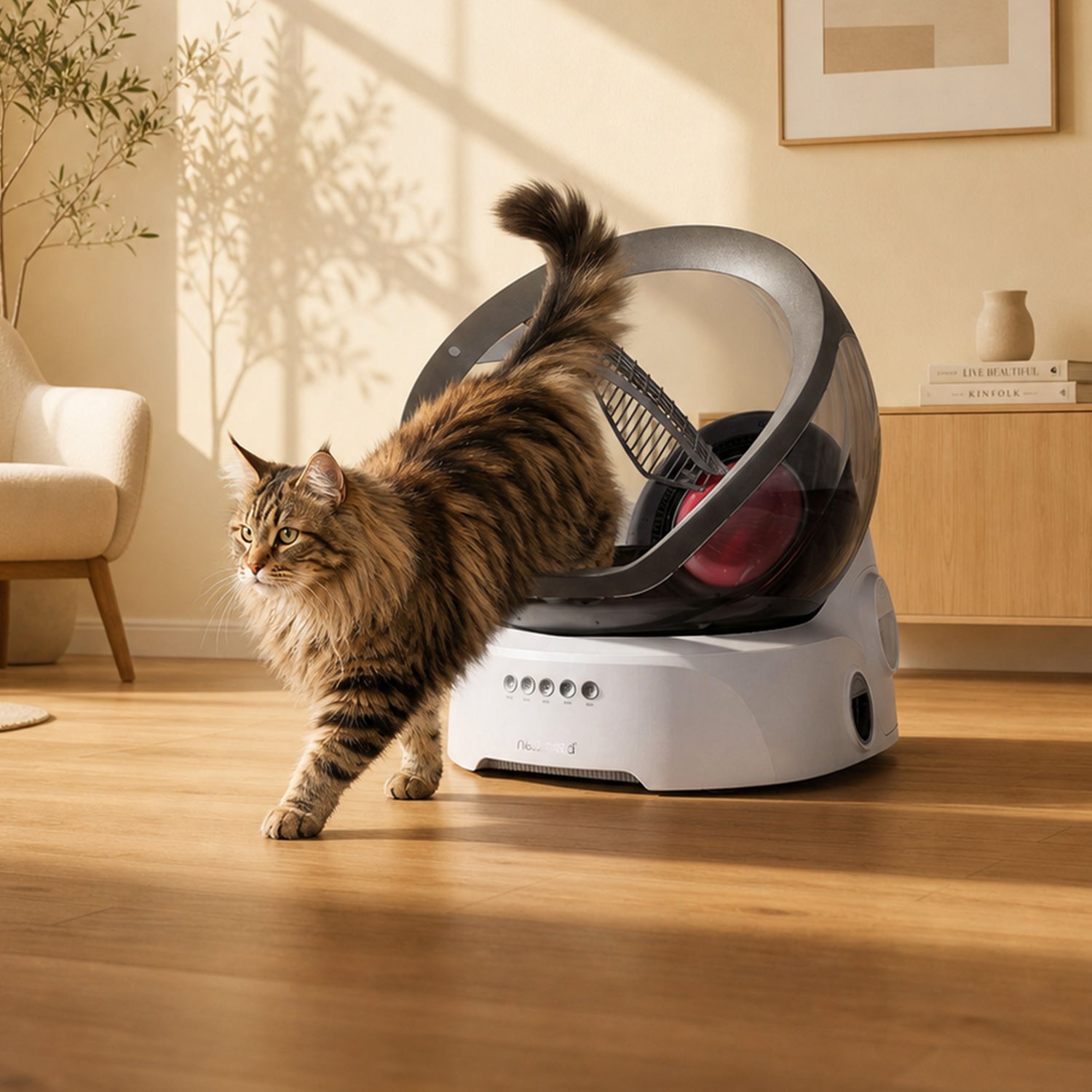
Maintaining a clean litter routine matters just as much for your cat's comfort as it does for yours. If the thought of daily scooping is your main hesitation, investing in an open-top self-cleaning litter box can drastically reduce the repetitive scooping, even though basic routine maintenance is still required.

- Enhanced sealing stops leaks, even for side-peeing.
- Self-cleaning removes waste without daily scooping.
- Open-top design ensures safety and easy access.
- Spacious interior fits cats, up to 33 lbs.
- Sealed bin locks odors for up to 14 days.
From $379.99
Looking for more insights?
- If you are specifically worried about keeping your home smelling fresh, read our Guide on how to reduce litter box smell.
Why Cats Make Good Pets for Different Lifestyles
Cats can fit several household types, but each lifestyle still comes with responsibilities. This table summarizes where cats may fit well and what owners should plan for before adopting.
| Lifestyle | Why cats may fit | What owners still need to manage |
|---|---|---|
| Apartment owners | Cats do not need a yard and can live well indoors. | Litter box placement, odor control, enrichment. |
| Busy professionals | Cats can be more independent than some pets. | Feeding, water, playtime, litter box cleaning. |
| Families | Cats can be playful and affectionate companions. | Supervision, scratching behavior, child-pet boundaries. |
| Older adults | Cats can offer quiet companionship. | Vet care, lifting litter, cleaning routines. |
| First-time pet owners | Cats can be easier to start with than some pets. | Costs, routine, long-term responsibility. |
| Multi-cat households | Cats can live with other cats when introduced properly. | More waste, more odor risk, more litter tracking. |
How to Make Cat Ownership Easier
The easiest cat homes are not complicated. They usually have predictable routines, a good litter setup, and a plan for daily enrichment.
1. Build a Simple Feeding and Play Routine
A reliable routine is a win-win for both you and your pet. Felines naturally feel much more secure and relaxed when their meals, playtime, and quiet hours follow a familiar pattern. A practical, everyday routine should include:
- Feeding meals at consistent times
- Checking and refreshing their water daily
- Engaging in short, daily play sessions with interactive toys
- Providing access to climbing structures, scratching posts, or puzzle games
- Keeping morning and bedtime habits predictable
2. Choose the Right Litter Box Setup
Getting your litter box setup right from the start can prevent a lot of future frustration. It’s important to think about size, location, litter type, odor control, and cleaning frequency before any behavioral problems arise. A highly effective setup generally includes:
- The right size: A box large enough for your cat to comfortably turn around and dig.
- A peaceful spot: A calm, easily accessible location away from high traffic and loud noises.
- Acceptable litter: A texture and type of litter that your cat actually likes using.
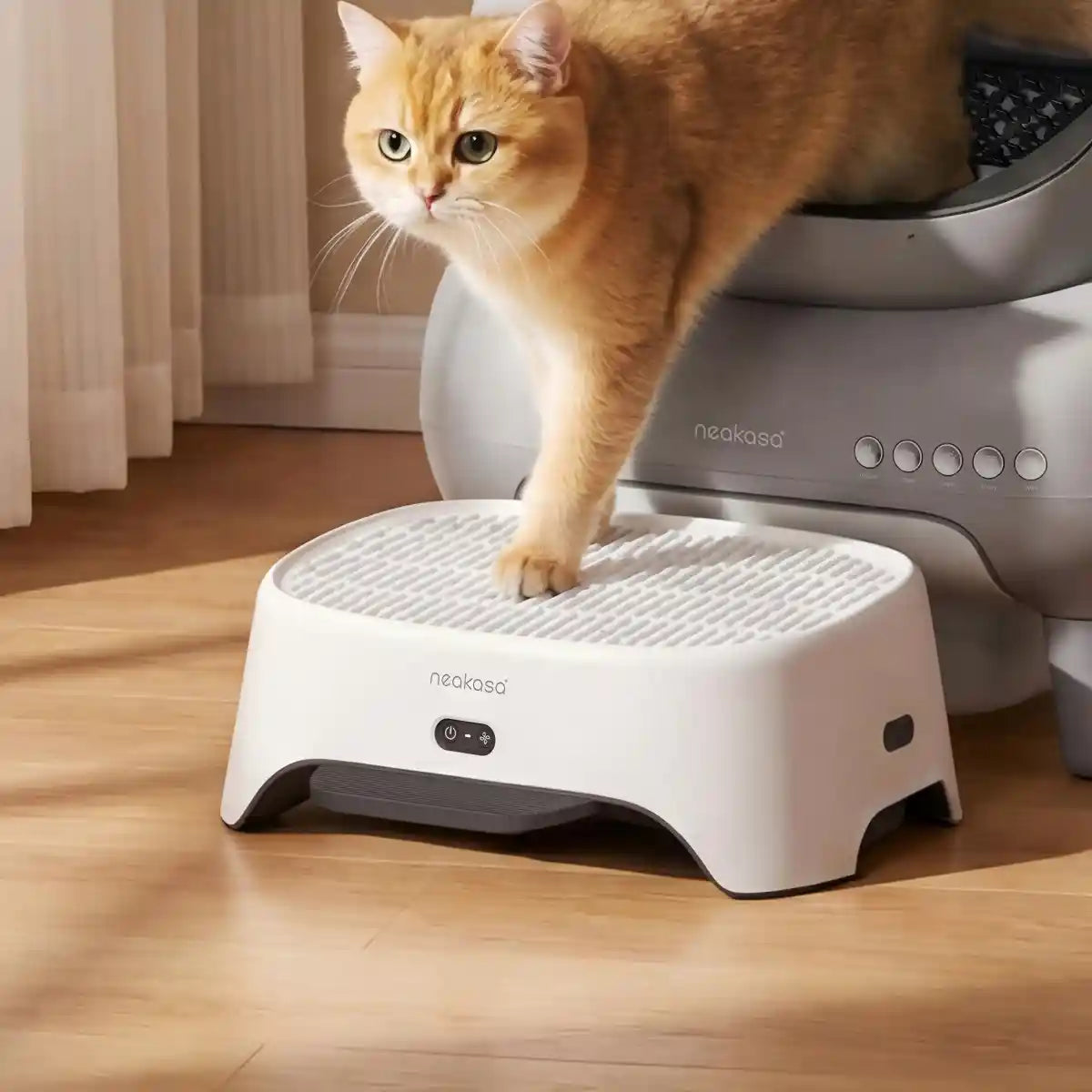
- Consistent hygiene: Diligent daily scooping and periodic deep washing of the box.
- Odor management: Good ventilation and a proper waste disposal plan to keep smells at bay.
FAQ
Q1. Why do cats make good pets?
A1. Cats make good pets because they can be independent, affectionate, quiet, playful, and adaptable to indoor living. They often fit apartments and busy households, but they still need daily care, enrichment, vet care, and a clean litter box.
Q2. Are cats good pets for apartments?
A2. Yes, cats can be good pets for apartments because they do not need a yard or daily walks. They still need vertical space, scratching options, playtime, and thoughtful litter box placement.
Q3. Are cats good pets for busy owners?
A3. Cats can be good pets for some busy owners because they are often more independent than dogs. Busy owners still need to provide food, fresh water, playtime, grooming, litter box cleaning, and vet care.
Final Thoughts
Cats can make good pets for people who want independent companionship, a quieter home routine, and an apartment-friendly pet. They can be easier than some pets in specific ways, but they are still a long-term responsibility.
If your main hesitation is litter box cleaning, the right litter box system may reduce the daily friction. For some owners, Neakasa M1 can be one option to consider because it supports an open-top self-cleaning routine while still requiring responsible maintenance.

Leave a comment
All comments are moderated before being published.
This site is protected by hCaptcha and the hCaptcha Privacy Policy and Terms of Service apply.