
Finding pee outside the litter box or watching your cat strain in pain is incredibly stressful. Rather than acting out, your cat is likely crying for help due to feline lower urinary tract disease (FLUTD)—often caused by microscopic crystals scraping against their bladder.
But exactly what causes crystals in cat urine? Let’s uncover the real biological, environmental, and dietary triggers behind these painful crystals, and learn how to stop them for good.
- Crystals are not stones (yet): Crystals are microscopic minerals that can clump together to form dangerous bladder stones or deadly urethral blockages.
- Diet matters, but so does stress: Dry kibble and dehydration are primary culprits, but psychological stress and dirty litter boxes can physically force a cat to “hold their pee,” leading to crystal formation.
- Male cats are at highest risk for blockages: While both male and female cats get crystals, male cats have a very narrow urethra. A blockage is a life-or-death emergency.
- Technology can save lives: Smart litter boxes and water fountains are practical investments for early detection and prevention.
Two Main Types of Urinary Crystals
Before fixing the problem, we need to know the enemy. A veterinarian will run a urinalysis to determine exactly which type of crystal is forming in your cat’s bladder.
1. Struvite Crystals: The Alkaline Byproduct
Struvite crystals were once the absolute most common type of urinary crystal found in felines. They develop when a cat's urine becomes too alkaline (high pH), creating an environment where excess minerals easily bind together.
- Composition: They are primarily made up of magnesium, ammonium, and phosphate.
- Common Causes: These crystals are typically triggered by diets that are too high in certain plant-based proteins and specific minerals.
- Treatment Outlook: The good news is that struvite crystals can often be entirely dissolved over a few weeks using a specific, vet-prescribed urinary care diet designed to gently acidify the urine.
2. Calcium Oxalate: The “Modern Diet” Dilemma
The rise of calcium oxalate crystals reveals a frustrating pet industry secret. In an effort to combat struvite crystals in the 1980s and 90s, many commercial pet food companies began heavily acidifying their kibble. This massive over-correction led to an unintended consequence—a sudden spike in calcium oxalate crystals among indoor cats.
- Ideal Environment: Unlike struvites, these crystals thrive in highly acidic urine (low pH).
- Common Causes: They are a direct result of over-acidified commercial pet foods and mineral imbalances within the modern feline diet.
- Treatment Outlook: The bad news is that calcium oxalate crystals cannot be dissolved with dietary changes or medication. If they form into problematic stones, they must be physically or surgically removed by a veterinarian.
| Feature | Struvite Crystals | Calcium Oxalate Crystals |
|---|---|---|
| Ideal Environment | Alkaline urine (High pH) | Acidic urine (Low pH) |
| Primary Triggers | High magnesium/phosphorus; plant proteins | Over-acidified pet foods; mineral imbalances |
| Can Diet Dissolve It? | ✅ Yes. Often dissolves with vet diets. | ❌ No. Stones require physical removal. |
| Historical Context | Most common crystal before the 1990s. | Spiked after diets were over-acidified to fight struvites. |
3 Hidden Causes of Cat Urine Crystals
So, what causes crystals in cat urine to suddenly appear? It usually comes down to a perfect storm of three hidden triggers.
1. The “Desert Animal” Clash with Dry Kibble
Cats are descendants of desert-dwelling felines, meaning they possess an incredibly low natural "thirst drive." In the wild, cats receive up to 70% of their daily hydration directly from the prey they hunt, rather than from drinking standing water.
- The Kibble Problem: Modern indoor cats fed a strict diet of 100% dry kibble (which contains only about 10% moisture) often live in a state of chronic, mild dehydration.
- The Physical Response: To conserve water, a cat's body adapts by highly concentrating their urine.
- The Result: This dark, highly concentrated urine creates the perfect, stagnant breeding ground for minerals to crash out of the liquid and crystallize.
2. The “Holding It In” Syndrome (Stress & Environment)
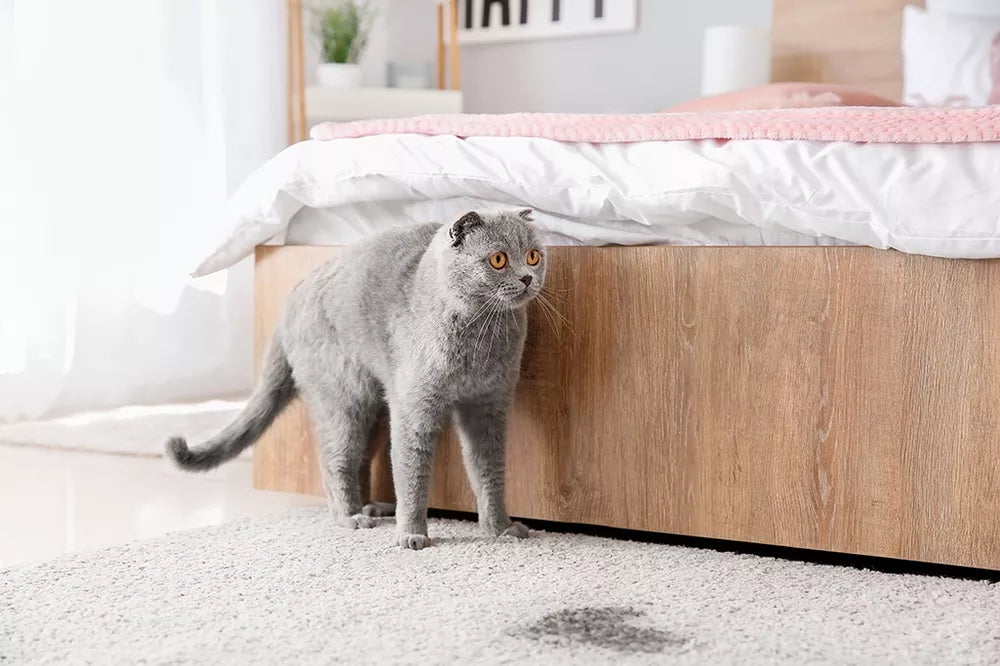
This is the psychological trigger most pet parents completely miss. If a cat feels stressed or unsafe, they will actively avoid the litter box and hold their urine. The longer urine sits stagnant in the bladder, the more time minerals have to bond together into sharp crystals. Common environmental stress triggers include:
- Territorial Bullying: In multi-cat homes, a dominant cat might guard the hallway or room leading to the litter box, trapping the submissive cat.
- Poor Hygiene: Cats are meticulously clean creatures. If the box is full of waste, they will simply refuse to step inside.
- Bad Placement: A litter box placed next to a loud, vibrating washing machine or in a high-traffic area strips away the privacy and safety cats crave.
3. Mineral Imbalances & Sneaky Treats
Even if you are feeding your cat a high-quality, vet-approved main diet, daily treats and extra supplements can quickly throw off their delicate mineral balance. When a cat's kidneys are overwhelmed, they dump the excess minerals directly into the bladder. Be on the lookout for:
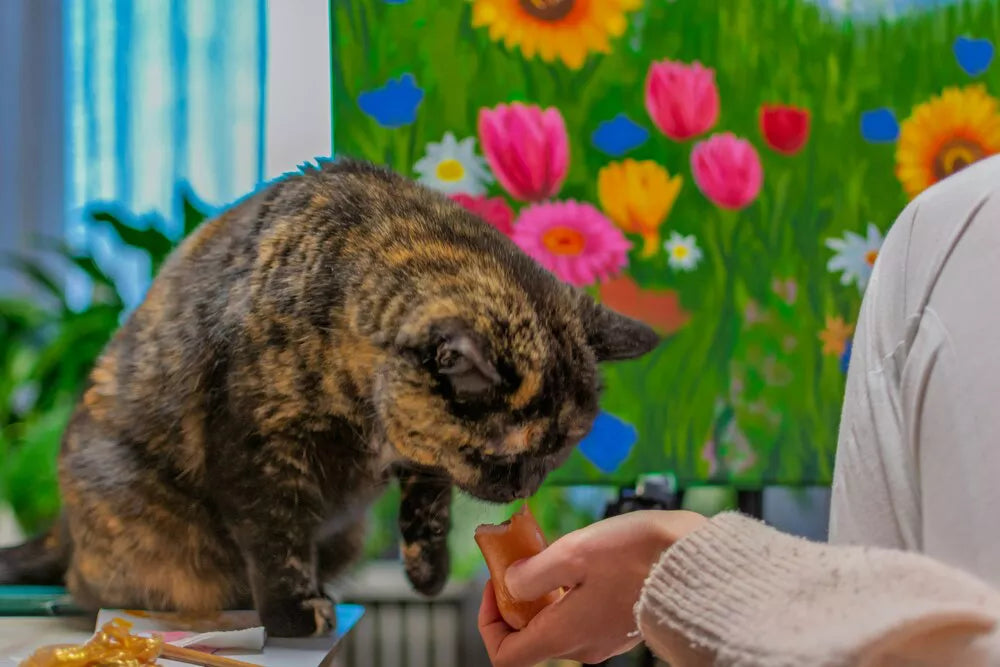
- High-Ash Treats: Many cheap, commercial cat treats contain high levels of "ash" (inorganic mineral residue), which directly contributes to crystal formation.
- Low-Quality Broths: While adding moisture is good, certain store-bought pet broths or human-grade stocks contain added sodium or unbalanced minerals.
- Improper Calcium-to-Phosphorus Ratio: An imbalanced ratio in dietary supplements or homemade food toppers can rapidly accelerate the formation of urinary crystals.
The Pet Parent’s Action Plan: Low-Cost Prevention Tactics
Once your vet has treated the immediate medical issue, prevention is in your hands.
1. Build a “5-Star” Hydration Station
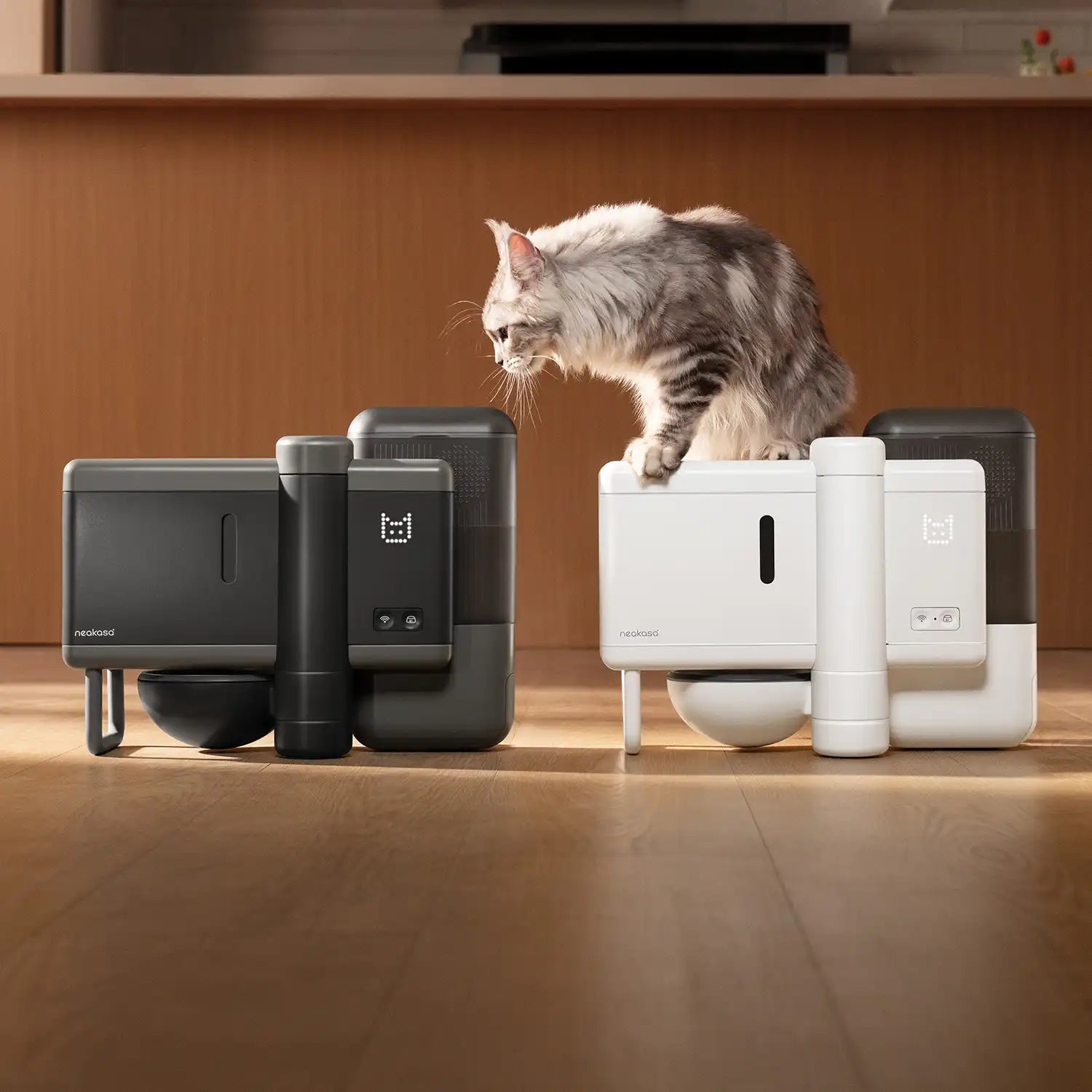
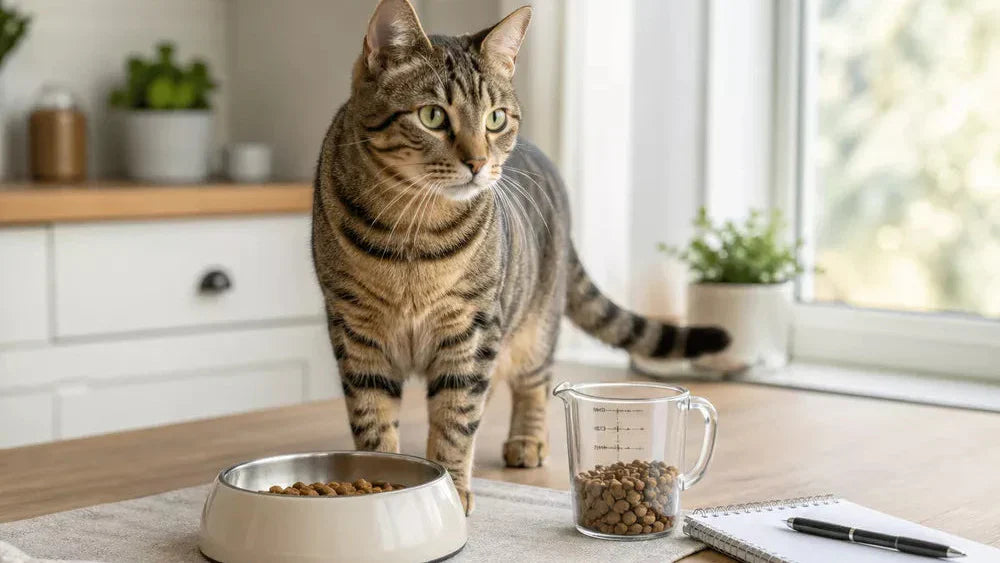
Dilution is the solution to pollution. The more water moving through your cat’s bladder, the harder it is for crystals to form. Switch to high-quality wet canned food, and invest in a continuously flowing pet water fountain, as cats instinctively avoid stagnant water.
2. The Golden “N+1” Litter Box Rule
Veterinarians universally recommend the “N+1 Rule” for litter boxes: You should have one box for every cat in the house, plus one extra. Spread them out across different floors or rooms so a timid cat always has a safe, unguarded option.
Track Bathroom Habits with Smart Tech
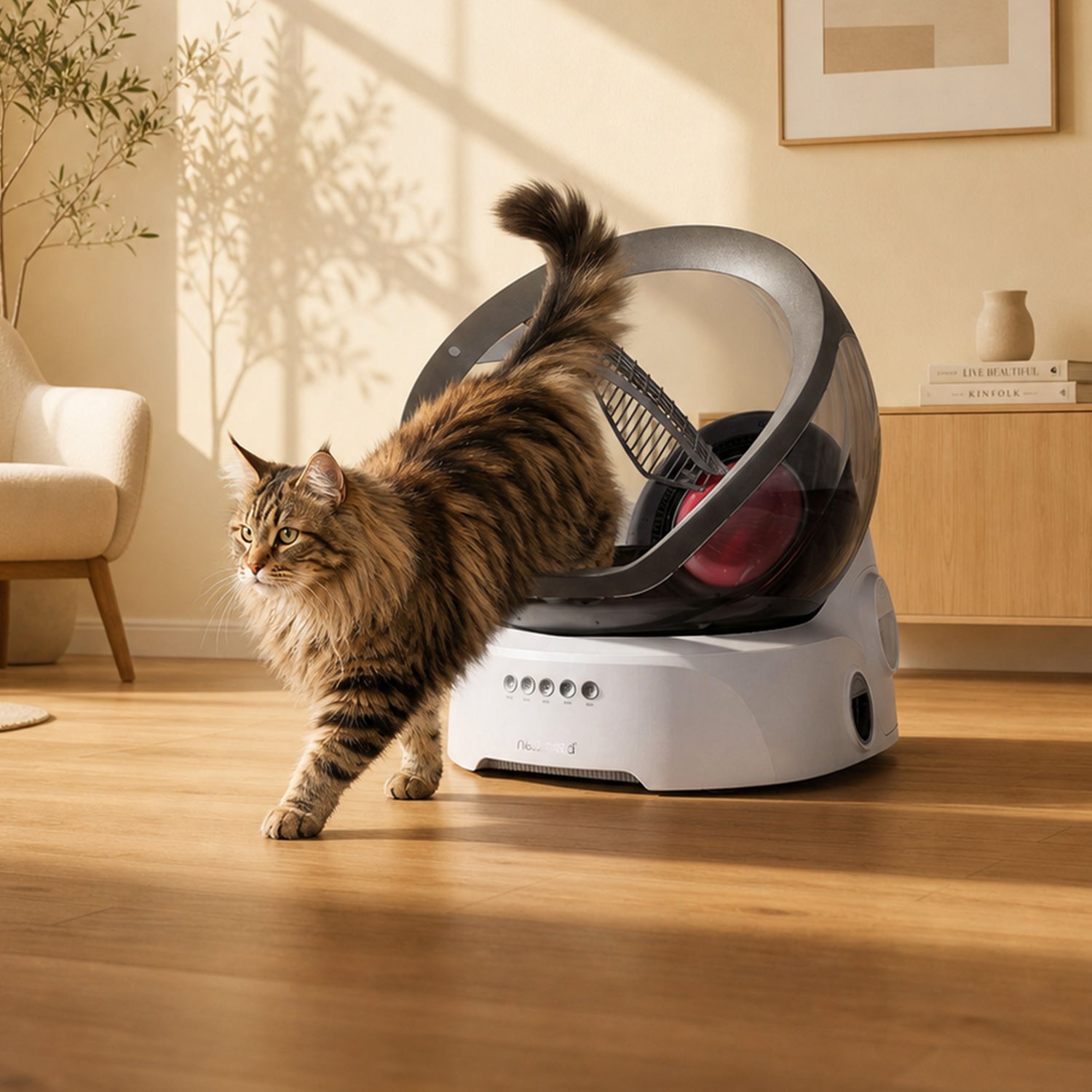
Because cats are masters at hiding pain, you might not notice they are visiting the litter box 15 times a day until it becomes an emergency. This is where the Neakasa M1 Smart Litter Box becomes a true lifesaver.
Unlike traditional enclosed models, the Neakasa M1 features an open-top design that reduces stress for cats who feel vulnerable while doing their business. More importantly, its integrated health-tracking system acts as a 24/7 feline nurse. Through the Neakasa app, you receive real-time data on:
- Visit Frequency: If your cat suddenly doubles their daily trips, you’ll know instantly.
- Weight Tracking: Precise sensors detect subtle weight changes, often an early sign of FLUTD-related stress.
- Duration of Use: Long sessions with zero output are a major red flag for crystal blockages.
By catching these behavioral shifts early, the Neakasa M1 allows you to consult a vet before a few crystals turn into a life-threatening blockage.

- Enhanced sealing stops leaks, even for side-peeing.
- Self-cleaning removes waste without daily scooping.
- Open-top design ensures safety and easy access.
- Spacious interior fits cats, up to 33 lbs.
- Sealed bin locks odors for up to 14 days.
From $379.99
Red Alert: When to Rush to the Emergency Vet!
While dietary changes can manage crystals long-term, a urinary blockage is a life-or-death emergency. Male cats have a urethra that is as narrow as a pinhole. Even a tiny plug of mucus and crystals can completely block their ability to urinate.
Toxins will back up into the bloodstream, causing kidney failure and cardiac arrest within 24 to 48 hours.
Rush to the emergency vet immediately if you notice:
- Zero Output: Straining in the litter box but producing no urine (or only a single drop of blood).
- Vocalizing Pain: Howling, crying, or growling while trying to use the box.
- Behavioral Changes: Obsessively licking their genital area.
- Systemic Distress: Vomiting, extreme lethargy, or hiding in unusual places.
FAQs
Q1. Can cat urine crystals dissolve on their own?
A1. It depends on the type. Struvite crystals can often dissolve within weeks using a vet-prescribed urinary diet. Calcium oxalate crystals, however, cannot dissolve and require physical removal if they become stones. Never wait for symptoms to clear up on their own.
Q2. Are male cats more prone to urinary crystals than female cats?
A2. Both form crystals at similar rates, but male cats face a much higher risk of fatal blockages. A male cat's very narrow urethra is easily blocked by crystals, whereas a female's wider urethra can often pass them.
Q3. How much water should my cat drink daily to prevent crystals?
A3. Cats generally need about 4 ounces of water per 5 lbs of body weight daily (~60ml/kg). Cats on a wet food diet get most of this from their meals, while kibble-fed cats must drink significantly more from a bowl or fountain to stay hydrated.
Conclusion
Understanding what causes crystals in cat urine is the first step in protecting your furry best friend from a painful and dangerous condition. By respecting their “desert biology” through high-moisture diets, creating a stress-free litter box environment, and utilizing modern monitoring tools, you can keep their urinary tract healthy and your vet bills low.
Is your cat a picky drinker? What sneaky tricks have you used to get them to drink more water? Share your success stories in the comments below to help other pet parents out!

Leave a comment
All comments are moderated before being published.
This site is protected by hCaptcha and the hCaptcha Privacy Policy and Terms of Service apply.