
Kittens grow quickly, and their feeding needs change just as fast. Moving from milk to solid food is an important step, but it should happen gradually.
Most kittens can start eating wet food at around 3–4 weeks old, when weaning begins. Start with a soft mixture of complete kitten food and kitten milk replacer. Milk still provides important nutrition during this transition. Many kittens are fully weaned by around 6–8 weeks, although some take longer.
This guide explains when to introduce wet and dry food, how to plan meals, and what to look for when choosing food for a growing kitten.
- Start wet food at around 3–4 weeks: Offer a soft mixture of complete wet kitten food and properly prepared kitten milk replacer.
- Wean gradually: Continue nursing or kitten formula while introducing food. Most kittens are ready to stop milk feeds by around 6–8 weeks.
- Choose food made for growth: Look for complete and balanced kitten food or food suitable for all life stages.
- Offer small, frequent meals: Four meals a day is a practical starting point for a healthy, fully weaned kitten.
- Adjust portions as your kitten grows: Use the food’s feeding guide and your vet’s advice, and count wet and dry food together.
- Provide fresh water: Introduce a shallow water bowl when weaning begins and keep it available.
- Watch appetite and weight gain: Contact your vet if your kitten refuses food, seems unwell, or is not growing steadily.
When Can Kittens Eat Wet Food?
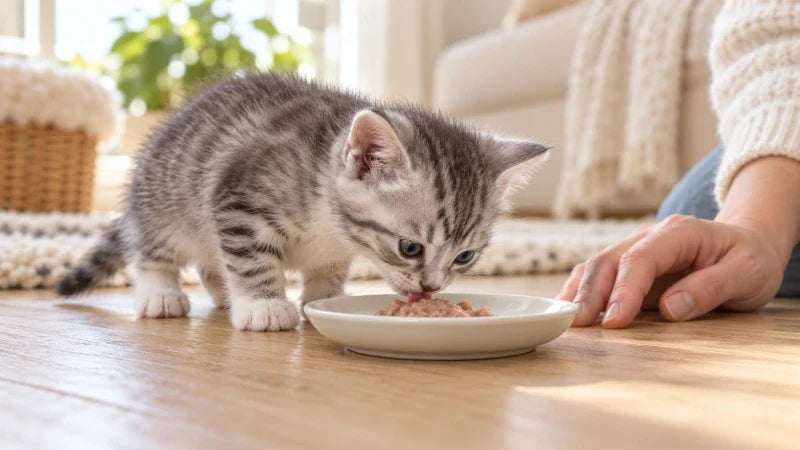
Kittens can usually have their first taste of wet food at about 3–4 weeks old. At this stage, they are learning to lap from a shallow dish and becoming more interested in food.
If you are wondering when kittens can eat soft food, this early weaning stage is the usual starting point. A smooth kitten-food mixture is easier to explore than firm chunks.
Start with complete wet kitten food mixed with kitten milk replacer prepared according to its instructions. Offer a small amount in a shallow dish while the kitten continues nursing or receiving appropriate formula feeds. Gradually make the mixture thicker as eating skills improve.
A Simple Kitten Feeding Timeline
| Age | Typical feeding stage |
|---|---|
| Birth to around 3–4 weeks | Mother's milk or a suitable kitten milk replacer |
| Around 3–4 weeks | Begin supervised introductions to soft wet kitten food |
| Around 4–6 weeks | Gradually increase kitten food as the kitten becomes more confident eating |
| Around 6–8 weeks | Many kittens can eat complete kitten food independently; confirm they are ready before ending milk feeds |
| After weaning | Continue a complete diet appropriate for growth, with fresh water available |
These ages are guides, not deadlines. Watch whether your kitten eats enough and continues gaining weight. An orphaned, unwell, or poorly growing kitten needs an individual feeding plan from a vet.
When Can Kittens Eat Dry Food?
Kittens can begin exploring softened kitten kibble during weaning. Some start nibbling dry food at around 5–6 weeks, and many can manage wet or dry kitten food by 6–8 weeks. Their readiness matters more than reaching a particular birthday.

Choose small kibble made for kittens. If needed, soften it with warm water and offer a fresh portion in a shallow bowl. Discard uneaten softened food promptly rather than leaving it out like dry kibble.
You do not have to replace wet food with dry food. You can feed wet food, dry food, or both. Choose complete and balanced kitten food, and adjust portions to meet your kitten’s daily calorie needs.
If you combine both types, count them together. Feeding a full daily serving of each can provide too much food.
How Much Food Should You Feed a Kitten?
There is no single number of cans, pouches, or grams that suits every kitten. The right amount depends on age, weight, growth, activity, and the food's calorie content.
Start with the feeding instructions for your kitten's current age and weight. Check the amount with your vet, then adjust it as your kitten grows. Most kittens benefit from having their daily food divided into several small meals.

Calculate Portions Using the Food's Calories
Look for “kcal per can,” “kcal per pouch,” or “kcal per kilogram” on the label.
Daily food amount = recommended daily calories ÷ calories per unit of food
For example, if your kitten needs 240 kcal a day and each pouch provides 80 kcal, you would feed three pouches daily. Across four meals, that is three-quarters of a pouch per meal.
This is a calculation example, not a calorie recommendation for every kitten. Subtract calories supplied by other foods before working out the wet-food portion.
Keep a record of weight and appetite so you can discuss changes at veterinary visits. Avoid restricting a growing kitten's food to keep them small.
Our guide to how much a cat should eat a day explains calorie-based portioning in more detail. Its adult feeding targets should not be used for growing kittens.
Kitten Feeding Schedule
Small, regular meals make it easier to spread food intake throughout the day. For a recently weaned kitten, four small meals are a practical starting point. Adjust the routine to their age, appetite, and veterinary advice.
Example Schedule for a Healthy, Fully Weaned Kitten
| Time | Meal |
|---|---|
| 7:00 a.m. | Breakfast |
| 12:00 p.m. | Midday meal |
| 5:00 p.m. | Early evening meal |
| 10:00 p.m. | Bedtime meal |
Divide the daily food allowance across these meals. The times are examples, so move them to fit your household.
This schedule is not for newborn or bottle-fed kittens. Unweaned kittens need a separate milk-feeding routine, which may include overnight feeds.
As your kitten grows, work with your vet to adjust meal sizes and how often you feed them.
Making Scheduled Meals Easier After Weaning
Once your kitten is fully weaned and eating independently, an automatic feeder may help with a consistent meal routine.
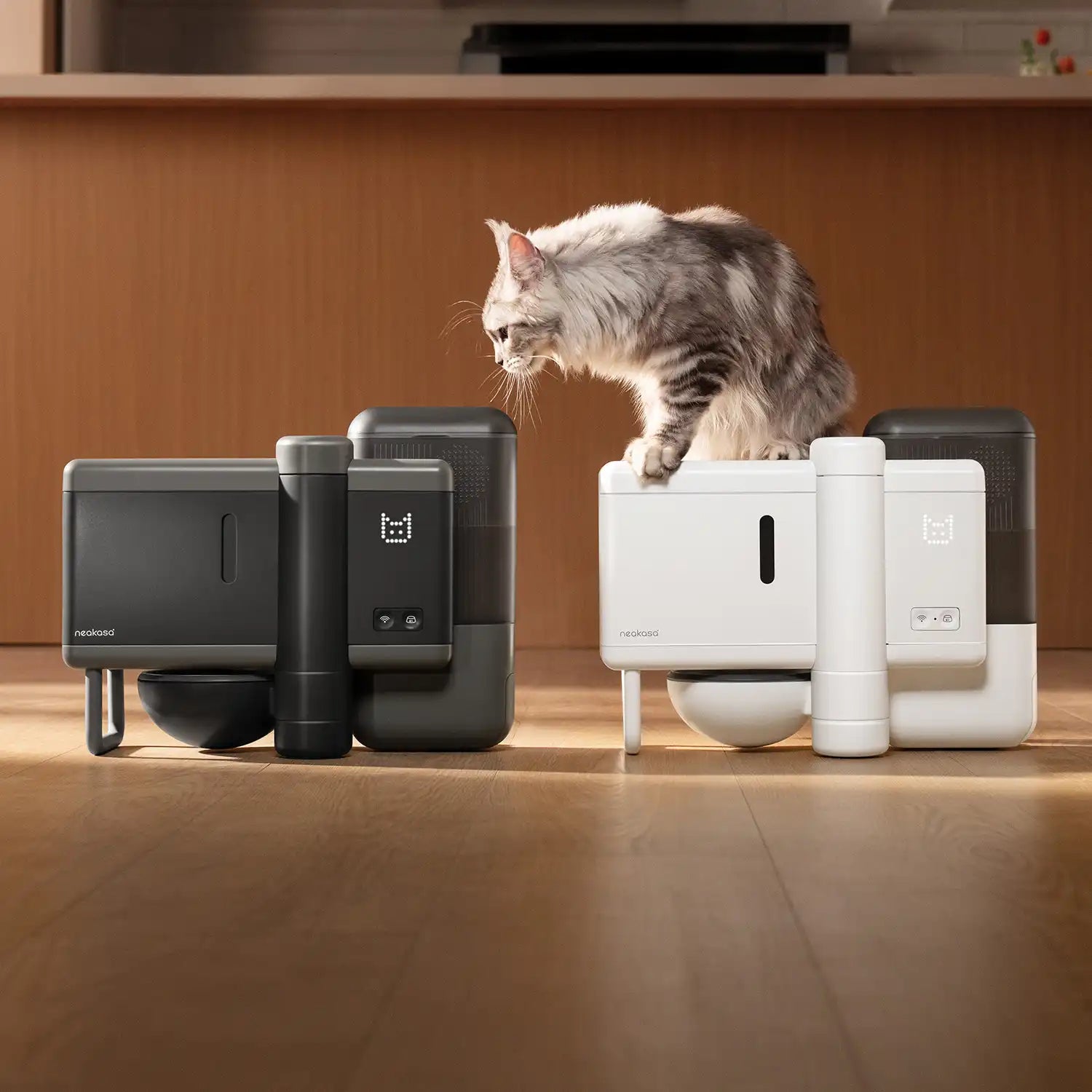
The Neakasa Riko Fresh-Made Wet Meal Feeder grinds compatible freeze-dried food and adds room-temperature water at mealtime. Its app lets you schedule meals and adjust portions, making small, regular servings easier to manage.
Choose food that is complete and balanced for kittens and compatible with the feeder. Check the manufacturer's age and size guidance, and supervise initial use.
Riko turns compatible freeze-dried food into wet meals. It cannot dispense canned kitten food or replace bottle-feeding. Check actual food intake daily, even when meals are scheduled automatically.
See the Neakasa Riko feeding guide for setup and feeding modes.
Best Kitten Food Options
The best kitten food provides complete nutrition for growth and is something your kitten can eat comfortably and consistently.
Look for Complete Nutrition for Growth
For US products, check the nutritional adequacy statement. Look for a food formulated for growth or all life stages, rather than adult maintenance alone. Kitten growth requires a different nutrient balance from adult maintenance.
Treats, toppers, and complementary foods should not replace a complete kitten diet. Soft food or packaging featuring a kitten does not guarantee complete nutrition. Check the label to make sure the food is complete and balanced for kittens.
Choose a Suitable Texture
| Food option | What to consider |
|---|---|
| Complete kitten pâté | Easy to mash into a smooth mixture during weaning |
| Complete kitten food in small, soft pieces | Suitable once the kitten handles more texture comfortably |
| Complete dry kitten food | Can be introduced gradually, softened if needed |
| A combination of wet and dry kitten food | Count calories from both within the daily feeding plan |
| Rehydrated freeze-dried food | Verify growth-stage nutrition, food safety, preparation instructions, and feeder compatibility if applicable |
Freeze-dried food is not automatically cooked. Raw freeze-dried products can carry harmful germs, and adding water does not make them safe. CDC does not recommend raw pet food. Discuss any freeze-dried diet with your vet, especially for a young kitten.
Keep Feeding for Growth
Most kittens need kitten food until around 12 months of age. The right time to change to adult food depends on growth and individual needs, so confirm the timing with your vet.
Common Feeding Mistakes to Avoid
Ending Milk Feeds Too Soon
Tasting wet food does not mean a kitten is fully weaned. Continue appropriate milk feeding until the kitten reliably eats enough kitten food.
Using Cow's Milk Instead of Kitten Formula
Orphaned kittens need a suitable kitten milk replacer. Cow's milk is not an appropriate substitute for a kitten's nutritional needs. Ask your vet for help choosing and preparing formula.
Choosing Adult Food as the Main Diet
Adult maintenance food may not provide the nutrient balance a growing kitten needs. Check the life-stage statement rather than choosing only by flavor or texture.
Changing Food Too Quickly
When changing an established diet, introduce the new food gradually. Start with a small amount alongside the familiar food and increase it as tolerated. If your kitten develops vomiting, diarrhea, or poor appetite, contact your vet.
Leaving Wet Food Out for Long Periods
Serve small, fresh portions. Follow the food manufacturer's instructions for room-temperature serving and refrigeration after opening. Wash bowls and utensils after meals with a pet-safe dishwashing detergent, rinse thoroughly, and let them dry.
Assuming Every Scheduled Meal Was Eaten
A feeder dispensing food does not prove your kitten ate it. Check the bowl, watch early meals, and record any clear change in appetite.
Waiting Too Long When a Kitten Seems Unwell
Food refusal, poor weight gain, repeated vomiting, diarrhea, or unusual tiredness should prompt veterinary advice. Young kittens can deteriorate quickly, so do not wait for a feeding problem to resolve on its own.
Benefits of Wet Food for Kittens
Adds Moisture to Meals
Canned cat food commonly contains at least 75% moisture, so it contributes water as well as nutrients. Keep fresh drinking water available even when wet food is the main diet.
Offers a Soft Texture During Weaning
Smooth wet kitten food can be mixed into a soft meal and gradually thickened as the kitten learns to eat. This makes it a useful option for the transition from milk.
Provides Variety in Texture and Flavor
Once your kitten is eating well, suitable wet foods can introduce different textures. Make changes gradually and keep complete growth-stage nutrition as the priority.
Makes Individual Meals Easy to Observe
Serving small portions lets you see how much remains after each meal. This can be useful when learning your kitten's usual appetite or feeding several cats separately.
Wet food is one feeding option, not a guarantee that a diet is suitable. For a broader comparison, read Is Wet Food Better for Cats?
How Do You Introduce Wet Food to Kittens?

1. Choose a Complete Wet Kitten Food
Start with a smooth pâté or another food that can be mashed easily. Check that it is intended for growth.
2. Make a Soft Mixture
For a kitten beginning weaning, mix the food with properly prepared kitten milk replacer. Serve it lukewarm, not hot. Follow the formula's preparation instructions before adding it to food.
3. Offer a Small Amount in a Shallow Dish
Let the kitten sniff, lick, and explore at their own pace. Do not push their face into the dish or force food into their mouth.
4. Continue Appropriate Milk Feeds
Early tastes of food supplement the weaning process. They do not immediately replace nursing or bottle-feeding.
5. Increase Texture Gradually
As eating becomes easier, reduce the added liquid and offer more kitten food. Watch each kitten individually rather than assuming a whole litter progresses at the same speed.
6. Monitor Comfort, Appetite, and Growth
Look for steady eating and weight gain. If your kitten struggles to swallow, coughs during feeding, or fails to gain weight, seek veterinary advice.
For an already-weaned kitten moving into a new home, begin with the food they know. You can introduce a different wet kitten food gradually once they are settled.
FAQ
Can Kittens Eat Wet Food?
Yes. Kittens can usually start trying wet kitten food at around 3–4 weeks old as part of gradual weaning. Choose a complete food for growth and continue appropriate milk feeds until they can meet their needs through kitten food.
Do Kittens Need High-Calorie Food?
Kittens need more energy relative to their body weight than adult cats because they are growing. However, calories alone are not enough. They need a complete growth diet with the right nutrients, served in portions suited to their development. Adult cats do not automatically need high-calorie food.
What Is the Best Cat Food for Kittens?
Choose a complete and balanced food for growth or all life stages that your kitten eats comfortably. Wet food, dry food, or a combination can work. Your vet can help select a diet if your kitten has digestive problems, poor growth, or other health needs.
When Can Kittens Drink Water?
Offer fresh water in a shallow, stable bowl when weaning begins, usually around four weeks old. Water does not replace milk nutrition for an unweaned kitten. After weaning, keep drinking water available at all times.
What Time of Day Should You Feed a Kitten?
For a healthy, fully weaned kitten, spread small meals through the day. Breakfast, midday, early evening, and bedtime can work well. Consistency and enough total food matter more than a specific clock time.
At What Age Can Kittens Eat Canned Food?
Canned kitten food can usually be introduced around 3–4 weeks old. Start with a soft mixture and progress gradually. Check that it is complete for growth; canned adult food is not the same as canned kitten food.
Conclusion
When can kittens eat wet food? Usually at around 3–4 weeks old, with a gradual transition from milk to complete kitten food.
Start with soft, supervised meals, maintain appropriate milk feeding during weaning, and track growth. Once your kitten eats independently, build a routine around suitable portions, regular meals, and fresh water. If feeding or weight gain becomes a concern, ask your vet for an individual plan.

Leave a comment
All comments are moderated before being published.
This site is protected by hCaptcha and the hCaptcha Privacy Policy and Terms of Service apply.